


Victorian Paste Pendant
These brilliant pieces of victorian paste pendant jewellery bring the sparkle of fine gemstones to the neck with brilliant glass work.
Victorian Paste Pendant
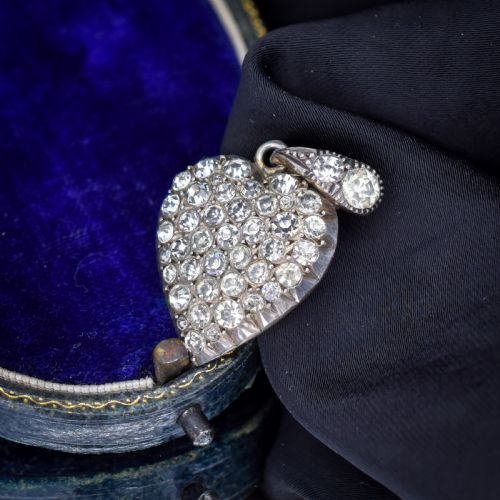
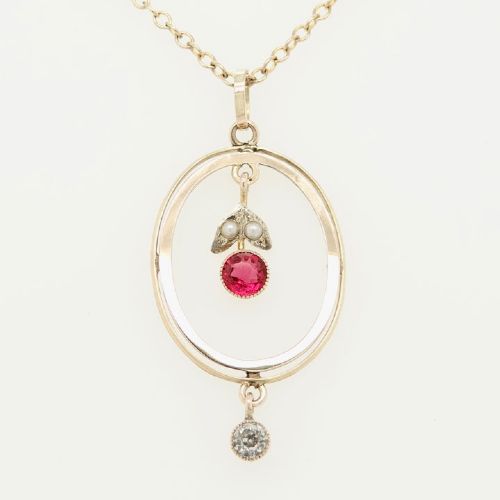
When you search for a victorian paste pendant, you are looking at historical neck ornaments set with hand-cut glass stones designed to imitate precious gems. The pieces on this page span the Victorian period, 1880, the year 1900, and the Edwardian era.
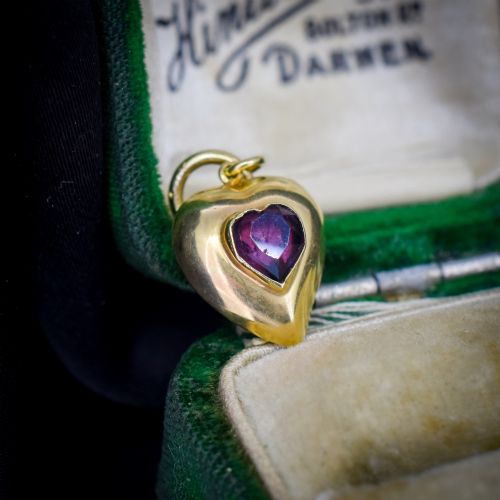
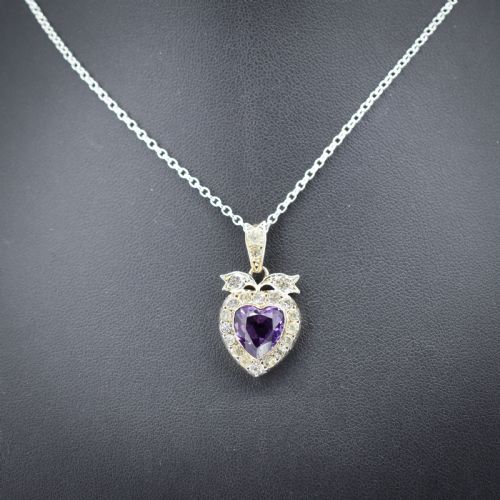
You will encounter heart pendants, lockets, drop necklaces, and cross pendants alongside floral and animal subjects like foxes, pheasants, and dragonflies. Styles range from standard Victorian to Georgian, Austro-Hungarian, and Victorian Etruscan Revival designs.
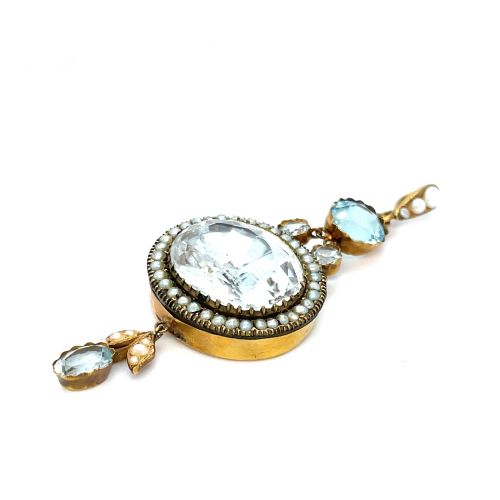
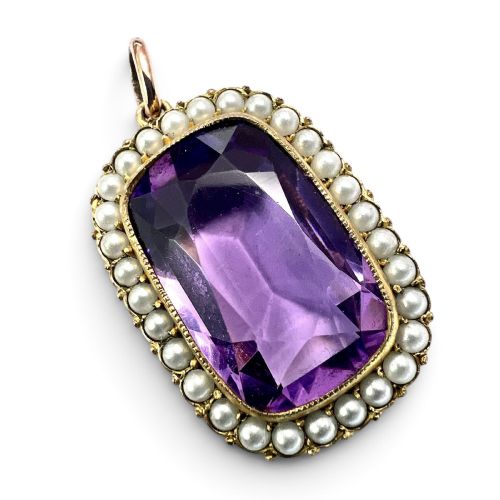
The most common forms on this page pair paste stones with silver, sterling silver, gold, 9ct gold, 18ct gold, or seed pearls and cultured pearls. Many incorporate foiled backs or specific stones such as amethyst, aquamarine, garnet, citrine, turquoise, and emerald alongside the glass.
Materials and Technique
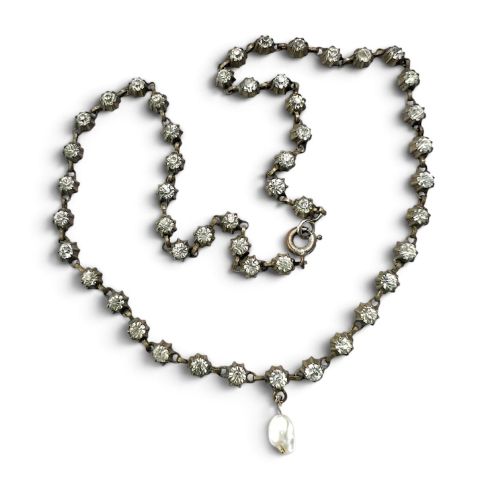
Jewellers shaped glass into paste stones, often utilising old-cut facets to catch the light in the manner of diamonds and coloured gemstones. These glass stones were frequently set with foil backgrounds to enhance their depth and colour.
Settings combined metals such as silver, sterling silver, 9ct gold, 15ct gold, and 18ct gold, frequently shaped into filigree, puffy hearts, or detailed animal figures. Seed pearls, cultured pearls, and enamel work added secondary texture and decoration to the metal frames.
Several Victorian pendants feature ruby-eyed metal animals, including foxes and pheasants keeping watch from chains.
Evaluating Quality
The sophistication of the stone-cutting and the clarity of the paste glass separate simpler items from finer works. Hand-cut facets with sharp edges reflect light more convincingly than rounded or moulded glass imitations.
The choice of precious metal framework also defines the piece, moving from rolled gold and basic silver settings up to solid 9ct, 15ct, and 18ct gold mounts. Intricate wirework, filigree, and the inclusion of natural elements like seed pearls elevate the construction.
The Victorian Paste Pendant Glossary
- Paste
- Hand-cut and polished lead glass used to imitate precious gemstones. It was faceted by hand to capture light just like mined stones.
- Foil back
- A thin sheet of reflective metal placed behind a transparent stone or paste within its setting. This technique intensified the brilliance and colour of the glass.
- Old cut
- A traditional hand-cut diamond or stone facet arrangement with a small table and high crown. This shape precedes modern brilliant cuts and appears frequently in nineteenth-century jewellery.
- Seed pearl
- Very small natural saltwater pearls threaded or set closely together. They provide a delicate, shimmering border in Victorian and Edwardian clusters.
- Filigree
- Fine threads of gold or silver twisted and soldered into openwork patterns. This decorative technique creates lace-like metal designs on pendants and lockets.
Victorian Paste Pendant: Frequently Asked Questions
What is a paste pendant?
A paste pendant is an item of jewellery featuring hand-cut glass stones designed to look like diamonds, rubies, or other precious gems. These pieces date primarily from the nineteenth and early twentieth centuries.
Master artisans shaped and polished the glass by hand, setting the stones into silver or gold frames. They served as fashionable, brilliant alternatives to mined gemstones during the Georgian and Victorian eras.
How do I care for a paste pendant?
Care requires keeping the piece away from water, moisture, and harsh cleaning chemicals. Many paste stones rely on delicate metal foils behind the glass which water can permanently ruin.
Clean the metal and glass gently with a dry, soft cloth. Store the pendant in a lined box away from other items to protect the delicate prongs and settings.
Are paste pendants made of real gold?
Many paste pendants feature precious metals including sterling silver, 9ct gold, 15ct gold, and 18ct gold. Others utilise rolled gold or gilt metals over a base.
Assay marks, hallmarks, or professional testing confirm the specific metal content of each mounting. The term paste refers strictly to the glass stones rather than the metal holding them.
How can I tell a Victorian pendant from a newer one?
Victorian pendants display specific construction methods, such as closed-back settings, hand-cut paste stones, and hand-soldered jump rings. They often show natural signs of age on the metal and glass facets.
Stylistic cues like Etruscan Revival motifs, foil backs, and specific clasp types also point to nineteenth-century origins. Comparing pieces against documented archival examples helps clarify their period.