




18th Century Portrait Locket
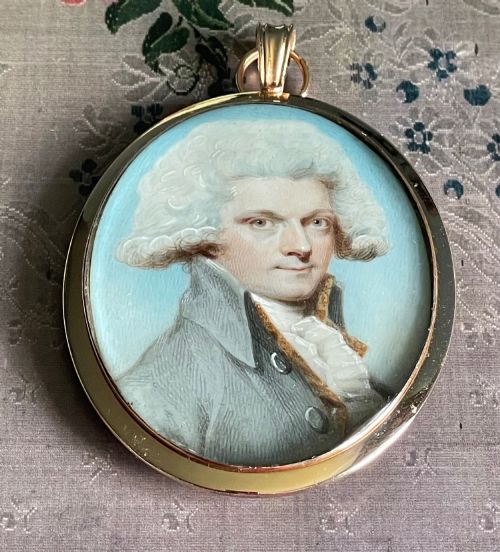
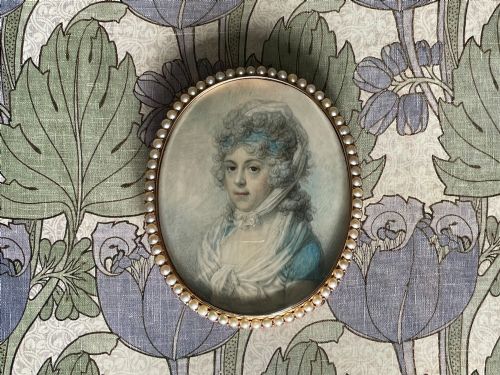
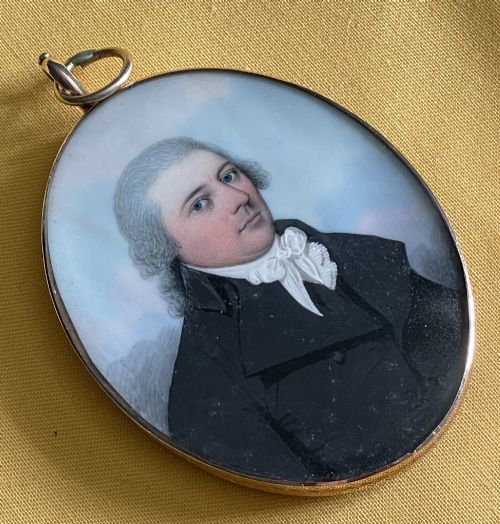
An 18th century portrait locket captures a likeness in miniature, offering a personal keepsake from the Georgian era.
18th Century Portrait Locket
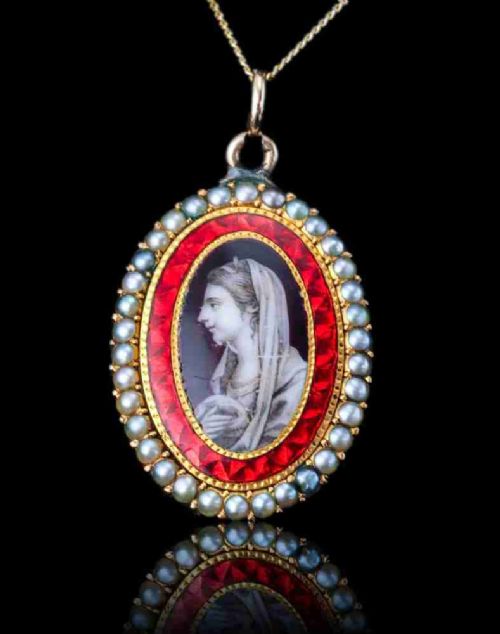
When you search for an 18th century portrait locket, you encounter portable likenesses housed in precious metal frames. These objects function simultaneously as fine art paintings and personal jewellery.
The pieces on this page span the Georgian and Regency periods, stretching from the early seventeen hundreds into the nineteenth century. Portrait miniatures, silhouette jewellery, and pendant necklaces form the core of the selection.
Subjects range from named gentlemen and naval officers to ladies and family members. Artists captured these faces using delicate media designed to be worn close to the heart.
Materials and construction methods
Artists painted likenesses using watercolour, pigment, and enamel on supports like ivory, vellum, glass, and agate panels. These fragile surfaces required steady hands and microscopic precision.
Frames utilise gold, including fourteen carat and nine carat variants, alongside gilt settings. The metalwork encloses the miniature painting securely within a pendant or locket structure.
Naval officers commissioned portraits to leave behind, ensuring their stern gazes remained sharp while they sailed away.
Factors that distinguish the work
The construction of the surrounding metal frame also dictates standard. Substantial gold settings and well-preserved glass panels enhance the overall integrity of the piece.
Henry Bone ARA·Charles Shirreff·Richard Cosway·John Miers·Frederick Buck·William Wood·Charles Hayter·Christian Friedrich Zincke·Nicolas Freese·Elizabeth Hudson·George Engleheart·James Ferguson·William Grimaldi·John Inigo Wright·Edward Pugh·Samuel Cotes·John Barry
The 18th Century Portrait Locket Glossary
- Portrait miniature
- A small painting, typically executed on ivory or vellum, depicting a specific person. These works gained immense popularity during the Georgian period.
- Silhouette
- A solid dark profile portrait, often cut from paper or painted on glass or plaster. John Miers specialised in this distinct medium.
- Enamel
- A glassy substance fused to a metal substrate through firing, creating a durable and luminous painted surface. Enamel portraits resist fading over centuries.
- Vellum
- Prepared calfskin used as a durable painting surface before ivory became the dominant medium. It provides a smooth texture for fine brushwork.
18th Century Portrait Locket: Frequently Asked Questions
How did people wear an 18th century portrait locket?
Owners typically suspended these lockets from ribbons or chains as pendant necklaces. They were worn against the chest as intimate reminders of absent loved ones.
Some pieces also functioned as standalone miniature paintings kept in cases or mounted within larger collections of jewellery.
What materials are common in these portraits?
Watercolour on ivory appears frequently, alongside enamel on metal and silhouette painting on glass. Frames are generally fashioned from gold or gilt metal.
Unusual supports like agate panels and vellum also appear in select examples from the period.
How can I tell the difference between periods?
Pieces span the Georgian and Regency eras, reflecting shifting fashions in dress, hair, and frame design. Costume details in the paintings often provide the clearest indicator of date.
Artist signatures and stylistic conventions help narrow down the decade of creation within the seventeen and early eighteen hundreds.
Are all the sitters identified?
Many portraits depict unnamed gentlemen, officers, or ladies whose identities were lost over time. Surviving family records or inscriptions on the reverse sometimes preserve a name.
Research into specific artists can occasionally link a portrait to historical figures from the eighteenth century.