
Victorian Hallway Furniture
Victorian hallway furniture equips an entrance with practical seating and storage, bringing period character and sturdy utility to a threshold.
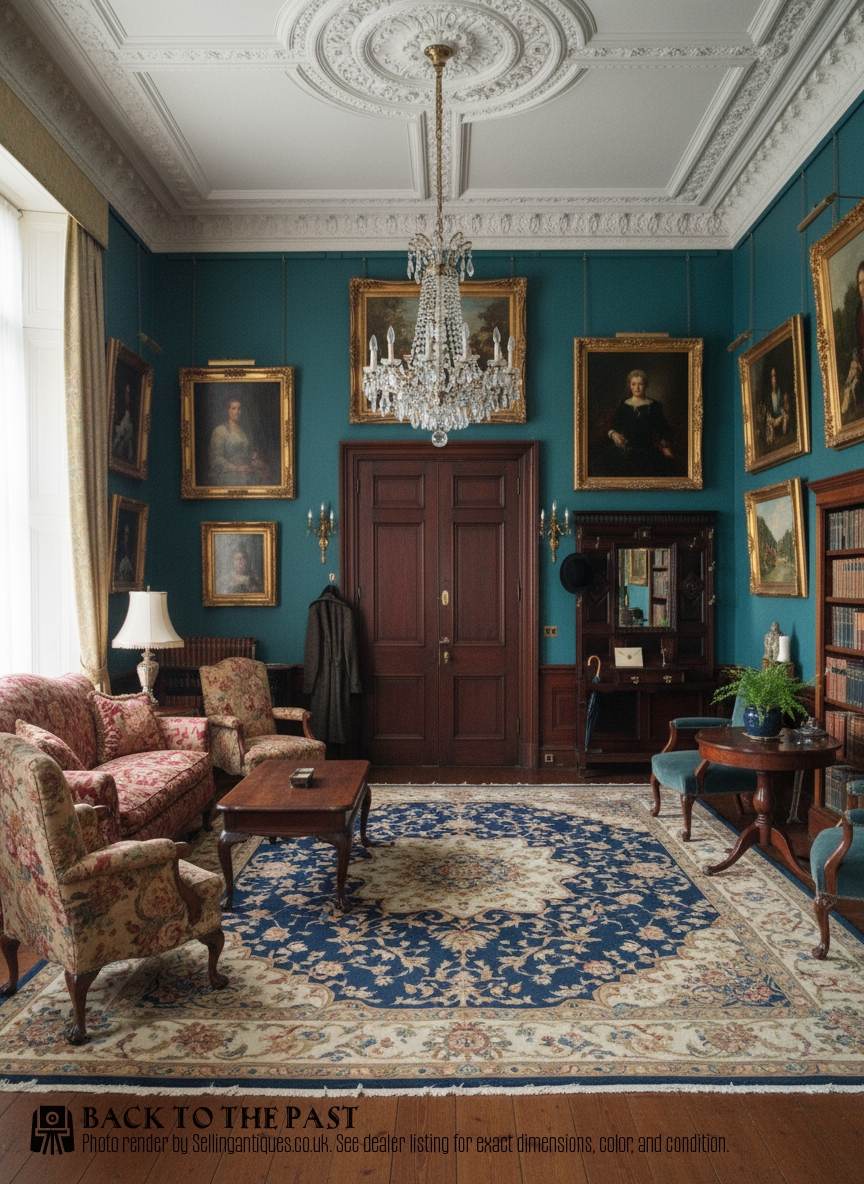
Victorian Hallway Furniture
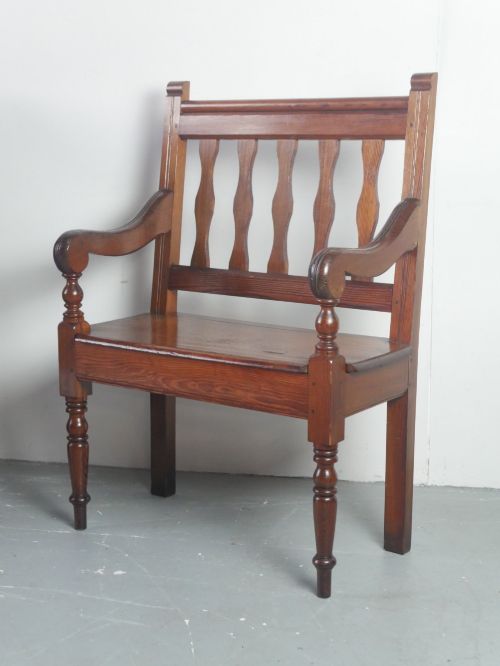
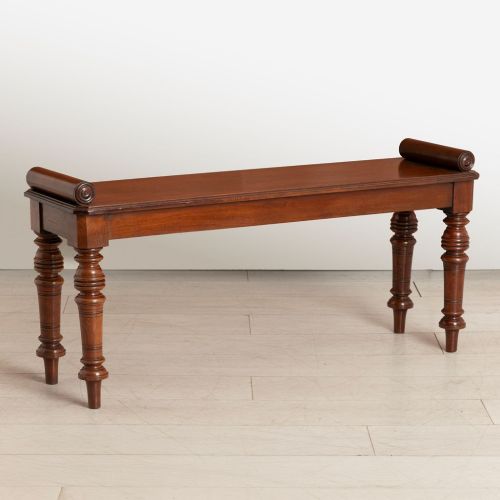
Victorian hallway furniture encompasses an assortment of wooden benches, umbrella stands, console tables, and hall stands designed to organise an entrance. These pieces originate largely from the nineteenth century, including specific periods such as the Edwardian era.
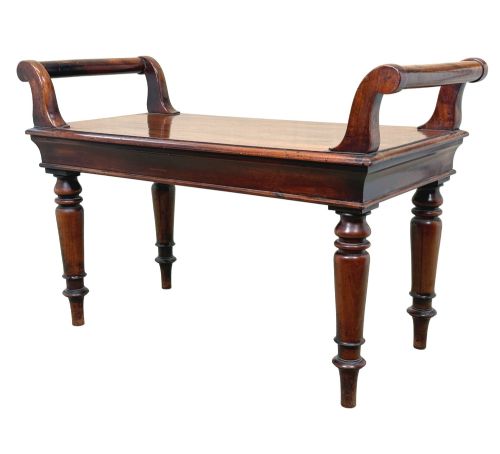
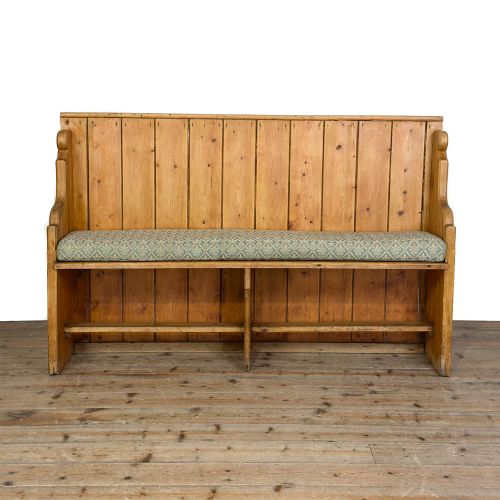
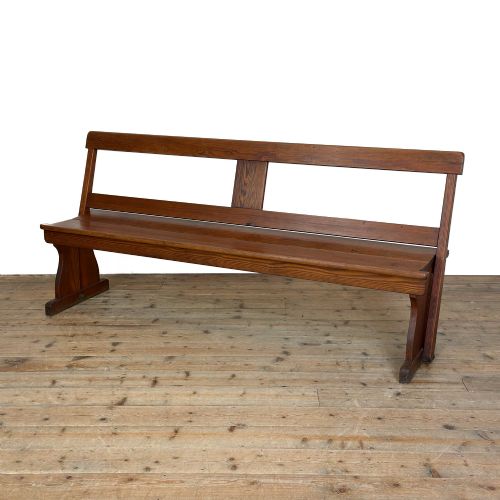
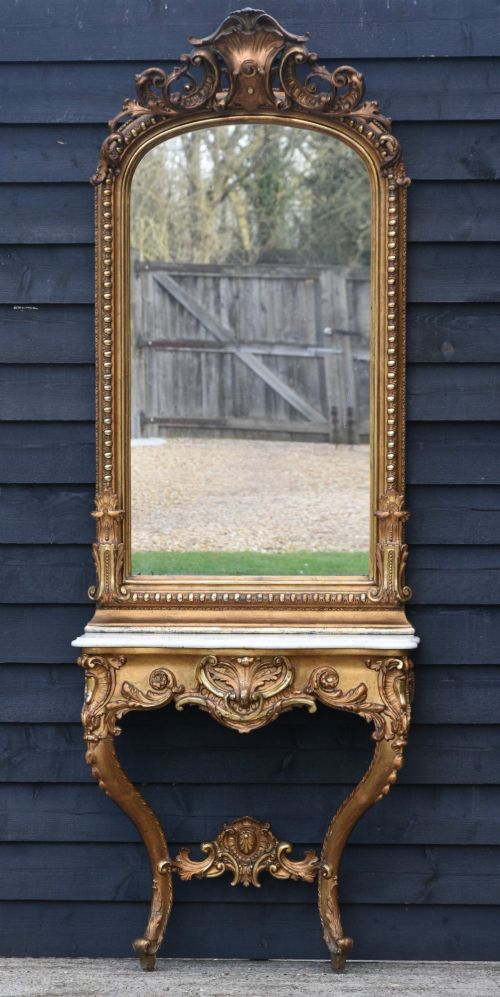
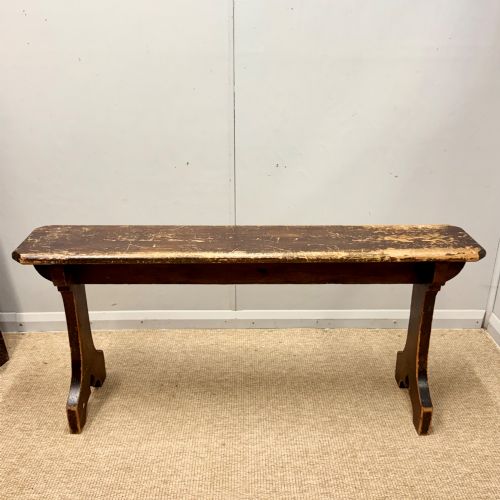
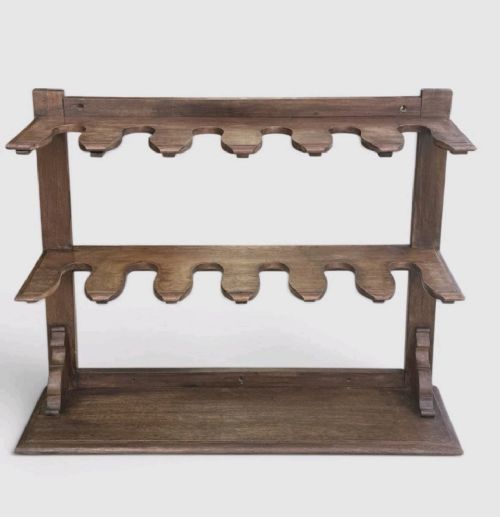
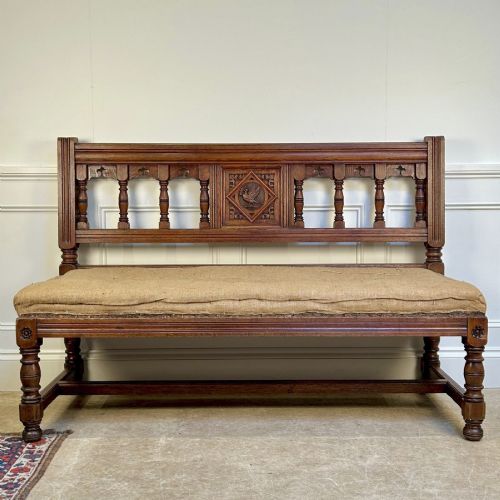
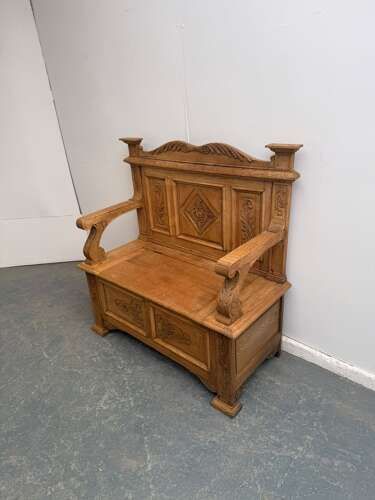
The most common forms met in this collection include pine church pews, oak hall seats with integrated stick stands, and mahogany console tables. Pieces range from rustic country benches to carved Gothic Revival designs.
Makers and makers' retailers like Gillows, James Shoolbred and Co, and Druce and Co occasionally provide named attribution among standard utilitarian items. Domestic entrances receive practical solutions through items like boot racks, washstands, and hat and coat stands.
Materials and Construction
Construction relies heavily on robust native timbers such as pine, oak, and mahogany, shaped into benches, console tables, and storage units. Joinery techniques unite solid wood elements, sometimes incorporating turned components or carved decorative details.
Metal components add functional resilience, with brass and cast iron utilised for umbrella stands, coat hooks, and mountings. Surfaces often display a waxed finish on wood or retained historic paint, alongside bamboo and glass elements in specific late-period pieces.
Victorian Hallway Furniture Retail Price Guide 2026
Typical asking prices for victorian hallway furniture among the pieces listed under this phrase on Sellingantiques today, from the lower quarter to the upper quarter. They describe what is for sale here now, not the wider market.
The furniture spans the Victorian period, 19th Century, Edwardian era, and early twentieth century up to nineteen-sixty.
Craftsmanship and Proportion
Quality separates simple utilitarian items from pieces possessing refined proportions and specialist carving, such as Gothic Revival oak benches or marked furniture by known makers. The integrity of original timber, whether waxed pine or figured mahogany, defines the standing of a piece.
Construction depth ranges from basic nailed or screwed country pine to sophisticated cabinetry with integrated storage boxes, carved panels, and heavy brass or cast iron fittings.
Gillows·James Shoolbred and Co·Druce and Co
The Victorian Hallway Furniture Glossary
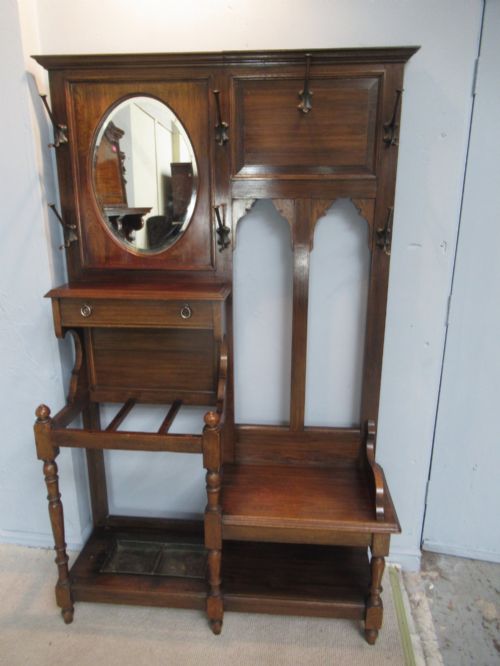
- Hall Stand
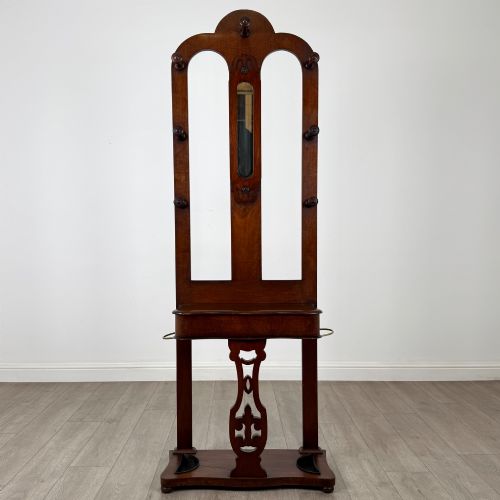
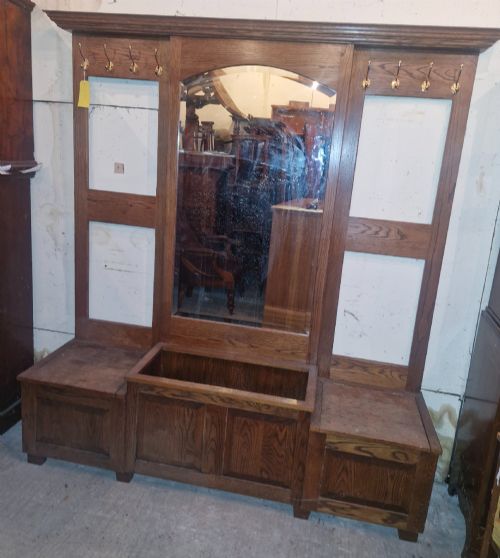
- A multi-functional entrance piece combining a mirror, coat hooks, a shelf, and an umbrella well. These items organise outerwear in a single structured unit.
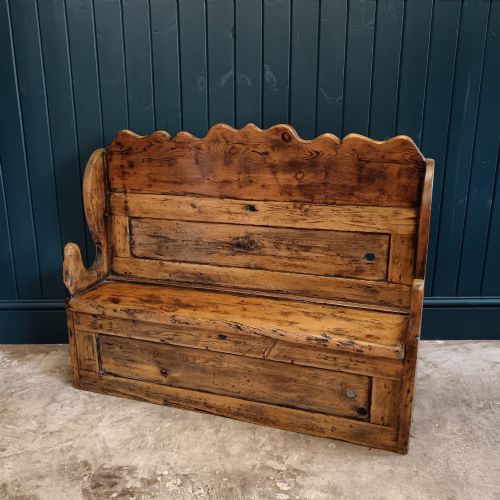
- Settle
- A wooden bench featuring a high solid back to block draughts and often a box seat for storage. These items provide robust seating in hallways and reception spaces.
- Stick Stand
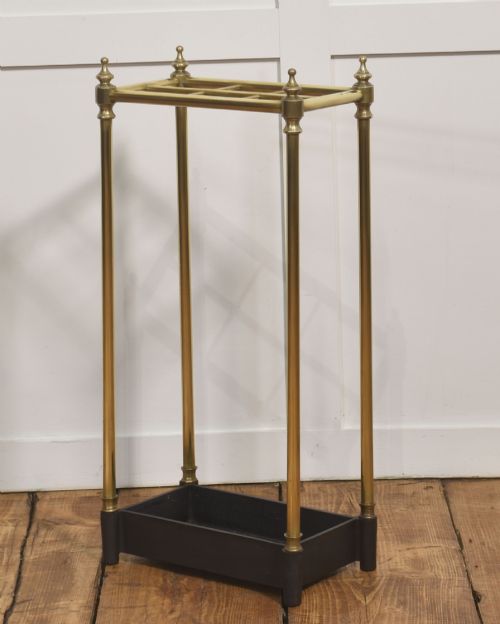
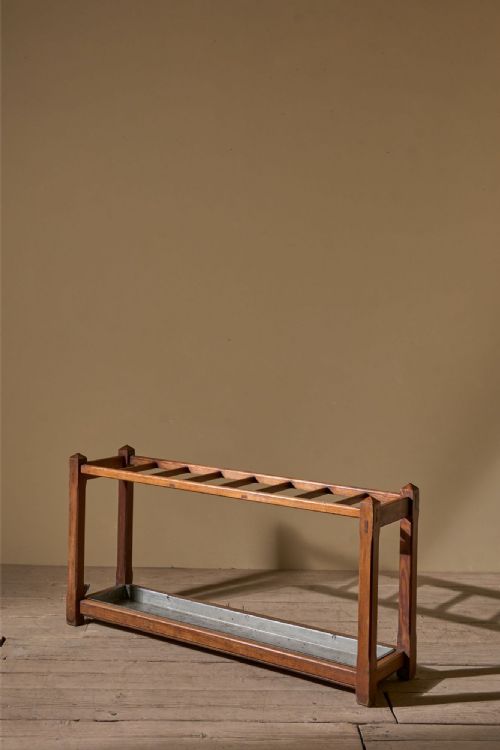
- A dedicated receptacle for umbrellas and walking sticks, commonly manufactured in cast iron, brass, or turned wood with a drip tray. These objects protect entrance flooring from moisture.
- Console Table
- A wall-mounted or freestanding table designed for narrow spaces like corridors. These surfaces hold letters, keys, and decorative items.
- Gothic Revival
- An architectural and decorative style inspired by medieval forms, featuring pointed arches, tracery, and heavy carved oak. This aesthetic dominated much nineteenth-century ecclesiastical and domestic furnishing.
Victorian Hallway Furniture: Frequently Asked Questions
What pieces count as hallway furniture?
Hallway furniture includes benches, church pews, hall stands, console tables, and umbrella stands.
These objects are designed to furnish entrances, passages, and waiting spaces with practical seating and storage.
How were umbrella stands used?
Umbrella stands held wet walking sticks, umbrellas, and parasols near the front door upon entering a house.
They frequently incorporated metal drip trays made of brass or cast iron to protect wooden floors and carpets from water.
Where should I place a settle?
A settle sits well against a hallway wall or in a large porch to offer sturdy seating and hidden storage inside the box base.
The high wooden back originally served to block cold draughts from front doors in older houses.
How do I identify a hall stand?
A hall stand typically combines multiple functions into one tall wooden frame, featuring coat hooks, a central mirror, and umbrella wells at the base.
Many examples also include small glove drawers or umbrella trays made of brass.
Are these pieces made of solid wood?
Most items are constructed from solid timbers such as pine, oak, mahogany, elm, and walnut.
Makers utilised these durable woods to withstand heavy daily use in busy entrance halls.