

Victorian Hall Stick Holder
A victorian hall stick holder gathers walking canes, umbrellas and riding crops in the entrance hall, offering sturdy utility with period design.
Victorian Hall Stick Holder
A victorian hall stick holder provides a designated space for walking sticks, canes and umbrellas within the entrance hall. The pieces seen here span the Victorian, Edwardian and nineteenth-century periods, alongside later twentieth-century examples.
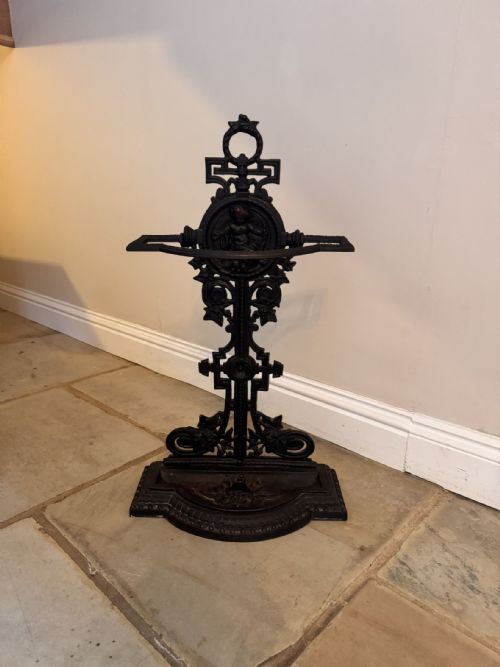
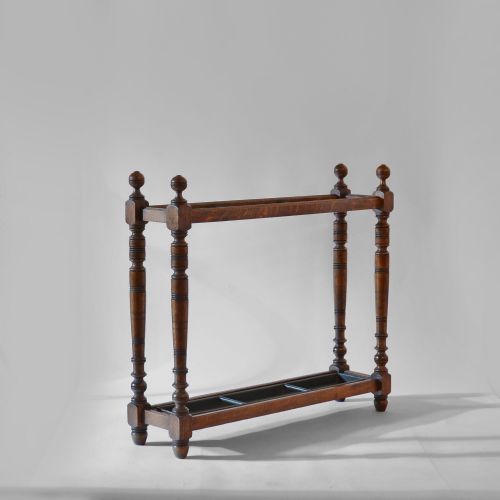
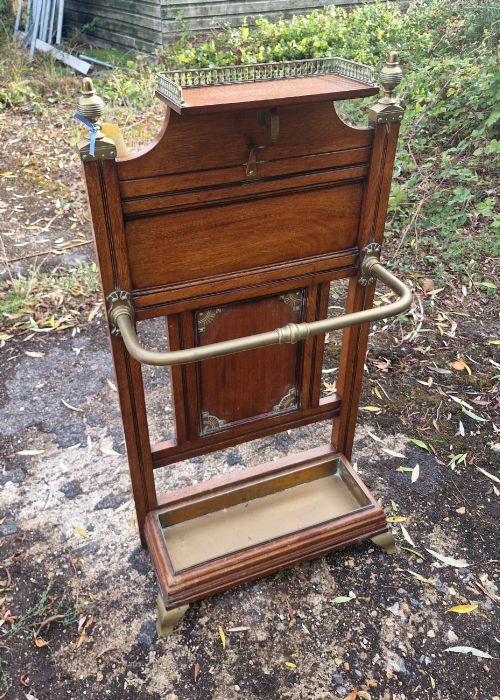
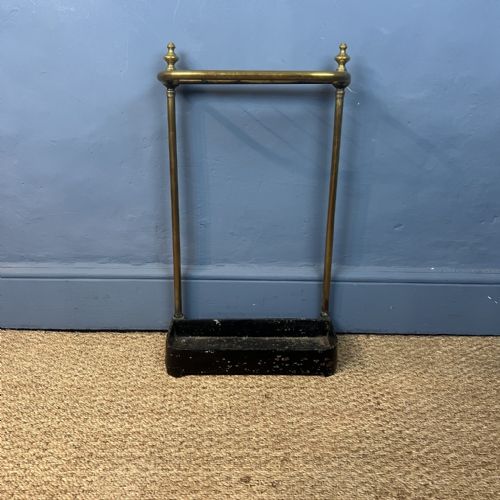
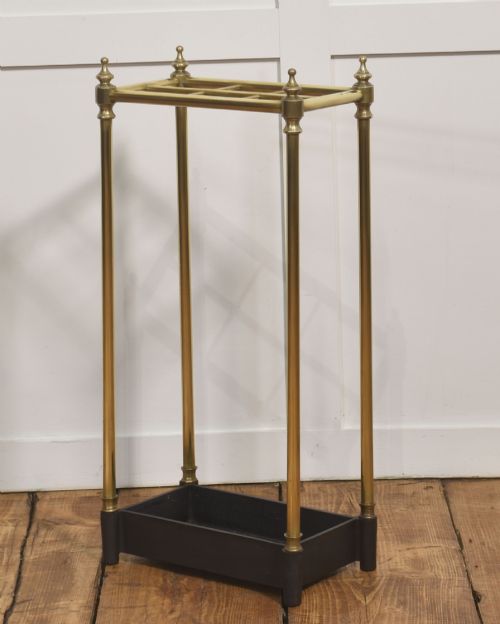
Most entries take the form of freestanding umbrella stands, stick stands or combined hall stands. Forms range from compact brass demi-lune shapes to large cast iron frames and carved wooden designs.
Origins include British workshop productions as well as continental European pieces, notably French Art Nouveau designs and Swiss Black Forest carvings.
Materials and Technique
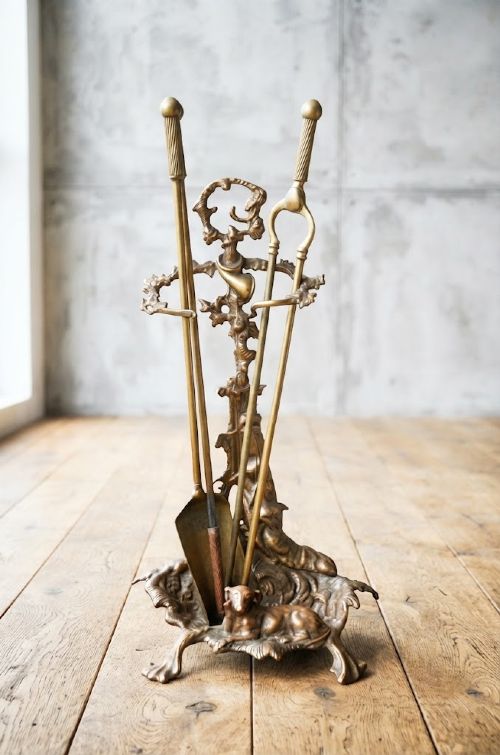
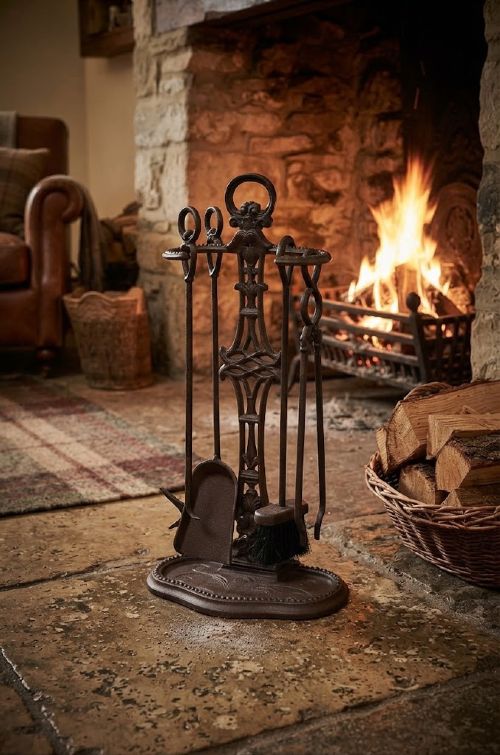
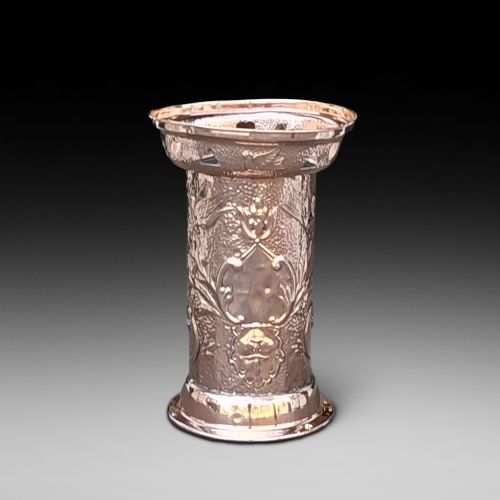
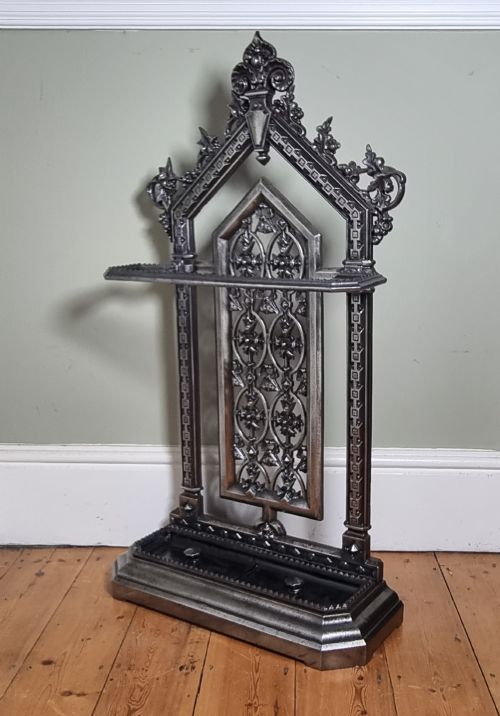
Foundries cast molten metal into intricate patterns, utilising iron, brass, copper and steel to create robust frames with openwork panels, hunting scenes or stylized plant motifs.
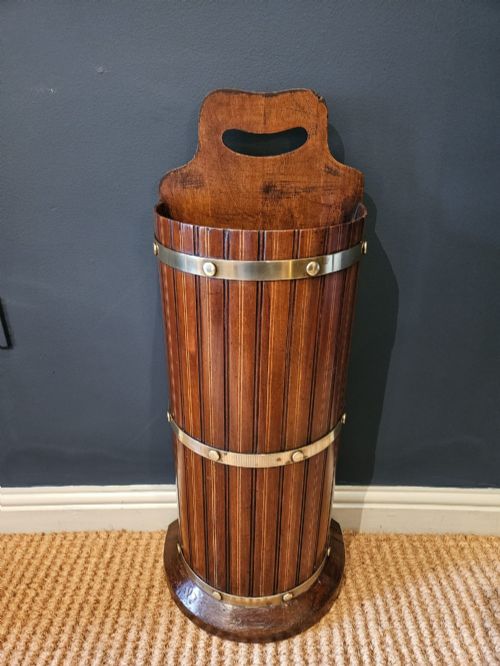
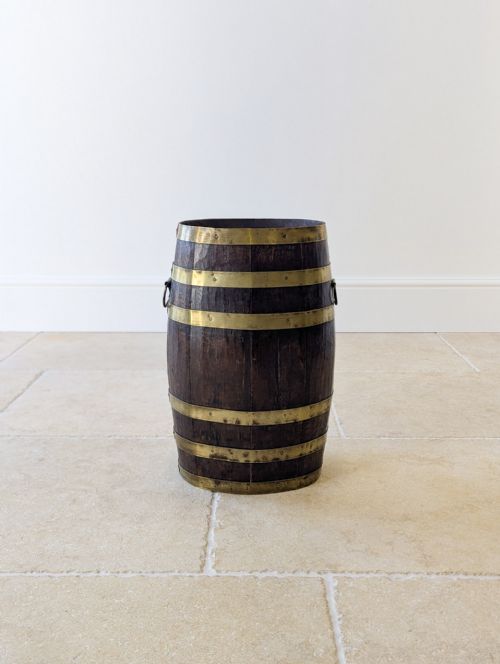
Woodworkers employed traditional techniques such as coopered construction for oak barrels, alongside detailed hand carving for pieces rendered in pine, mahogany and carved wood.
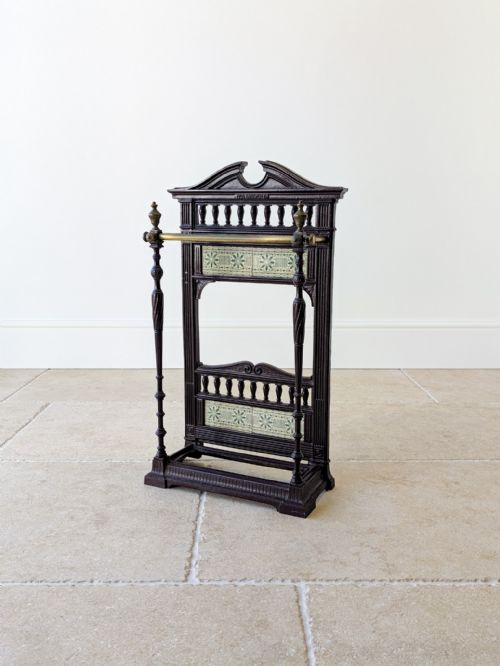
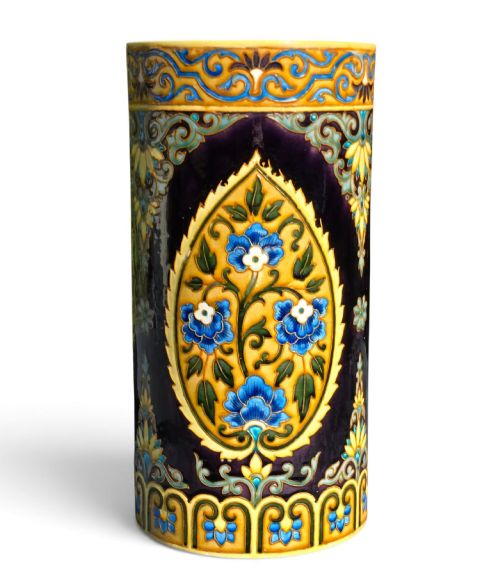
Ceramic elements, including Iznik-revival panels, were glazed and fired to provide contrasting colour and texture within metal or wooden structures.
Listings feature materials spanning cast iron, brass, metal, oak, mahogany, ceramic, carved wood and zinc across multiple periods.
Evaluating Construction
The standard of a victorian hall stick holder depends upon the crispness of the casting in iron and brass work, where sharp relief and clean lines distinguish skilled foundry output from softer reproductions.
In wooden examples, the integrity of the joinery and the depth of hand carving determine the level of craftsmanship, particularly in complex forms like Black Forest animal figures or coopered oak staves.
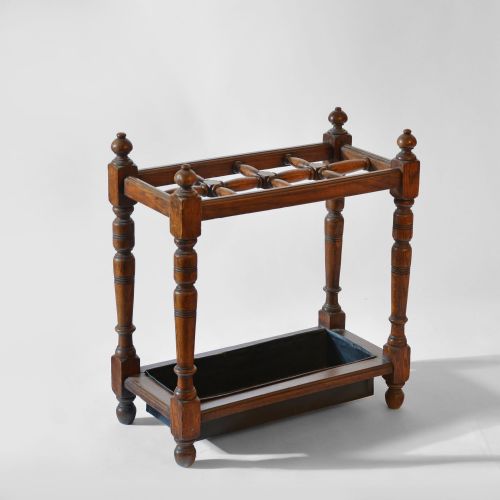
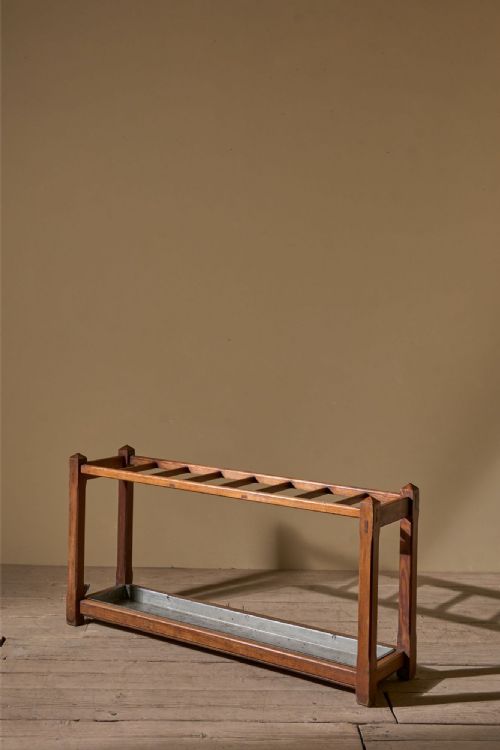
The presence of original fitted metal drip trays indicates a complete and functional piece designed to protect interior flooring from moisture.
Coalbrookdale·Théodore Deck·Thomas Jeckyll·Falkirk Ironworks
The Victorian Hall Stick Holder Glossary
- Demi-lune
- A half-moon shape. This term describes wall-fitting or semicircular stick stands designed to occupy minimal floor space in narrow hallways.
- Coopered
- Formed of vertical wooden staves bound by metal hoops. This method creates cylindrical vessels similar to barrels, often seen in oak umbrella stands.
- Drip tray
- A shallow metal receptacle placed at the base of a stand. It catches water runoff from wet umbrellas and walking sticks.
- Aesthetic Movement
- A late nineteenth-century design current focusing on visual beauty rather than narrative. Pieces in this style often incorporate stylized natural motifs and dark woods.
Victorian Hall Stick Holder: Frequently Asked Questions
What are these stands made from?
These holders incorporate a variety of materials including cast iron, brass, copper, steel, oak, mahogany, pine and ceramic tiles.
Many pieces combine two materials, pairing metal frames with wooden bases or incorporating cast iron bodies with removable metal drip trays.
How were they used originally?
Placed in the entrance hall or vestibule of a nineteenth-century home, they stored wet umbrellas, walking canes, riding crops and whips.
They kept muddy or damp walking gear organised and prevented moisture from damaging interior flooring.
How do I care for a wooden stand?
Wooden stands require standard care appropriate for period furniture, keeping them away from direct heat sources to prevent wood splitting.
Checking that the internal metal drip tray remains watertight ensures that moisture does not leak onto the wooden base.
What is a Black Forest stick stand?
Black Forest stands are intricately carved wooden pieces, often depicting bears or forest animals, originating from nineteenth-century carving traditions in central Europe.
These whimsical forms frequently feature carved wooden branchwork to hold canes and umbrellas.