

Victorian Cast Iron Stick Stand
Solid, heavy, and built to catch winter mud, a victorian cast iron stick stand brings utilitarian nineteenth-century ironwork straight into the hallway.
Victorian Cast Iron Stick Stand
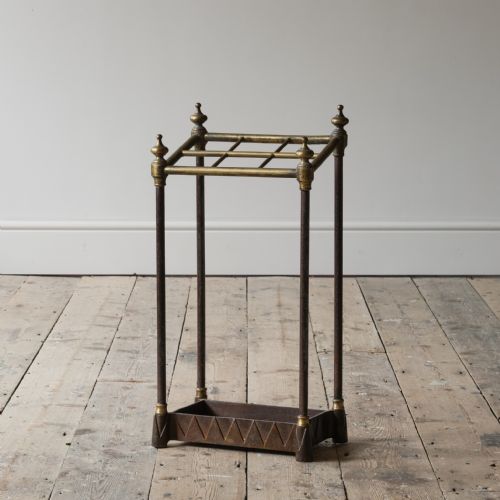
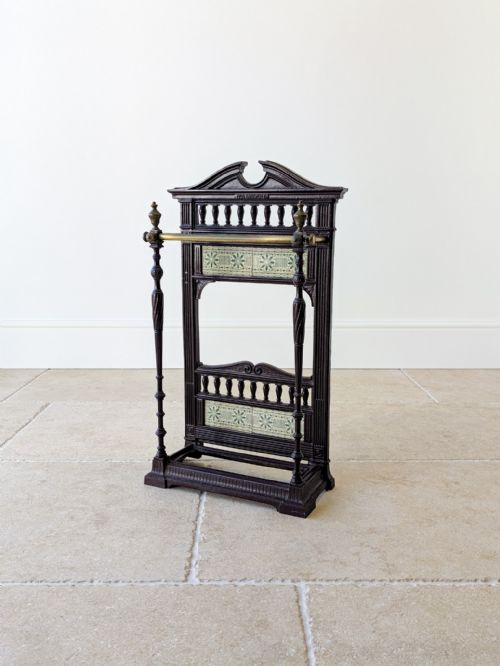
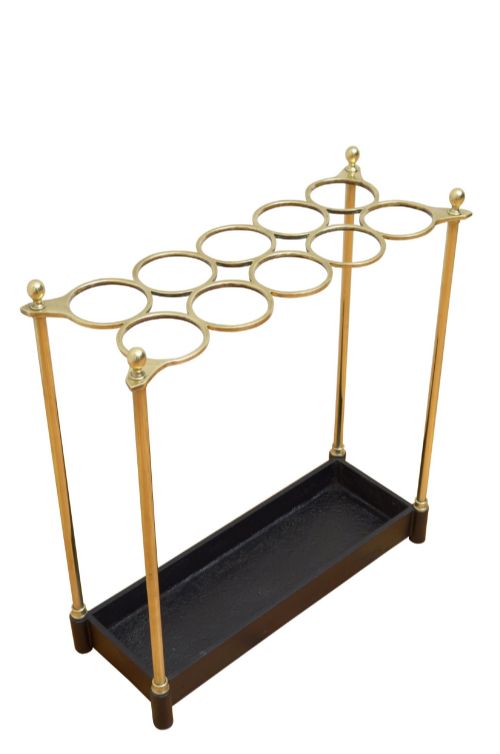
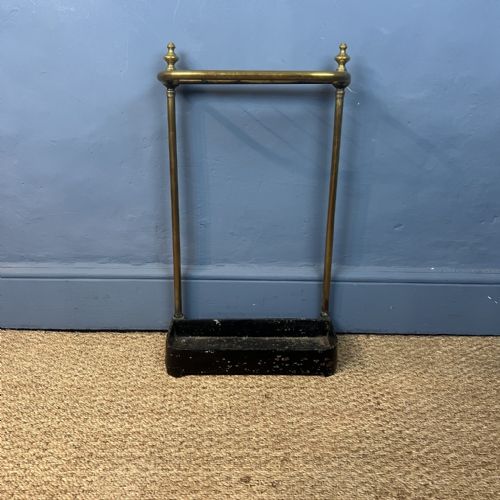
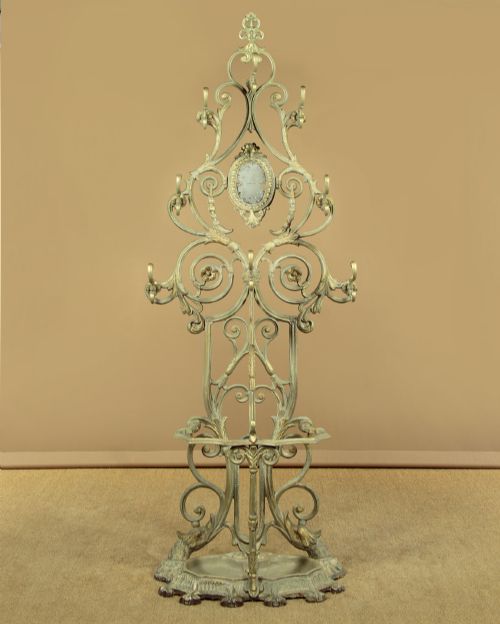
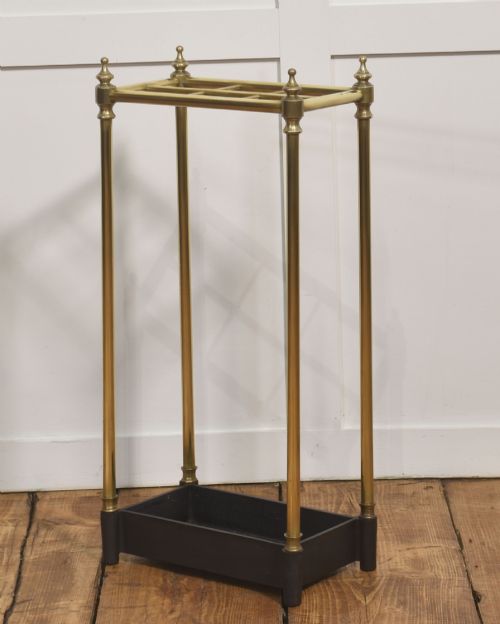
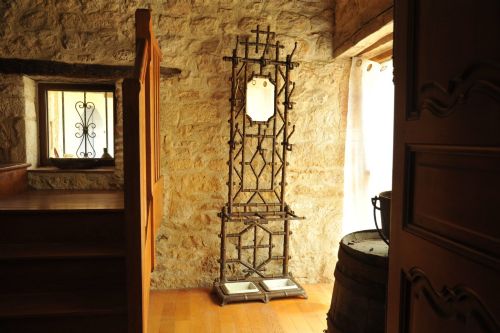
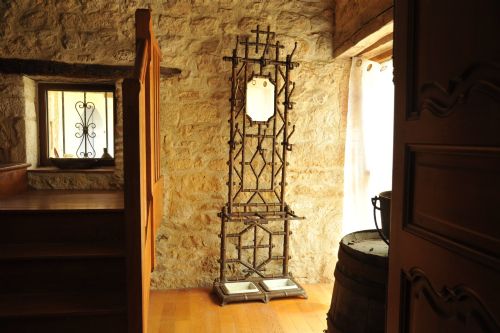
A victorian cast iron stick stand is a heavy, functional hall accessory designed to hold wet umbrellas and walking sticks off the floor. Most examples on this page date from the nineteenth century, spanning the Victorian and Edwardian periods, with occasional pieces stretching towards 1900. They appear in forms ranging from simple umbrella stands to large combination hall stands incorporating hat and coat hooks.
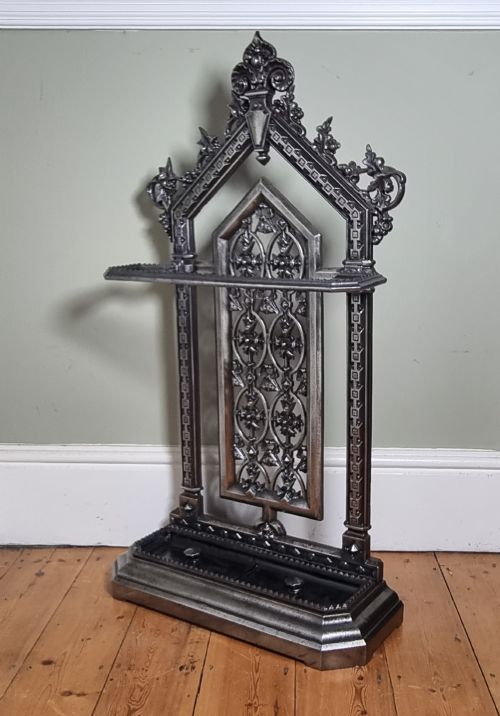
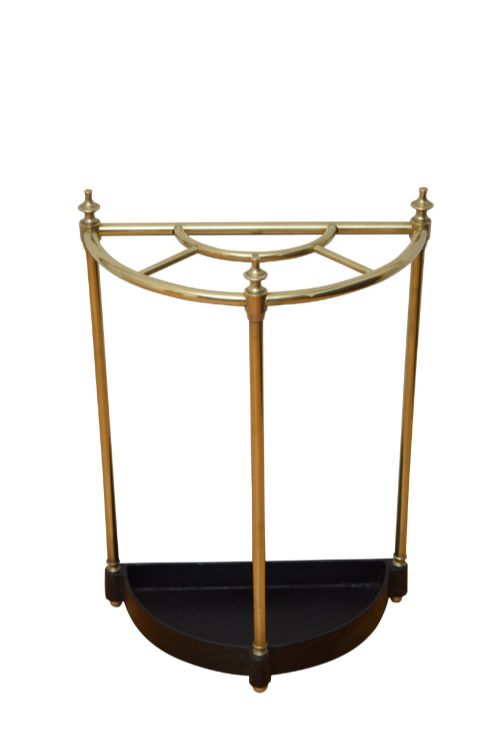
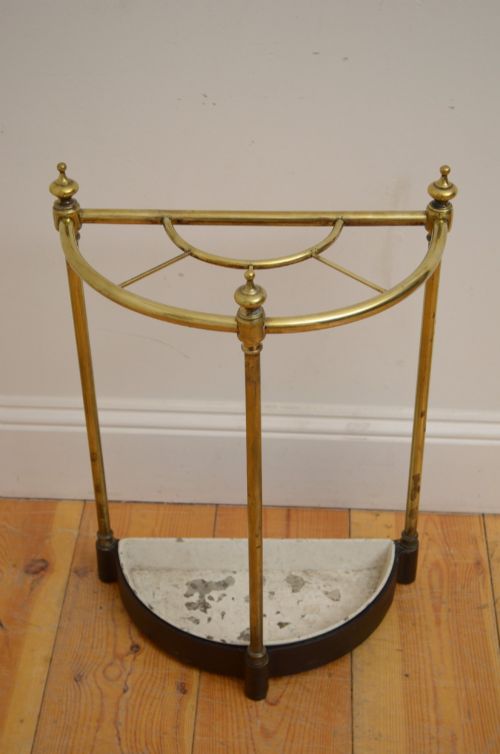
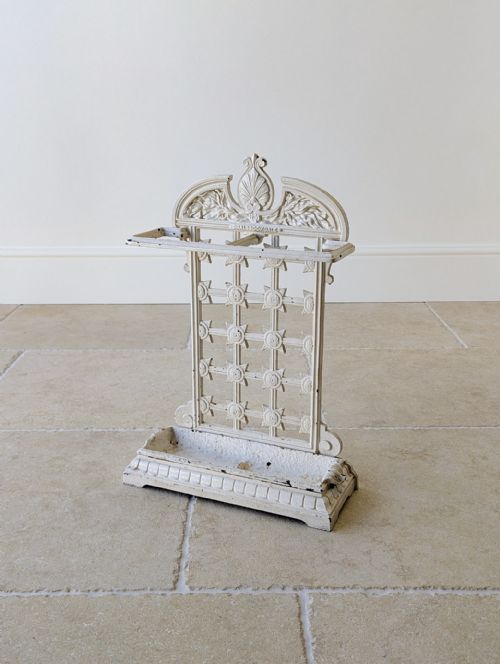
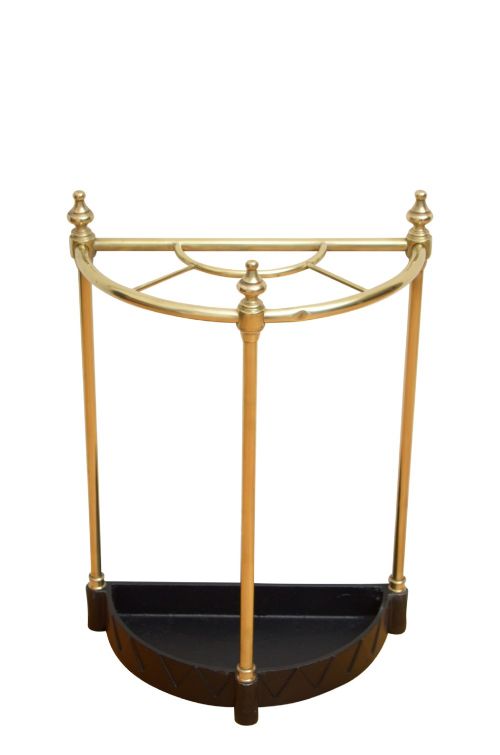
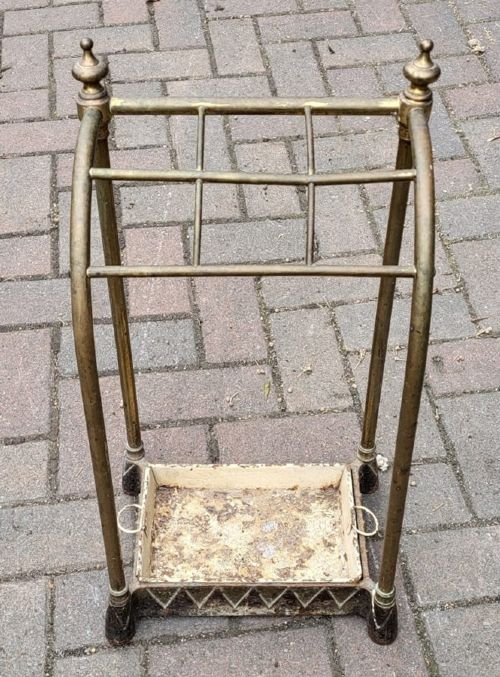
The heavier pieces rely on substantial cast iron frames, frequently paired with removable drip trays made of brass, ceramic, or painted iron to catch water. Many versions take a demi-lune or half-moon shape designed to sit flat against a hallway wall, alongside freestanding cylindrical or rectangular designs. Aesthetic Movement, Gothic Revival, and French Art Nouveau influences frequently shape the openwork patterns of the iron.
Cast iron and brass construction
Foundries produced these pieces by pouring molten iron into sand moulds, creating intricate openwork panels, stylized foliage, and figural designs with remarkable durability. Makers frequently combined this heavy metalwork with spun or cast brass elements, such as finials, rods, and drip trays, introducing bright metallic contrast to the dark iron structure.
Protective surface layers of black paint, enamel, or japanning were commonly applied to the cast iron to prevent rust in damp entrance halls. Removable iron or zinc liners and ceramic trays caught moisture from wet umbrellas, protecting the floor beneath while completing the practical assembly.
Listings demonstrate that nineteenth-century makers combined cast iron frames with brass, ceramic, and marble elements to create functional hallway furniture.
Foundry crispness and structural completeness
Quality in a victorian cast iron stick stand rests in the crispness of the foundry casting, where sharper relief work and cleaner pierced details distinguish superior makers from standard commercial output. Pieces bearing registered design numbers or foundry marks from notable manufacturers like Coalbrookdale or Kenrick generally demonstrate higher artistic ambition and execution.
The presence of original matching drip trays or liners significantly elevates a piece, as these removable components were easily lost or replaced over decades of heavy use. Structural integrity matters immensely, meaning that hairline fractures in brittle cast iron or missing brass finials alter the original state of the stand.
Coalbrookdale·Thomas Jeckyll·A. Kenrick & Sons·Falkirk Ironworks
The Victorian Cast Iron Stick Stand Glossary
- Demi-lune
- A half-moon shape allowing the stand to sit flush against a hallway wall. This space-saving profile remains especially common in nineteenth-century examples.
- Drip tray
- A removable metal or ceramic dish positioned at the base to catch water from wet umbrellas. It protects floors and prevents interior rust.
- Japanning
- A type of durable black lacquer finish applied to ironwork to mimic Asian lacquerware. It provided both decoration and rust resistance in damp entries.
- Finial
- A decorative ornamental crowning element, often cast in brass, topping the vertical bars or corners of the frame. These details accent the structural silhouette.
- Aesthetic Movement
- A late nineteenth-century design style emphasising decorative beauty over strict narrative function. Pieces from this movement often feature stylized natural motifs and geometric framing.
Victorian Cast Iron Stick Stand: Frequently Asked Questions
How do I stop my iron stand from rusting?
Keep the piece dry by emptying and drying the removable drip tray regularly after wet weather. Applying a light coat of paste wax to the iron surfaces helps protect the historic finish.
Avoid placing the stand in damp, unheated entryways where condensation can accumulate on the metal. Gentle cleaning with a soft cloth preserves the paint or japanned surface without stripping the original patina.
Are these stands safe to use with heavy walking sticks?
Cast iron provides exceptional weight and stability, making these stands fully capable of supporting heavy walking sticks and umbrellas without tipping. The sturdy metal framework absorbs daily knocks and heavy use far better than lighter modern alternatives.
Ensure the stand rests on an even floor surface so the heavy base remains balanced. The original metal or ceramic base liners easily absorb the impact of dropped ferrules.
How can I tell if a stand is Victorian?
Victorian examples display characteristic casting techniques, heavy iron density, and stylistic markers such as Gothic Revival tracery or Aesthetic Movement foliage. Many pieces from this era carry registration diamonds, serial numbers, or foundry stamps cast directly into the reverse or base.
Examining the construction reveals bolted joints and hand-finished casting seams typical of nineteenth-century foundry production. Later reproductions often lack the crisp detailing and heavy metal mass of period originals.
What is the difference between a hall stand and a stick stand?
A stick stand focuses purely on holding umbrellas and walking sticks within a compact frame, often designed to sit flat against a wall. A hall stand is a much larger piece of furniture incorporating a mirror, coat hooks, hat pegs, and a glove box alongside the umbrella wells.
Both items served the same welcoming function in a nineteenth-century entrance hall. Stick stands offer a simpler footprint, while hall stands provide comprehensive entryway storage.