
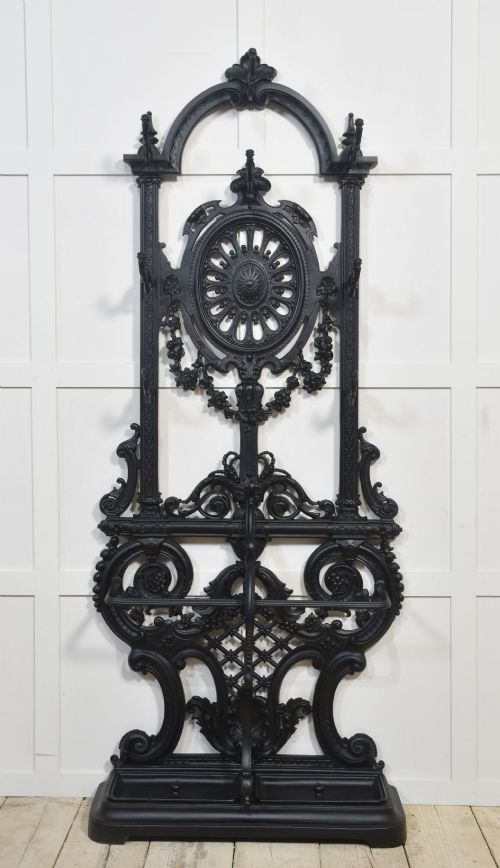


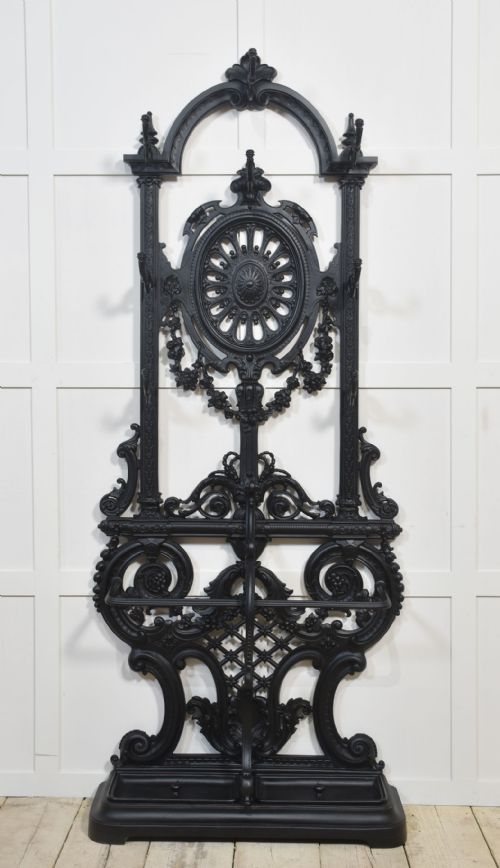


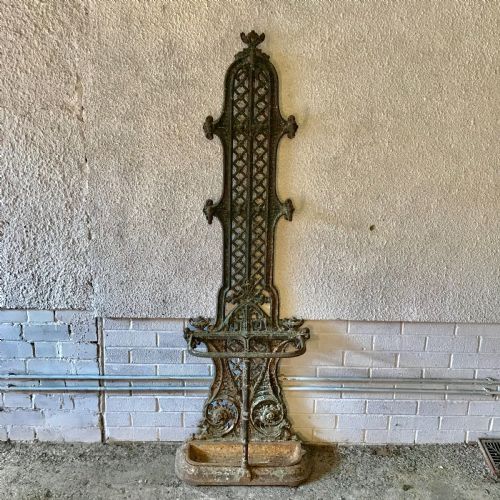
Vintage Cast Iron Coat Rack
These vintage cast iron coat racks are heavy hallway furniture and wall hooks built to hold outdoor garments with industrial strength.
Vintage Cast Iron Coat Rack
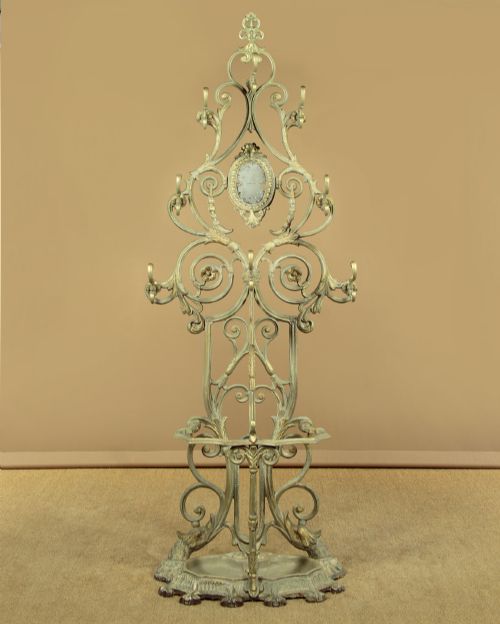
A vintage cast iron coat rack serves heavy daily traffic in entrance halls and cloakrooms through sturdy hooks and robust frames. You encounter freestanding hall stands and wall-mounted racks originating from the nineteenth and early twentieth centuries.
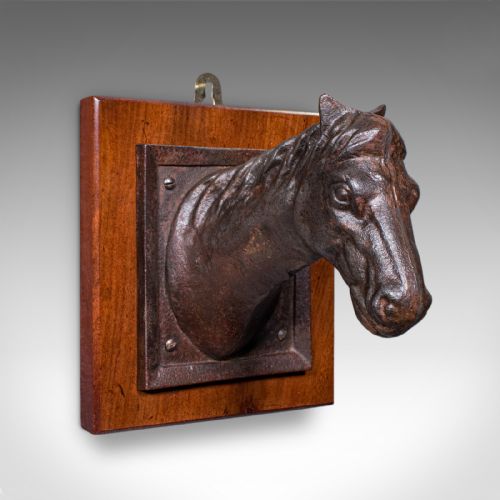
The material takes multiple forms across these listings, appearing as standalone coat stands, umbrella racks, and mounted equestrian pieces. Victorian and Edwardian examples dominate the selection, bringing period presence to domestic halls.
How they were made
Foundries poured molten metal into sand moulds to create the rigid frames and ornate scrollwork characteristic of nineteenth-century pieces. Makers integrated brass hooks, glass details, and wooden panels into the heavy iron structures.
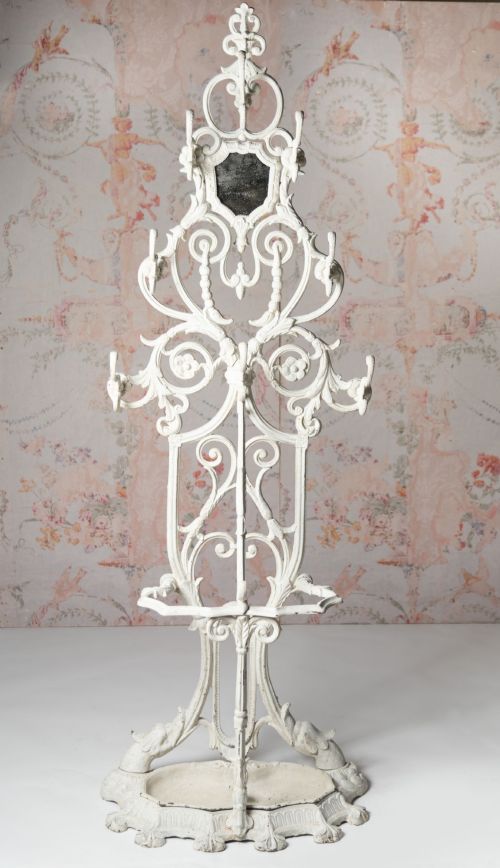
Many designs incorporate integrated marble drip trays and mirror plates held securely within the metal armature. Surface finishes range from painted coats to dark patinated metal formed through industrial casting techniques.
Listings span from the 1870s through the Edwardian era into the 1930s, incorporating wood, brass, and marble alongside iron.
What varies in quality
Complexity of the casting work separates standard utility items from finer foundry pieces. Crispness in the botanical or Gothic ornamentation shows the skill of the original mould maker.
The inclusion of auxiliary materials like marble bases, brass fittings, and bevelled mirror glass elevates a piece beyond basic ironwork. Structural completeness, particularly retaining original drip pans and multi-tiered hooks, dictates desirability.
Coalbrookdale·Falkirk Foundry
The Vintage Cast Iron Coat Rack Glossary
- Cast iron
- Iron alloy poured into a mould to shape complex decorative and structural forms. This heavy material resists bending under extreme weight.
- Hall stand
- A multi-functional hallway furnishing combining a coat rack, hat hooks, umbrella holders, and a mirror. These large pieces anchor entrance spaces.
- Coalbrookdale style
- Ornamental ironwork mimicking the ornate botanical patterns produced by the famous Shropshire foundry. This aesthetic defines Victorian garden and hall furniture.
- Faux bamboo
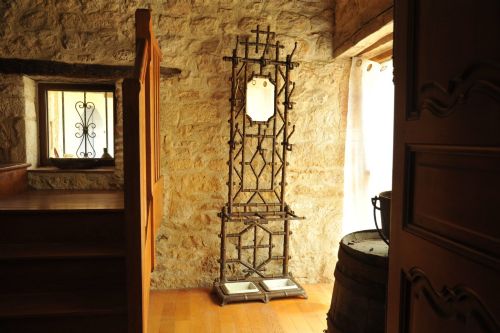
- A decorative moulding technique carved or cast to resemble natural bamboo stalks. This style gained popularity during the late nineteenth century.
- Portico
- An architectural framework design featuring columns and pediments adapted for tall hallway stands. This grand style suits high ceilinged entrance ways.
Vintage Cast Iron Coat Rack: Frequently Asked Questions
How do I mount a heavy cast iron wall rack?
Wall-mounted iron racks require direct fixing into solid masonry or substantial wooden wall studs due to their considerable weight. Use heavy-duty fixings that can support both the iron framework and the weight of wet winter coats.
Ensure the load distributes evenly across multiple fixing points to prevent strain on the individual screw holes during daily use.
Where should I place a freestanding hall stand?
Freestanding hall stands suit spacious entrance halls and boot rooms where they can anchor the room and remain easily accessible. Position them away from direct moisture sources while keeping them close to the primary entrance for daily convenience.
Allow enough clearance around the stand to access umbrella wells and lower hooks without blocking walking routes.
How do I clean cast iron furniture?
Dust the metal regularly with a dry cloth and remove grime using a mild soap solution applied sparingly. Dry the iron thoroughly afterwards to prevent any surface oxidation.
Avoid harsh chemical cleaners that strip the original dark patination or damage integrated wooden and mirror elements.
How can I tell Victorian pieces apart from later ones?
Victorian examples often feature heavier casting, Gothic Revival motifs, or ornate Coalbrookdale-style scrollwork. They frequently incorporate components like bevelled mirror plates and cast iron umbrella rings.
Later Edwardian and 1930s pieces tend toward simpler linear forms or alternative aesthetic movements like faux bamboo and Art Deco.