


Antique Brolly Stand
An antique brolly stand brings order to a hallway while offering a robust mix of cast iron, brass, and timber.
Antique Brolly Stand
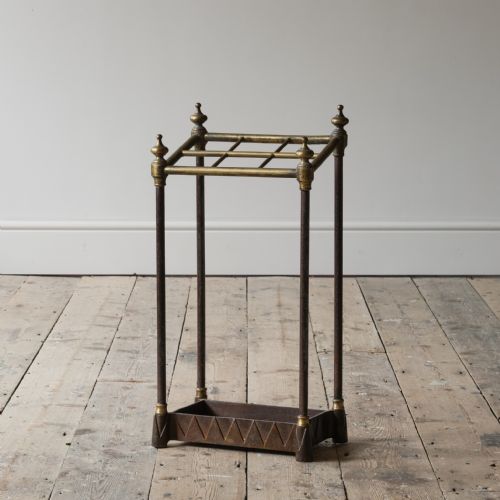
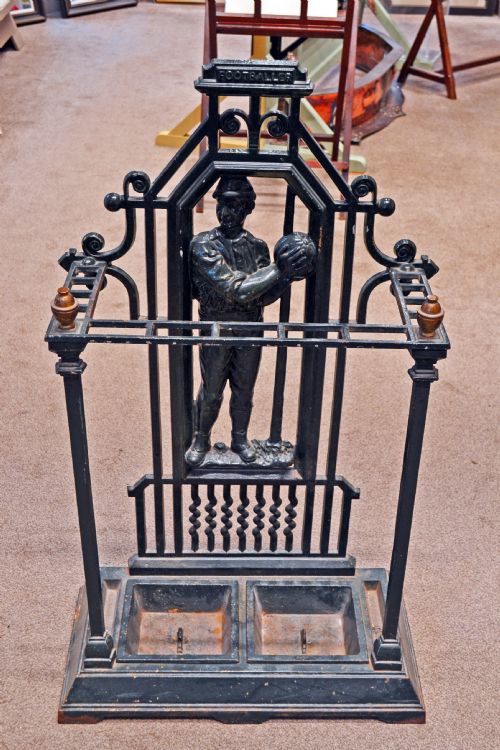
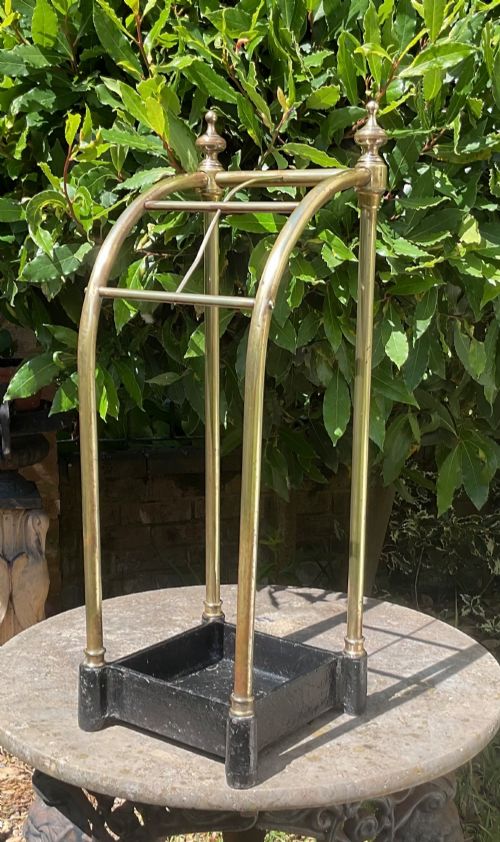
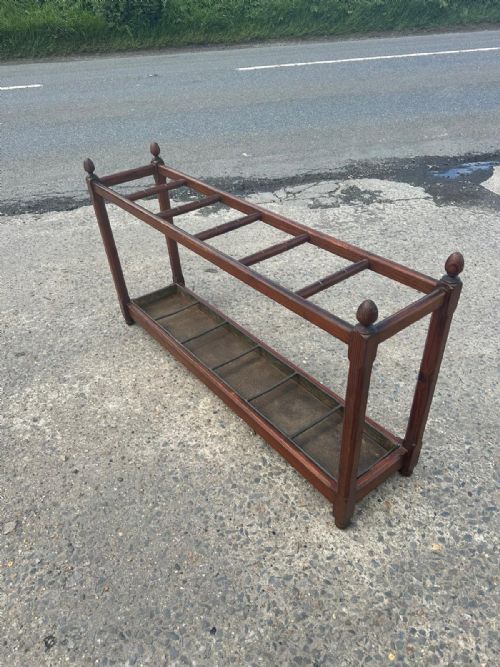
Buyers searching for an antique brolly stand are most likely to encounter Victorian and Edwardian examples made from cast iron or brass. These items appear alongside Arts and Crafts designs and pitch pine country house variants.
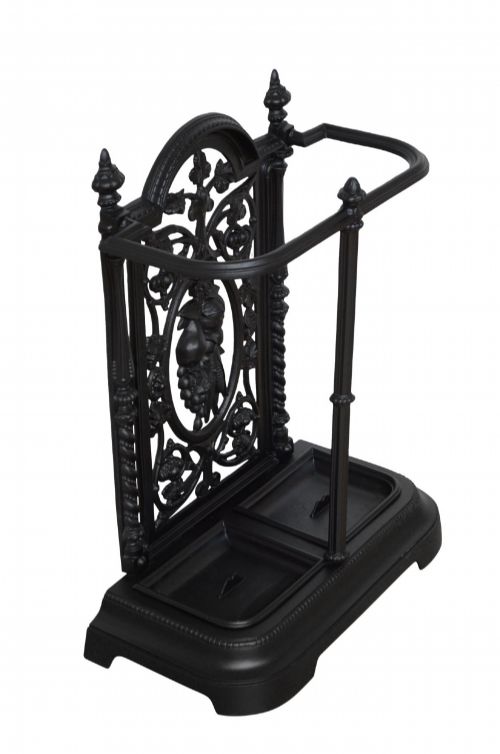
The forms vary from circular rings to portico shapes and umbrella-shaped novelty frames. Many incorporate drip trays or zinc liners to catch rainwater from the stored sticks.
How they were made
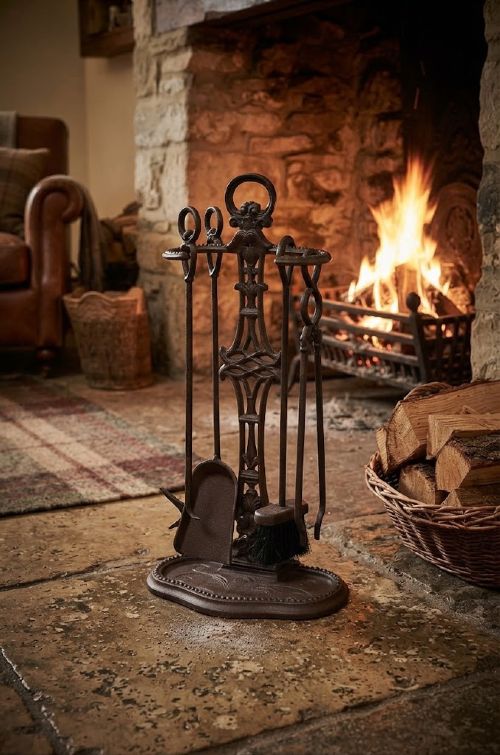
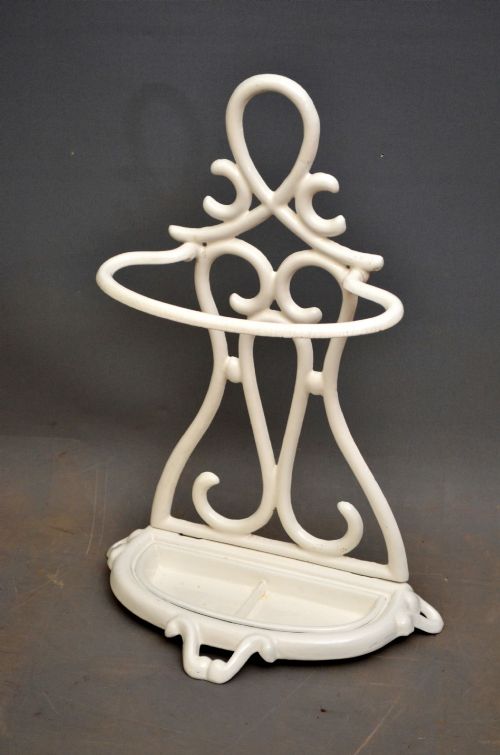
Cast iron examples rely on foundry moulding to create intricate openwork patterns, floral motifs, or figural designs. These heavy structures often feature painted finishes, white enamel interiors, or black coatings.
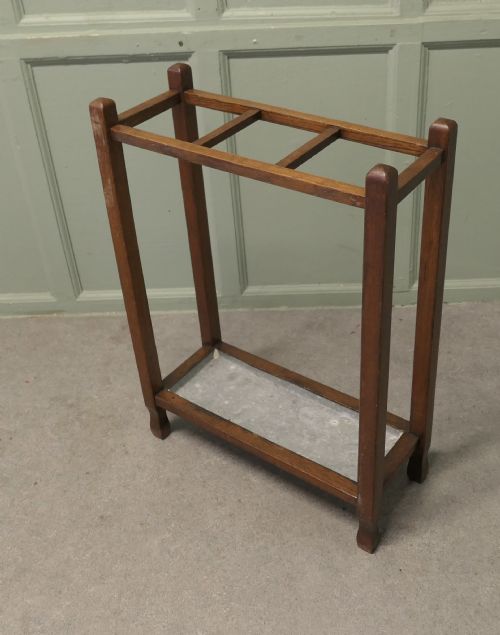
Brass versions utilise sheet metal, tubing, and cast components joined together to form polished frames and circular loops. Timber stands employ oak or pitch pine, constructed with traditional joinery to withstand daily hallway traffic.
Materials span cast iron, brass, iron, oak, zinc, enamel, pitch pine, and copper across the listed items.
What varies in quality
Quality in an antique brolly stand rests on the crispness of the casting and the structural integrity of the frame. Finer metalwork displays sharp detail in foliage or figures, whilst lesser examples show blurred edges from worn moulds.
The presence of original components, such as matching drip trays or zinc liners, elevates a piece considerably. Timber versions distinguish themselves through dense grain selection and solid joinery rather than veneered surfaces.
The Antique Brolly Stand Glossary
- Drip tray
- A shallow removable metal base placed beneath the stand to catch water from wet umbrellas. These trays protect hallway floors and prevent moisture damage to the frame.
- Portico stand
- A architectural style of hall stand featuring columns or arches framing the umbrella loops. This form borrows classical building designs for domestic hallway furniture.
- Cast iron
- An iron-carbon alloy poured into moulds to create rigid, heavy decorative objects. It forms the backbone of many heavy hall stands.
- Arts and Crafts
- A design movement favouring honest construction, simple forms, and visible handcraftsmanship. Pieces from this style avoid excessive industrial ornamentation.
Antique Brolly Stand: Frequently Asked Questions
How do I stop rust on a metal stand?
Keep the metal dry and ensure the inner drip tray is emptied regularly after wet weather.
Applying a light wax or protective coating helps preserve painted and unpainted iron surfaces over time.
Were these stands only used for umbrellas?
These furnishings were designed to hold both wet umbrellas and walking sticks or riding crops. Hallways in large houses required sturdy storage for all manner of walking aids.
Many listings reflect this dual purpose by naming them stick and umbrella stands interchangeably.
How do I date an iron brolly stand?
Dating relies on stylistic clues such as Victorian Gothic motifs, Art Nouveau plant tendrils, or Edwardian simplicity. Foundry marks and registration numbers cast into the metal also provide clues.
Heavier cast iron versions typically point towards the nineteenth century.
Where should I place a brolly stand?
Position the stand near the main entrance door for convenience upon entering the house. Ensure there is enough clearance around the frame for longer walking sticks and umbrellas.
Hard flooring underneath is ideal to catch any stray droplets that miss the tray.