



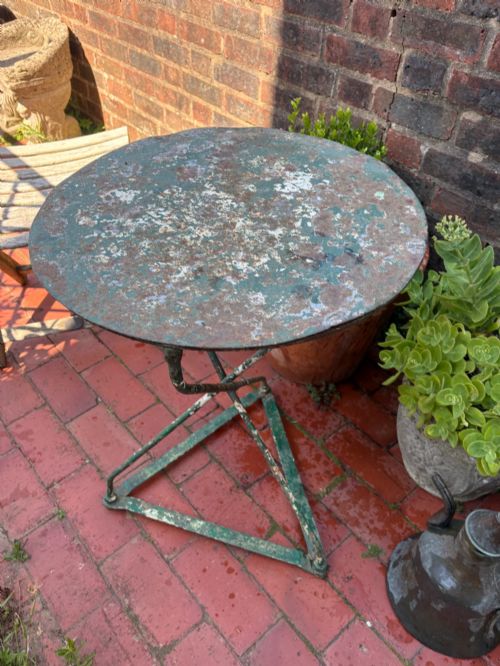


French Cast Iron Stand
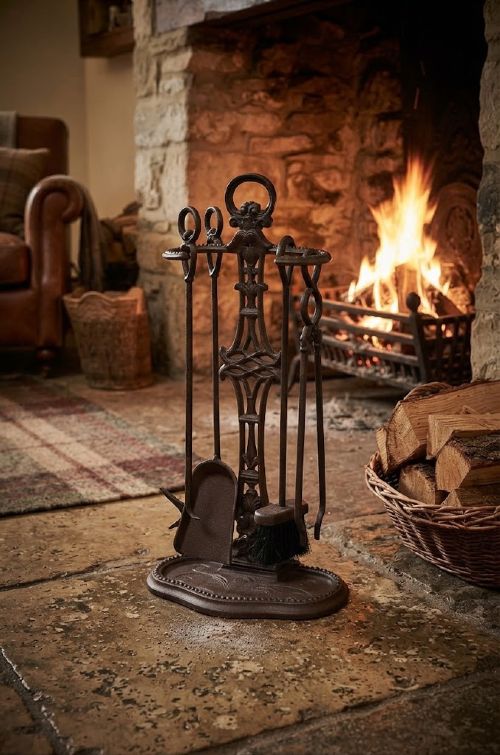
These heavy, durable pieces are french cast iron stand examples, prized for their robust utility and ornate hallway or garden presence.
French Cast Iron Stand
A french cast iron stand primarily takes the form of an umbrella stand, hall stand, plant stand, or garden table originating from the nineteenth and early twentieth centuries. These functional items served hallways, gardens, and shops, combining sturdy metalwork with decorative domestic purpose.
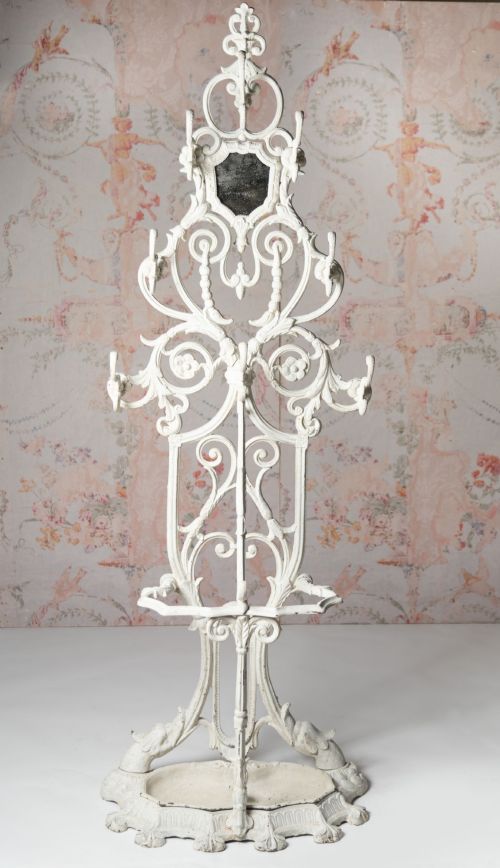
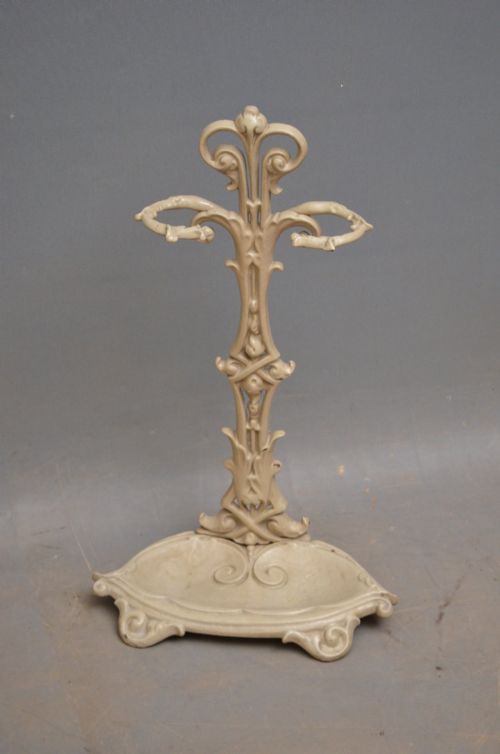
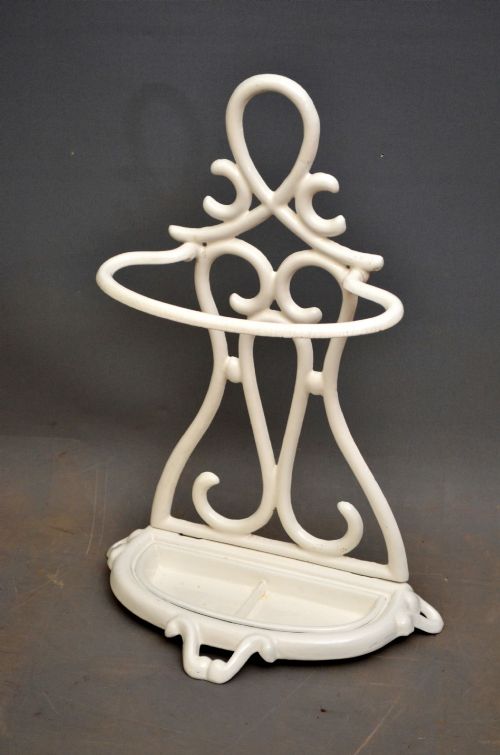
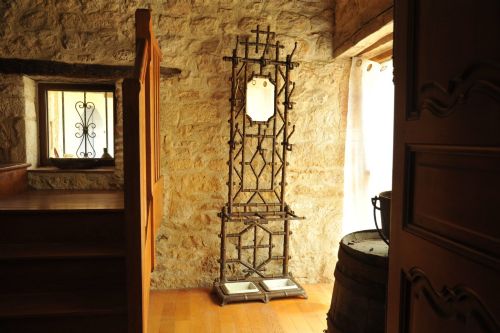
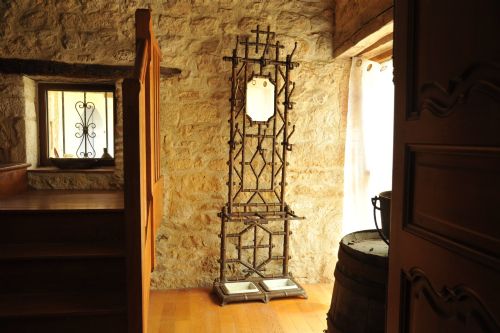
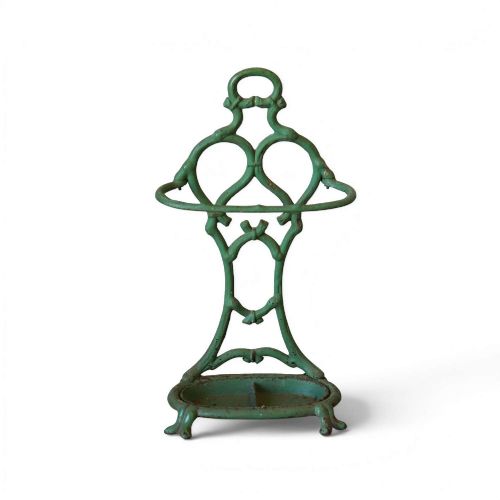
Umbrella and stick stands dominate the selection, frequently featuring moulded trays or sections designed to catch rainwater. Hall stands combine coat hooks, hat racks, and umbrella holders into single multi-functional hallway furnishings.
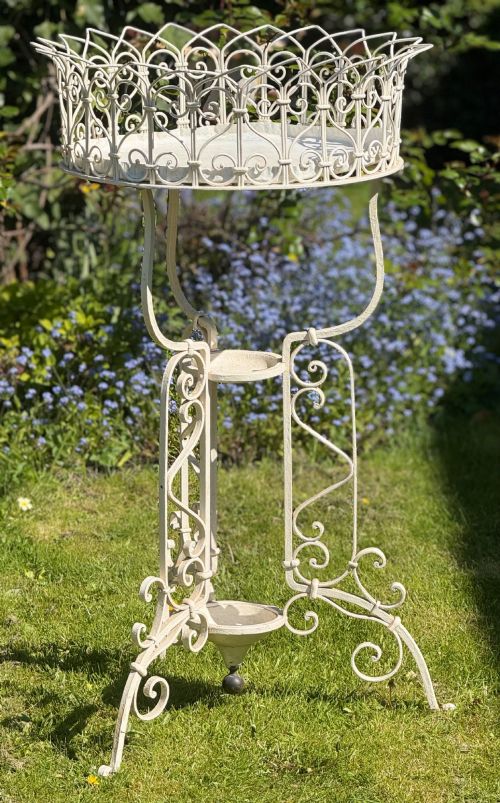
Plant stands and garden tables appear alongside these hallway pieces, bringing the same heavy metal construction to exterior and conservatory settings. The forms range from simple utilitarian frames to elaborate Rococo Revival and Art Nouveau designs.
How they were made
Foundries utilised sand casting techniques to pour molten iron into moulds, creating intricate patterns, openwork panels, and textured surfaces. This method allowed makers to produce repeating motifs such as faux bamboo, faux bois, and botanical elements like grapes.
Many items incorporate secondary materials such as brass, wood, glass, and enamel alongside the primary cast iron structure. Painted finishes in green or white often protect the metal and provide decorative surface detail.
Several stands feature integrated fox and grapes motifs, ensuring your wet umbrellas are guarded by thirsty woodland creatures.
What varies in quality
The crispness of the casting defines the visual quality, separating sharply detailed botanical or figurative motifs from softer, worn impressions. Foundries achieved greater depth and definition in their ornamentation through careful mould preparation and superior iron pouring.
Structural integrity depends on the retention of original drip trays, stable base sections, and undamaged structural joints. The presence of maker signatures or foundry marks adds documentary weight to individual pieces.
Corneau Freres Charleville·Stockman of Paris
The French Cast Iron Stand Glossary
- Cast iron
- A hard, brittle alloy of iron and carbon that is poured into moulds to create decorative and structural objects. It provides the heavy, durable foundation for these stands and tables.
- Faux bamboo
- A decorative treatment mimicking the segmented joints and textures of natural bamboo. Makers applied this style to iron frames during the late nineteenth century.
- Jardiniere
- An ornamental pot or stand designed to hold plants or flowers. These items appear in both cast and wrought iron for interior and garden use.
- Gueridon
- A small French round table supported by a central pillar or legs. Examples in this category utilise heavy iron bases with wooden or metal tops.
- Hall stand
- A multi-functional piece of hallway furniture combining coat hooks, hat storage, and umbrella holders. They organise outerwear in entrance spaces.
French Cast Iron Stand: Frequently Asked Questions
How do I clean a cast iron stand?
Dust the surface regularly with a dry cloth to prevent dirt accumulation within the textured recesses. Avoid harsh chemical cleaners that might strip the original paint or protective finishes.
For stubborn grime, use a soft brush with mild soapy water, ensuring the metal dries completely to prevent surface oxidation.
Can these stands be used outdoors?
Many plant stands, garden tables, and certain umbrella holders were originally manufactured for exterior or conservatory use. Cast iron withstands outdoor placement well when protected with suitable paint.
Exposed placement in damp weather requires monitoring for rust, particularly on pieces featuring delicate wirework or painted iron finishes.
How do I identify Art Nouveau examples?
Art Nouveau stands exhibit characteristic whiplash curves, stylised floral motifs, and asymmetrical plant-inspired forms. These designs typically date from around nineteen hundred.
Such pieces contrast with the stricter symmetry found in earlier Victorian or Rococo Revival hall stands.
Are drip trays usually original?
Many umbrella and stick stands retain their original removable metal or zinc drip trays at the base. These trays catch water from wet walking sticks and umbrellas.
Replacements do occur due to corrosion over decades of daily hallway use, so checking for period match is standard practice.