


Art Nouveau Umbrella Holder
An art nouveau umbrella holder brings the flowing, organic lines of the turn of the century directly into the hallway.
Art Nouveau Umbrella Holder
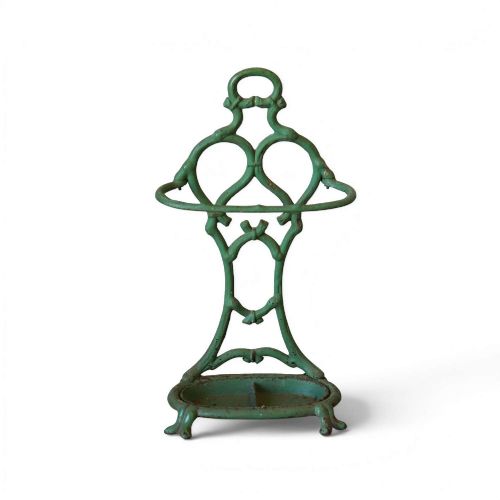
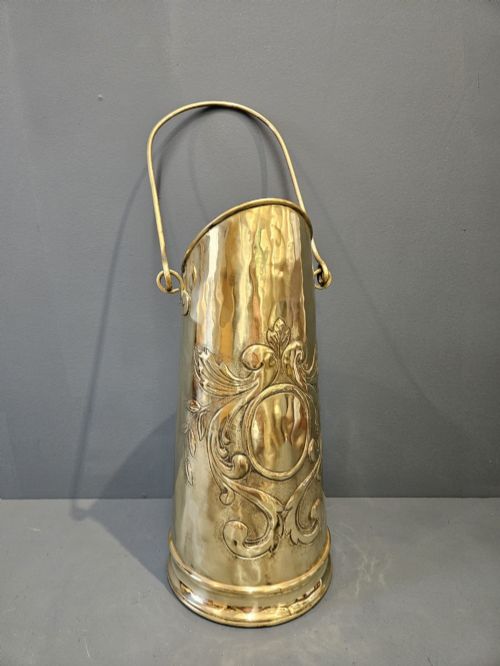
An art nouveau umbrella holder is a functional hallway furnishing designed to store wet walking sticks and umbrellas while embodying the characteristic decorative style of the period around nineteen hundred. These pieces take the form of dedicated umbrella stands, stick stands, and hall stands that incorporate the sinuous, nature-inspired motifs typical of the aesthetic movement.
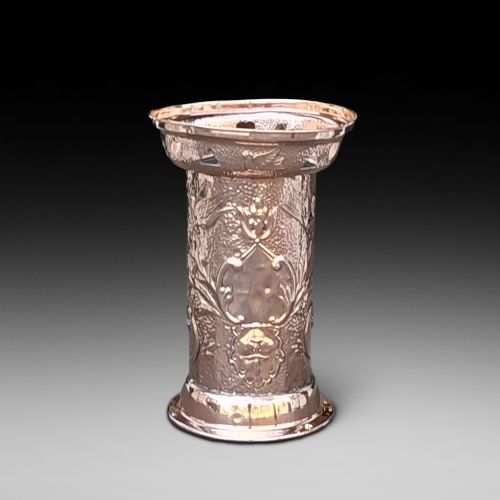
Buyers browsing this selection will most frequently encounter sturdy metal examples rendered in cast iron, brass, or copper, often hailing from French workshops or dating to the nineteen hundreds. Alongside these metalwork pieces, earthenware versions and oak designs influenced by the Arts and Crafts movement appear with regularity in the listings.
How they were made
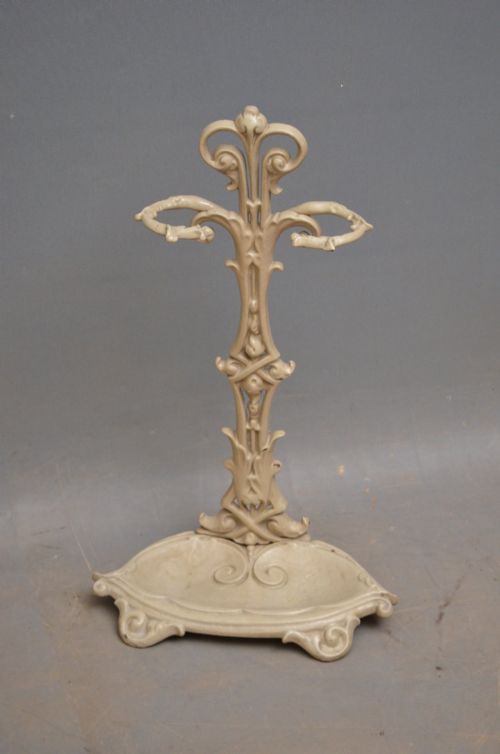
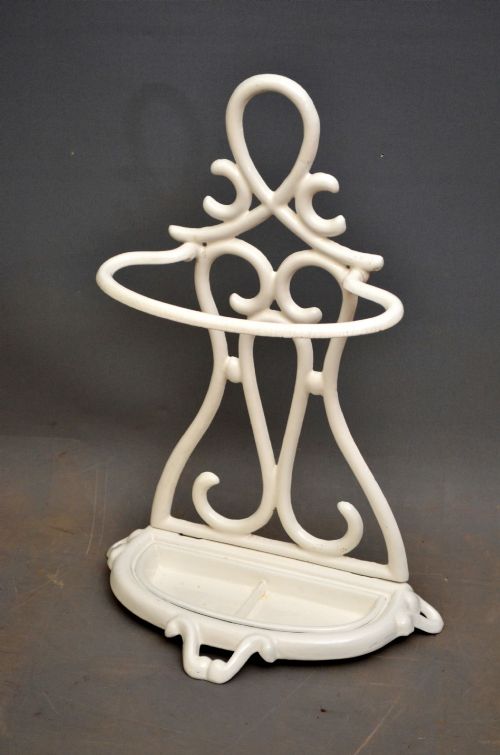
Foundries manufactured the metal versions by casting iron, brass, or copper into moulds that captured the asymmetric plant tendrils, whiplash curves, and botanical forms central to the style. Some cast iron variants received a white enamel finish or a faux bois bamboo design to mimic organic textures.
Potteries produced ceramic and faience examples by shaping clay and applying glazes, while cabinetmakers constructed wooden versions using oak. These diverse materials were often combined with brass fixtures to create durable hall accessories.
Some cast iron stands disguise themselves as bamboo stalks, proving that Victorian ironfounders possessed a whimsical sense of humour.
What varies in quality
Quality in these pieces rests upon the crispness of the casting and the execution of the decorative details, whether in the relief work of a metal stand or the glaze of an earthenware vessel. Finer examples display deliberate artistic intent in their organic lines rather than hurried, formulaic stamping.
The choice and combination of materials also differentiate the range, as pieces that integrate oak, brass, and glazed ceramic showcase more complex construction than simpler single-material items.
Burmantofts
The Art Nouveau Umbrella Holder Glossary
- Faience
- Tin-glazed earthenware decorated with opaque colours over a white glaze. This technique allowed potteries to achieve rich surface finishes on stick stands.
- Faux bois
- Imitation of wood grain applied to another material such as cast iron. This finish allowed metal umbrella holders to mimic the appearance of natural bamboo.
- Demi-lune
- Half-moon shape used in the design of wall-mounted or space-saving hallway furniture. This profile allows stick loops and stands to fit closely against a wall.
- Enamel
- Glassy substance fused to metal through firing to provide a smooth, protective coating. White enamel finishes were sometimes applied to the interior or exterior of cast iron stands.
Art Nouveau Umbrella Holder: Frequently Asked Questions
What materials were used for these?
Makers utilised a variety of durable materials suited to handling damp umbrellas, most commonly cast iron, brass, and copper.
Other examples incorporate glazed earthenware, faience, and oak, frequently paired with metal drip pans to protect the flooring.
How do I date a piece?
Dating relies on identifying the characteristic design motifs of the period around nineteen hundred, alongside the manufacturing methods visible in the metal or ceramic.
Victorian and Arts and Crafts influences often overlap with these dates, while specific finishes like faux bois point to turn-of-the-century French production.
Where were they placed?
These holders stood in entrance halls and vestibules where household members and guests could readily deposit wet umbrellas and walking sticks upon entering.
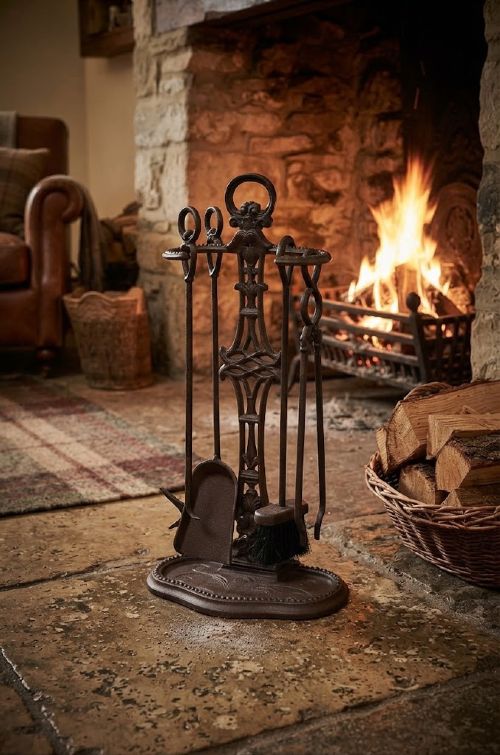
Many double as hall stands or fire tool holders, serving multiple organisational purposes near the front door or fireplace.
How do I maintain the metalwork?
Metal stands require gentle dusting and occasional cleaning appropriate to the specific alloy, whether cast iron, brass, or copper.
Enamelled surfaces and glazed ceramics simply need a soft, damp cloth to remove accumulated dust without harming the finish.