



Art Nouveau Stick Stand
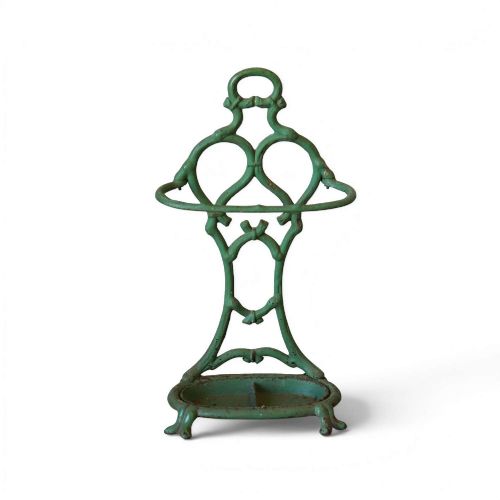
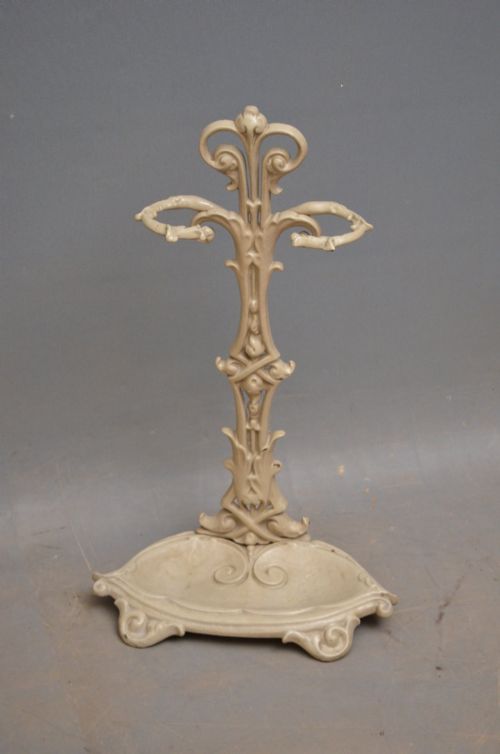
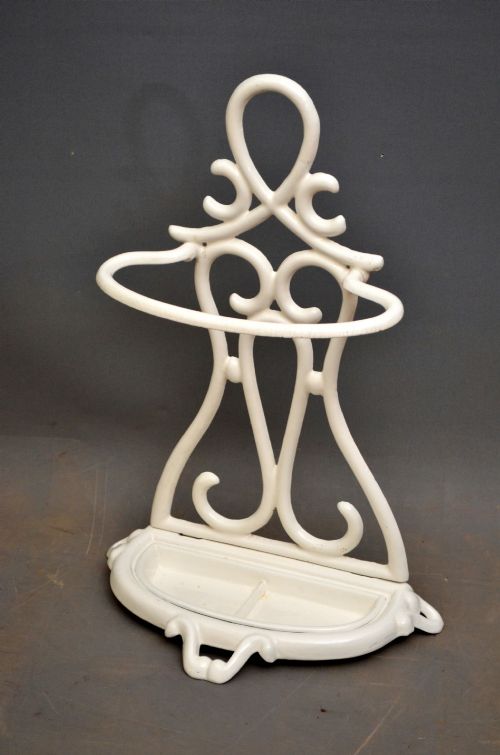
An art nouveau stick stand brings flowing organic lines to the hallway, offering a practical place for walking canes and umbrellas.
Art Nouveau Stick Stand
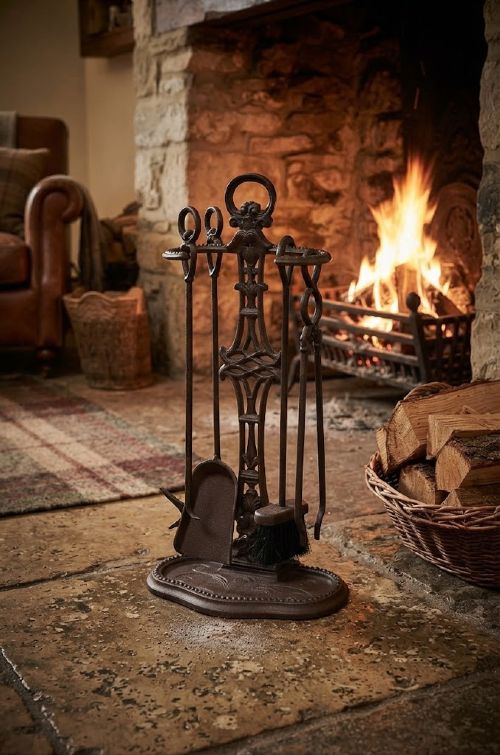
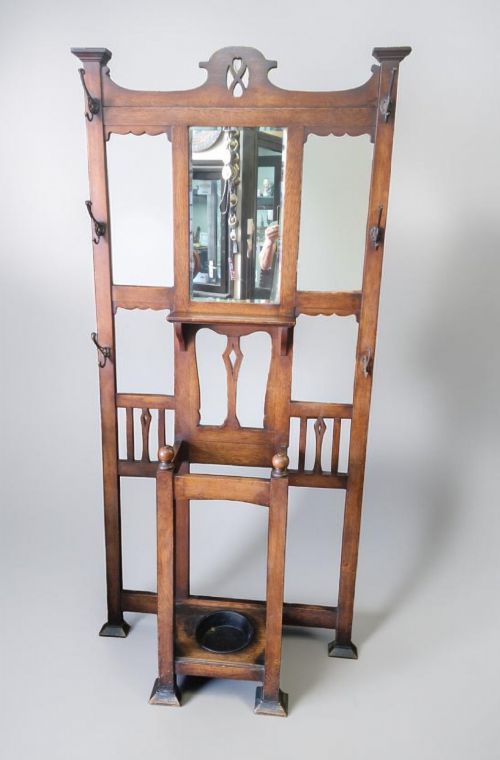
An art nouveau stick stand is a hallway furnishing designed to hold umbrellas, walking sticks, and canes. These pieces appear in forms ranging from umbrella stands to combination umbrella and stick stands, alongside specific variations like fire iron stands and umbrella urns.
The selections encountered here span the Victorian era into the early twentieth century, with examples dating from around eighteen eighty up to nineteen thirty. French origins appear frequently among the surviving pieces, alongside British and domestic items.
The dominant aesthetic uses the sweeping, sinuous curves characteristic of the turn of the twentieth century. Forms take shape in both compact hallway racks and larger standalone vessels designed to anchor an entrance space.
Materials and construction
Makers utilised a diverse array of metals and ceramics to build these hallway pieces. Cast iron forms the backbone of many durable examples, often paired with white enamel finishes, brass components, gilt highlights, or steel structures.
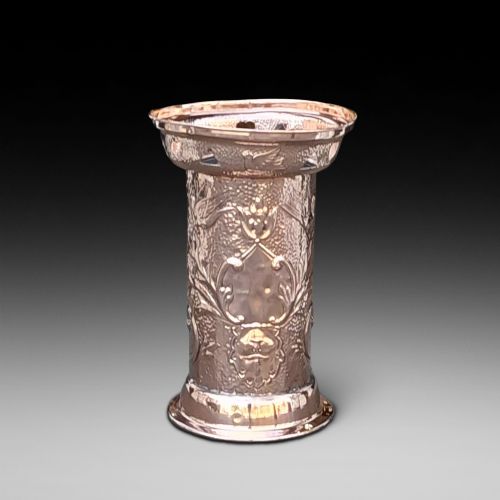
Copper and bronze also feature prominently, with artisans working the metal through beating and embossing techniques. Ceramic and glazed earthenware constructions, including majolica and specific pottery bodies, provide alternative sculptural forms for the hall.
Woodworking traditions contribute walnut, oak, and mahogany variants to the group. Wrought iron appears alongside cast elements, creating varied structural frameworks to withstand daily household use.
Art Nouveau Stick Stand Retail Price Guide 2026
Typical asking prices for art nouveau stick stand among the pieces listed under this phrase on Sellingantiques today, from the lower quarter to the upper quarter. They describe what is for sale here now, not the wider market.
Listings demonstrate that cast iron and copper are the most prevalent metals used in these hallway stands.
Distinctions in quality
Quality rests in the crispness of the metal casting or the depth of the hand-beaten copper relief. Pieces featuring sculptural motifs, such as swans or integrated drip pans, show higher ambition in design.
The choice of secondary materials, from solid brass fittings to high-grade ceramic glazes, separates standard utilitarian wares from more decorative examples. Finer execution is evident in how cleanly the organic plant and flower motifs integrate into the structural frame.
Bretby·Mintons
The Art Nouveau Stick Stand Glossary
- Art Nouveau
- A design style characterised by flowing, organic lines, asymmetrical plant motifs, and whipped curves that dominated the turn of the twentieth century. It moved away from historical revivalism towards nature-inspired forms.
- Majolica
- A type of earthenware coated with an opaque tin-lead glaze and painted with metallic oxides. It allowed makers to achieve vibrant, glossy colours on ceramic stick stands.
- Embossed
- A metalworking technique where a design is raised from the surface by hammering from the reverse side. This created tactile, three-dimensional decorative panels on copper urns.
- Drip tray
- A shallow metal or ceramic base situated beneath the rack to catch rainwater from wet umbrellas. It protects the hallway floor from moisture damage.
- Wrought iron
- Iron that has been heated and shaped by hand with tools by a blacksmith. This material allowed for fluid, linear scrolls distinct from rigid cast elements.
Art Nouveau Stick Stand: Frequently Asked Questions
Can these stands hold wet umbrellas?
Most original stands include a base or integrated tray designed to catch water runoff. Ensure the inner tray is emptied and dried periodically to prevent rust or stagnation.
Using a modern saucer or liner inside the base offers extra protection for vulnerable floor surfaces. Check that antique iron or steel components remain dry after heavy rain exposure.
Where should I place a hallway rack?
Position the stand near the primary entrance door for easy access upon entering the home. Allow sufficient clearance around the piece to accommodate long walking sticks and large umbrellas.
Keep wooden and iron stands away from direct heat sources to prevent warping or finish degradation. Stable floor placement ensures the heavy cast body supports tall, weighted items safely.
How do I date an iron stand?
Examine the casting quality, surface texture, and stylistic cues like symmetrical Victorian elements versus flowing art nouveau plant forms. Maker marks, registration numbers, or stamps on the base often provide specific production years.
Compare the construction fasteners, such as slotted screws or rivets, against period manufacturing standards. Enamel finishes and gilt highlights can also indicate whether a piece originates from the nineteenth or early twentieth century.