







Copper Stick Stand
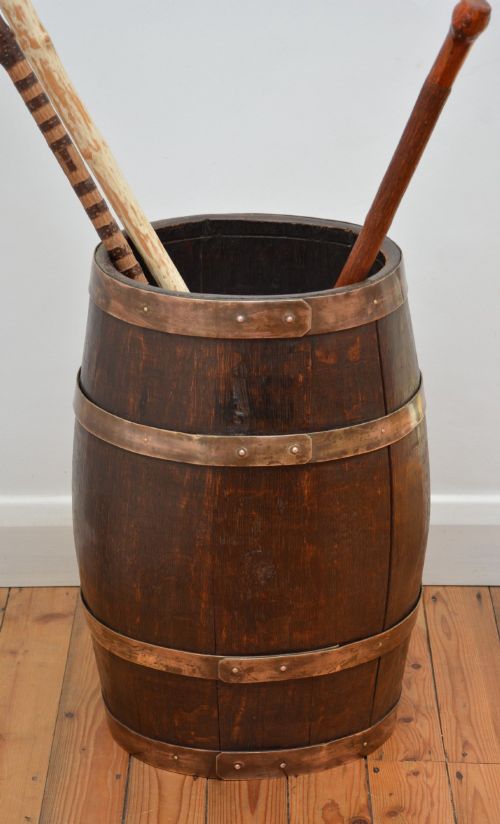
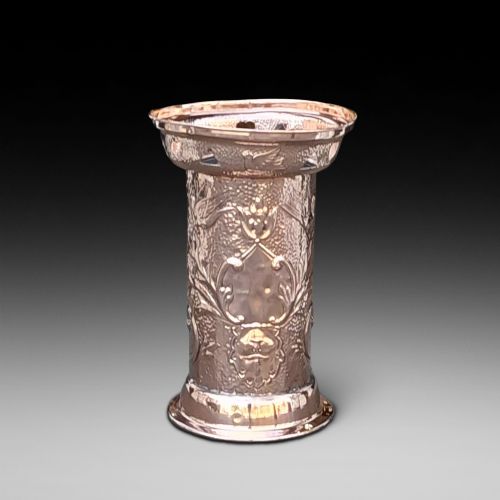
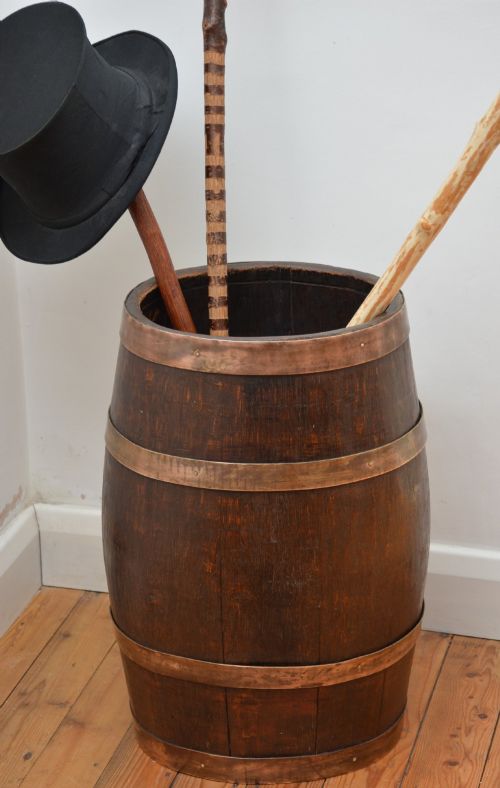
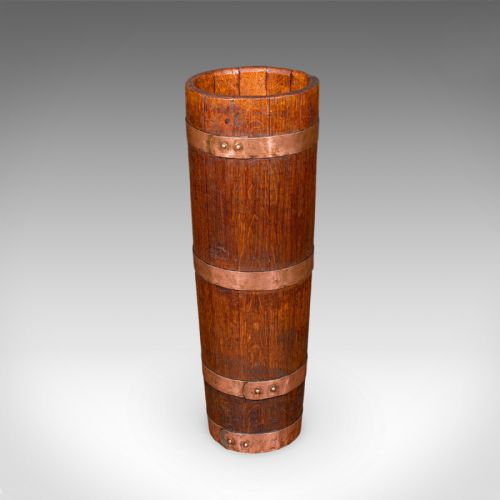
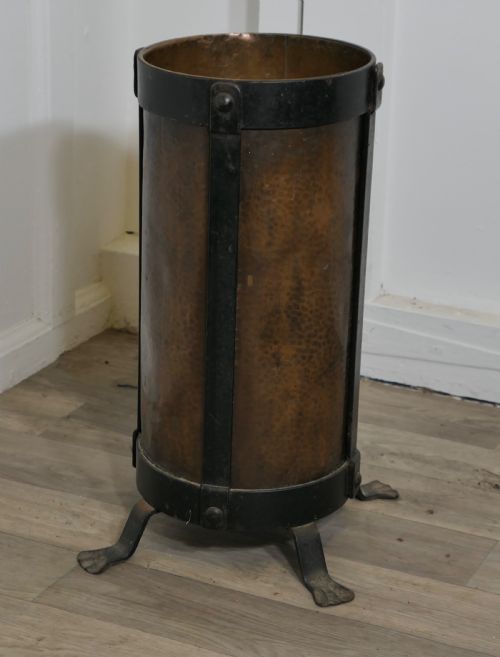
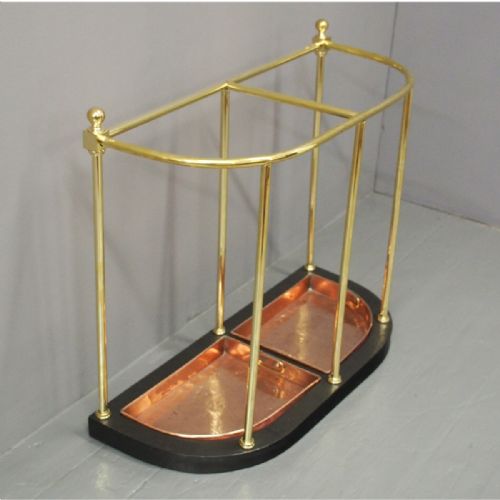
These heavy copper stick stand examples bring utilitarian warmth to hallways through beaten metal and coopered timber.
Copper Stick Stand
A copper stick stand provides a designated vessel for walking sticks, umbrellas and canes in a hallway or entrance. The forms range from cylindrical barrels to tall urns and rectangular umbrella stands.
Most pieces seen here belong to the Victorian and Arts and Crafts periods, alongside Edwardian and early twentieth century examples. Oak and iron frequently combine with the copper bodies.
Makers utilised timber cooperage techniques or sheet metal construction to build these hall accessories. Some items double as water barrels or log bins.
How they were made
Makers combined sheet copper with iron bindings, brass accents and oak barrels. Rivets, hammered surfaces and planished finishes define the metalwork.
Coopered oak construction involves narrow timber staves bound by metal hoops. Iron and cast iron provide sturdy bases and internal frames for the softer copper bodies.
Copper Stick Stand Retail Price Guide 2026
Typical asking prices for copper stick stand among the pieces listed under this phrase on Sellingantiques today, from the lower quarter to the upper quarter. They describe what is for sale here now, not the wider market.
Certain tall copper cylinders started life as fire pumps before finding a second career holding walking sticks.
What varies in quality
The distinction between standard utility items and finer examples rests on the depth of hand-hammering and the integration of structural ironwork. Heavy gauge metal and original removable drip trays separate better pieces from simpler ones.
Embossed decoration and organic Art Nouveau motifs show greater artisan skill than plain cylindrical tubes. The joinery on coopered oak barrels indicates the workshop standard.
Liberty and Co·Shapland and Petter
The Copper Stick Stand Glossary
- Planished
- A metalworking technique involving light hammering with a flat-faced tool to smooth the surface and create a faceted texture. This finish is typical on Arts and Crafts pieces.
- Coopered
- Constructed from wooden staves bound together by metal hoops, similar to barrel-making. Oak is the primary wood seen in these cylindrical hall pieces.
- Embossed
- Raised ornamentation pressed or hammered into the reverse side of sheet metal to form a design in relief. Floral and abstract motifs often appear in this manner.
- Drip tray
- A removable metal basin positioned at the base to catch rainwater from wet umbrellas. Original trays remain significant for utility and completeness.
Copper Stick Stand: Frequently Asked Questions
How do I clean a copper stick stand?
Wash the metal gently with warm soapy water and a soft cloth to remove surface dirt. Avoid abrasive cleaners that strip the historic patina.
Dry the surface thoroughly with a microfiber cloth. Leaving natural oxidation intact preserves the appearance of older copper.
Are these stands waterproof?
Many copper and brass stands hold moisture well, especially those with solid metal bases or internal trays. Timber barrels with metal linings also contain wet umbrellas.
Check for internal drip trays or liners before placing wet items inside. Older wooden coopered bodies benefit from protective inserts.
What is the difference between Victorian and Arts and Crafts styles?
Victorian examples often incorporate cast iron frames, brass details and heavier ornamentation. They reflect industrial production methods alongside traditional craftsmanship.
Arts and Crafts pieces emphasise hand-beaten copper, exposed rivets and simple oak structures. The focus shifts towards visible artisan labour and natural materials.
Where should I place a stick stand?
Position the stand near the primary entrance or hallway to catch coats, umbrellas and walking sticks. Tall urns and barrels suit corners and narrow wall spaces.
Ensure adequate clearance around the piece for daily access. Pairing the stand with a nearby oak hall piece creates a cohesive entryway.