

Victorian Gothic Lighting
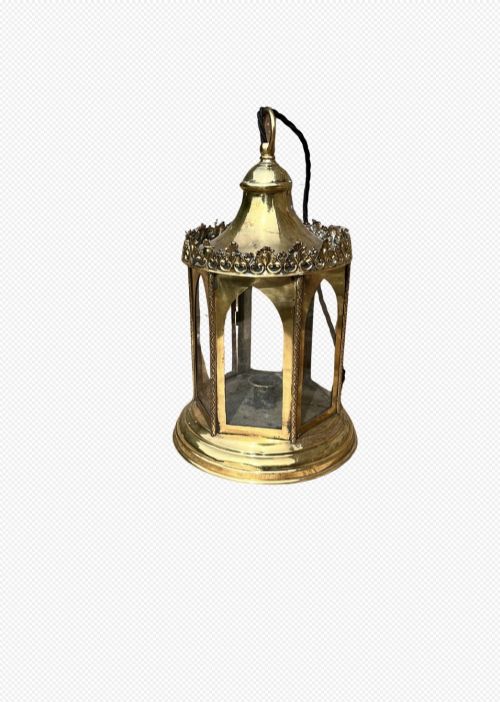
Victorian gothic lighting brings heavy ecclesiastical presence and dramatic architecture into domestic interiors through works of brass, iron and stained glass.
Victorian Gothic Lighting
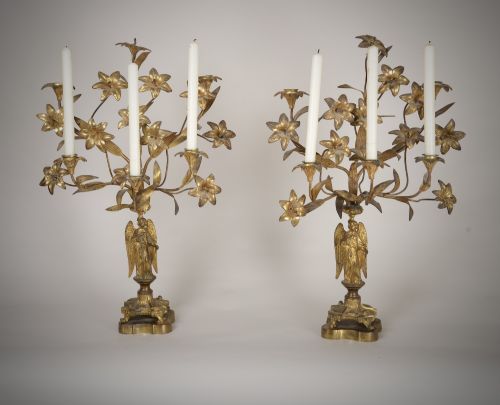
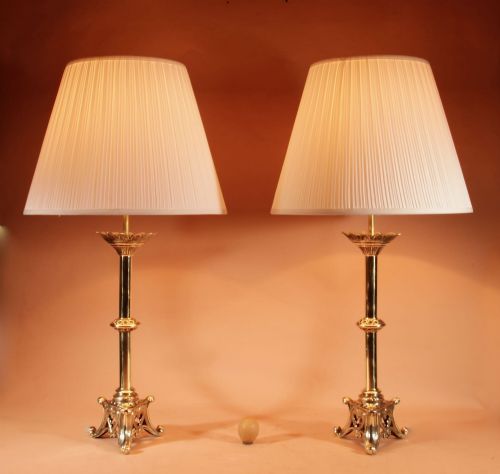
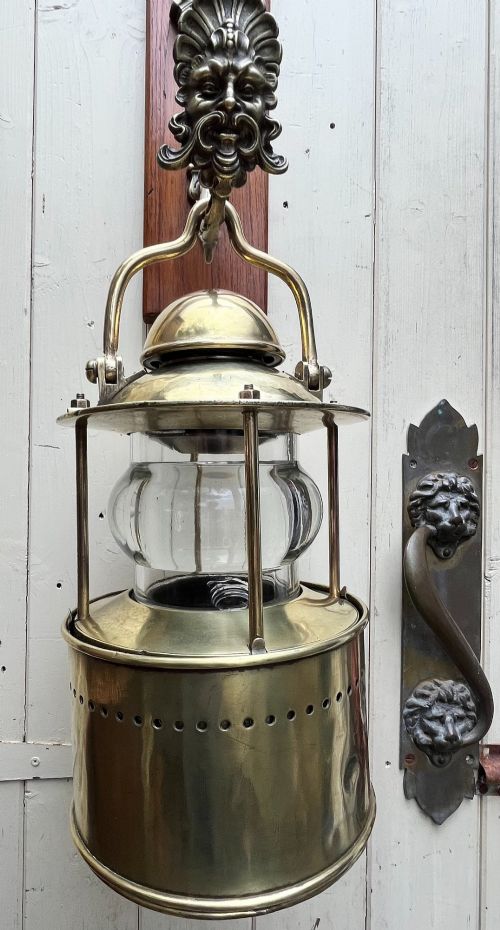
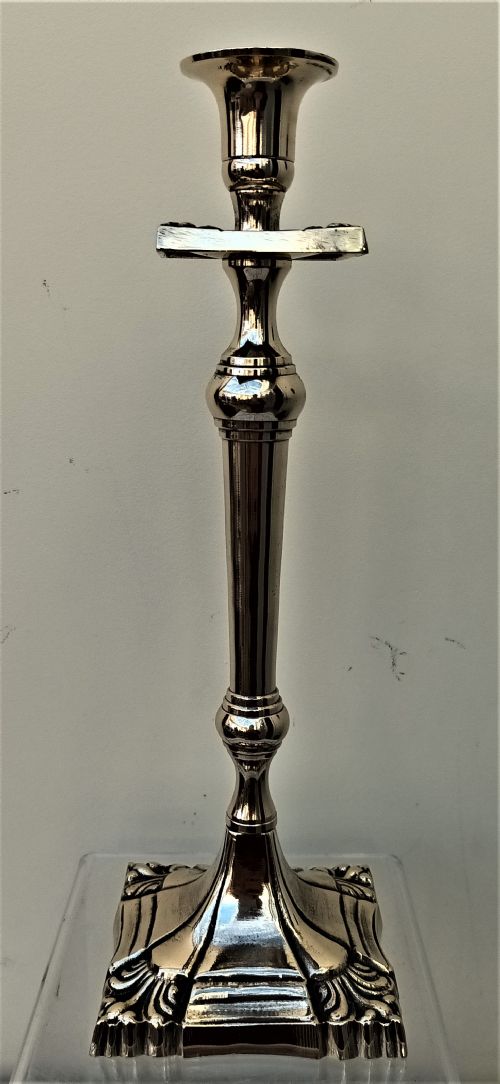
Victorian gothic lighting centres upon heavy church metalwork and domestic fittings shaped by revival movements of the nineteenth century. Buyers searching this phrase meet an array of ecclesiastical candlesticks, prickets, and multi-branched candelabra alongside suspended hall lanterns.
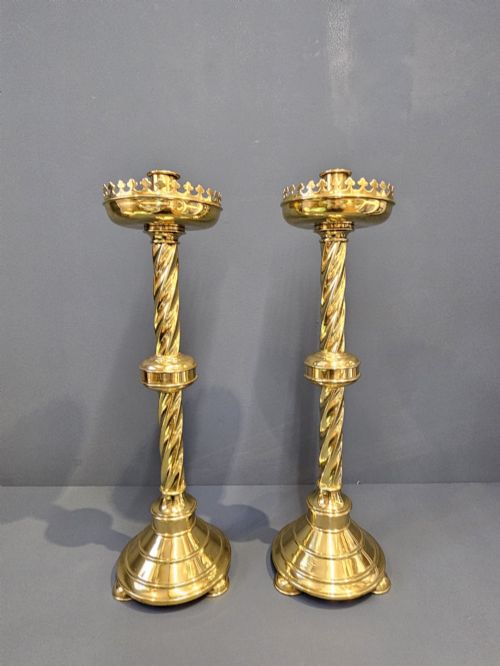
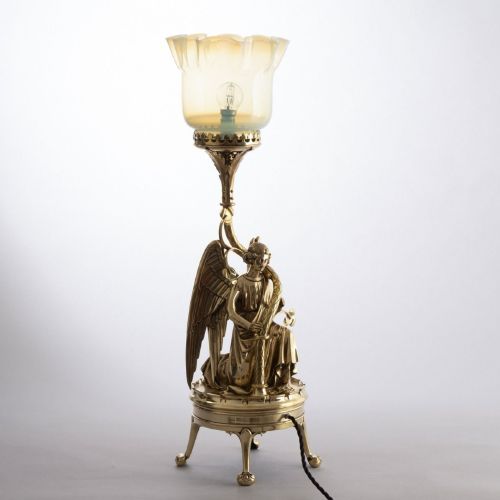
The selection ranges from tall brass church altar pieces to domestic table lamps and gasoliers. These lighting fixtures draw upon medieval architectural motifs, translating stone pointed arches and tracery into metal and glass.
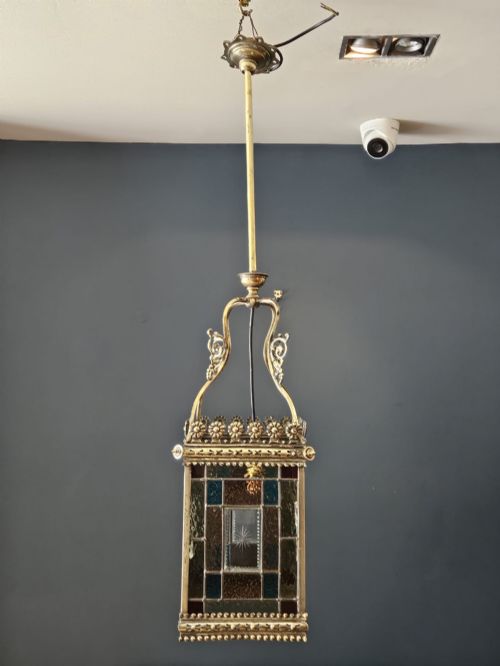
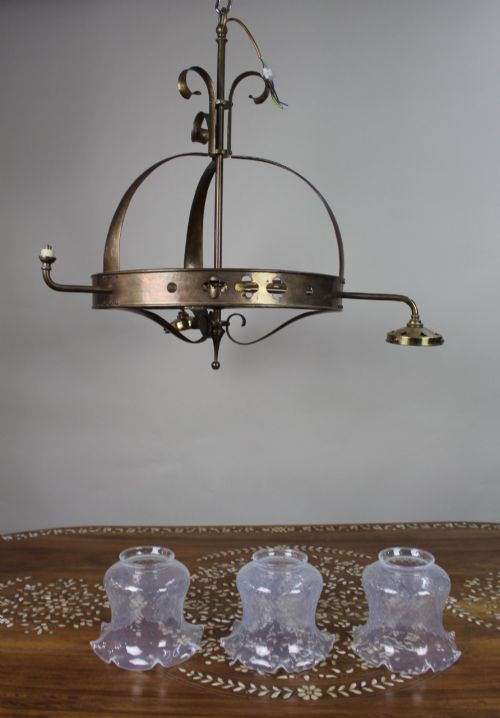
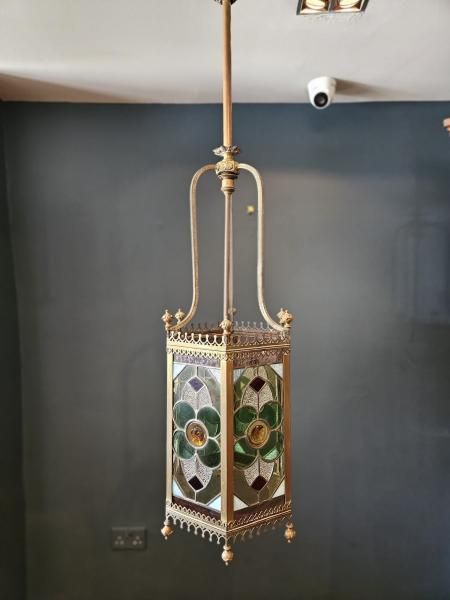
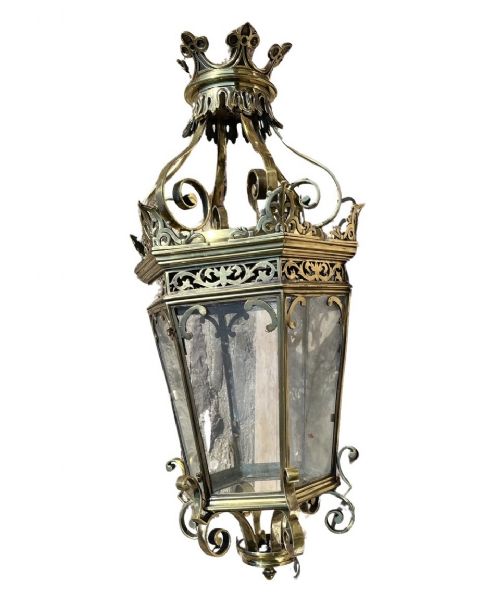
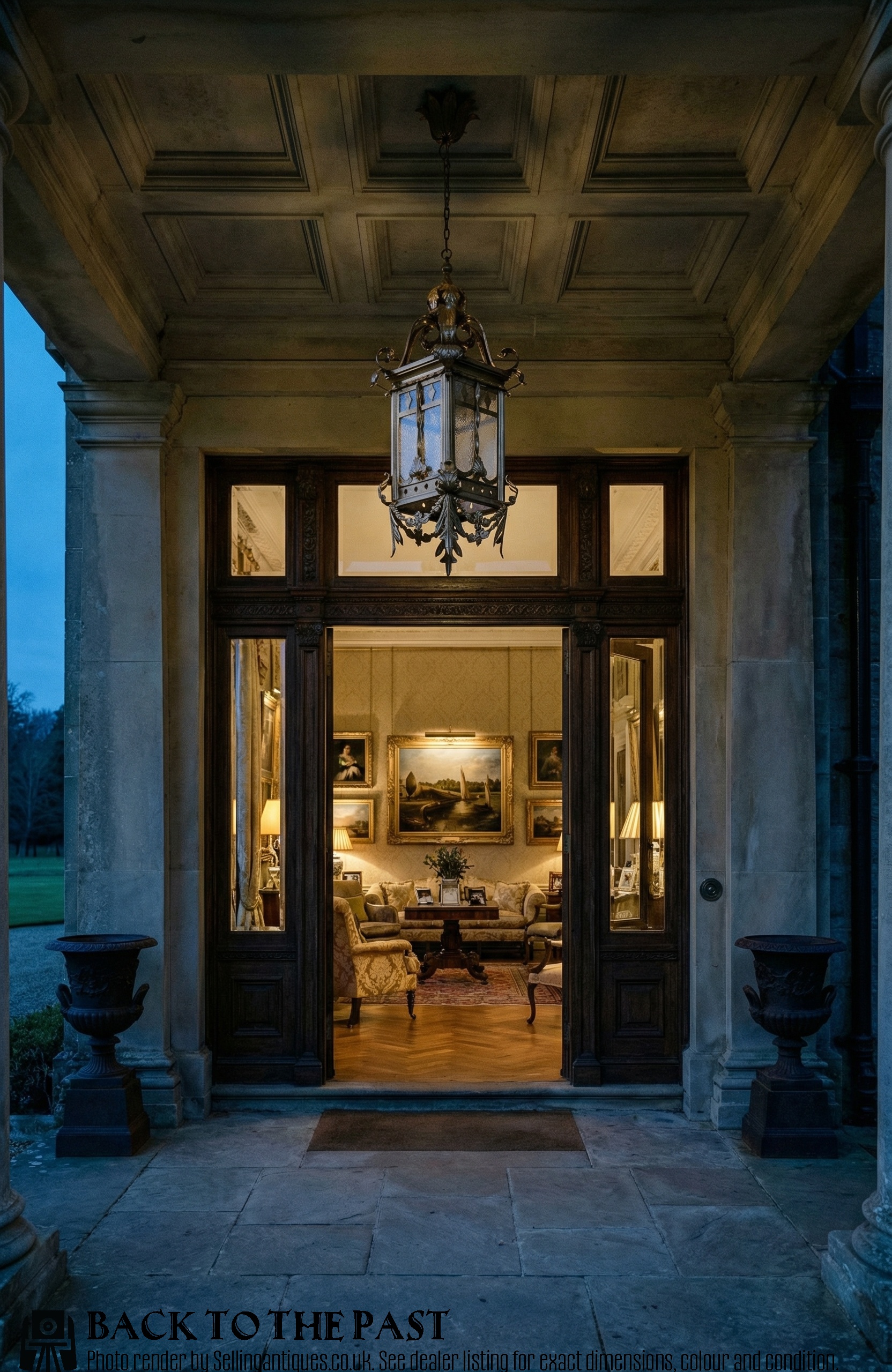
Suspended hall lanterns utilise leaded and stained glass panels held within brass frames to cast patterned illumination. Floor lamps and wall sconces complete the domestic repertoire, often utilising wrought iron or cast bronze.
Materials and Construction
Brass and bronze form the structural backbone of these pieces, shaped through heavy casting and fine turning. Makers utilised wrought iron for robust stands and ceiling mounts, ensuring structural integrity for heavy lanterns.
Glasswork defines the optical character, incorporating vaseline glass, opalescent shades, and leaded coloured panels. Metal components frequently received ecclesiastical finishes, while gasoliers incorporated complex brass tubing for fuel delivery.
Some heavy church prickets still bear the ancient wax drips of nineteenth-century Sunday services.
Judging Quality and Execution
Quality rests in the crispness of the cast ornamentation and the weight of the metal utilised. Superior examples display sharply defined gothic tracery and substantial gauge brass rather than thin, pressed sheet metal.
The integration of glass components marks the distinction between standard utilitarian items and finer commissions. Hand-soldered leaded glass panels and unblemished opalescent or vaseline shades elevate the overall merit of the lighting fixture.
Wm. Tonks & Sons
The Victorian Gothic Lighting Glossary
- Pricket candlestick
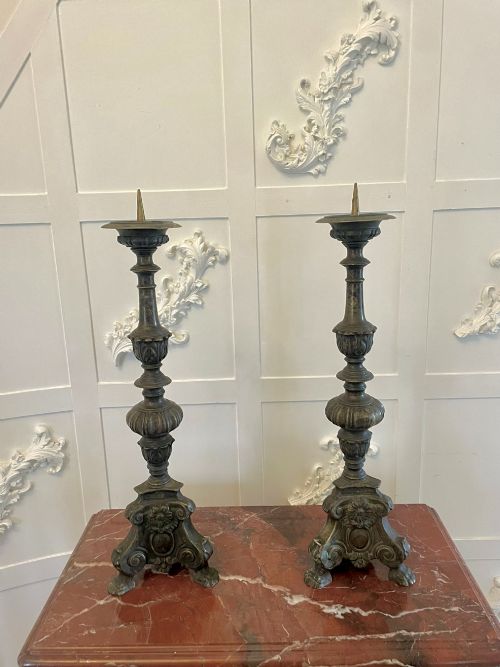
- A heavy altar candlestick featuring a sharp metal spike at the summit to secure a large wax taper directly. These pieces originate predominantly from ecclesiastical settings.
- Gasolier
- A multi-branched ceiling light or chandelier designed specifically to burn coal gas during the Victorian period. Many surviving examples later undergo conversion to electricity.
- Vaseline glass
- A type of glass containing uranium dioxide, which yields a distinctive yellow-green colour and glows brightly under ultraviolet light. It appears frequently in late Victorian lighting shades.
- Candelabra
- A branched lighting fixture designed to hold multiple candles simultaneously. These pieces often feature articulated arms for adjustable illumination.
Victorian Gothic Lighting: Frequently Asked Questions
What is Victorian gothic lighting?
These pieces comprise nineteenth-century lighting fixtures inspired by medieval architecture and church design. They include brass candlesticks, hanging lanterns, and wall sconces.
Craftsmen drew upon architectural elements like pointed arches and quatrefoils. The aesthetic merges heavy industrial metalwork with ornate ecclesiastical detailing.
Can antique gasoliers take electricity?
Many surviving gasoliers undergo careful rewiring to accept modern electrical bulbs while retaining their original brass gas keys and tubing. This conversion allows period fixtures to function safely in contemporary homes.
Specialist electricians adapt the internal channels to run modern wiring discreetly. The exterior appearance remains unchanged, preserving the historical character of the fitting.
How do I date these pieces?
Dating relies upon material composition, manufacturing techniques, and stylistic shifts between the eighteen-fifties and the early twentieth century. Earlier pieces often exhibit heavy ecclesiastical casting, whilst later variants incorporate art and crafts influences.
Patent marks, screw threads, and the integration of gas versus electrical components provide further chronological clues. Examining the construction of glass shades and metal joints confirms the era of production.