

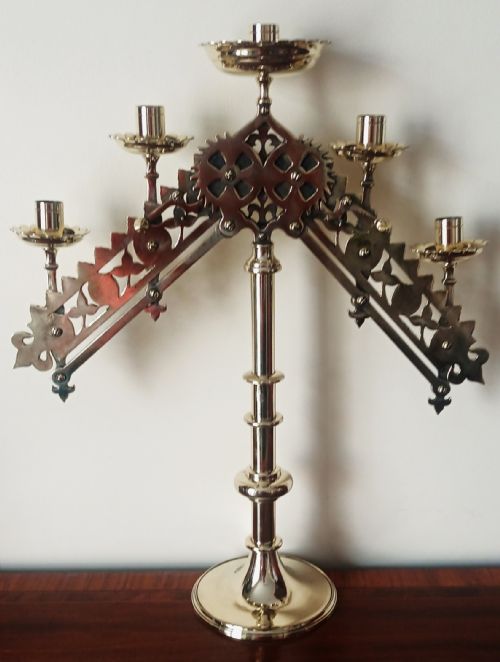


Victorian Gothic Altar
These pieces for a victorian gothic altar bring ecclesiastical scale and heavy metalwork into domestic spaces through nineteenth-century oak and brass.
Victorian Gothic Altar
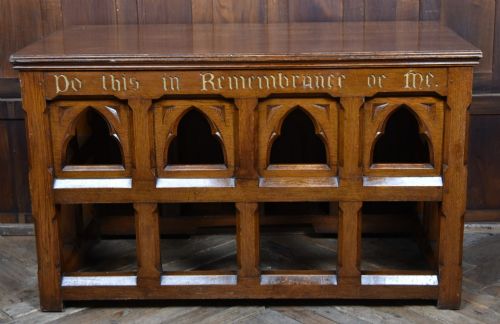
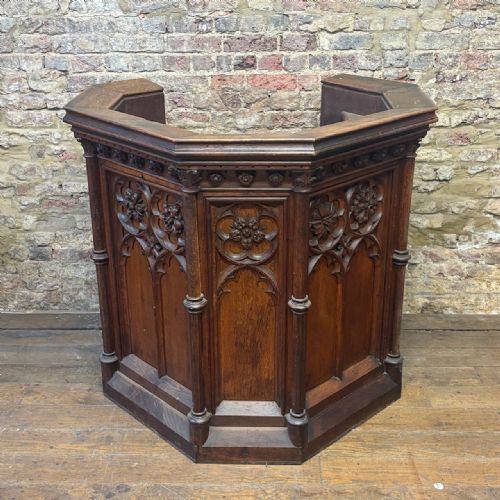
A victorian gothic altar brings together liturgical furnishings and chapel tables shaped by nineteenth-century revival styles. These objects span sturdy oak altar tables, heavy brass candlesticks, and carved pulpits.
Most pieces seen here originate from the Victorian period and subsequent decades into the early twentieth century. Buyers encounter solid oak church furniture alongside substantial ecclesiastical metalwork.
Forms range from large altar tables and church side tables to tall pricket candlesticks, candelabra, and lecterns. Oak and pine provide the wooden structure, while brass and bronze dominate the metal pieces.
Evaluating the range
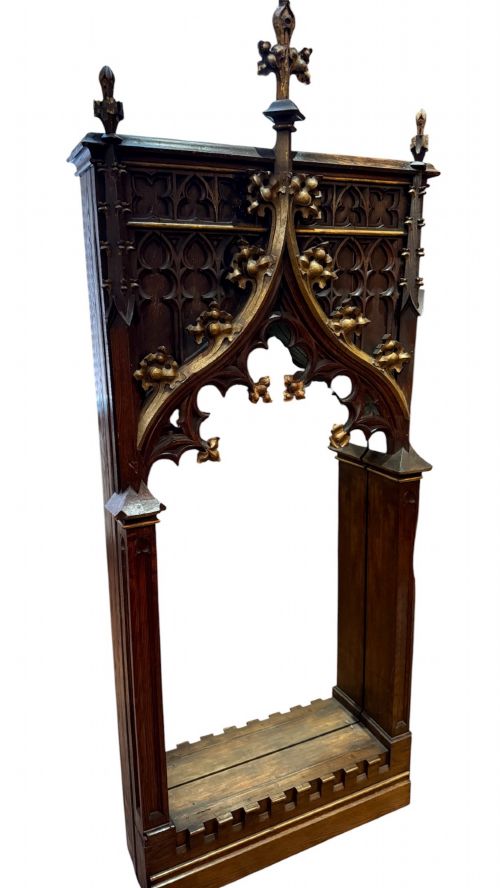
The standard of carving in the oak woodwork dictates the visual weight of tables, pulpits, and mirrors. Crisp lines and deep relief distinguish better examples from simpler workshop output.
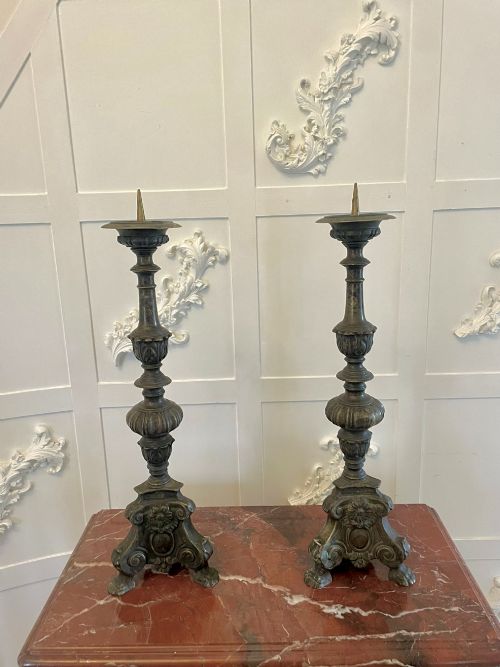
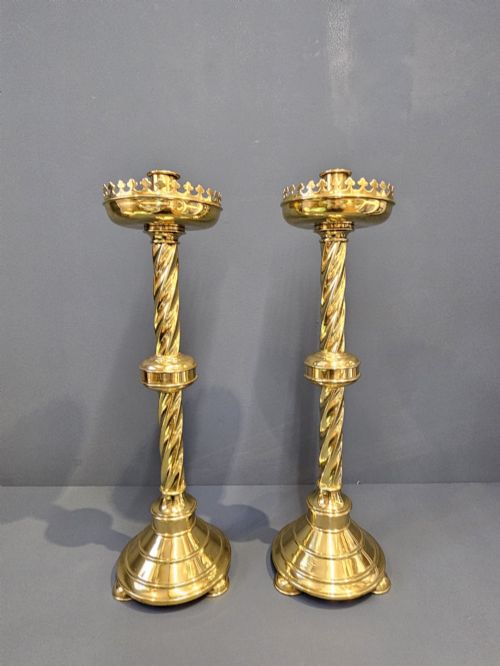
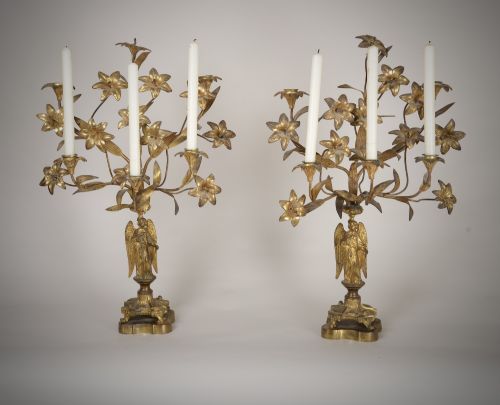
Weight and casting clarity set the standard for brass and bronze candle holders. Heavy metal castings with ornate detailing separate superior ecclesiastical metalwork from standard production.
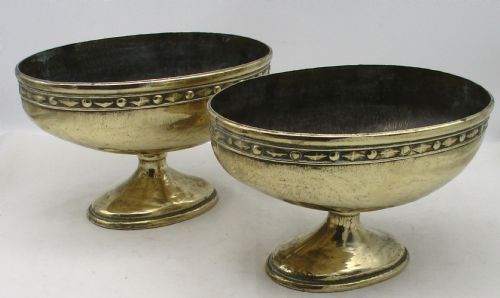
One brass altar bottle managed to survive the centuries completely encased in heavy bronze.
The Victorian Gothic Altar Glossary
- Pricket candlestick
- A candle holder featuring a sharp metal spike on top that pushes directly into the base of the wax candle. This form appears frequently in nineteenth-century church metalwork.
- Gothic Revival
- An architectural and decorative style drawing on medieval ecclesiastical forms, prominent throughout the nineteenth century. It manifests in pointed arches, heavy oak framing, and geometric tracery.
- Altar table
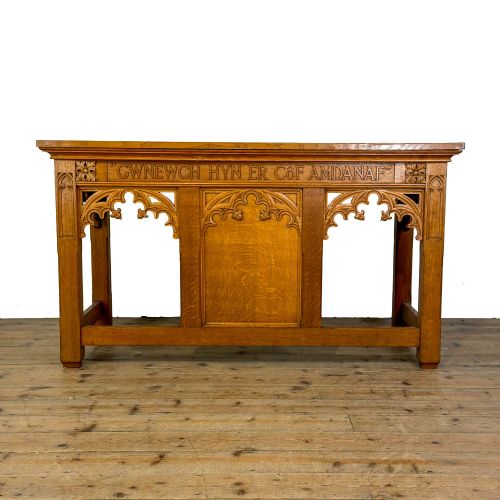
- A sturdy wooden table designed for liturgical use, typically constructed from solid oak or pitch pine. These tables often feature carved friezes and straightforward rectangular proportions.
- Candelabra
- A branched candlestick holding multiple candles on a single base. Ecclesiastical examples in brass or bronze often incorporate heavy pedestals and ornate arms.
- Ecclesiastical
- Pertaining to churches and Christian places of worship. This term describes items originally manufactured for religious services rather than domestic interiors.
Victorian Gothic Altar: Frequently Asked Questions
How do I style a church altar table at home?
An altar table works well as a console or side table in larger hallways and living spaces. Its substantial timber presence anchors the room without requiring extra decoration.
Pair the surface with simple ceramic objects or large brass candlesticks to echo its original ecclesiastical function while keeping the arrangement grounded.
What is the difference between an altar table and a side table?
Altar tables derive their proportions and construction directly from nineteenth-century church furnishings. They utilise heavier timbers such as oak and pitch pine, often featuring distinct ecclesiastical carving.
Standard side tables from the same period generally employ lighter domestic framing and simpler domestic leg forms.
How do I care for antique brass church candlesticks?
Dust the metal regularly with a dry cloth to prevent grime accumulation on cast surfaces. Avoid harsh chemical polishes that strip away the historical patina built up over decades.
Allow the natural oxidation to remain, as dark tones and subtle surface wear contribute to the character of nineteenth-century metalwork.
Are these pieces suitable for daily domestic use?
Solid oak furniture and heavy bronze or brass items were built for enduring utility in busy environments. Tables and candle holders adapt easily to everyday modern living.
Ensure wooden surfaces are protected from moisture and heat rings by using coasters or mats during regular daily use.