


Victorian Gold Cameo
When you search for a victorian gold cameo, you uncover hand-carved portraits and mythological scenes set in precious metal that bring nineteenth-century artistry to modern wear.
Victorian Gold Cameo
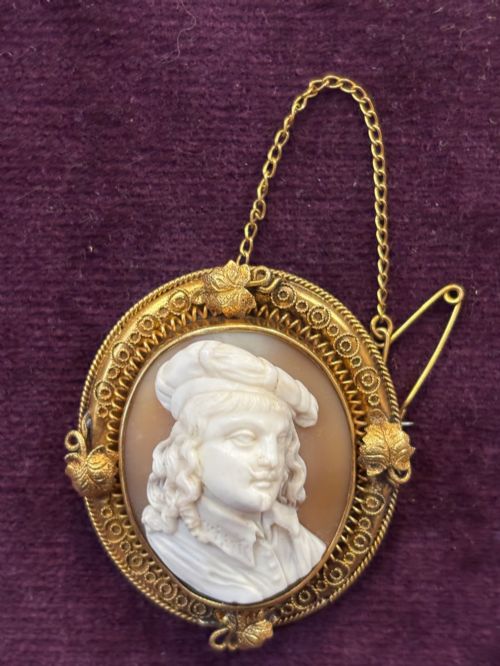
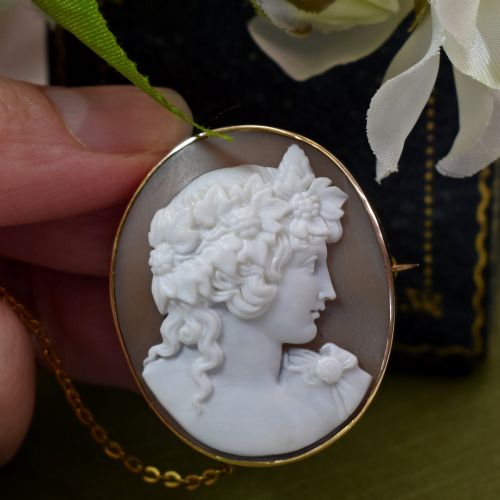
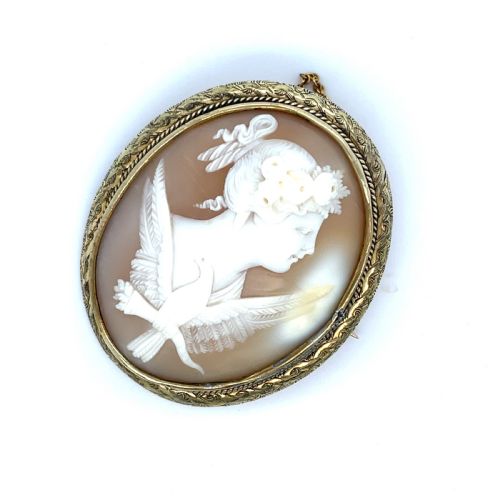
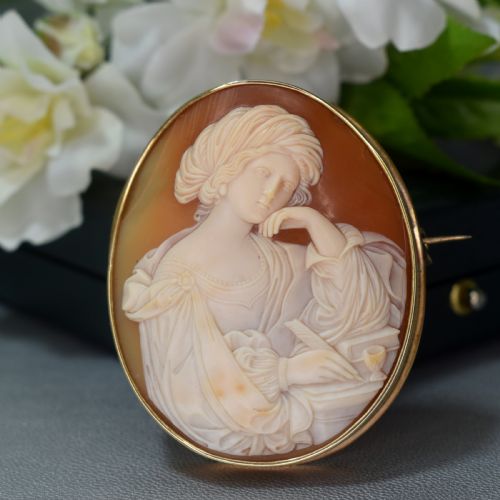
A victorian gold cameo typically presents as a brooch, pendant, or ring featuring a raised relief carved from shell or hardstone. The most common iteration you will encounter on this page is the shell cameo mounted in yellow gold, often depicting classical figures or female profiles.
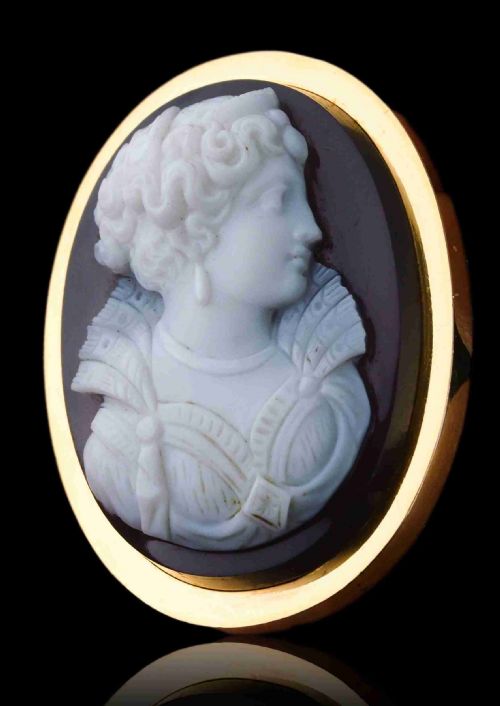
Makers of the nineteenth century also utilised harder materials such as agate, onyx, and lava, setting them into rings and elaborate pendant necklaces. These pieces range from small everyday dress rings to large statement brooches framed in chased or filigree gold mounts.
Materials and Technique
Carvers selected natural shells with distinct colour layers, cutting away the upper stratum to leave a white relief against a dark brown or orange background. Hardstone alternatives like agate and onyx required abrasive cutting wheels and diamond dust to achieve similar layered precision.
The resulting carvings were secured into frames fashioned from various purities of gold, including nine-carat, fifteen-carat, and eighteen-carat, frequently enhanced with twisted wirework, granulation, or seed pearls.
Listings feature nine-carat, fifteen-carat, and eighteen-carat gold alongside pinchbeck frames housing shell, agate, onyx, and coral carvings.
Factors of Quality
The distinction between ordinary and exceptional work lies primarily in the depth and anatomical accuracy of the carving. Master carvers exploited the natural variations in shell or stone to create subtle transparencies and lifelike expressions in the faces of classical deities.
Mount construction also dictates value, moving from simple bezels to substantial, multi-layered gold frames adorned with granulation, filigree, or integrated safety chains that reflect the skill of the goldsmith.
R. Pernice
The Victorian Gold Cameo Glossary
- Cameo
- A method of carving an object such as a gemstone, shell, or piece of hardstone where a raised relief is created from a top layer of a different colour than the background.
- Hardstone
- A collective term for semi-precious stones like agate, onyx, and jasper used by lapidaries to carve intricate multi-layered miniature portraits.
- Pinchbeck
- An alloy of copper and zinc invented in the eighteenth century to imitate gold, frequently found on affordable period mounts and chains.
- Pate-sur-pate
- A ceramic decorating technique involving the painting of liquid white porcelain slip onto a darker unglazed body to create a cameo-like translucent relief.
Victorian Gold Cameo: Frequently Asked Questions
How do I wear a antique cameo brooch safely?
Pin it securely through a sturdy weave of fabric, ensuring the clasp functions correctly. Many period brooches also feature integrated loops so you can thread a chain and wear them as pendants.
Take care to avoid spraying perfume or hairspray directly onto the piece, as shell and soft stones are sensitive to chemicals. Store them individually in padded boxes to prevent surface scratches from other items.
What is the difference between shell and hardstone cameos?
Shell cameos utilise organic marine shells, typically displaying a warm white relief against a translucent orange or brown backing. They offer softer detail and warmer tones suited to larger brooches and pendant frames.
Hardstone cameos use banded minerals like onyx or agate, providing a crisper profile and greater durability. These denser stones appear more frequently in nineteenth-century rings and stick pins.
How can I date a victorian cameo?
Examine the mount style, back construction, and hinge mechanism for clues to the decade of manufacture. Early examples often feature deep, heavy gold frames with high-relief carving, while later pieces adopt lighter mounts or incorporate safety pins.
Subject matter also offers guidance, as classical revivals and mythological portraits dominated the middle decades of the nineteenth century. Hallmarks on the gold mount, where present, provide the most reliable chronological anchor.
Were cameos used as anything other than jewellery?
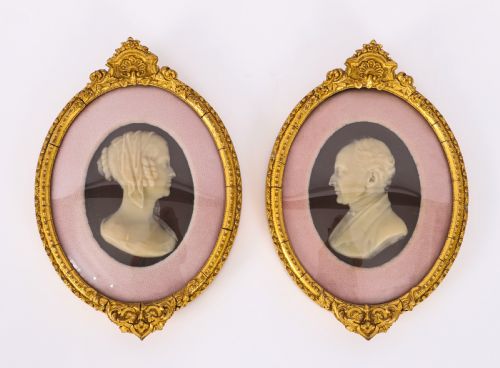
Carvers applied miniature reliefs to decorative table boxes, small desk seals, and framed portrait plaques intended for interior display. Wealthy patrons collected these luxury desk items as part of the Grand Tour tradition.
Enamelled gold appliques and micro-mosaics occasionally accompanied these decorative objects, merging lapidary skill with goldsmithing.