



Antique Cameo Jewellery
Antique cameo jewellery comprises carved shell and onyx pieces mounted in gold, prized for classical miniature portraits and mythology.

What antique cameo jewellery is
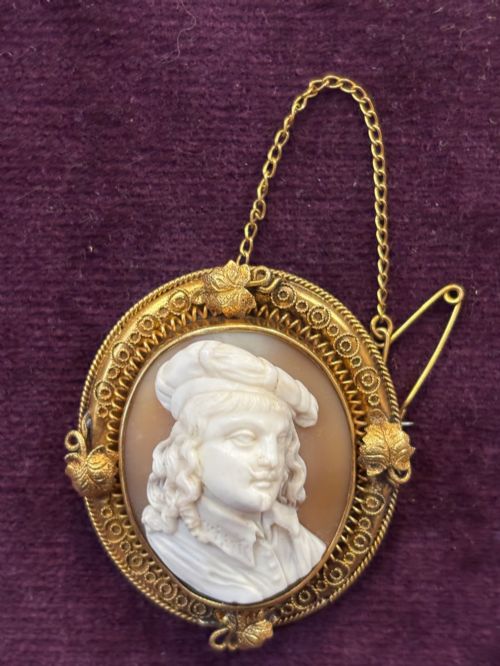
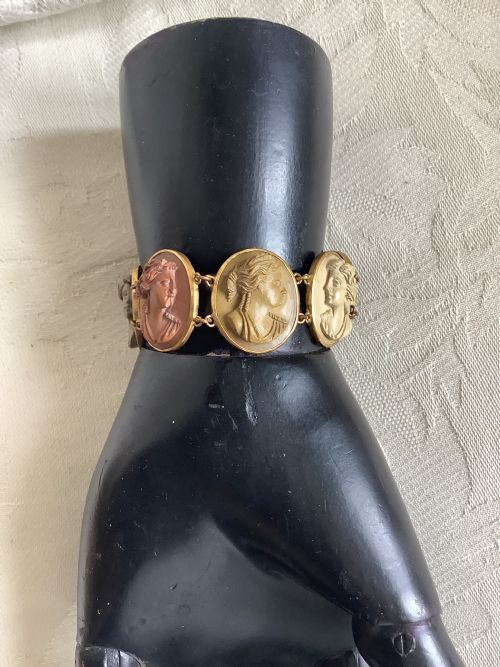
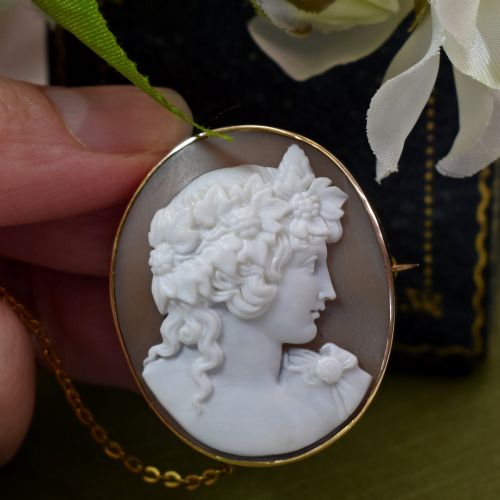
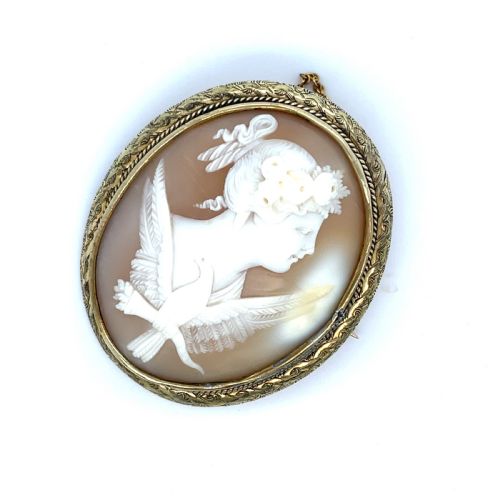
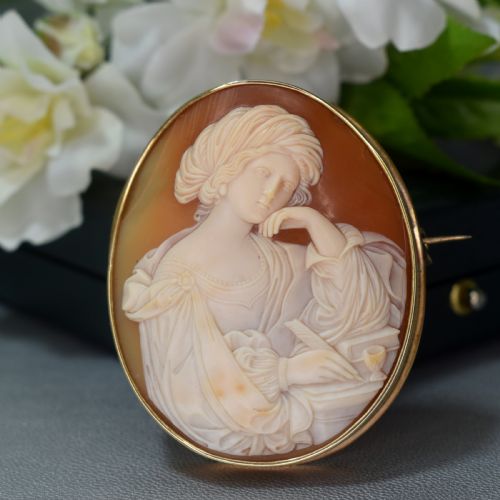
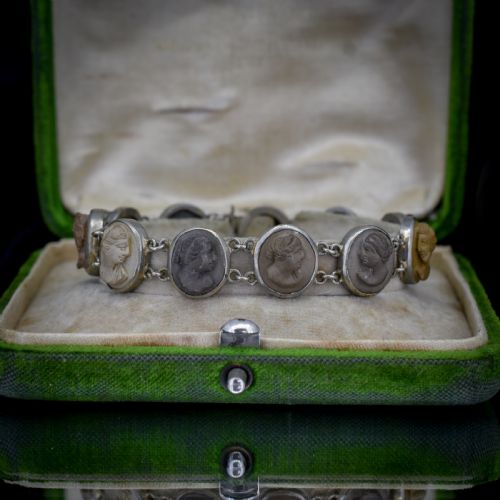
Antique cameo jewellery centres on carved shell and onyx motifs depicting classical figures and portraits. The pieces available here consist entirely of Victorian items, bringing carved shell and hardstone into wearable forms.
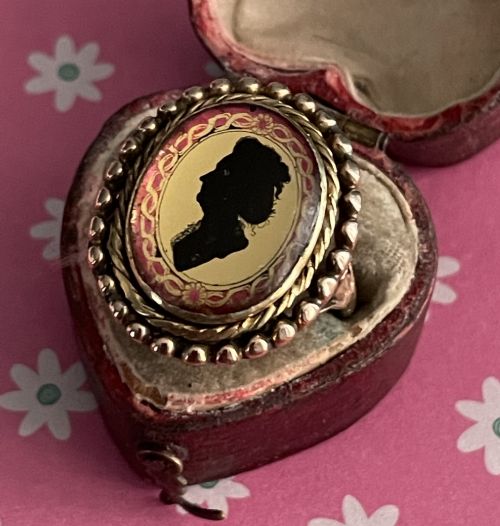
Buyers encounter brooches, pendant necklaces framed with pearls, drop earrings with foxtail tassels, and double portrait rings. These Victorian forms combine high-relief carving with gold mounts.
The aesthetic draws directly from Victorian Classical Revival tastes, celebrating antiquity through miniature sculpted profiles. Every piece showcases the distinctive layered strata of shell or onyx to create contrast.
How these pieces were made
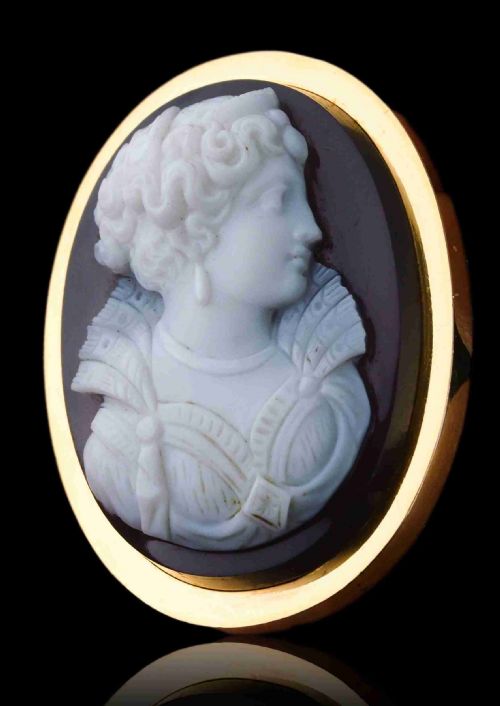
Carvers shaped cameos by hand using natural shell or layered onyx to exploit the contrasting colour bands of the material. Artisans cut away the upper layer to leave the raised white motif against a darker background.
Goldsmiths then secured these carved plaques into mounts of yellow gold, nine-carat yellow gold, or fourteen-carat gold. Some pendants incorporate seed pearls around the gold frame to enhance the piece.
Retail Price Guide 2026
Typical UK retail prices for cameo jewellery, calculated from the Sellingantiques database of over a million retail prices indexed since 2003. This retail price guide relies exclusively on Sellingantiques data; no external sources or auction records are used, so the figures do not describe the wider market.
All listed pieces belong to the Victorian period, utilising shell, onyx, and various gold purities.
Judging quality in cameo pieces
The metalwork separates standard mounts from finer examples, particularly where goldsmiths add intricate elements like foxtail tassels or pearl borders. The integration between the carved relief and the surrounding gold housing defines the overall execution.
The Antique Cameo Jewellery Glossary
- Cameo
- A method of carving an object such as a engraved gem, item of shell, or piece of stone where a raised image stands out from a background of a different colour. This technique creates a distinct two-tone profile.
- Classical Revival
- A nineteenth-century artistic movement that revived the forms, motifs, and styles of ancient Greece and Rome. Victorian makers frequently drew on these classical themes for jewellery subjects.
- Foxtail
- A type of flexible chainwork constructed from curved links that resemble the bushy tail of a fox. Earrings and necklaces of the period often incorporated this dense metallic structure.
- Onyx
- A banded variety of the mineral chalcedony used in hardstone carving. The contrasting layers allow carvers to achieve sharp definition in multi-tone portraits.
Frequently Asked Questions
What materials are used in antique cameo jewellery?
The pieces utilise carved shell and onyx for the central sculpted plaques. These materials provide the contrasting strata necessary for detailed miniature relief work.
Mounts and settings utilise yellow gold, fourteen-carat gold, and nine-carat yellow gold, occasionally accented with pearls.
How do I date an antique cameo?
Dating relies on the structural form, the gold purity marks, and the stylistic traits of the mount. Victorian examples often incorporate Classical Revival motifs alongside specific mounting techniques.
Examining the reverse of the brooch or pendant alongside the closure style helps determine the exact period of manufacture.
What styles of cameo jewellery exist?
The available forms include brooches depicting mythological figures such as Aphrodite, alongside pendant necklaces framed with pearls. Earrings feature drop designs with foxtail tassels, while rings display double portrait cameos.
These pieces belong firmly to the Victorian era and reflect a strong interest in classical antiquity.
How do I care for shell cameos?
Shell is a natural organic material that requires gentle handling and protection from harsh chemicals, perfumes, and cosmetics. Store each piece separately in a lined box to prevent scratching against other items.
Clean the surface only with a soft, dry cloth rather than soaking the jewellery in water or liquid cleaners.