



Carved Portrait Pin
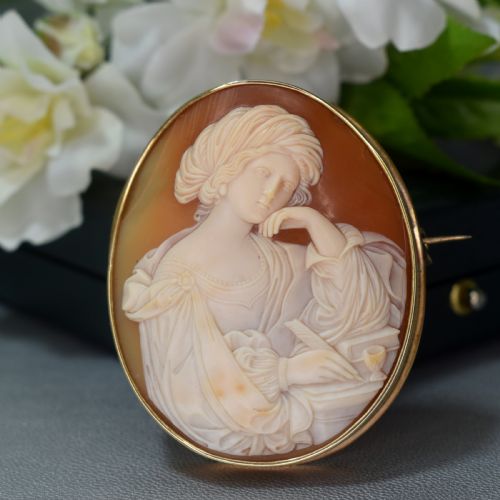
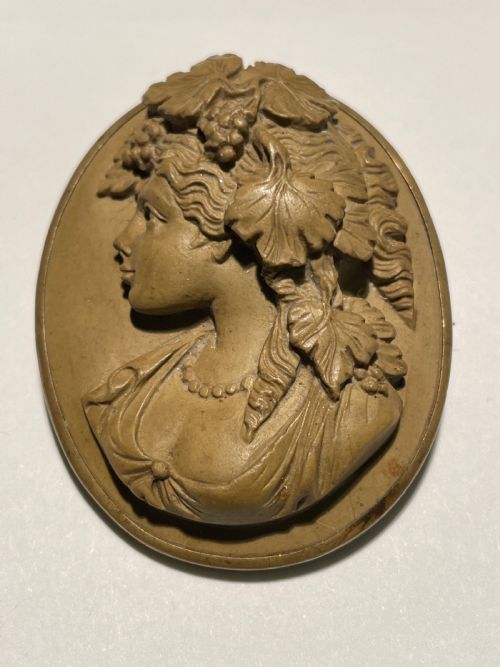
A carved portrait pin brings miniature likenesses and classical profiles to the lapel, crafted in shell, hardstone and precious metals.
Carved Portrait Pin
When you search for a carved portrait pin, you are looking at miniature reliefs that wear classical figures, mythological subjects and historical likenesses upon gold, silver or pinchbeck mounts. These ornaments span the Victorian era, the Edwardian period and the nineteenth century, reflecting the tastes of the Grand Tour and Neoclassical revival.
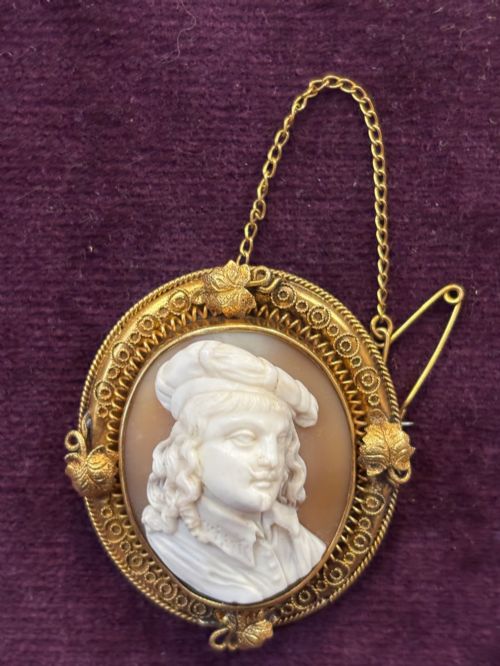
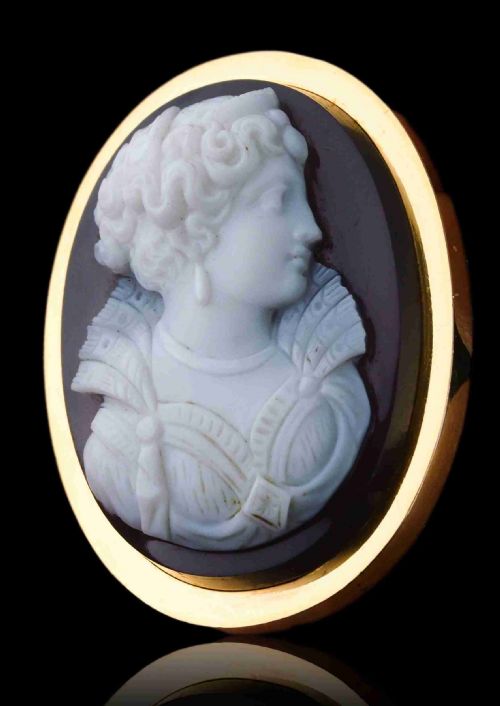
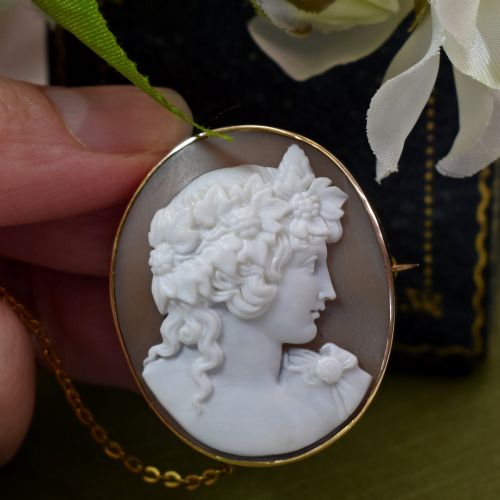
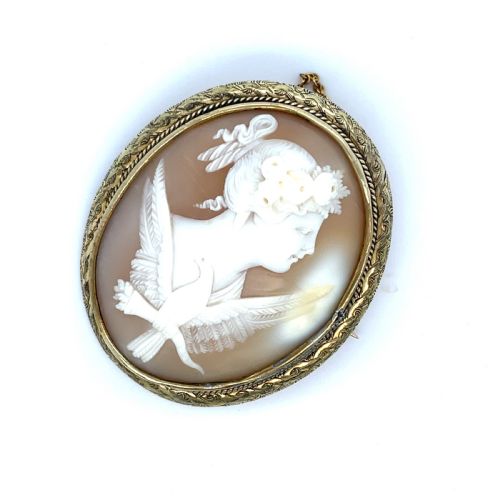
The shell cameo brooch and the hardstone or agate carving dominate the pieces you will find here. Subjects range from deities such as Flora and Aphrodite to historical figures like Bonnie Prince Charlie and the Persian Sibyl, all framed for fastening to a garment.
How they were made
Carvers shaped these portraits by working into the natural layers of conch shell or banded agate and hardstone, exposing the contrasting colours of the profile against a darker background. Goldsmiths then encased these reliefs in mounts of nine-carat, twelve-carat, fifteen-carat or eighteen-carat gold, silver, filigree or pinchbeck.
Bonnie Prince Charlie and the Persian Sibyl share the lapel with classical goddesses in this gathering of miniature profiles.
What varies in quality
The depth and crispness of the carving separate the finer pieces from simpler work, particularly in the rendering of facial expressions and hair strands. A skilled hand creates subtle graduation in the shell or stone layers, giving the portrait a lifelike quality rather than a flat silhouette.
The metalwork of the frame contributes significantly to the distinction of the piece, with substantial solid gold settings, filigree work and securely hinged pin stems marking out the superior examples from standard production.
R.Pernice·John Theodore Heins
The Carved Portrait Pin Glossary
- Cameo
- A method of carving where a relief is raised above a contrasting background, usually executed in shell or banded stone. This technique allows the subject to stand out distinctly.
- Hardstone
- A collective term for semi-precious stones such as agate, onyx and jasper used for carving detailed miniature portraits. These materials offer durability and fine colour banding.
- Pinchbeck
- An alloy of copper and zinc invented in the eighteenth century to imitate gold. It provides a warm metallic appearance without the intrinsic cost of precious metal.
- Grand Tour
- A cultural journey undertaken by wealthy young Europeans to visit classical sites in Italy, returning with souvenirs including lava and shell cameos. These pieces often depict classical mythology and ancient sculpture.
- Filigree
- Ornamental work consisting of fine wire twisted and soldered into intricate open patterns. This technique frequently appears in the gold and silver frames surrounding the carved portraits.
Carved Portrait Pin: Frequently Asked Questions
What is a carved portrait pin?
A carved portrait pin is a wearable miniature relief, typically cut from shell or hardstone, depicting a classical deity, historical figure or profile.
Mounted in gold, silver or pinchbeck, these pieces were designed to be fastened to clothing as a brooch.
How do I date a cameo brooch?
Dating relies on the style of the carving, the subjects depicted and the construction of the metal frame and pin mechanism.
Victorian and Edwardian examples often show specific mount designs and clasp types characteristic of their respective decades.
What materials were used for the carvings?
Carvers utilised conch shell, agate, lava and various hardstones that possessed natural colour layers.
These contrasting strata allowed the artist to carve a light-coloured portrait against a dark background.
Were these pins worn every day?
In the nineteenth century, portrait pins served as fashionable accessories for daywear and evening attire alike.
Their sturdy metal frames protected the delicate shell or stone during regular use.
What is the difference between shell and hardstone?
Shell cameos are carved from the layered shell of sea molluscs, yielding softer tones and translucent qualities.
Hardstone cameos utilise dense stones like agate, providing greater durability and sharp, opaque colour contrast.