
Victorian Glazed Ceramics
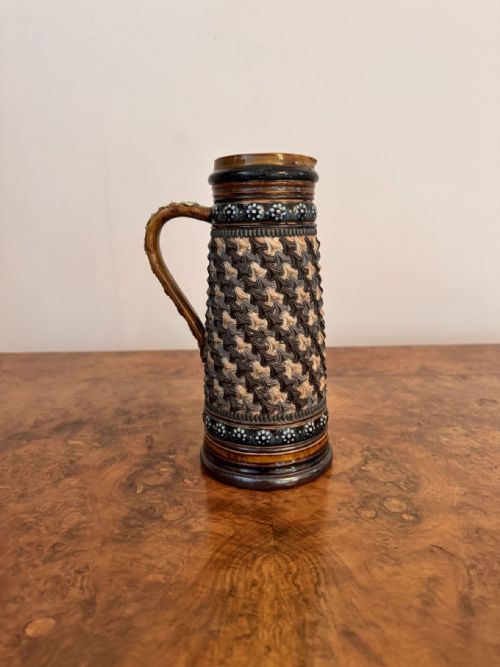
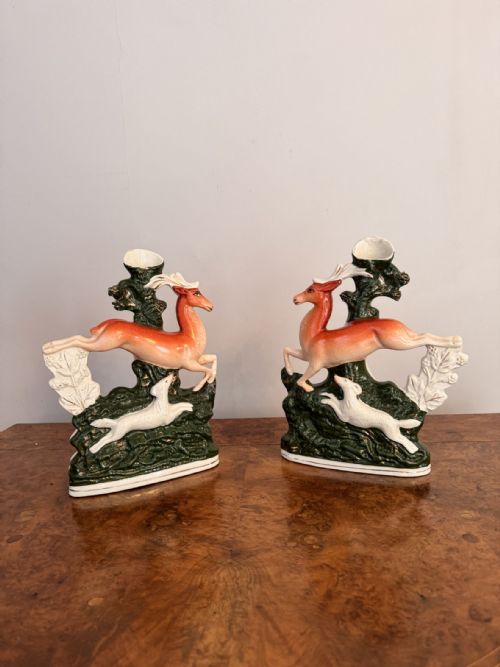
These victorian glazed ceramics range from Staffordshire figures to Doulton Lambeth jugs, offering rich colour and tactile surfaces for a traditional interior.
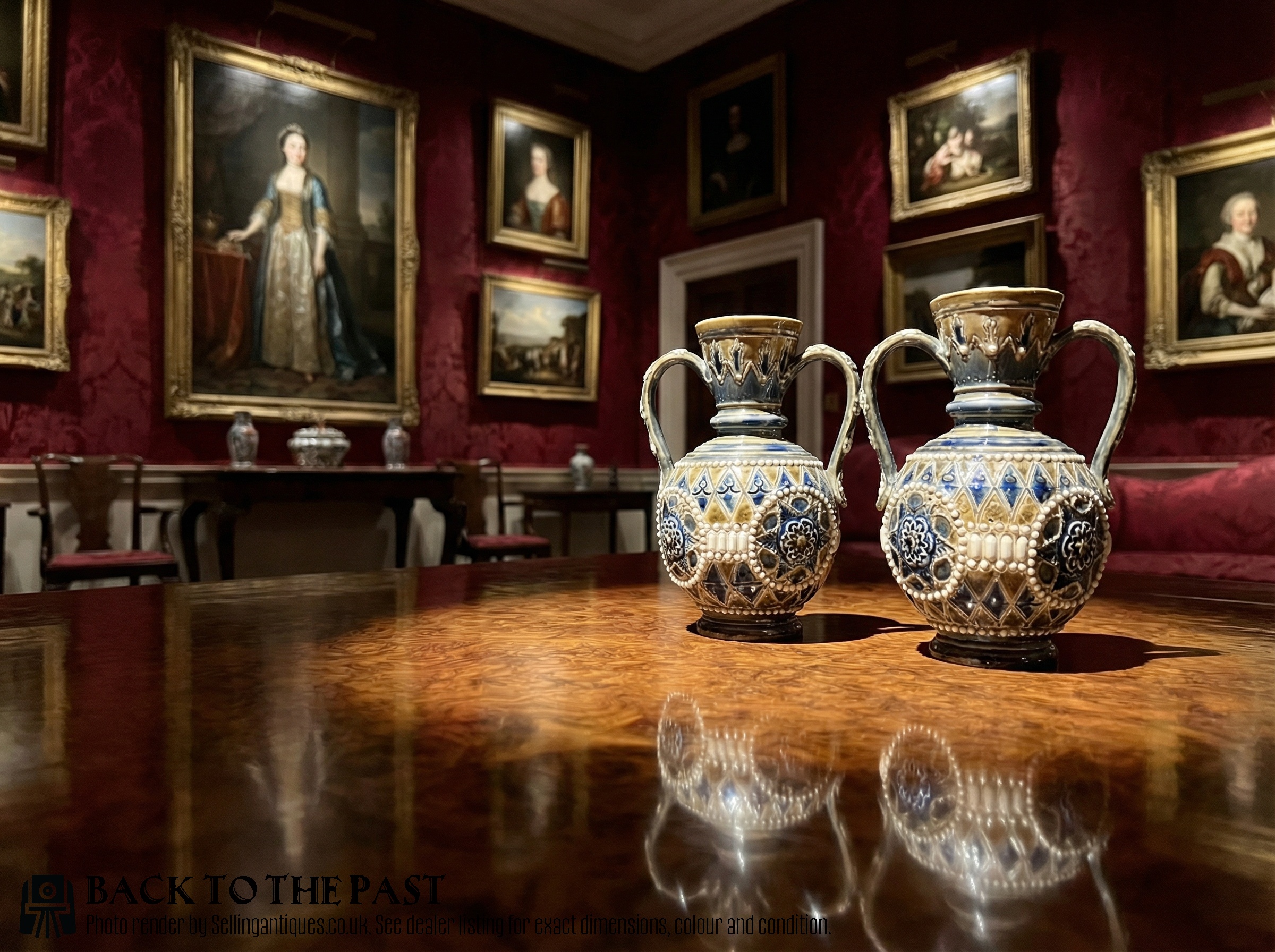
Victorian Glazed Ceramics
When you search for victorian glazed ceramics, you encounter an array of utilitarian vessels and decorative ornaments made during the nineteenth century. The selection spans earthenware, stoneware, porcelain, and terracotta, capturing both everyday domestic items and ambitious display pieces.
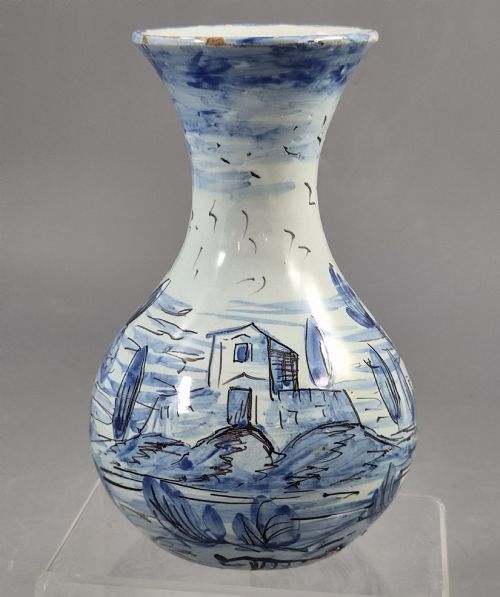
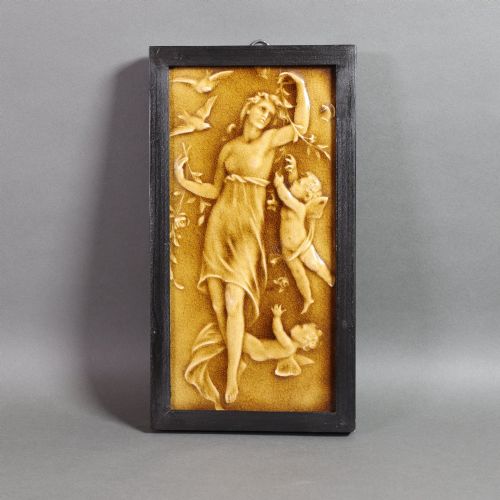
Jugs, spill vases, jardiniere planters, and tableware dominate the forms available on this page. Makers across Britain and continental Europe utilised lustres, majolica, and enamel to finish surfaces with vibrant colour and texture.
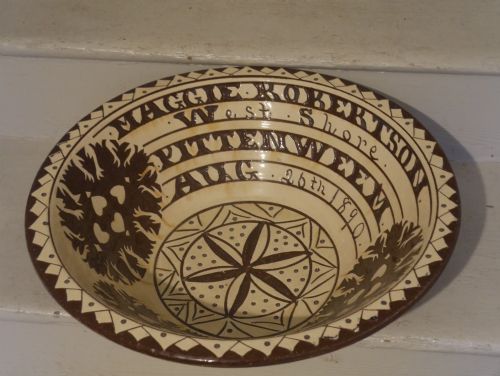
The period encompasses diverse aesthetic movements, from Rococo Revival and Italian Renaissance Revival to Arts and Crafts and folk art. Pieces range from modest dairy bowls to elaborate cabinet vases and figural salts.
How They Were Made
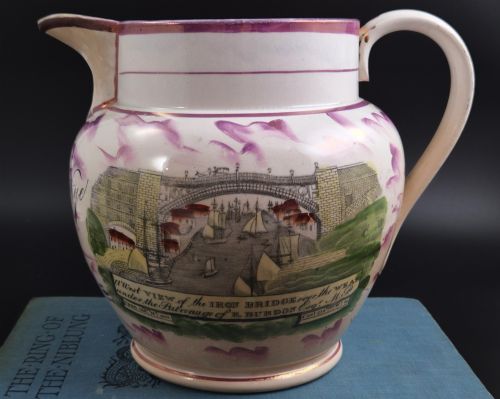
Potters shaped earthenware, stoneware, and porcelain using moulds and the potter's wheel before applying liquid glazes to seal the porous clay bodies. Enamel painting and lustring added metallic sheens and pictorial details during secondary firings.
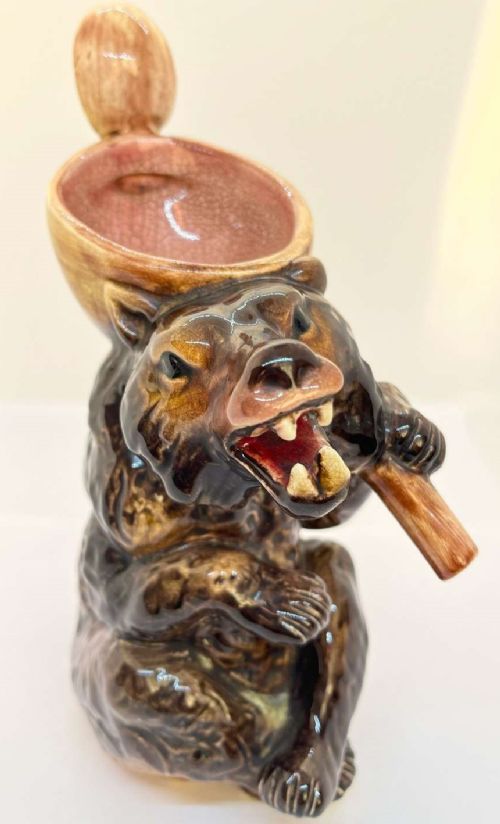
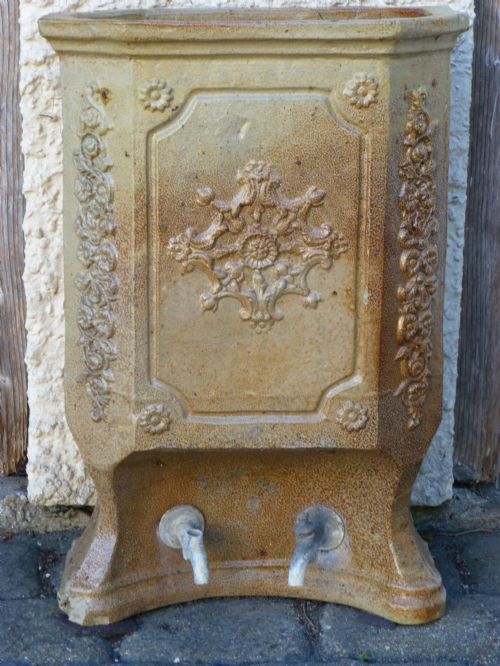
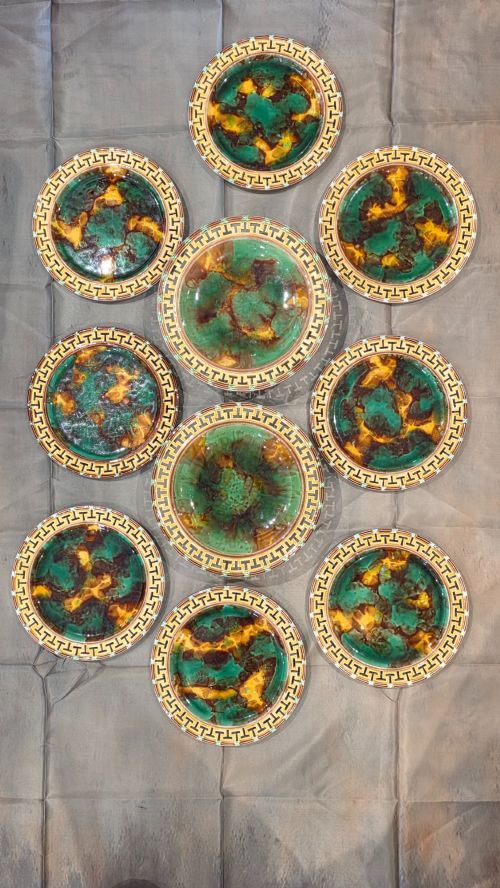
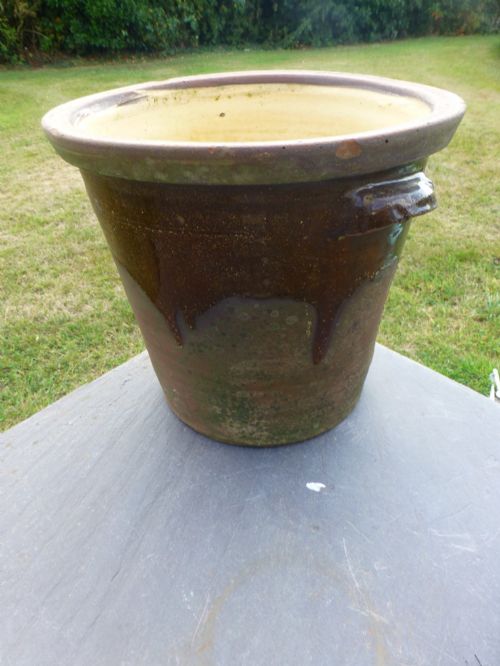
Majolica glazing involved opaque tin-lead glazes painted with metal oxides that fused during firing to create brilliant greens, blues, and yellows. Salt-glazed stoneware achieved its distinctive pitted texture when salt was thrown directly into the hot kiln.
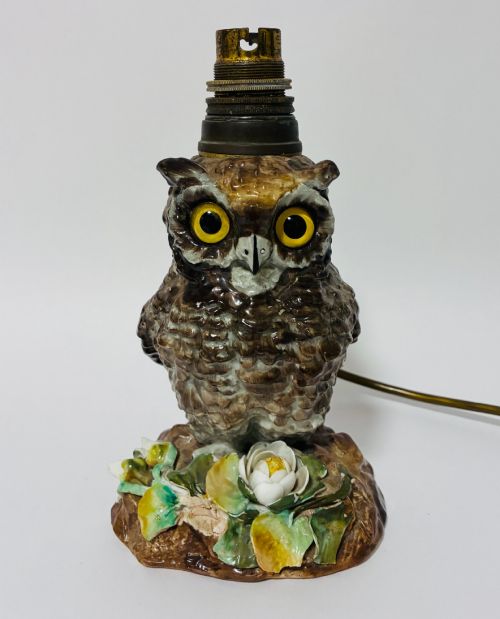
Several ceramic owls and parrots stand watch across the listings, offering permanent avian company without the need for seed.
What Varies in Quality
Execution of detail separates ambitious factory production from simple regional output. Crisp modelling in figures, precise incising on art pottery, and even coverage of majolica or lustre glazes distinguish the best examples.
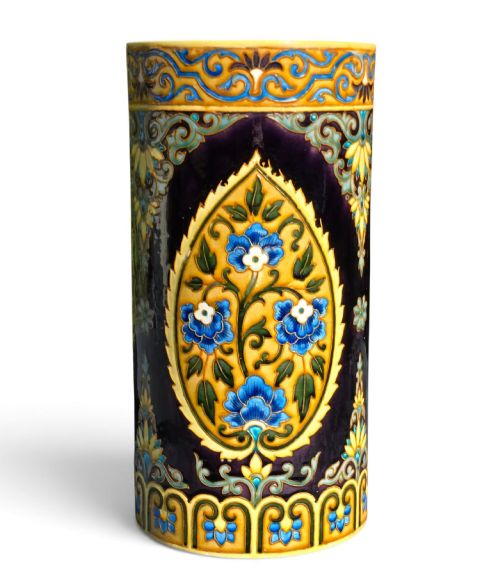
Artistic ambition also defines the tier of a piece, with works by named potteries showing deliberate stylistic ambition in forms like bamboo-moulded jardiniere planters and Iznik-revival umbrella stands.
Coalport·Doulton Lambeth·Cantagalli·Wedgwood·Théodore Deck·Seaton Pottery·Meissen·Minton·Royal Worcester·George Jones·Burmantoft's Pottery
The Victorian Glazed Ceramics Glossary
- Majolica
- A type of earthenware decorated with coloured lead glazes over an opaque tin-lead opacified glaze, popular for its rich palette.
- Lustre
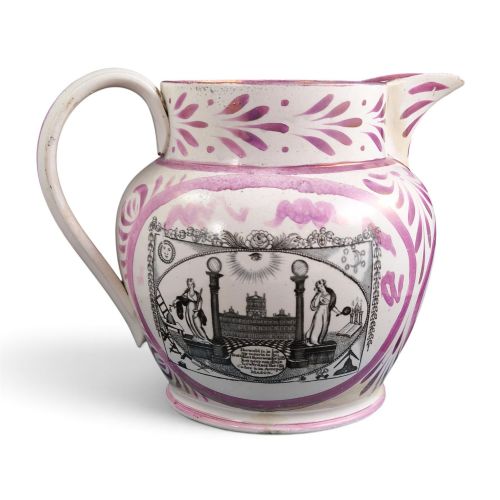
- A ceramic finish incorporating metallic elements that create an iridescent sheen during reduction firing.
- Spill vase
- A hollow figurine or cylindrical vessel designed to hold taper spills used for lighting candles or fires.
- Stoneware
- A dense, vitreous or semi-vitreous ceramic fired at high temperatures until impervious to liquid even without glaze.
- Tazza
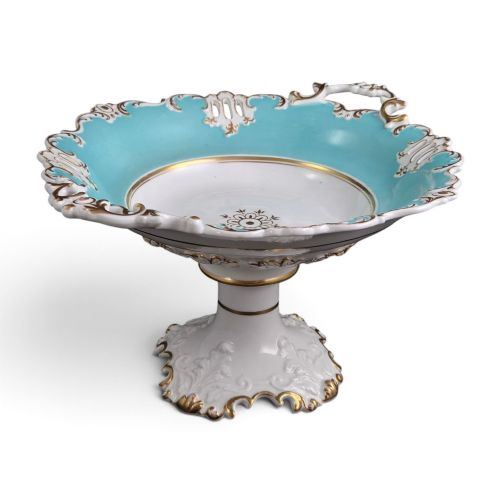
- An ornamental shallow cup or plate mounted on a stem and foot, used for serving food or display.
Victorian Glazed Ceramics: Frequently Asked Questions
How do I identify majolica?
Majolica is recognised by its brightly coloured lead glazes applied over a pale ground, creating glossy green, brown, and purple surfaces with moulded relief details.
These pieces often depict naturalistic plant and animal themes, such as bamboo, strawberries, and game animals.
Where were Staffordshire figures made?
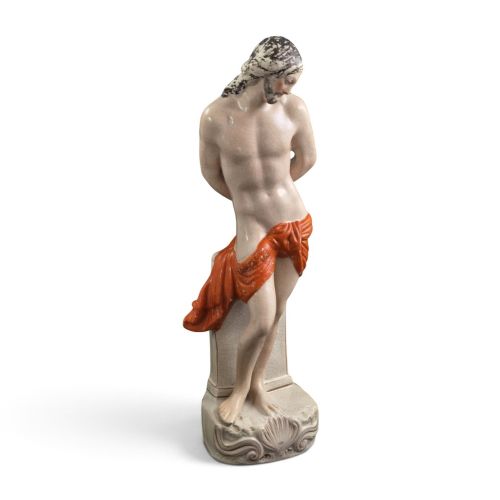
Staffordshire figures were produced in the Potteries district of England, primarily Stoke-on-Trent, during the nineteenth century.
Potters cast these earthenware figures in moulds and hand-painted them with enamel colours before a final glaze firing.
How should I clean glazed ceramics?
Dust these items gently with a dry microfibre cloth and avoid submerging pieces with old repairs or metal mounts in water.
Harsh detergents can strip delicate enamel decorations and affect the stability of nineteenth-century glazes.