



Victorian Glass Goblets
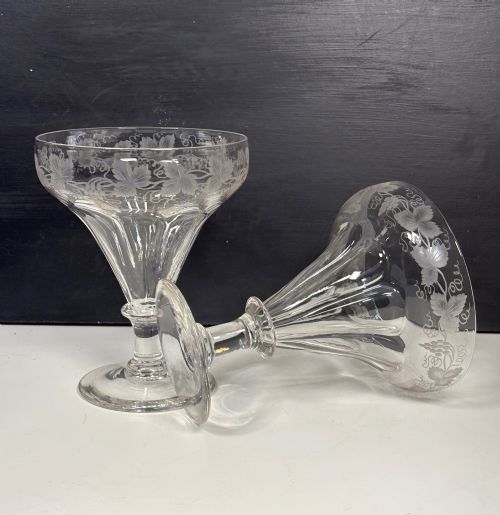
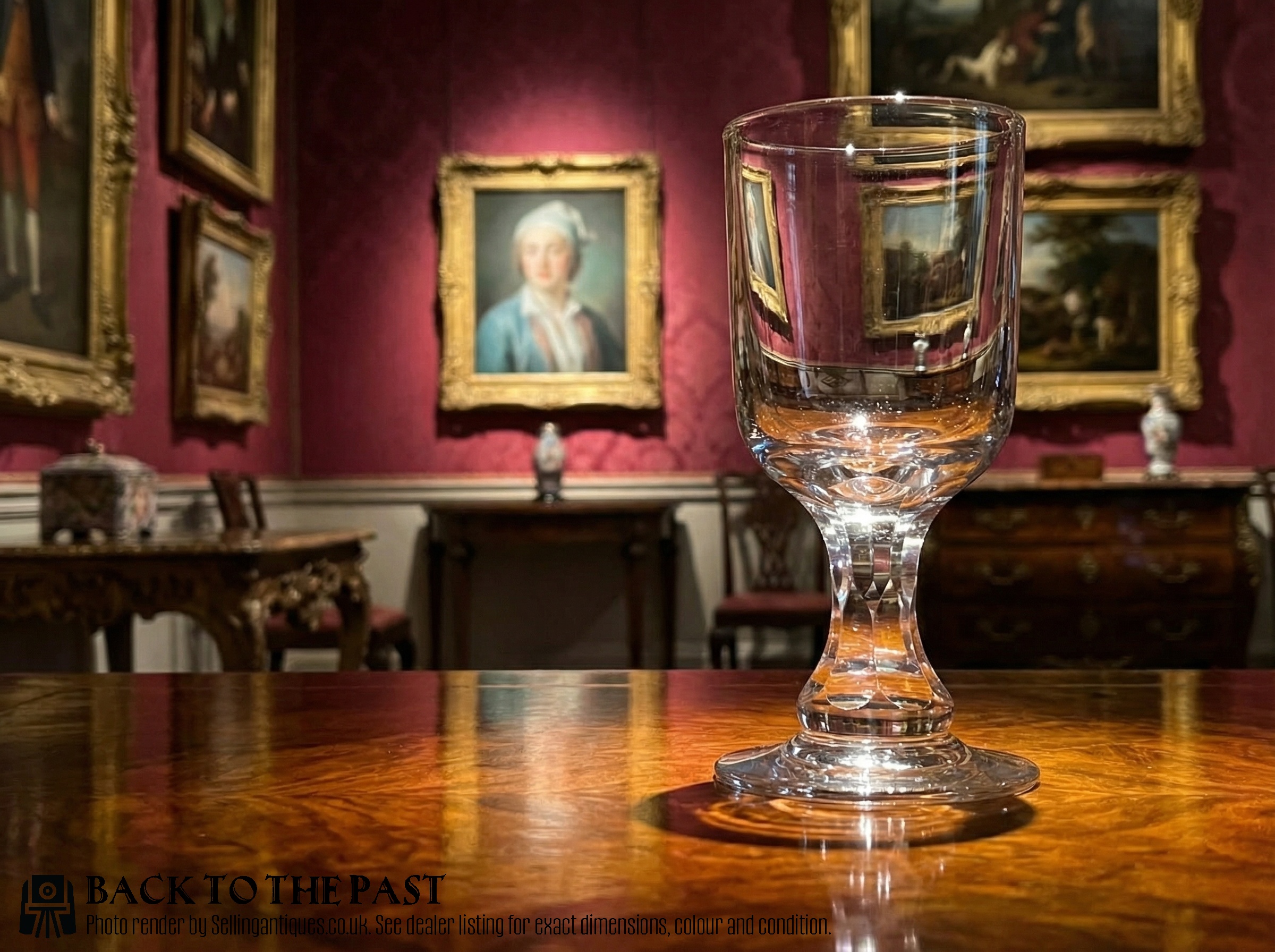
Victorian glass goblets bring weight and clarity to the table, offering tactile drinking vessels shaped by nineteenth-century hands.
Victorian Glass Goblets
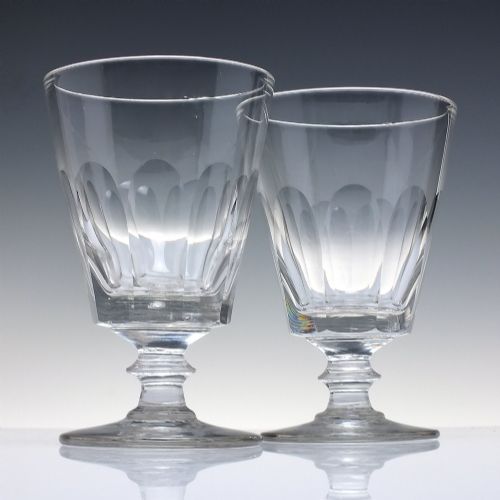
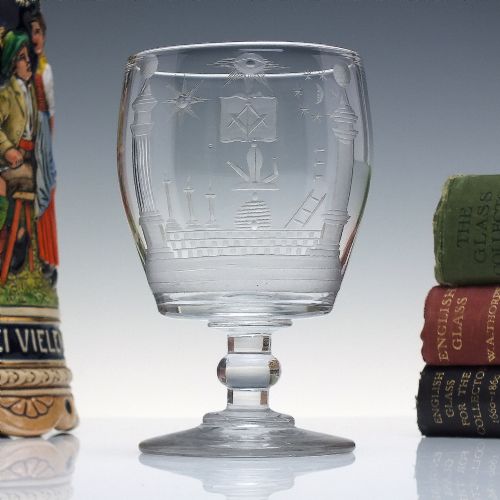
Victorian glass goblets encompass heavy drinking vessels and rummers produced across the nineteenth century. These pieces appear in matched suites, pairs, or individual harlequin sets.
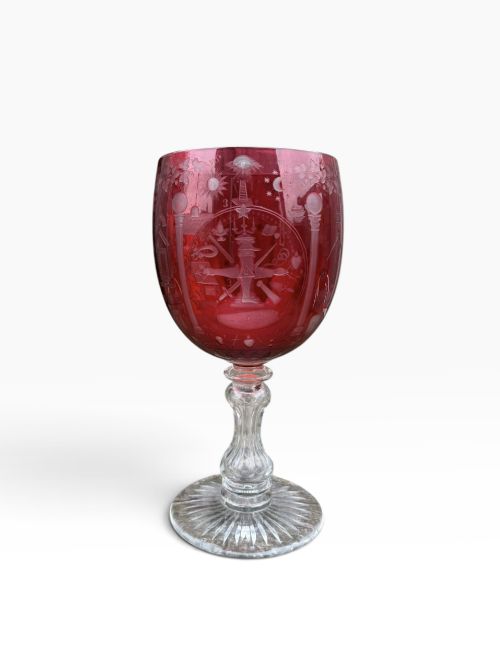
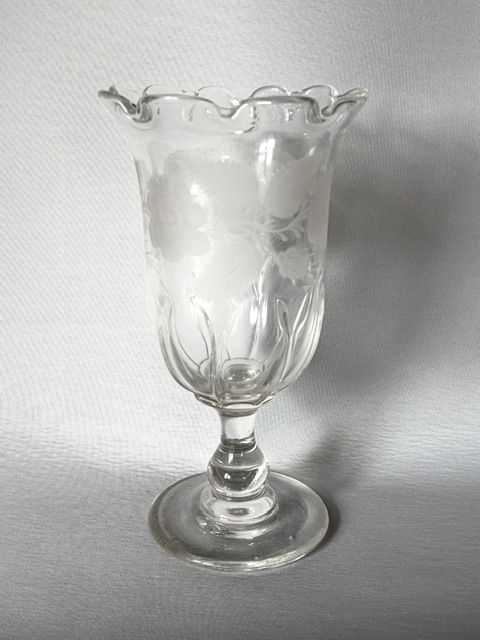
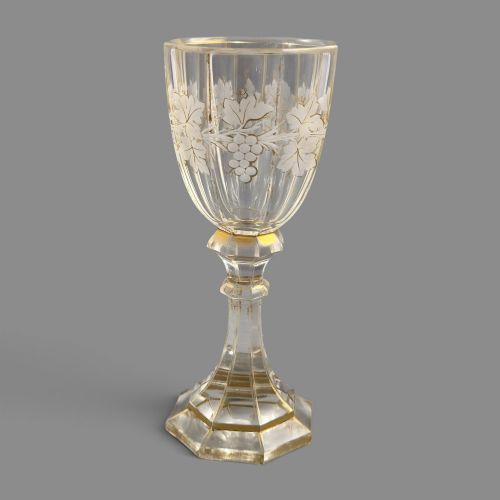
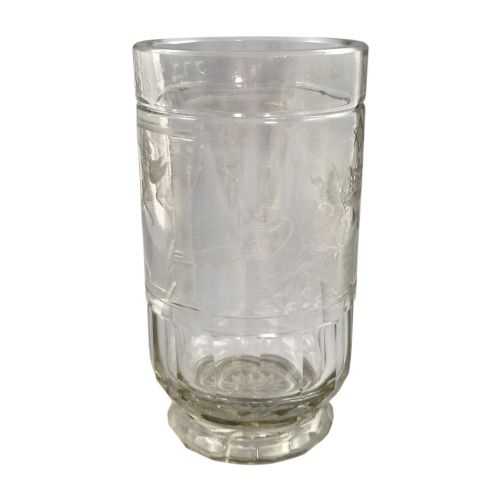
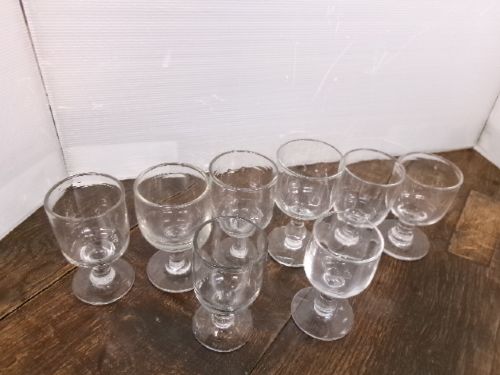
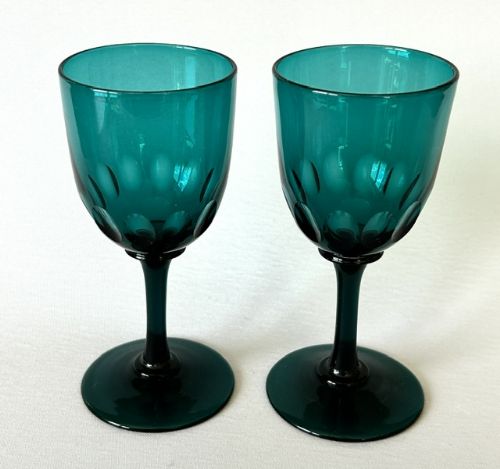
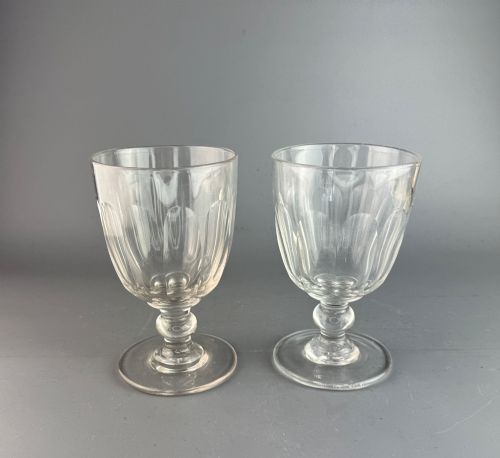
The forms range from large tavern rummers and panel rummers to engraved and cut wine goblets. Clear glass dominates, alongside amber, uranium glass, and opaque twist variants.
Makers shaped these drinking vessels during the Victorian period, utilising lead crystal, lead glass, and standard glass. The inventory demonstrates a strong preference for paired pieces and large capacities.
How they were made
Glassmakers utilised lead crystal and standard glass, blowing the metal into form before finishing bowls and stems by hand. Artisans applied wheel-cutting, engraving, and white enamel decoration to the cooled surfaces.
Optical and opaque twists involved intricate cane manipulation within the hot glasshouse. Workers then polished the pontil scars on the bases to create smooth resting surfaces.
Victorian Glass Goblets Retail Price Guide 2026
Typical asking prices for victorian glass goblets among the pieces listed under this phrase on Sellingantiques today, from the lower quarter to the upper quarter. They describe what is for sale here now, not the wider market.
The inventory spans the nineteenth century, including specific dates from 1850 through 1890.
What varies in quality
Quality rests in the crispness of the cutting and the depth of the wheel engraving. Sharp facets and balanced proportions separate utilitarian tavern rummers from refined crystal suites.
The purity of the metal and the weight of the lead crystal dictate the resonance and brilliance of each goblet. Uniformity across larger sets also influences desirability among collectors.
The Victorian Glass Goblets Glossary
- Rummer
- A large, heavy drinking glass popular in the nineteenth century, often used for ale, wine, or punch. These vessels typically feature a short, thick stem and a capacious bowl.
- Lead crystal
- Glass containing a significant proportion of lead oxide, which increases brilliance, weight, and workability. This material allows for deeper and sharper facet cutting.
- Pontil mark
- The scar left on the base of a blown glass object where the pontil rod was attached during manufacture. Skilled artisans ground and polished these marks smooth.
- Opaque twist
- A decorative stem technique involving white or coloured enamel glass threads twisted within a clear glass rod. This method harks back to earlier traditions but persisted into the Victorian era.
Victorian Glass Goblets: Frequently Asked Questions
What were Victorian glass goblets used for?
These robust vessels served various drinks at the dining table and in taverns. Larger rummers held ale, punch, or porter, while smaller goblets accommodated wines.
Their substantial weight and size suited the hearty hospitality of the nineteenth century. Households used them for daily dining as well as formal gatherings.
Are these glasses safe to drink from?
Most nineteenth-century table glass remains entirely safe for serving beverages today. The material is stable under normal use.
Examine uranium glass pieces if you have concerns, though standard lead glass presents no functional hazard. Hand washing preserves the historic surfaces safely.
How can I date Victorian glassware?
Examine the weight, manufacturing marks, and decorative styles typical of the nineteenth century. Pontil marks on the base often indicate older hand-blown techniques.
Compare the cutting patterns and colour palettes with documented periods from the era. Consistency within matched sets helps establish their timeline.