


Victorian Glass Bell Jar
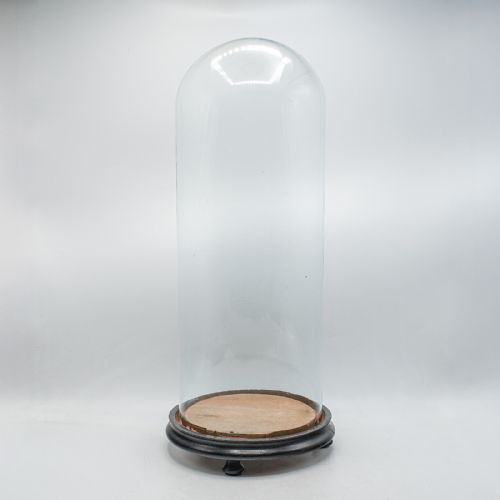
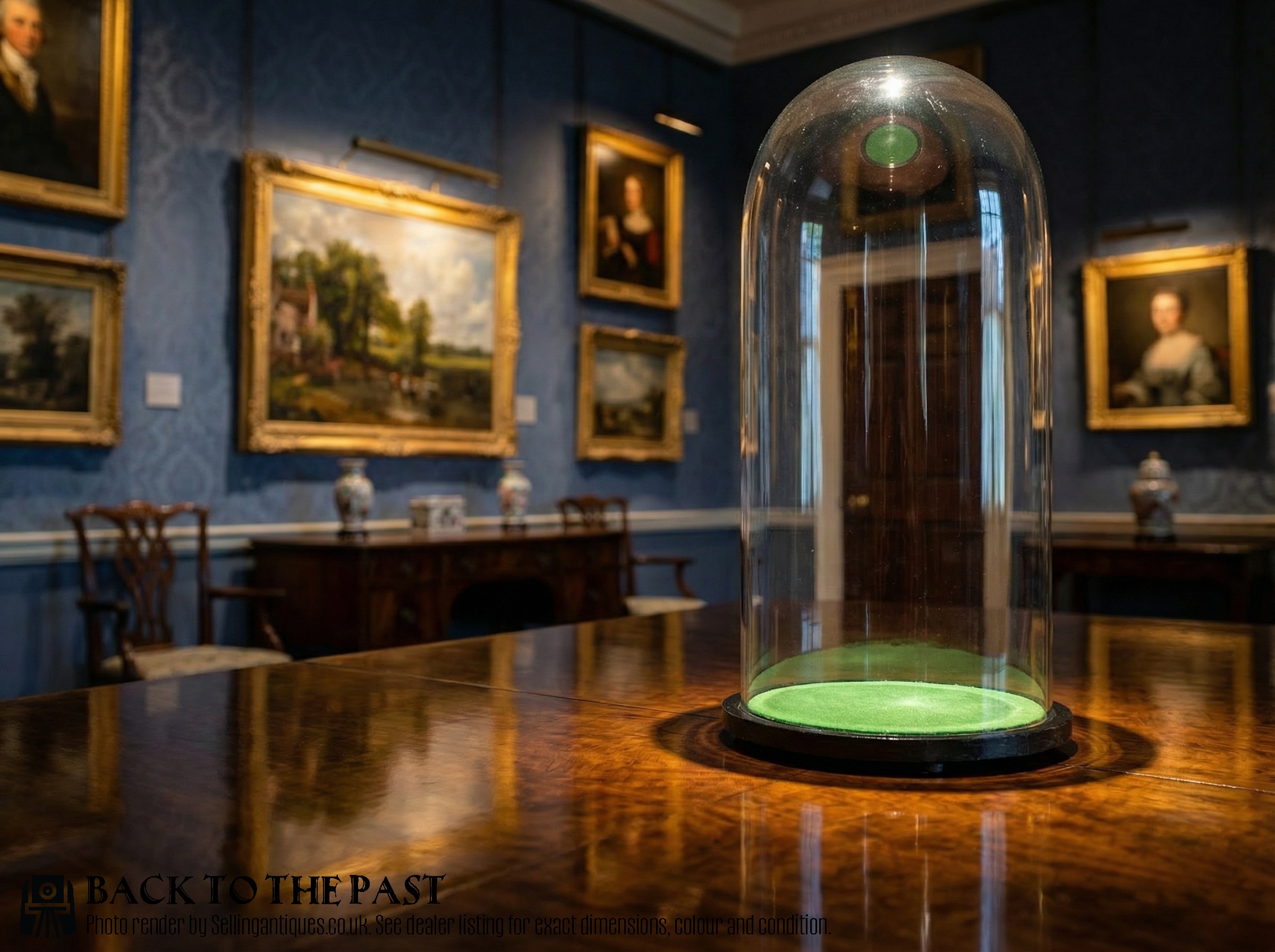
These Victorian glass bell jar pieces are clear blown covers designed to protect and display treasured ornaments, taxidermy, and delicate bouquets.
What a Victorian glass bell jar is
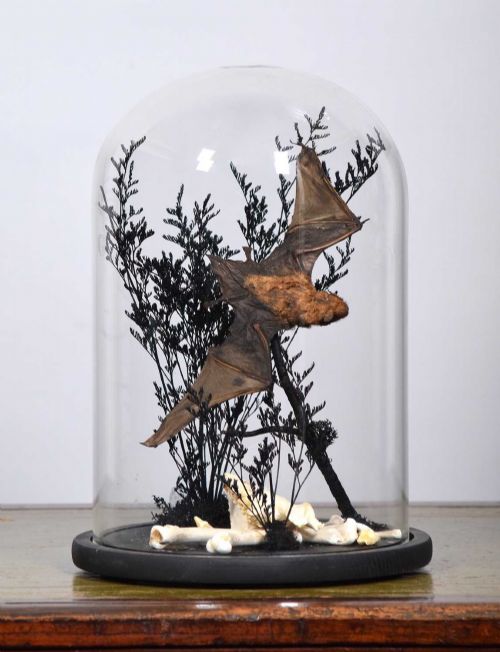
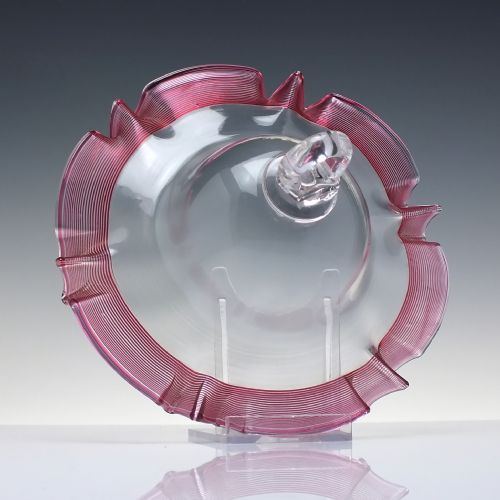
A Victorian glass bell jar serves as a protective transparent cover for cherished ornaments, delicate taxidermy, and intricate floral displays. These pieces appear in various forms on this page, including parlour domes, display domes, and cloches designed to keep dust away from fragile objects. Most examples hail from the Victorian and Edwardian eras, with occasional pieces stretching back into the Georgian period.
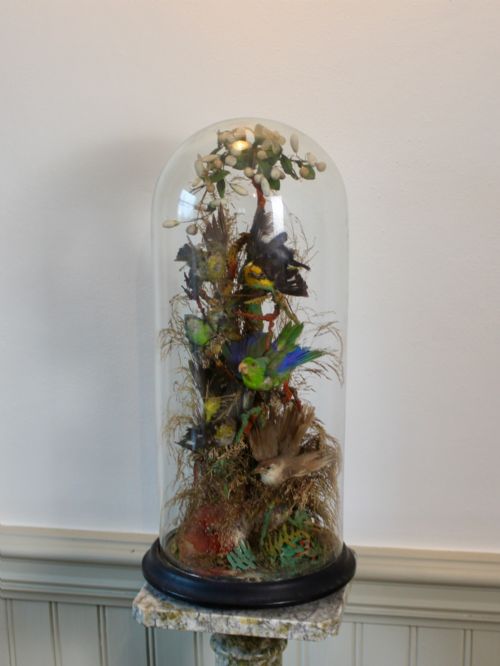
The assortment on this page includes round and oval shapes, often resting on timber bases. Buyers encounter specialised variants such as taxidermy showcases, specimen cases, and vessels paired with French beadwork bouquets. These covers range from small dressing table versions to large tall specimens intended for prominent placement in a room.
How they were made
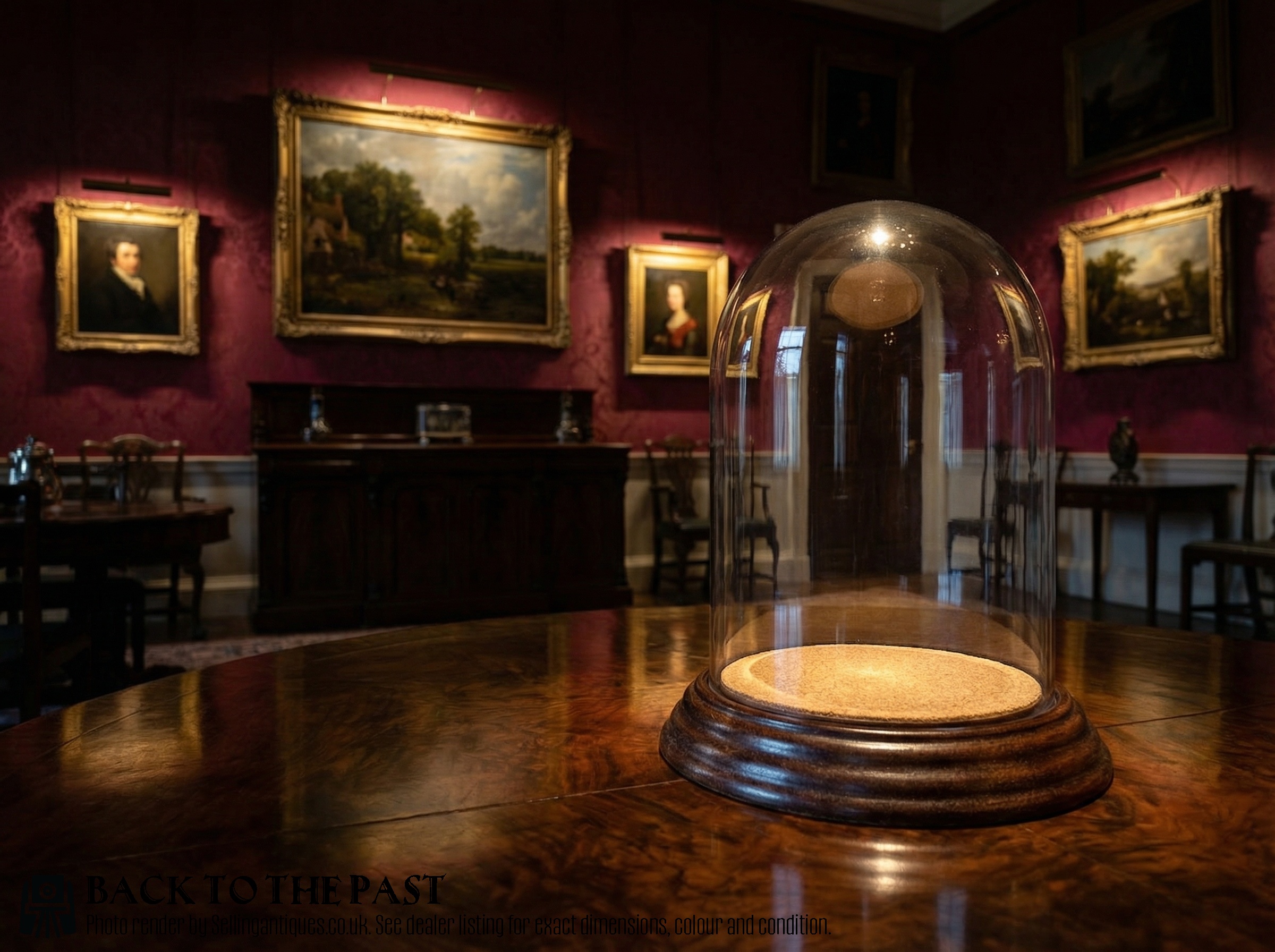
The primary material is clear glass, formed by skilled blowers to create smooth, curved domes with varying wall thicknesses and occasional natural bubbles. These glass vessels are paired with circular or oval bases fashioned from wood, oak, or ebonised wood to provide a stable foundation.
Internal and external embellishments incorporate additional materials such as fabric, glass seed beads, and wire, particularly in decorative floral arrangements. Bases occasionally feature fitted grooves or channels to hold the glass securely in place over the displayed objects.
Retail Price Guide 2026
Typical UK retail prices for victorian glass bell jar, calculated from the Sellingantiques database of over a million retail prices indexed since 2003. This retail price guide relies exclusively on Sellingantiques data; no external sources or auction records are used, so the figures do not describe the wider market.
What varies in quality
Quality rests in the clarity and consistency of the blown glass, where superior examples exhibit fewer distortion waves and bubbles. The choice of base material also marks a distinction, with dense timbers like oak and finely finished ebonised wood elevating the overall presentation.
The integrity of accompanying elements, such as intricate French beadwork bouquets or robust display bases, separates standard utilitarian covers from finer decorative showcases. Scale and proportion play a vital role, as taller or oval formats require greater skill in both glassblowing and base construction.
The Victorian Glass Bell Jar Glossary
- Bell jar
- A rounded glass cover resembling a large bell, used to protect delicate objects from dust. This is the primary form sought by collectors.
- Cloche
- A bell-shaped glass cover traditionally used in gardening or display. It sits directly over the object without a fixed mechanical attachment.
- Ebonised wood
- Timber treated with a dark finish to resemble ebony. It provides a contrasting dark base that highlights the clear glass dome above.
- Taxidermy showcase
- A specialised display enclosure designed to house preserved specimens. These configurations often include fitted wooden bases and tall glass clearances.
Frequently Asked Questions
What fits under a glass bell jar?
These covers house delicate items needing protection from dust and handling in domestic settings.
Common contents include taxidermy specimens, decorative beadwork bouquets, and small treasured ornaments.
How do I clean these glass domes?
Gentle dusting with a soft cloth keeps the glass clear without risking the fragile materials inside. Avoid harsh chemical cleaners that might damage older wooden bases or aged glass surfaces.
Are the wooden bases original?
Most displays retain their fitted timber or ebonised bases designed specifically for the glass cover. These foundations ensure stability and complement the overall aesthetic of the piece.
How do I distinguish Edwardian domes from Victorian ones?
Edwardian examples often lean toward cleaner lines and slightly different proportions compared to earlier Victorian pieces. Examining the heft of the glass and the finish of the wood helps indicate the period of manufacture.
Can I remove the glass cover?
The glass dome lifts off the wooden base to allow access to the internal display. Care must be taken during removal due to the weight and fragility of the blown glass.