

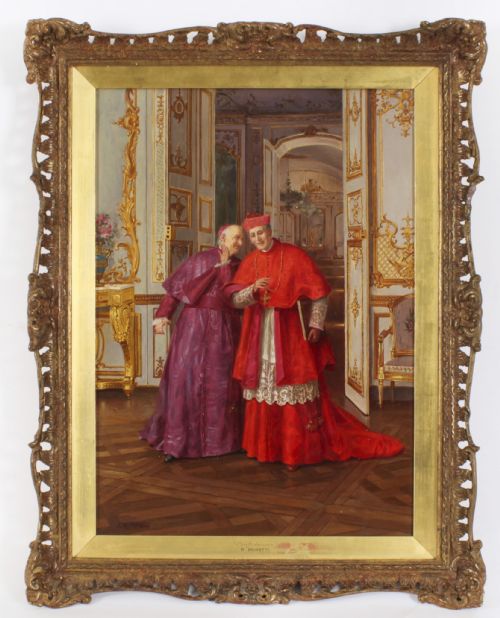
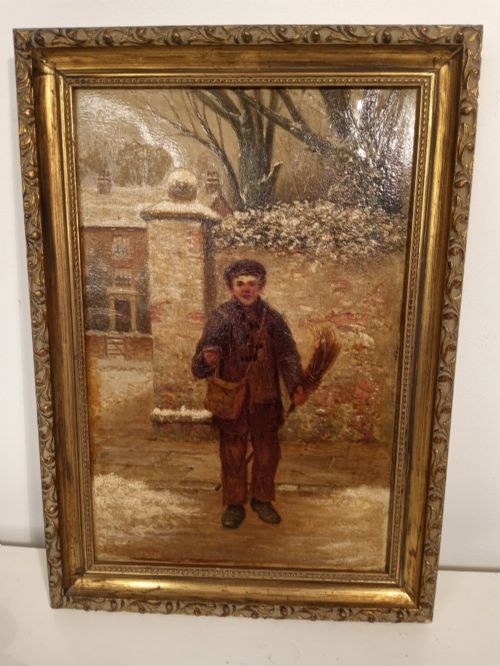
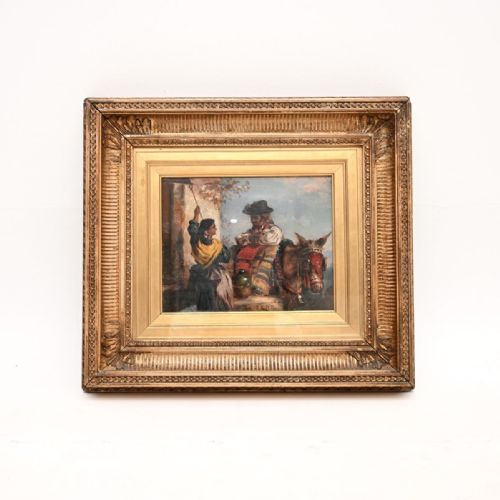
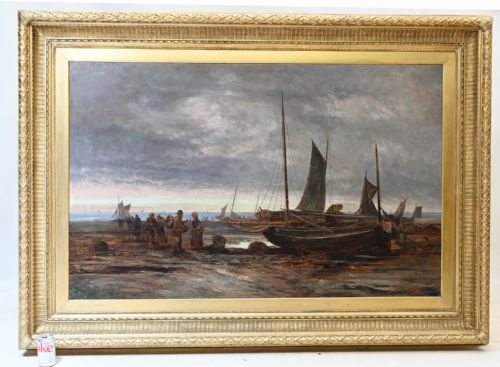
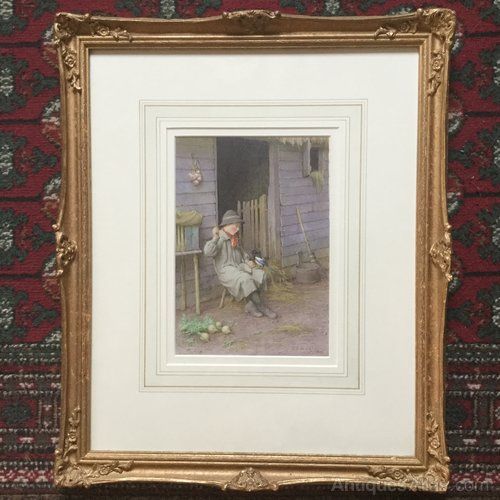

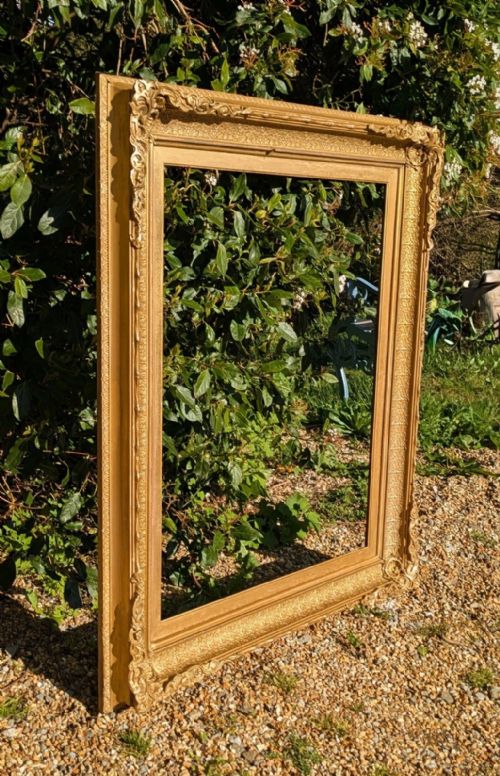
Victorian Giltwood Picture Frame
When you want a victorian giltwood picture frame, you are looking for nineteenth-century craftsmanship built to frame oil paintings and wall mirrors with considerable presence.
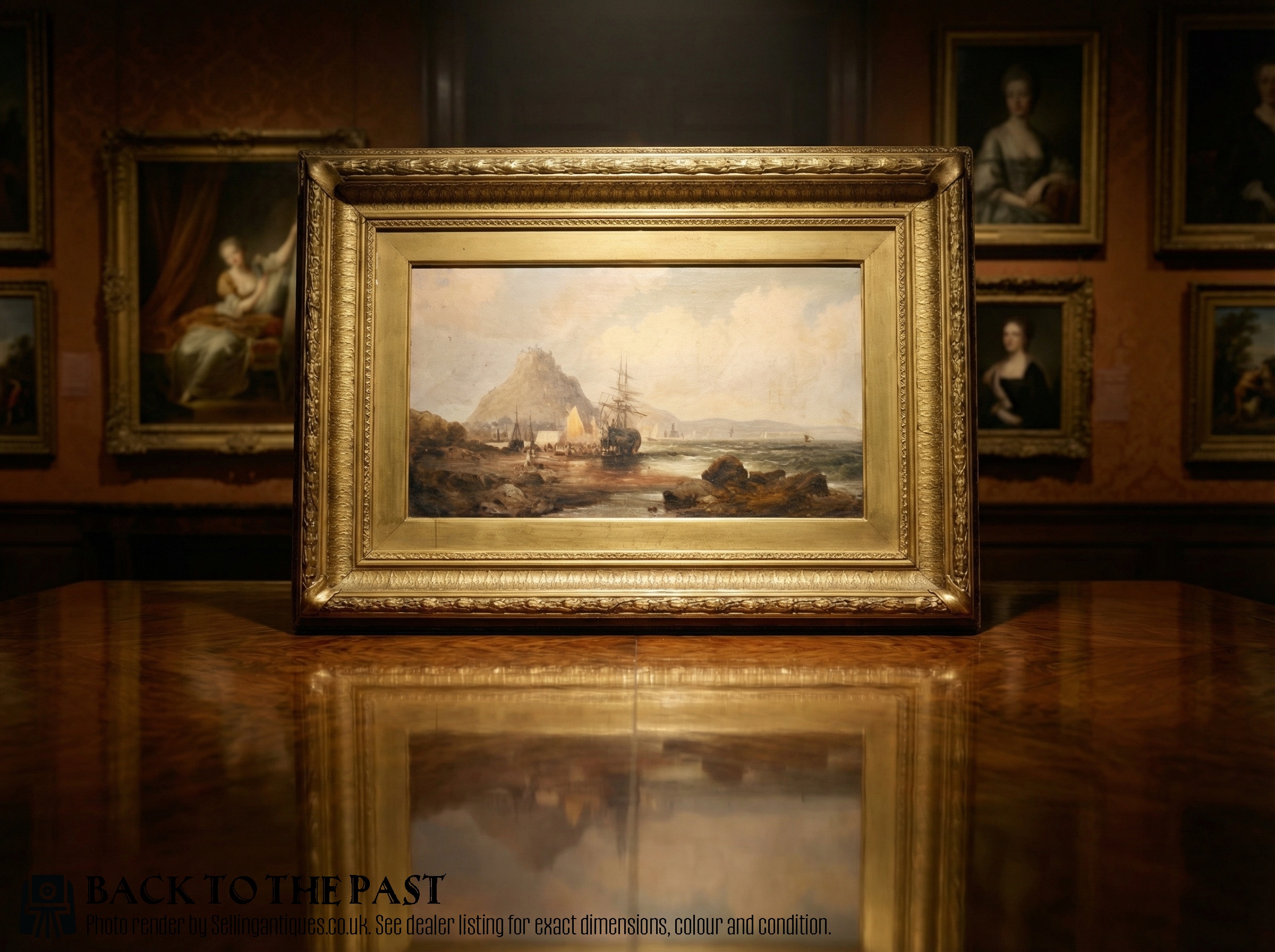
Victorian Giltwood Picture Frame
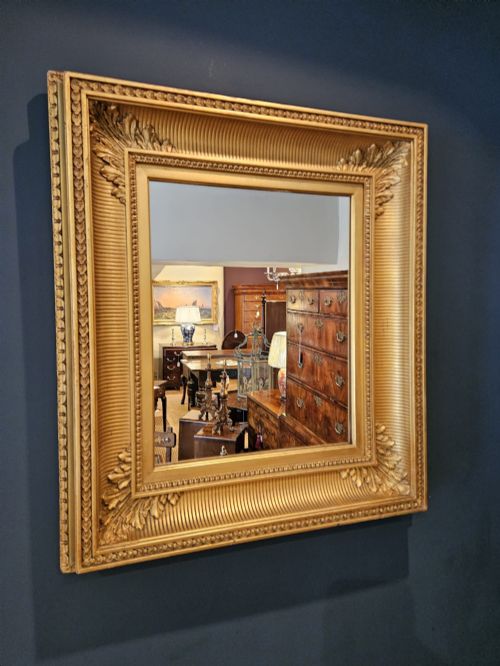
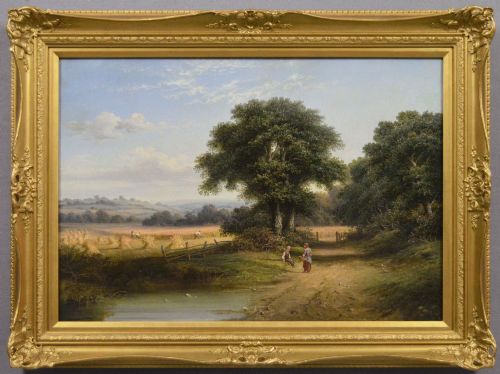
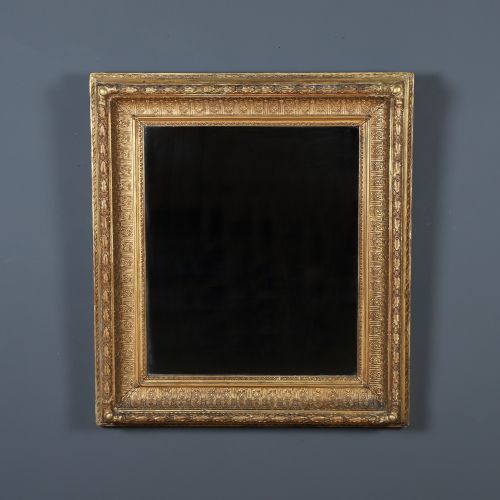
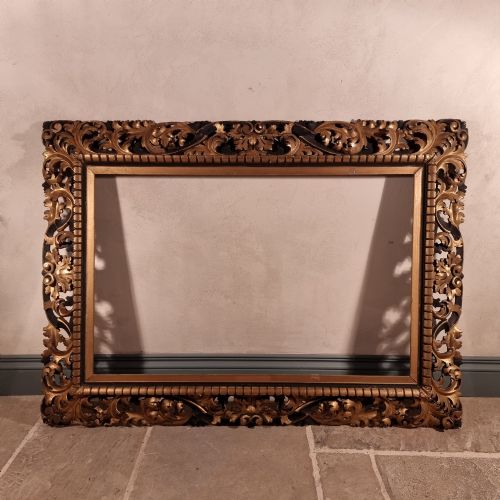
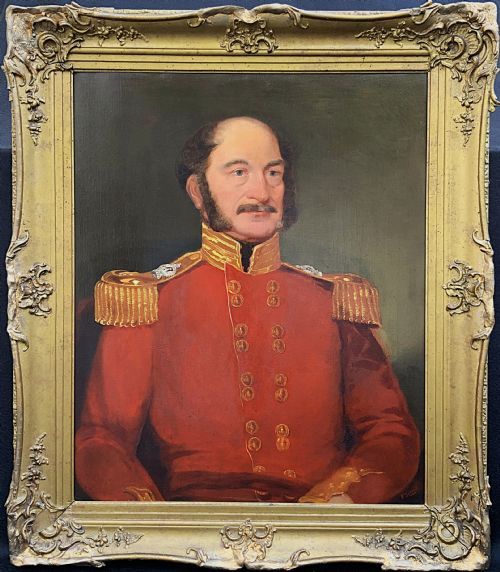
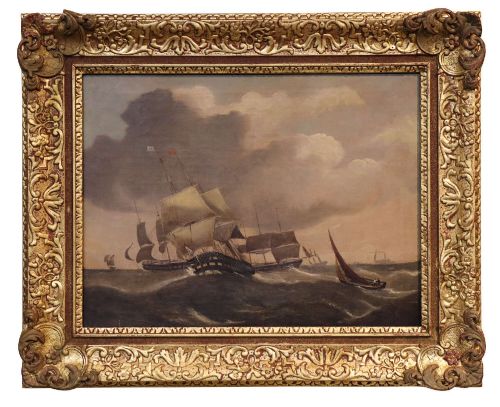
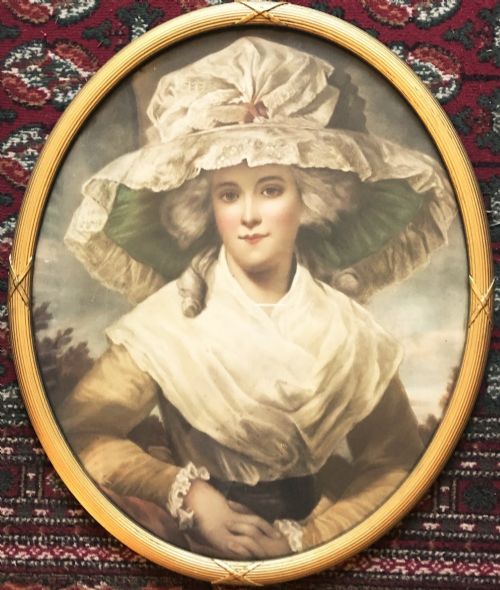
A victorian giltwood picture frame brings together deep wooden moulding and nineteenth-century decorative forms designed to house oil paintings, portraits, and wall mirrors. You will encounter grand overmantle mirrors, deep swept frames, and large rectangular housings suited to maritime scenes and pastoral landscapes.
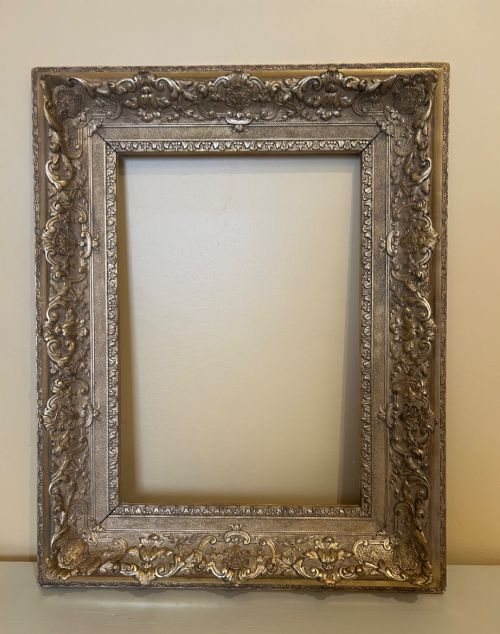
The objects span periods from the mid-nineteenth century through to nineteen hundred, showing styles that range from restrained classical profiles to elaborate rococo revival decoration. Many pieces frame original oil on canvas works, while others function independently as wall mirrors or empty display borders.
Origins stretch across English workshops and continental makers, including Florentine carvers and Italian artisans. Buyers frequently meet pieces featuring acanthus leaf ornamentation, deep rebate depths, and heavily gilded surfaces meant to catch the domestic candlelight of the era.
Materials and Technique
Makers constructed the foundational structure using timber and applied gesso to build up high-relief ornamentation before applying gold leaf. This combination allowed artisans to carve intricate scrolls, floral motifs, and leaf patterns that held crisp edges under the metallic finish.
Guilders laid thin sheets of gold leaf over a prepared bole layer, burnishing selected areas to create a contrast between bright reflective highlights and matte recesses. Woodjoinery methods included strong corner mitres to support the considerable weight of glass or heavy oil on canvas artworks.
Listings feature nineteenth-century items utilising giltwood, gesso, oil paint, canvas, and glass across various decorative styles.
Judgement of Quality
The calibre of a piece rests on the depth of the carving and the dexterity shown in the gesso work, where sharp, undercut foliage distinguishes superior studio output from flat, mechanical moulding. Heavier timber foundations and deep rebate profiles indicate substantial construction intended for major nineteenth-century canvases.
Surface preservation dictates the standing of the object, with skilled burnishing and intact original gilding holding far greater visual harmony than later overpainting or heavy compo repairs. The refinement of the corner mitres and the integrity of the underlying wooden structure complete the distinction between ordinary framing and masterwork output.
Walter Heath Williams·Thomas Kent Pelham·Charles Edward Wilson·John Arthur Lomax·Henry John Boddington
The Victorian Giltwood Picture Frame Glossary
- Giltwood
- Wood covered with gold leaf or gold paint. This finish forms the primary aesthetic surface of nineteenth-century frames and decorative mirrors.
- Gesso
- A plaster mixture applied to a wooden base and sculpted to form low or high relief ornamentation. Artisans carve and gild this layer to create intricate decorative details.
- Swept frame
- A frame profile featuring undulating ogee curves and scrolling corners. This decorative style gained popularity across the Victorian period for framing important oil paintings.
- Overmantle mirror
- A large wall mirror designed to hang directly above a fireplace mantelpiece. These grand fixtures often incorporate extensive giltwood frames and architectural proportions.
- Rebate
- The recessed channel at the back of a frame that holds the canvas, panel, or glass in place. Deeper rebates accommodate heavy stretcher bars and layered backing boards.
Victorian Giltwood Picture Frame: Frequently Asked Questions
Can I hang a heavy Victorian frame safely?
Ensure the wall fixings engage directly with structural studs or masonry using heavy-duty picture hooks rated well above the combined weight of the frame and artwork.
Check that the original wooden frame joints and hanging rings remain solid and secure before committing the piece to wall display.
How do I date a Victorian frame?
Examine the timber species at the reverse, the formulation of the gesso, and the style of the corner construction to align the piece with nineteenth-century manufacturing methods.
Look for tool marks, backing boards, and original labels that often accompany period works dating from eighteen-fifty onwards.
Were these frames made for mirrors or paintings?
Makers built these heavy giltwood surrounds for both large oil paintings and domestic wall mirrors, often utilising similar deep moulding profiles and corner decorations.
Inspecting the rebate depth and the presence of canvas strainers or mirror glass helps determine the original intended function of the piece.