



Victorian Gilt Spoons
Victorian gilt spoons bring a rich layer of nineteenth-century ceremony to the table, offering gleaming gold-washed surfaces that catch the candlelight.
Victorian Gilt Spoons
When you search for victorian gilt spoons, you encounter small serving pieces, berry spoons, and condiment sets created during the nineteenth century. These objects often feature rich gilding over a silver base, bringing a distinct golden warmth to functional dining accessories.
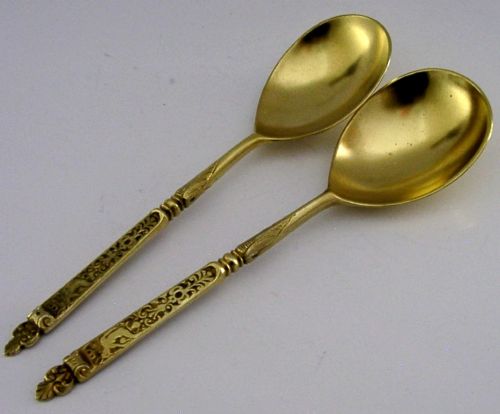
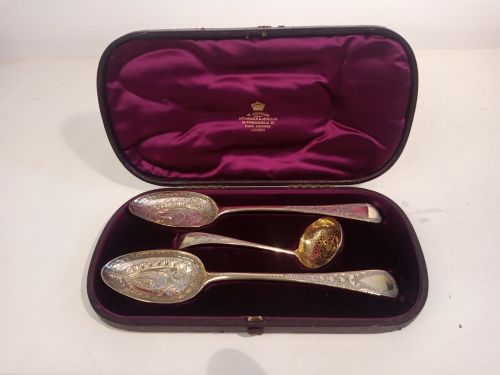
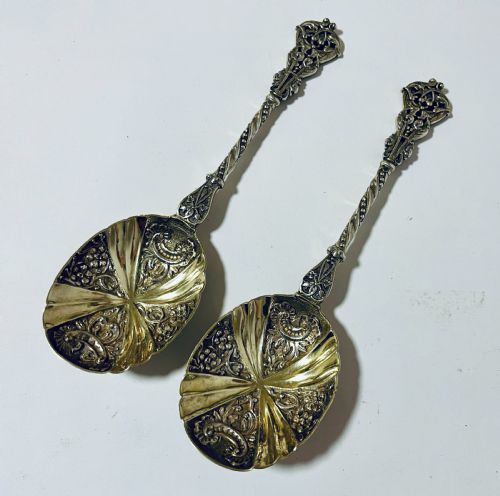
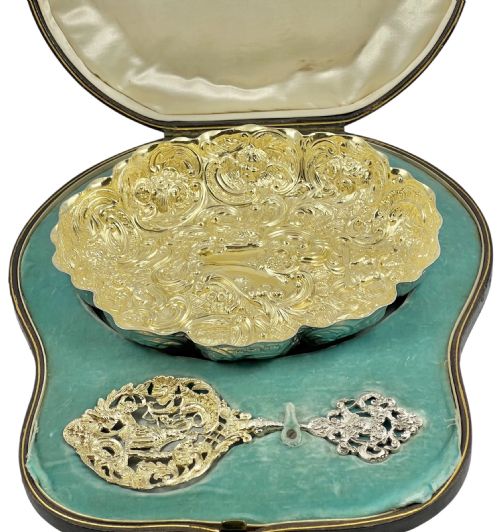
The pieces appearing on this page range from ornate serving cutlery and berry spoons with engraved handles to cased sugar bowls paired with sifter spoons. Many items date from the 1870s and 1890s, showcasing the decorative revivals popular during the period.
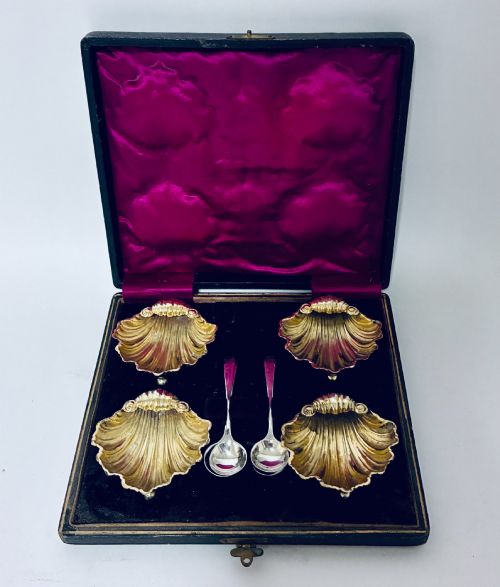
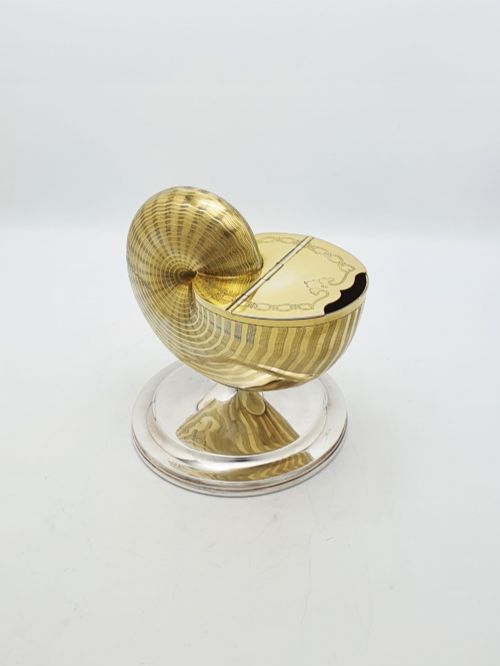
Alongside dedicated spoons, the selection includes related dining silver such as salt cellars, sugar bowls, and spoon warmers. These items demonstrate how nineteenth-century silversmiths integrated gilt work into broader table service collections.
Materials and construction
Makers utilised sterling silver and silver plate as the foundational metals for these items, applying a gold wash known as silver gilt or gold gilt to the interior or entire surface. This technique provided the rich appearance of solid gold while maintaining structural durability.
Surface decoration relies heavily on detailed engraving, shell motifs, and cloisonné enamel work, particularly in pieces influenced by Russian Revival styles. Items often incorporate fitted presentation cases lined with silk or velvet to house the spoons alongside matching bowls and tongs.
Victorian Gilt Spoons Retail Price Guide 2026
Typical asking prices for victorian gilt spoons among the pieces listed under this phrase on Sellingantiques today, from the lower quarter to the upper quarter. They describe what is for sale here now, not the wider market.
The material record includes velvet and silk linings inside presentation cases accompanying the nineteenth-century spoons.
Assessing quality and execution
The distinction between standard items and finer examples rests on the crispness of the engraving and the depth of the gilding. Superior pieces display sharply defined ornamentation on the handles and bowls rather than softened, worn stamping.
Makers who paid attention to fitted elements, such as custom cases lined with velvet and paired glass components, elevate the overall standard of the set. The presence of clear hallmarks and specific maker marks provides definitive proof of origin and metallurgical standard.
George Adams
The Victorian Gilt Spoons Glossary
- Silver gilt
- Silver that has been coated with a thin layer of gold, often referred to as vermeil. This treatment protects the underlying metal from tarnishing while offering a golden appearance.
- Berry spoon
- A large serving spoon with fruit motifs chased or engraved into the bowl, typically produced in the eighteenth and nineteenth centuries. These were used for serving soft fruits.
- Sifter spoon
- A specialised spoon featuring a perforated or pierced bowl, designed for dusting sugar over desserts or fruit. They frequently appear in fitted presentation cases alongside sugar bowls.
- Cloisonne
- An enamelling technique where decorative areas are created by adding partitions of wire to the metal object before filling them with coloured enamel paste. This method appears on specialised nineteenth-century flatware.
- Spoon warmer
- A decorative vessel used in the Victorian era to hold hot water, keeping serving spoons warm for guests. These items reflect the elaborate nature of formal dining rituals.
Victorian Gilt Spoons: Frequently Asked Questions
What are Victorian gilt spoons used for?
These spoons served specific functions during formal nineteenth-century dining, ranging from transferring berries and sugar to handling condiments. Their gold-washed surfaces prevented acidic foods from tarnishing the silver underneath.
Today, they function as decorative table service items or collectible display pieces, adding nineteenth-century character to modern dining settings.
How do you clean silver gilt?
Silver gilt requires gentle care because aggressive polishing wears away the thin layer of gold applied over the silver base. Warm water and a mild soap are generally sufficient for removing surface dust.
Specialised silver dips and abrasive cloths should be avoided entirely, as they strip the gilding and permanently damage the finish of the piece.
How can you date Victorian spoons?
Dating relies primarily on official hallmarks stamped into the metal, which indicate the assay office, the specific year of manufacture, and the silversmith's mark. Stylistic clues such as Rococo Revival or Russian Revival motifs also help narrow the timeframe.
Presentation cases and accompanying documentation provide additional contextual evidence for pieces originating in the nineteenth century.