



Victorian Silver Preserve Spoons
Victorian silver preserve spoons bring table elegance to jam and condiments, offering collectors fine craftsmanship and period charm.
Victorian Silver Preserve Spoons
Victorian silver preserve spoons comprise dedicated utensils designed for serving jam, marmalade, and condiments during formal dining. The selection includes sterling silver items alongside pieces featuring glass bowls and mounted containers. Collectors encounter varied forms ranging from standard condiment spoons to decorative serving pieces with pierced bowls.
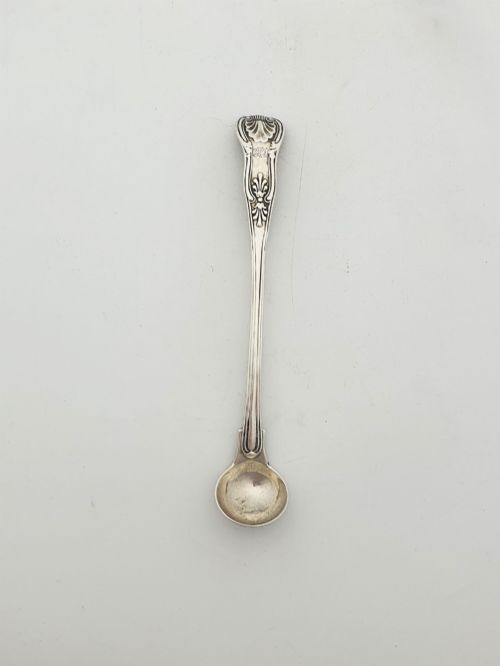
Most examples originate from the Victorian period, with occasional pieces from the Edwardian era. Forms include the Kings pattern, palm pattern, and specialised presentation spoons with figural motifs such as devils or stags. These items frequently appear as individual spoons, matched pairs, or complete sets paired with cranberry glass bowls and mustard pots.
Materials and construction
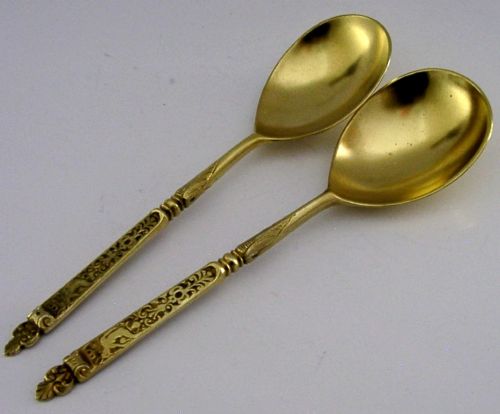
Makers fashioned these pieces primarily from sterling silver and silver plate, frequently incorporating gold gilt finishes on the bowl interiors. Craftsmanship involved traditional silversmithing techniques, including casting, piercing, and pattern stamping such as the Kings and palm designs.
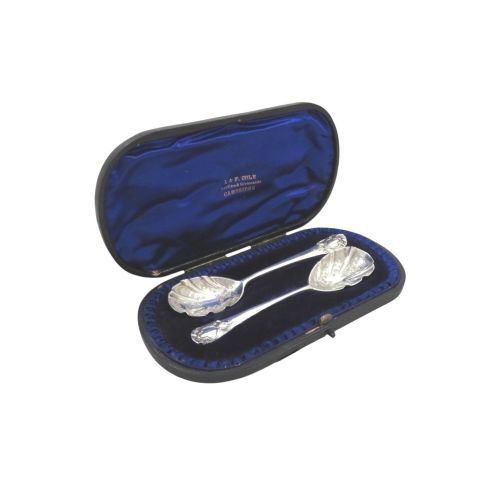
Many preserve sets combine metalwork with other media, uniting silver mounts and pierced spoons with cranberry glass dishes. Storage presentation involved fitted boxes lined with velvet and leatherette to protect the delicate glass and silver components.
Victorian Silver Preserve Spoons Retail Price Guide 2026
Typical asking prices for victorian silver preserve spoons among the pieces listed under this phrase on Sellingantiques today, from the lower quarter to the upper quarter. They describe what is for sale here now, not the wider market.
Makers occasionally indulged a sense of theatre, crafting serving spoons topped with small devils alongside more traditional floral and animal motifs.
Assessing quality
Quality rests in the crispness of the silversmith's work, from the depth of the pattern stamping on handle terminals to the precision of pierced bowl designs. Superior pieces display clear hallmarks and balanced proportions that indicate careful workshop production rather than hurried output.
The integration of materials also dictates standing, particularly where cut glass bowls and silver mounts fit together without excess adhesive or wobble. The presence of original fitted velvet and leatherette presentation cases elevates the completeness of a surviving set.
The Victorian Silver Preserve Spoons Glossary
- Sterling silver
- A silver alloy containing 92.5 percent pure silver and 7.5 percent other metals, usually copper. This standard composition forms the basis of the majority of better quality Victorian cutlery.
- Silver plate
- A base metal object coated with a thin layer of silver through electroplating or older mechanical methods. It offers the appearance of solid silver at a different cost level.
- Cranberry glass
- A rich red glass coloured with gold chloride during manufacture. It became highly popular during the Victorian period for tableware and preserve dishes.
- Kings pattern
- A traditional ornate cutlery design featuring a shell motif and a scroll-edged handle. It appeared frequently on Victorian flatware and condiment spoons.
- Hallmark
- An official stamp applied to precious metals indicating the standard of purity, the assay office, and the date letter. These marks provide the primary evidence for dating Victorian silver.
Victorian Silver Preserve Spoons: Frequently Asked Questions
What is a preserve spoon used for?
These spoons serve jam, marmalade, and fruit preserves from tabletop jars and bowls during formal meals. Their bowl shapes often accommodate thick fruit mixtures better than standard teaspoons.
They function as part of a wider array of Victorian dining silver, frequently accompanying specialised dishes at breakfast and afternoon tea.
How do I date Victorian silver spoons?
Dating relies upon reading the hallmarks stamped directly into the metal by the assay office. These marks include date letters that correspond to specific years of manufacture.
Stylistic indicators such as Kings or palm patterns also help place a spoon within the Victorian or Edwardian periods when maker marks are faint.
Are these spoons made of solid silver?
The listings include both solid sterling silver and silver-plated items alongside pieces mounted with glass components. Hallmarks on the metal help distinguish solid silver from plated alternatives.
Gilt finishes applied to the bowl interiors appear on sterling pieces to protect the silver from the acidity of fruit preserves.
How should I display cranberry glass and silver sets?
Displaying these items involves placing them on dining tables, sideboards, or within glass cabinets where natural light highlights the cranberry glass colour. Direct sunlight should be managed to protect any accompanying velvet or leatherette linings.
Keeping the silver and glass clean preserves the contrast between the polished metal and the rich red glass.