
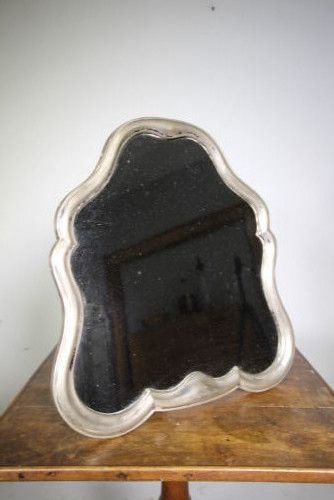


Victorian Gilt Dressing Glass
These victorian gilt dressing glass pieces bring warmth and bright reflection to a room, offering both practical use and ornate period charm.
Victorian Gilt Dressing Glass
A victorian gilt dressing glass typically takes the form of a table mirror, a cheval mirror, or a wall-hanging glass designed for grooming and daily toilette. These items span the nineteenth century, emerging from periods associated with Victorian and Rococo Revival tastes.
Most examples found here appear as tabletop dressing table mirrors or larger floor-standing cheval mirrors framed in gilded wood, gesso, or metal. Associated items such as scent bottles and dressing cases also appear within this category.
Makers and designers drew upon French Rococo, Italian Rococo Revival, and neoclassical aesthetics to shape frames with carved details, shaped tops, and oval or rectangular looking glasses. These objects originated to serve domestic dressing rooms and bedrooms.
Materials and construction
Wood serves as the core structure for many frames, carved and prepared to receive layers of gesso and gold leaf or overpainting. Giltwood and gilded metal create the bright metallic surfaces characteristic of these pieces.
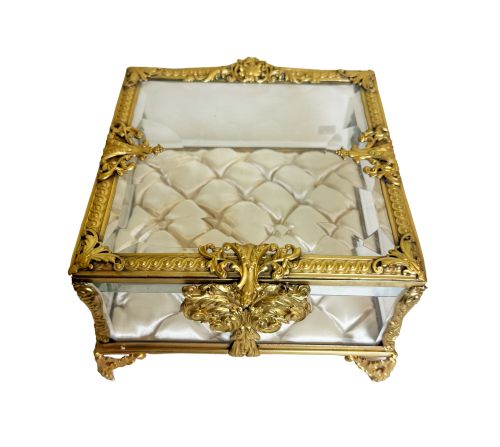
Glass is utilised for the mirror plates, alongside cut glass and silver gilt components found in related dressing table items. Secondary materials like leather and velvet line associated caskets and boxes.
Gentlemen of the nineteenth century also required proper grooming gear, ensuring their travelling vanity sets included secure silver locks for cologne.
Judging quality in gilded mirrors
The depth and execution of the carved wood or gesso ornamentation separate standard frames from exceptionally decorative ones. Finer pieces display crisp, detailed moulding and careful application of gold leaf rather than plain painted finishes.
The preservation of the original mirror plate and the structural stability of the frame joints dictate the integrity of the piece. Superior examples retain their original backing, hardware, and gilding without excessive modern intervention.
Joseph Meissonnier·S Morden and Co·Jenner and Knewstub
The Victorian Gilt Dressing Glass Glossary
- Giltwood
- Wood that has been coated with gold leaf or a gold-coloured finish. This technique creates a luminous surface that catches candlelight or natural daylight.
- Cheval mirror
- A full-length mirror suspended on a vertical frame with a base or legs. This allows the glass to swing and tilt to various angles.
- Gesso
- A plaster-like mixture applied to wood frames to create a smooth surface for gilding and carving. It allows artisans to shape intricate relief ornamentation.
- Pier glass
- A tall mirror designed to hang on the wall between windows or above a console table. These pieces often feature ornate frames matching interior decoration of the period.
Victorian Gilt Dressing Glass: Frequently Asked Questions
Where should a dressing glass be placed?
These mirrors suit dressing tables, chest tops, or bedroom walls where light can reflect across the space. Smaller tabletop versions sit easily on flat wooden surfaces.
Floor-standing cheval mirrors occupy open floor space near wardrobes or bedroom corners, providing a full-length reflection.
How do I clean a gilt mirror frame?
Dust the gilded wood gently with a soft dry brush to remove particles without disturbing the surface. Avoid using water or chemical cleaners on gold leaf.
Clean the mirror plate with standard glass cleaner applied to a cloth rather than sprayed directly onto the glass, preventing liquid seepage into the frame.
What is the difference between a cheval mirror and a dressing mirror?
A cheval mirror is a full-height glass mounted on a freestanding frame with pivoting pivots. It stands independently on the floor.
A dressing mirror is smaller, usually designed to rest on top of a dressing table or chest of drawers to assist with grooming.
Are these mirrors suitable for modern interiors?
The ornate gilt frames provide a striking contrast against plain contemporary walls and neutral colour schemes. They introduce texture and historical character to modern rooms.
Their reflective properties also help to brighten dark corners and create an illusion of space in smaller apartments.