
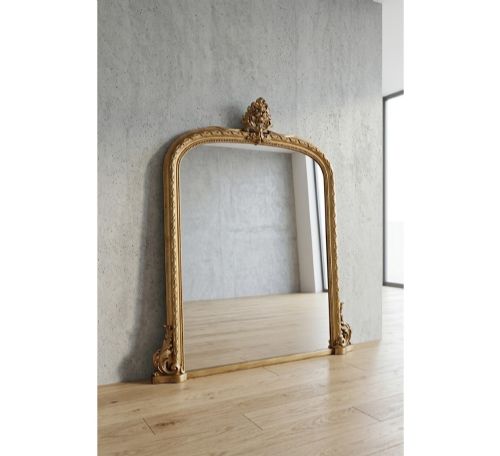
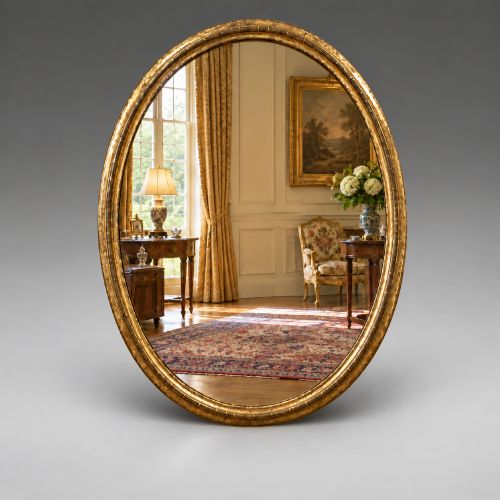
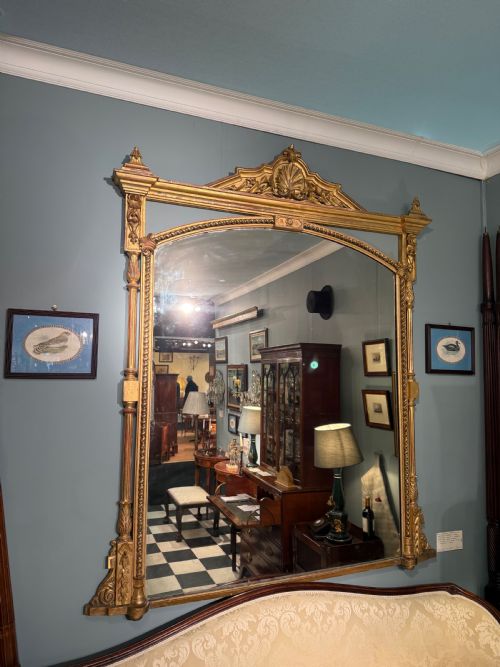
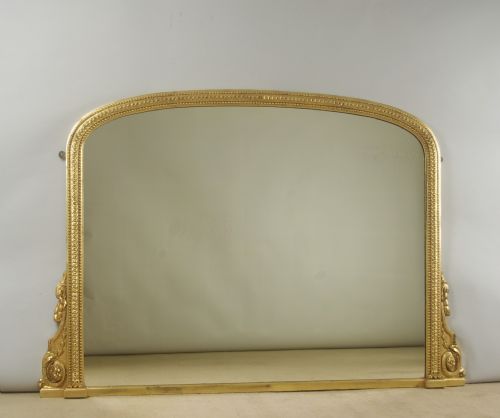
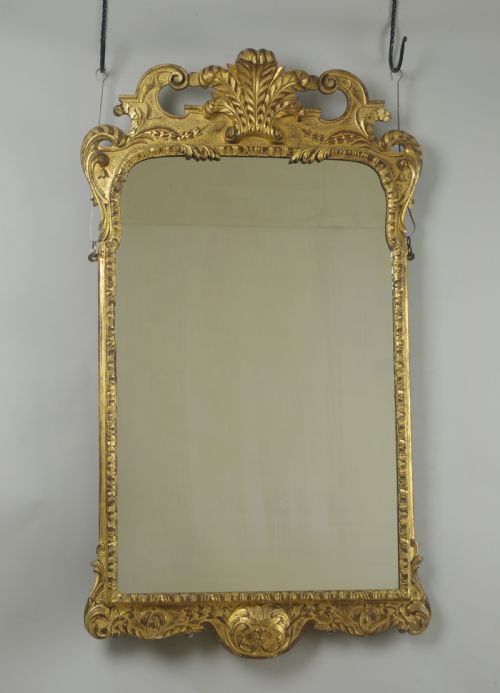
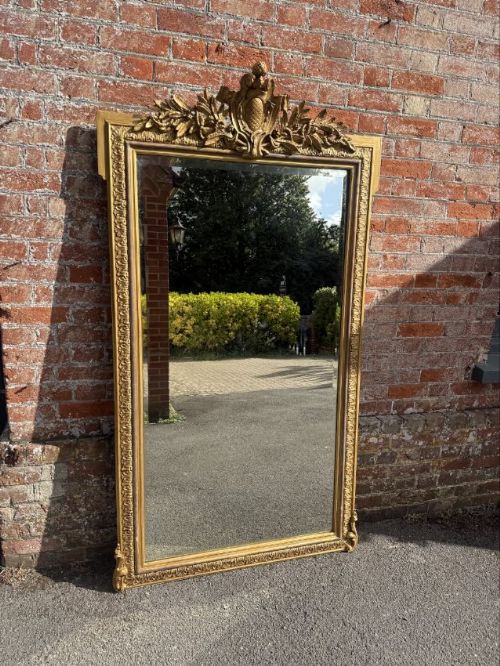
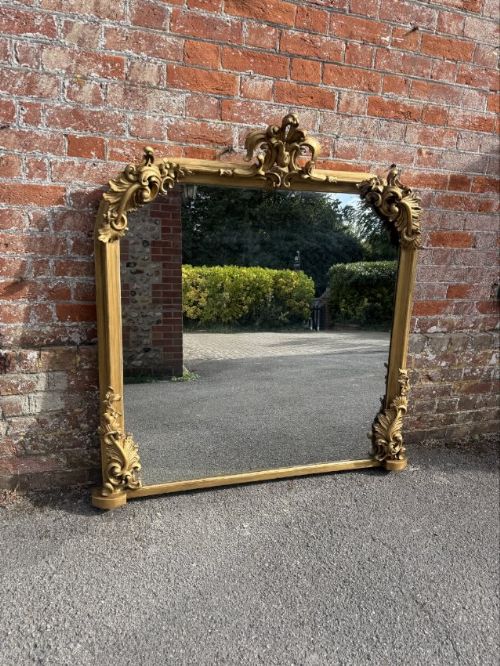
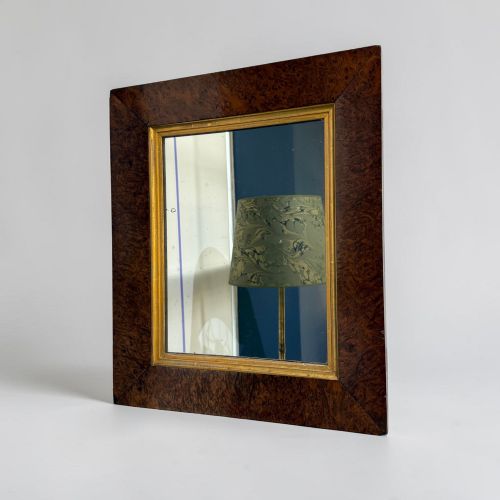
Victorian Gilded Framed Mirror
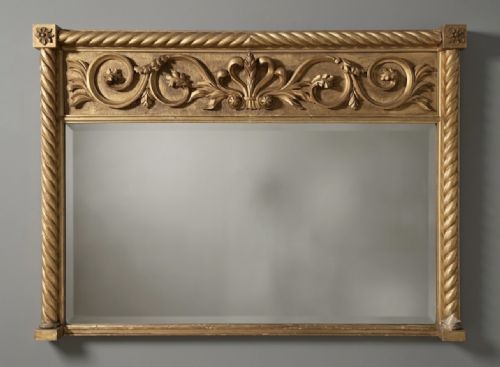
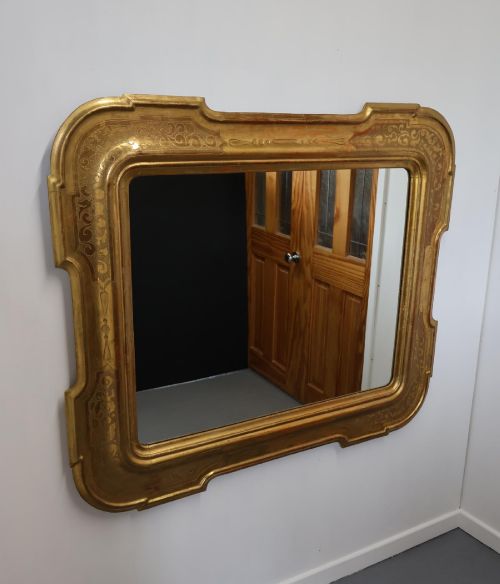
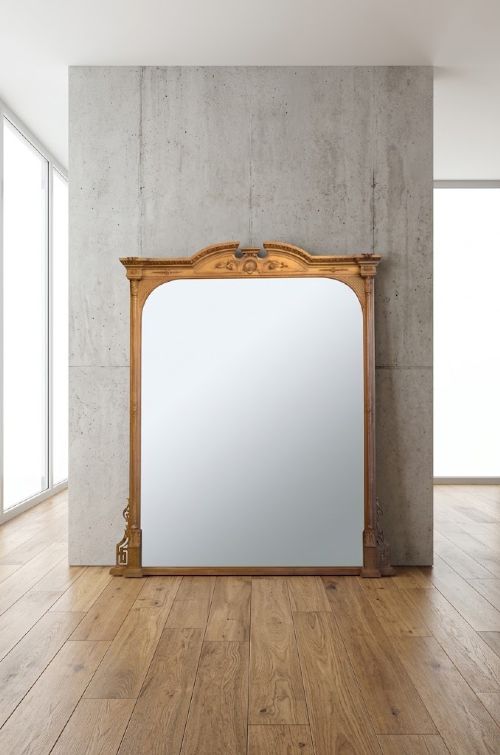
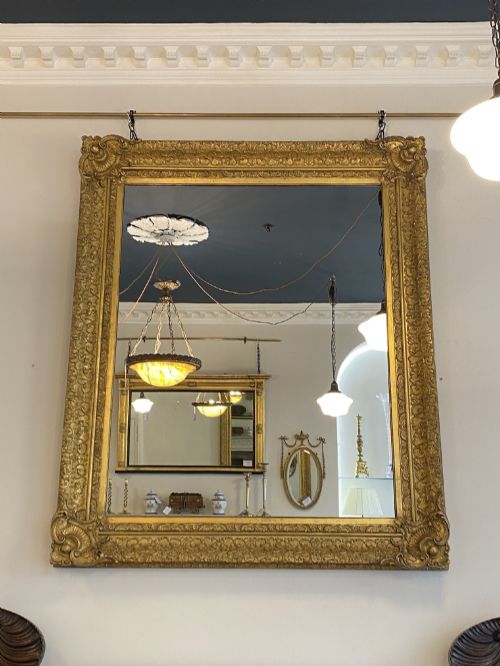
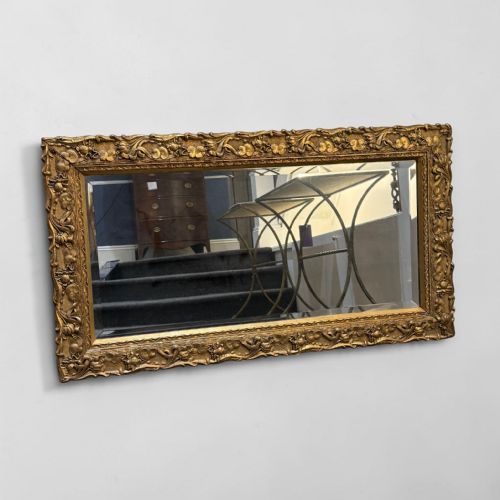
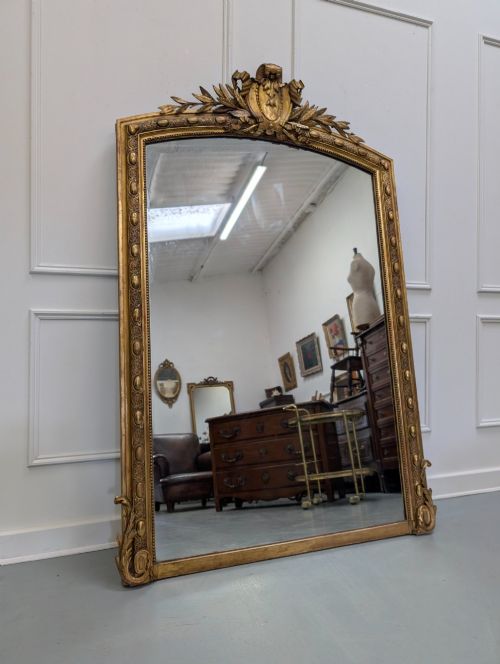
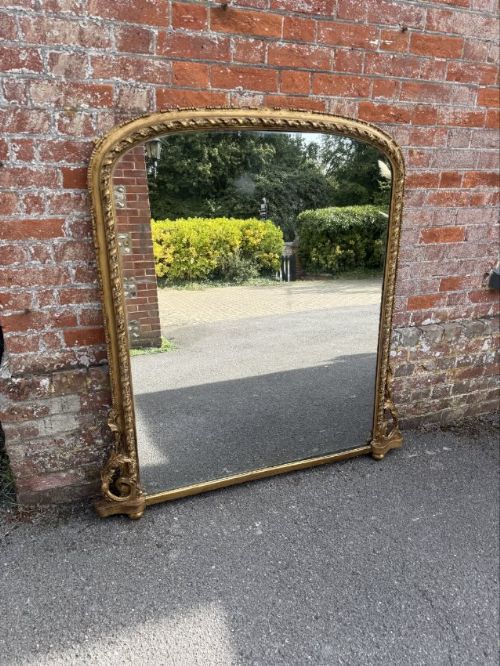
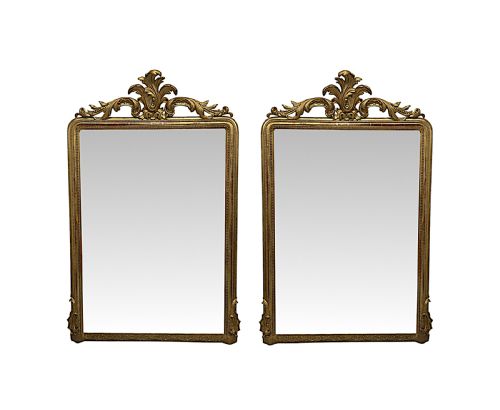
A victorian gilded framed mirror brings nineteenth-century presence to a room through heavy gilt surfaces and carved wooden forms.
Victorian Gilded Framed Mirror
Every victorian gilded framed mirror on this page belongs to the nineteenth century, spanning decades from eighteen fifty to nineteen hundred. These pieces appear principally as large overmantle mirrors, wall mirrors, and pier glasses designed to command a chimney breast or hallway wall.
Makers shaped these objects in varied regional tastes, including English carved designs, French chateau styles, and Florentine formats. Forms range from arched tops and rectangular overmantles to oval formats and picture frames adapted for glass.
Materials and Construction
Craftsmen built the core structure from wood, utilising timber and carved wood to support heavy decorative elements. They applied gesso and composition layers over the wooden base to build up intricate surface ornamentation before finishing.
The decorative schemes rely on gold leaf and gilding to achieve their metallic brilliance. Mirror glass plates, occasionally bevelled or foxed with age, complete the construction.
Materials recorded across these objects include wood, gesso, giltwood, gold leaf, composition, and mirror glass.
Distinctions in Execution
The depth and precision of the carved wood and gesso ornamentation separate standard items from superior examples. Hand-carved details and crisp acanthus leaf, rope twist, or ribbing demonstrate higher workshop competency than moulded composition alone.
Proportion and scale dictate visual impact, particularly in large overmantle and pier glass formats. The preservation of the original gilt surface and the character of the mirror plate itself determine the standing of each piece.
The Victorian Gilded Framed Mirror Glossary
- Gesso
- A plaster-like mixture applied to wood frames to create a smooth surface for gilding. Artisans carved intricate relief decorations directly into this hardened layer.
- Giltwood
- Timber that has been coated with gold leaf or metallic powder. This material forms the golden structure of classical wall mirrors.
- Overmantle
- A large mirror designed to hang specifically above a fireplace mantelpiece. These pieces often feature arched or crested tops.
- Pier Glass
- A tall mirror intended to hang on the narrow wall space between windows. They frequently match console tables.
- Composition
- A moulded mixture of whiting, resin, and oil pressed into ornaments. Workshops used this material as a faster alternative to hand carving.
- Foxed
- A condition where mirror glass develops dark spots and patches due to degradation behind the silvering layer. This effect adds historical character to antique plates.
Victorian Gilded Framed Mirror: Frequently Asked Questions
Where should I hang an overmantle mirror?
These large mirrors belong directly above a fireplace mantelpiece where they reflect light and anchor the room.
Ensure the wall fixings match the substantial weight of the timber and gesso frame.
How do I date a gilded mirror?
Examine the construction methods, the composition of the frame, and the style of the carving. Nineteenth-century pieces often display specific revival motifs and hand-applied gesso work.
The backboards and fixings provide further clues regarding the manufacturing period.
What is the difference between gesso and composition?
Gesso is a liquid plaster mixture brushed onto wood to receive fine carving details. Composition is a dough-like material pressed into moulds to create repetitive ornaments quickly.
Finer mirrors utilise more hand-carved gesso work rather than moulded composition.
Can I clean the original gilt surface?
Dust the frame gently with a soft, dry brush to remove loose particles. Avoid using water, liquid cleaners, or chemical solvents on historic gilding.
Moisture can damage the fragile gesso and lift the gold leaf from the wood.