


Victorian Gesso Gilt Frame
A victorian gesso gilt frame brings nineteenth-century texture and metallic warmth to a room.
Victorian Gesso Gilt Frame
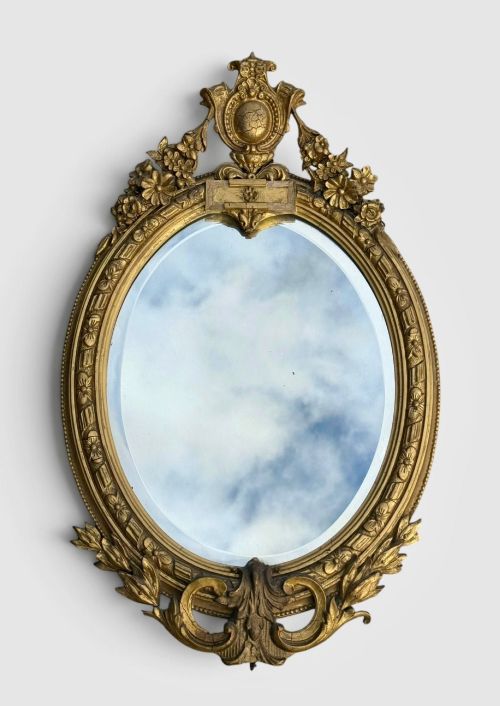
A buyer examining a victoricn gesso gilt frame encounters objects designed to hold mirrors, artwork or needlework. These pieces span the mid to late nineteenth century, encompassing English, French and Italian examples.
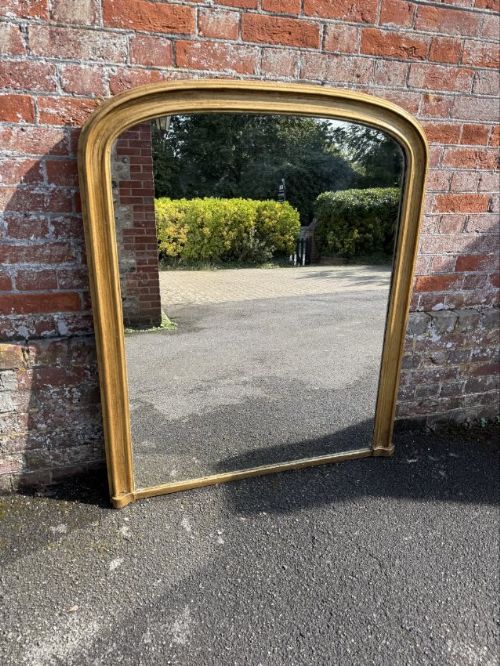
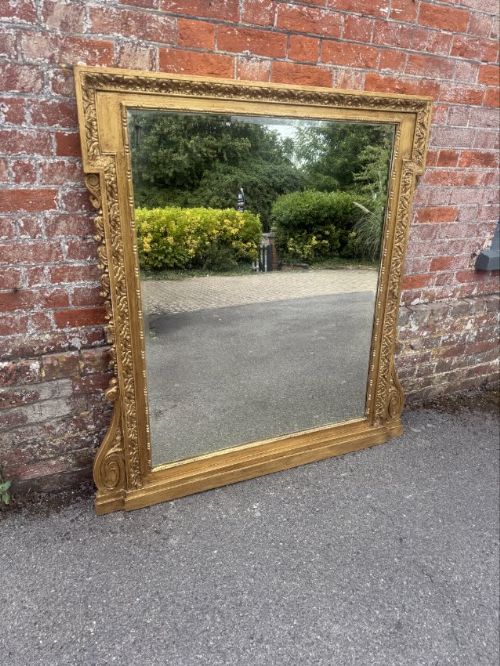
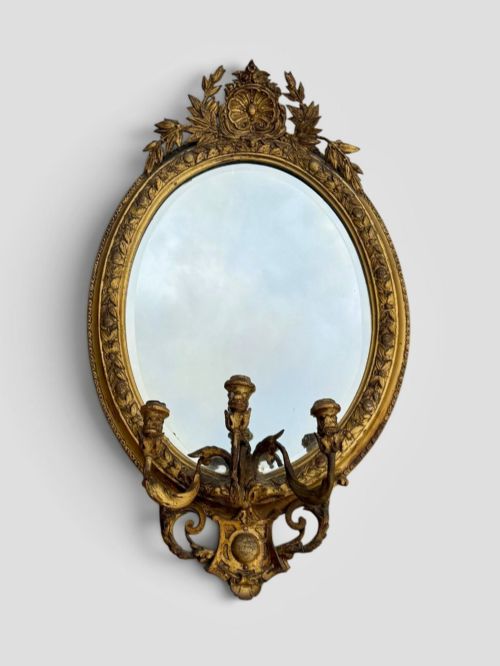
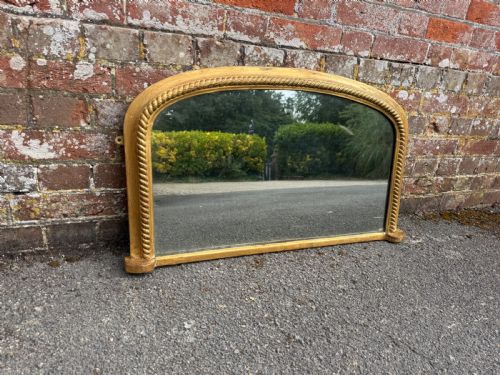
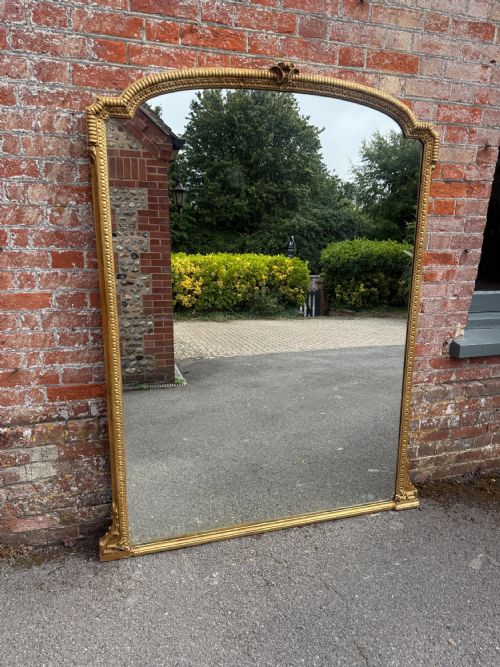
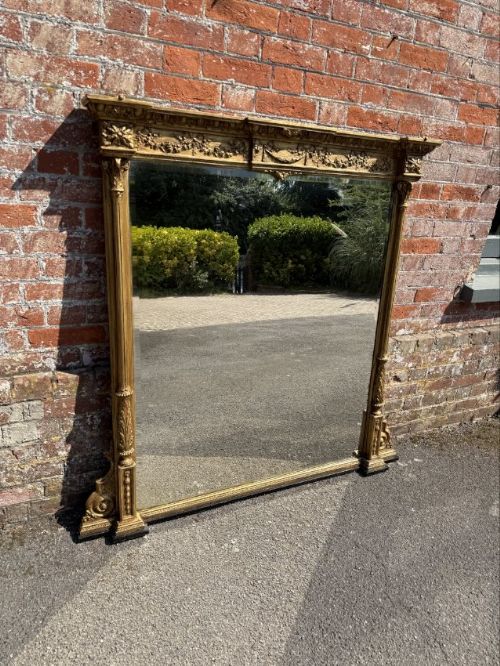
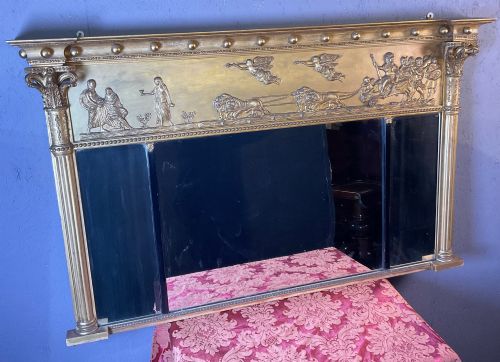
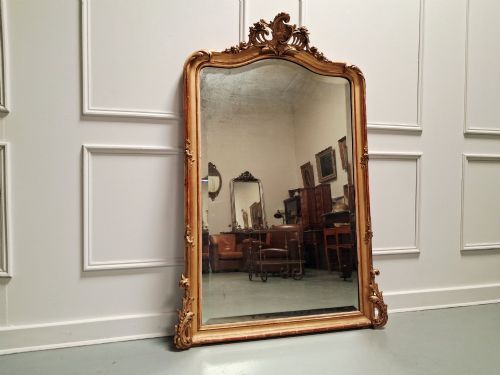
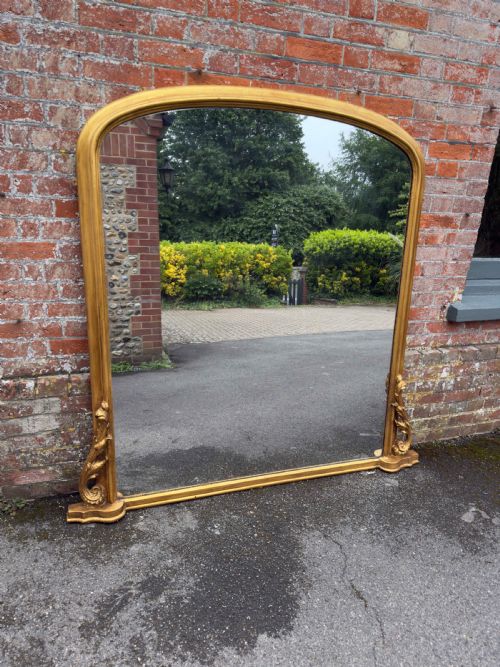
The most common form on this page is the large overmantel mirror, often featuring an arched top and substantial wooden construction. Wall mirrors, picture frames and pier mirrors also appear regularly in various decorative styles.
Materials and construction
Makers built these frames using a wooden base, which was then coated in gesso to receive intricate surface ornamentation. Artisans applied gold leaf or gilt finish over the prepared ground to achieve a bright metallic appearance.
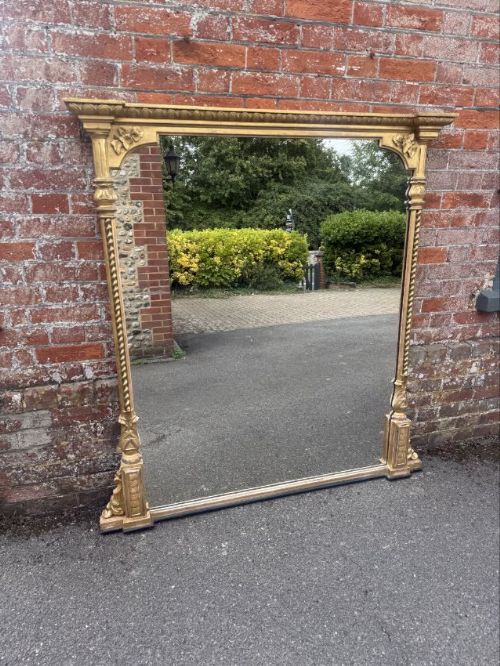
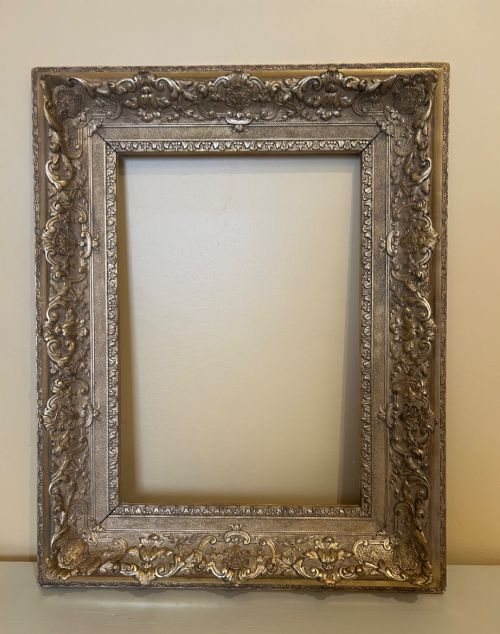
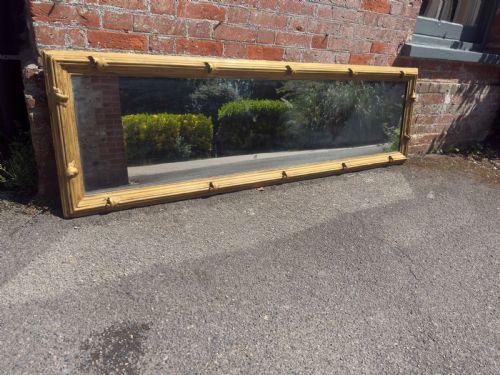
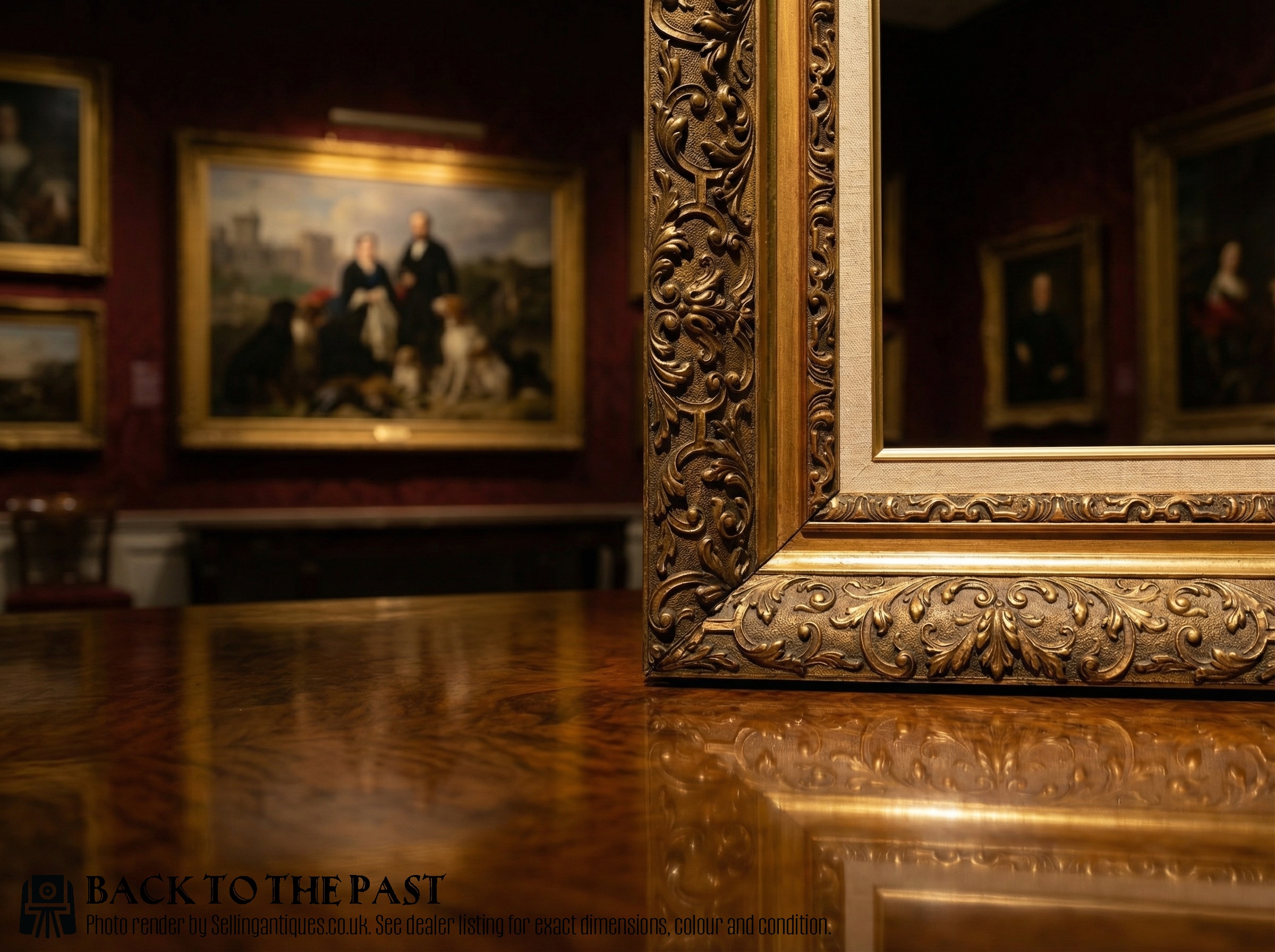
Carved wood elements provide structural depth, while moulded gesso creates repeating decorative motifs such as rope twists, columns and leaf patterns.
Listings feature items dated from eighteen-fifty through the late nineteenth century, constructed primarily from carved wood, gesso, and mirror glass with gold leaf finishes.
Factors that distinguish examples
The crispness of the modelling in the gesso relief work marks the distinction between standard production and finer craftsmanship. Deep, sharp undercuts in carved wooden details and well-preserved gilding indicate superior execution.
The complexity of the frame profile, such as layered rope twists, ribbed columns or elaborate floral crests, demonstrates the ambition of the original maker.
The Victorian Gesso Gilt Frame Glossary
- Gesso
- A plaster-like mixture applied to a wooden substrate to create a smooth surface for carving and gilding. It allows for the formation of sharp relief details.
- Giltwood
- Timber that has been coated with gold leaf or metallic powder. This finish gives the frame its characteristic reflective surface.
- Overmantel
- A large mirror or frame specifically proportioned to hang above a fireplace mantelpiece. These pieces frequently feature arched or shaped tops.
- Rope twist
- A carved or moulded decorative pattern resembling twisted cord. It appears frequently along the inner or outer moulding of nineteenth-century frames.
Victorian Gesso Gilt Frame: Frequently Asked Questions
How do I hang a heavy overmantel mirror?
These substantial wooden frames require secure anchorage directly into wall studs using heavy-duty hardware. Professional installation is recommended given the combined weight of the wood, gesso and glass.
Position the mirror at a height that complements the proportions of the surrounding room and fireplace.
Were these frames used exclusively for mirrors?
While many house mirror glass, a significant number serve as picture frames for oil paintings, fine art and nineteenth-century needlework. Some smaller versions enclose portrait miniatures or photographs.
Makers constructed them with sufficient depth to accommodate stretchers and backing boards.
How do I clean a gilt gesso surface?
Dust the frame gently using a soft, dry brush to prevent accumulation in the intricate recesses of the gesso relief. Avoid liquid cleaners, chemical sprays or damp cloths, which can damage the delicate gold leaf and underlying plaster.
Preserving the original dry surface maintains the historical integrity of the piece.
What styles are common in these frames?
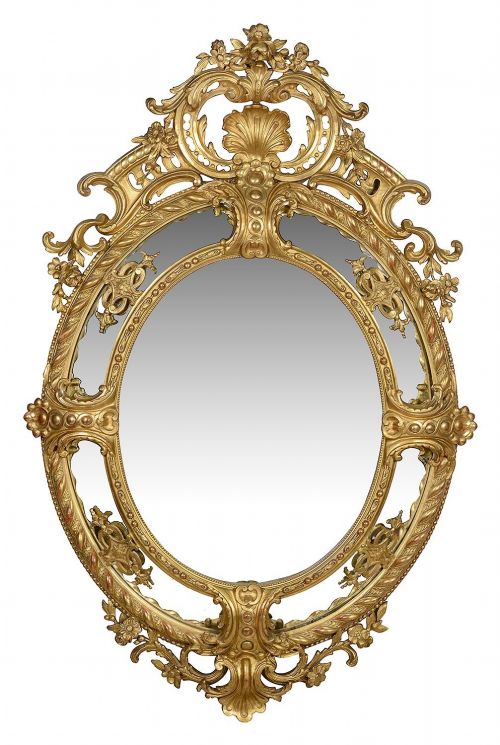
Rococo revival and classical French designs dominate the selection, featuring scrollwork, floral motifs and asymmetrical elements. English nineteenth-century makers also utilised architectural column frames and geometric ribbed patterns.
These varied aesthetic influences reflect the eclectic taste of the Victorian era.