





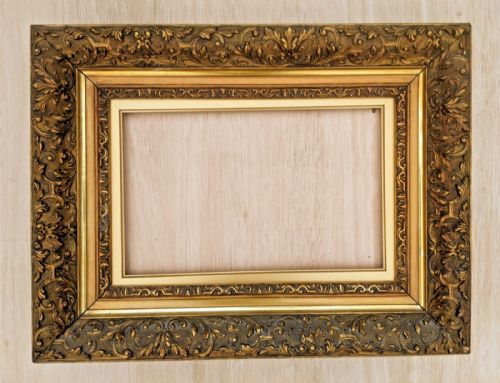


Heavy Ornate Picture Frame
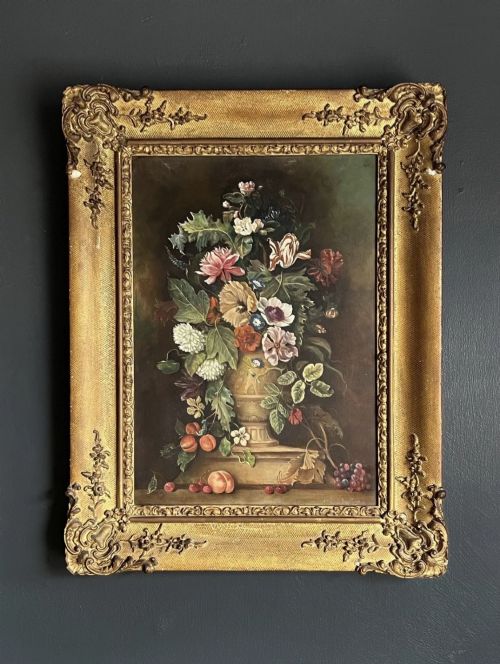
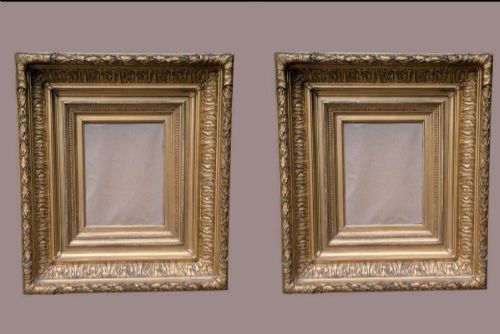
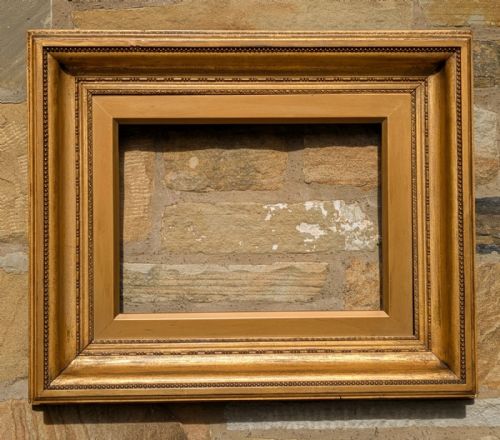
These heavy ornate picture frame pieces offer substantial moulding and rich surface work, bringing period weight and deep decorative presence to walls.
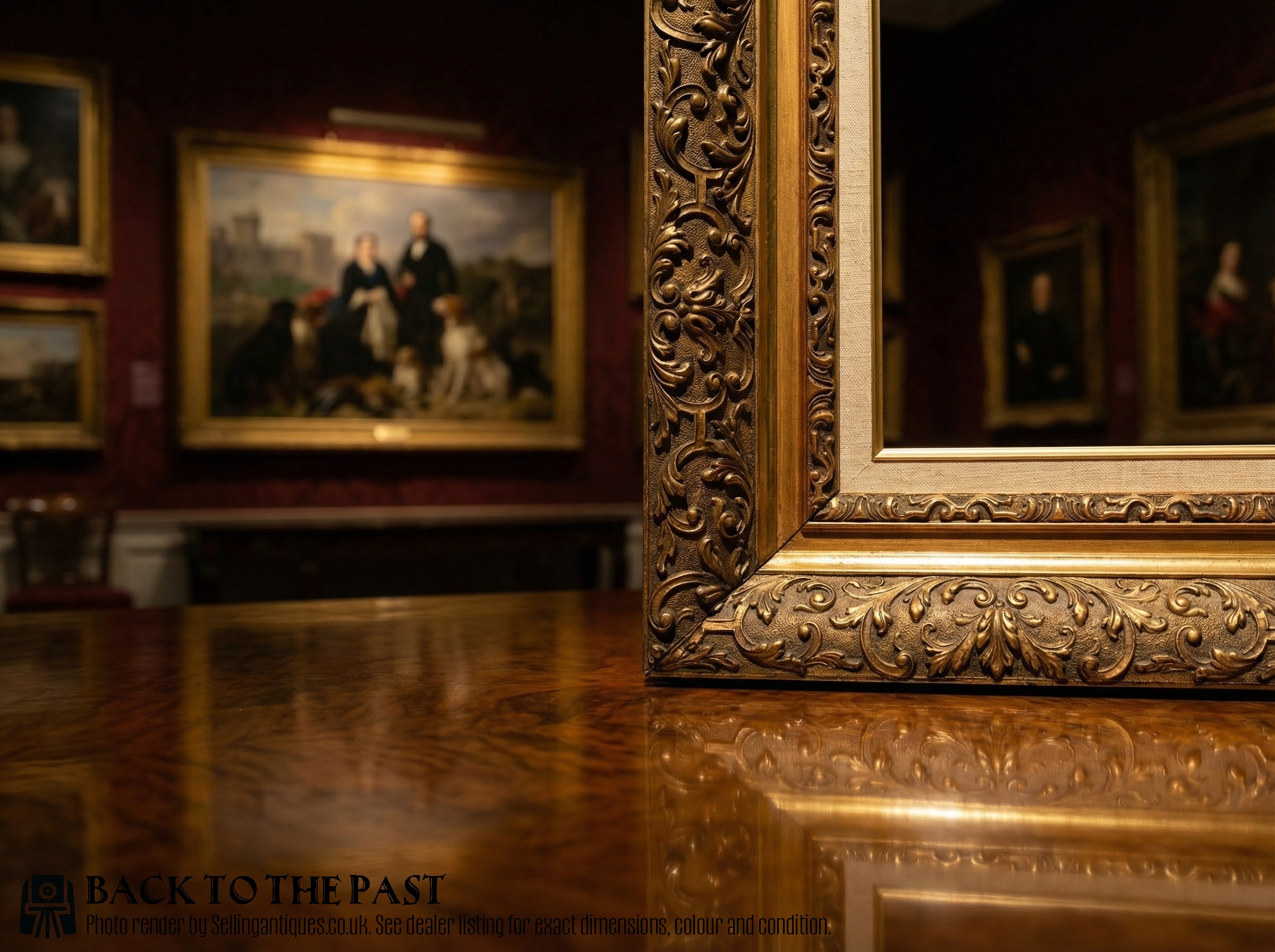
Heavy Ornate Picture Frame
When you search for a heavy ornate picture frame, you are looking at substantial surrounds designed to hold fine art, mirrors, or large photographs with considerable visual weight. These items carry the robust architectural presence required to anchor a formal interior or complement large-scale canvases.
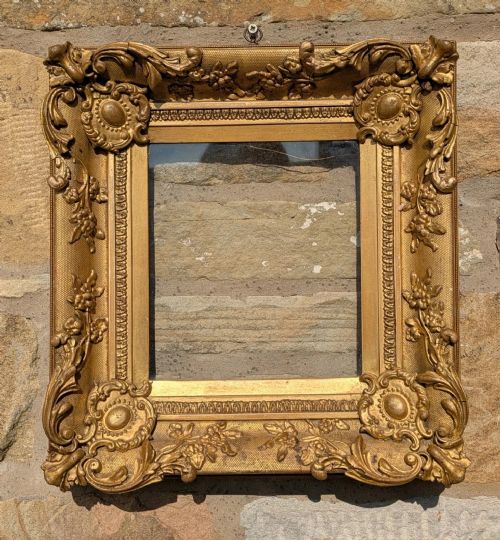
On this page, you are most likely to meet nineteenth-century Victorian examples, often styled in the Rococo Revival, Baroque Revival, or Grand Regency manners. These pieces typically present deep profiles and elaborate surface decoration meant to command attention in a room.
How they were made
The construction of these pieces relies on a sturdy wooden base that supports the heavy architectural weight of the moulding. Artisans built up complex sculptural profiles using gesso, a plaster-like mixture applied to the wood and carved or moulded into intricate scrolls and floral motifs.
Surface finish is achieved through the application of gold leaf or gilding over the gesso, creating a luminous metallic sheen that catches ambient light. Some examples incorporate a linen slip within the deep frame recess to provide a textural contrast against the gilded outer moulding.
Heavy Ornate Picture Frame Retail Price Guide 2026
Typical asking prices for heavy ornate picture frame among the pieces listed under this phrase on Sellingantiques today, from the lower quarter to the upper quarter. They describe what is for sale here now, not the wider market.
Listings here feature materials such as gesso, gold leaf, and giltwood applied to substantial nineteenth-century wooden frames and wall mirrors.
What varies in quality
The standard of a heavy ornate picture frame is defined by the crispness of the moulded ornament and the depth of the rebate profile. Finer examples display sharply defined gesso work where floral and scroll details remain distinct rather than softened by excessive layers of later coating.
Heft and structural integrity also separate the grades, with superior pieces maintaining solid timber construction that supports the heavy surface ornamentation without warping. The richness of the gilding and the integrity of the corner joins further distinguish the more ambitious commissions from standard production.
The Heavy Ornate Picture Frame Glossary
- Gesso
- A mixture of plaster of Paris, chalk, and size used as a base for moulding and gilding. This compound allows craftsmen to carve intricate relief patterns before applying gold leaf.
- Giltwood
- Timber that has been coated in gold leaf or gold paint. This material provides the brilliant metallic finish characteristic of formal period surrounds.
- Rococo Revival
- A nineteenth-century design style drawing on eighteenth-century motifs like C-scrolls, asymmetric curves, and naturalistic shell forms. It dominates the ornamentation found on many heavy picture frames.
- Linen Slip
- A fabric-covered inner border placed between the picture and the outer frame moulding. This element creates a neutral visual buffer that enhances the depth of the presentation.
Heavy Ornate Picture Frame: Frequently Asked Questions
What fits inside a heavy ornate picture frame?
These frames are traditionally built to house oil paintings on canvas, large landscape or portrait artworks, and heavy wall mirrors. The deep rebate profile accommodates substantial stretcher bars and backing materials.
Many examples on this page have historically housed fine art oils or decorative mirrors, making them versatile for displaying large visual pieces without requiring custom joinery.
How do I hang a heavy ornate picture frame?
Due to the substantial weight of the wood, gesso, and glass or canvas contents, proper wall anchors and heavy-duty fixings are essential. Professional mirror plates or strong picture wire attached directly to the wooden chassis provide the necessary security.
Checking the load-bearing capacity of the wall and securing the hanging hardware into studs ensures the frame remains safely supported over time.
How do I date a heavy ornate picture frame?
Dating relies on examining the construction of the wooden corners, the composition of the gesso, and the style of the ornamentation. Nineteenth-century Victorian and Rococo Revival pieces typically feature machine-sawn timber combined with hand-applied gesso mouldings.
Earlier examples from the seventeenth or eighteenth centuries often show distinct hand-chiselled joinery and different formulations of the underlying gesso layers compared to later revival pieces.
Can I use these frames for modern art?
Pairing a period frame with contemporary art creates a deliberate contrast between historic ornament and modern visual statements. The deep profile and rich gilding provide a strong architectural border that can ground minimalist or abstract works.
Ensuring the internal dimensions match the modern canvas or panel depth allows the artwork to sit correctly within the deep rebate of the moulding.