
Antique Wall Frames
When you search for antique wall frames, you are looking at centuries of enclosed artistry, from gilded mirrors to oil paintings.
Antique Wall Frames
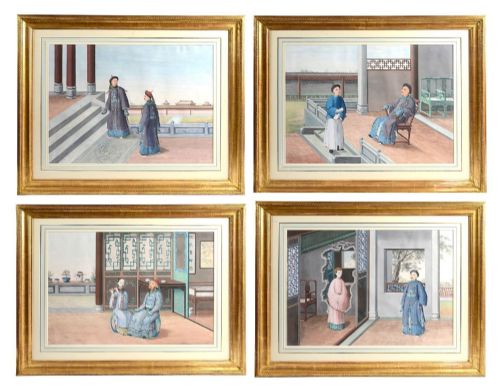
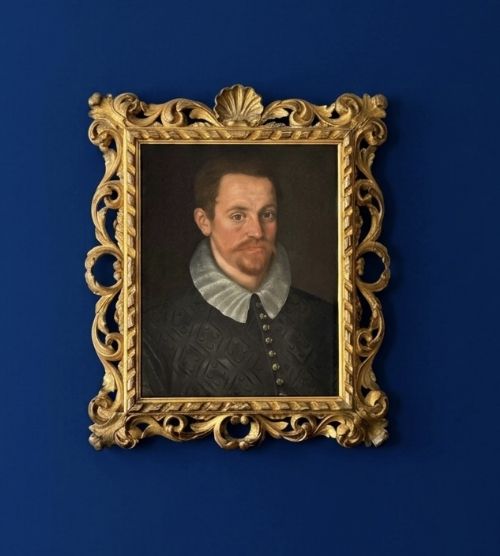
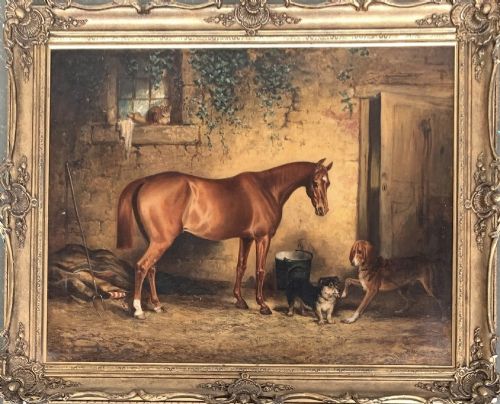
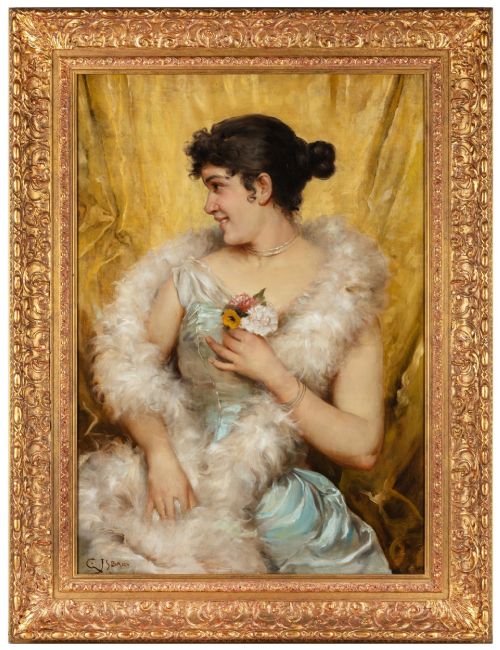
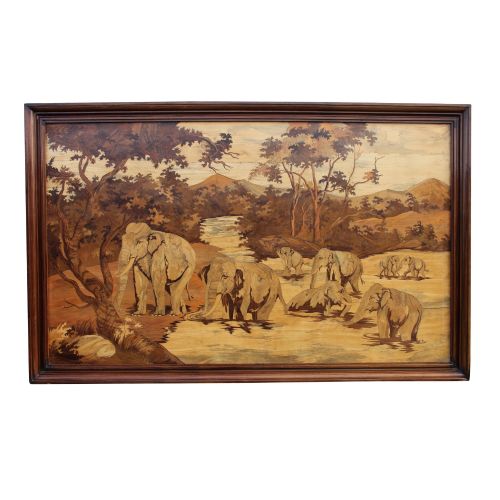
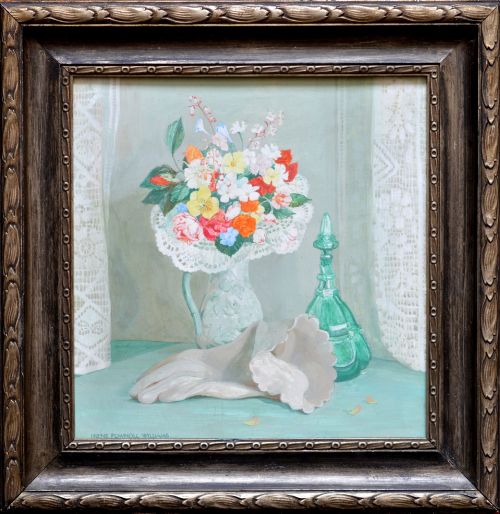
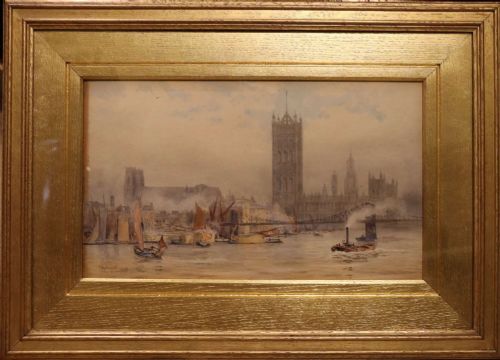
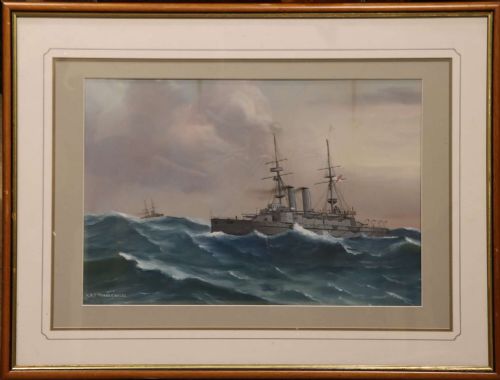
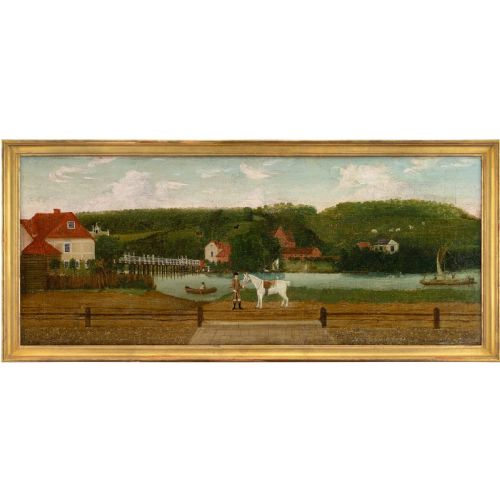
When searching for antique wall frames, buyers encounter a diverse selection of enclosed works, predominantly consisting of oil paintings, wall mirrors, watercolours, and needlework samplers. These pieces span from the seventeenth century through to the mid-twentieth century, originating from English, French, Bavarian, Flemish, and Chinese makers.
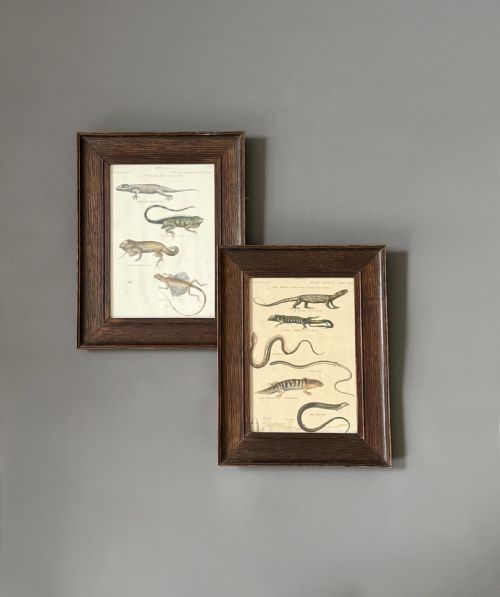
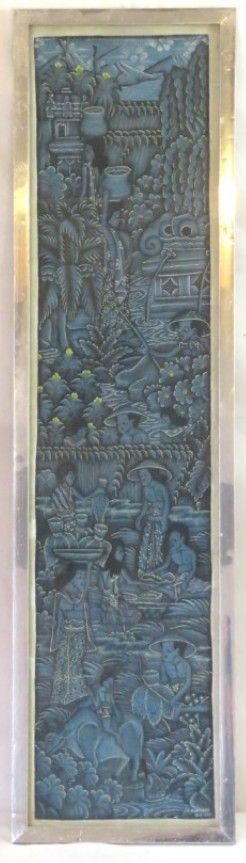
The assortment includes domestic portraits, maritime scenes, and botanical engravings, alongside decorative items such as marquetry panels and textile art. Many listings present the artwork and its period housing as a singular decorative object for interior display.
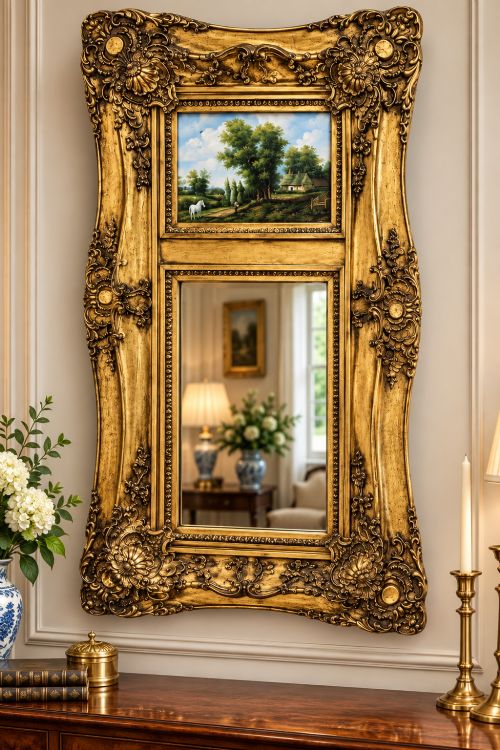
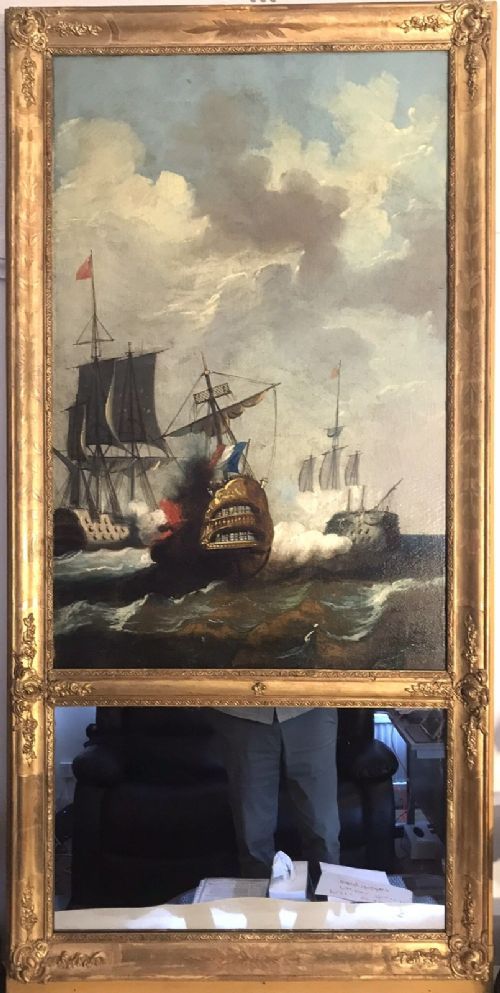
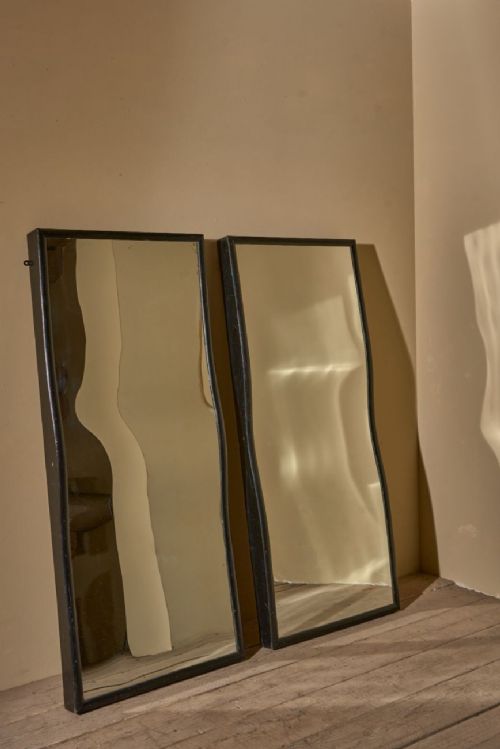
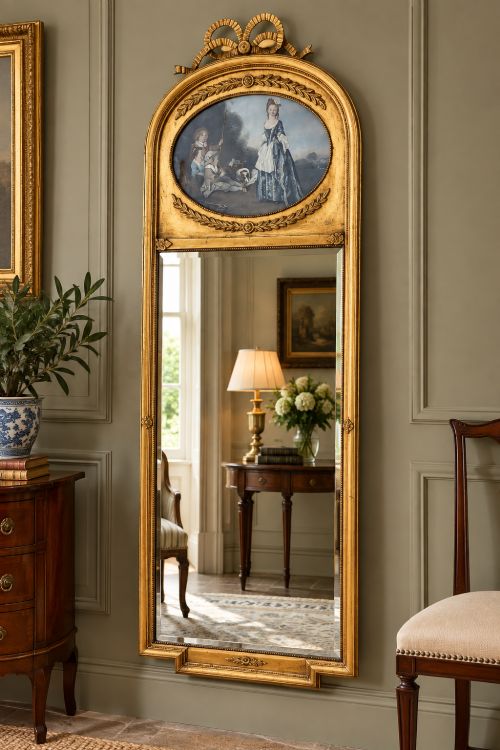
Mirrors range from French trumeau and rococo styles to Victorian pier designs and early twentieth-century fairground mirrors, showing how functional glass integrated with period joinery.
What varies in quality
Quality rests in the depth of hand-carving on wooden mouldings, the crispness of applied gesso work, and the purity of the original gilding or gold leaf layers. Superior pieces retain their original mirror plates, hand-stretched canvases, and untouched period finishes without modern over-painting.
The artistry of the contained oil painting, engraving, or textile art dictates the overall significance of the piece, where skilled brushwork and documented schools elevate the work far above standard decorative items.
The inventory combines fine art paintings, mirrors, and needlework samplers with diverse origins from British, European, and Chinese workshops.
William Bird MD FLS·Henry Barraud·Irene Christobelle Pownoll Williams·Theude Grönland·Sir Joseph Noel Paton·Richard Sebastian Bond·John Boydell·James Watson·Edward Fisher·Sir Joshua Reynolds
The Antique Wall Frames Glossary
- Giltwood
- Wood that has been coated with a thin layer of gold leaf or gold powder. This finish appears frequently on elaborate eighteenth and nineteenth-century frames.
- Gesso
- A plaster-like mixture applied to wood frames to create a smooth surface for carving and gilding. Artisans used this compound to build up high-relief decorative motifs.
- Mezzotint
- A printmaking process of the intaglio family where the plate is roughened to achieve tonal gradations. These works often depict portraits after major painters.
- Trumeau
- A decorative wall mirror featuring an oil painting or panel set into the upper section. French makers produced these architectural fittings for period interiors.
- Needlework
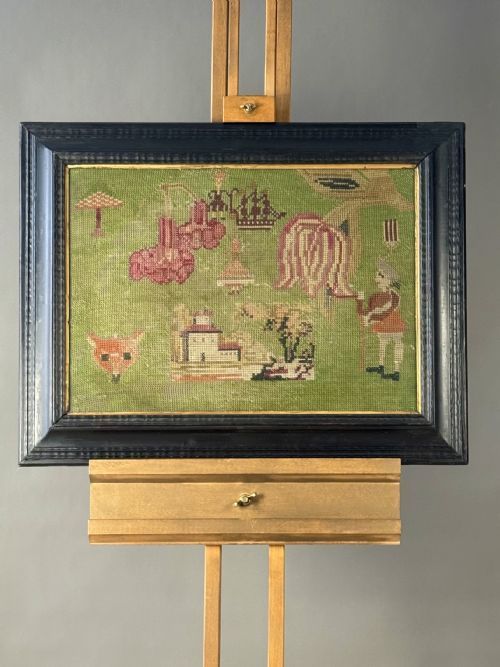
- Stitched textile art created using yarn on a canvas foundation. Samplers and pictorial works from the eighteenth century demonstrate this domestic craft.
Antique Wall Frames: Frequently Asked Questions
What periods do these pieces cover?
The available selection spans from the seventeenth century through to the mid-twentieth century, encompassing periods such as Georgian, Victorian, and Edwardian design.
Items reflect the distinct aesthetic movements of their respective decades, including French Rococo, Art Nouveau, and Chinese Export craftsmanship.
How were these frames used?
These pieces served primarily as architectural and domestic wall furnishings, designed to display portraits, landscapes, and mirrors within formal rooms.
Owners mounted them in parlours, hallways, and overmantles to introduce light, colour, and artistic prestige to interior spaces.
How do I live with antique frames?
Integrating these pieces into modern spaces involves hanging them securely on appropriate wall fixings, accounting for the substantial weight of carved wood and glass.
Keep them away from direct sunlight and excessive moisture to protect delicate giltwood, canvas surfaces, and historic paper elements.
How can I tell the periods apart?
Distinguishing between eras requires examining the wood construction, the formulation of the gesso, and the specific style of the carved ornamentation.
Seventeenth and eighteenth-century pieces often display hand-carved joinery and subdued gilding, whereas Victorian and Edwardian examples utilise heavier moulded gesso and brighter finishes.