




Antique Moulding Picture Frame
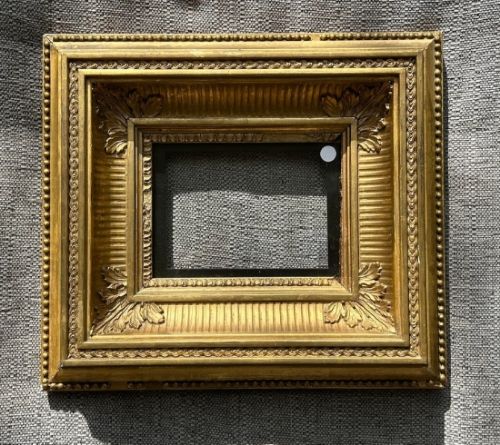
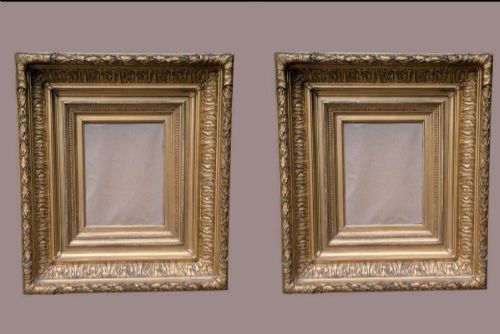
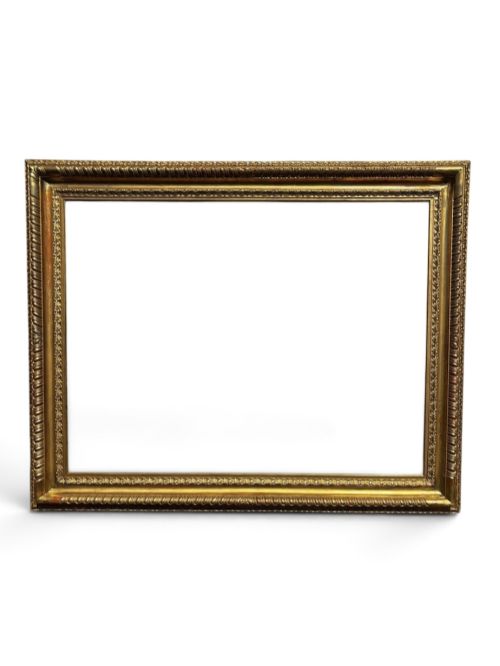
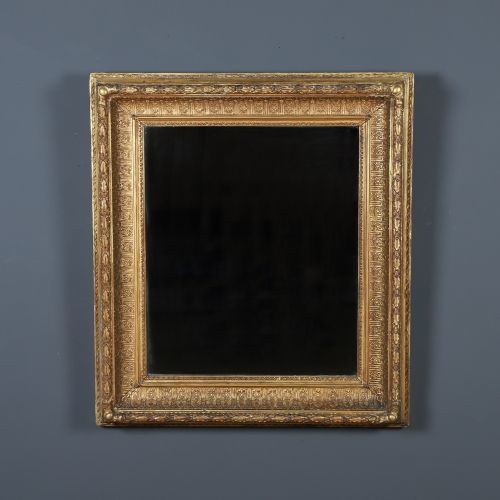
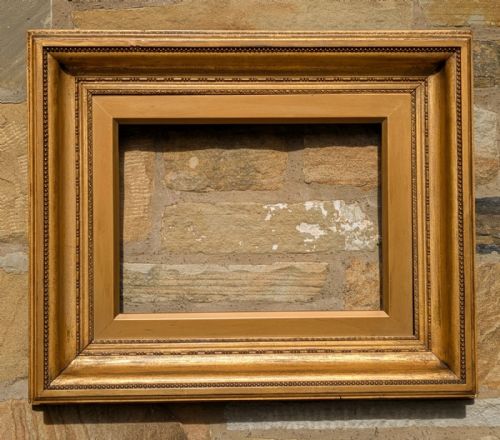
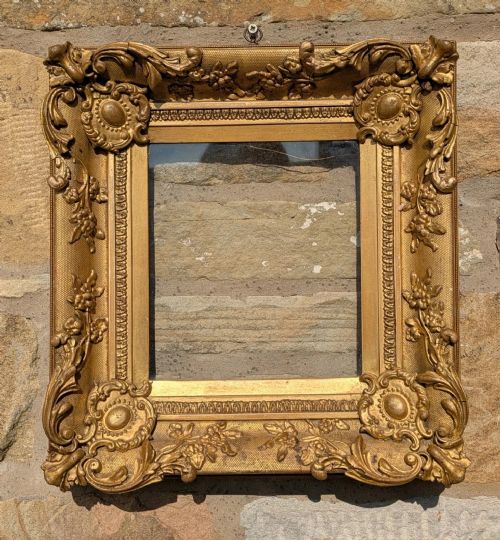
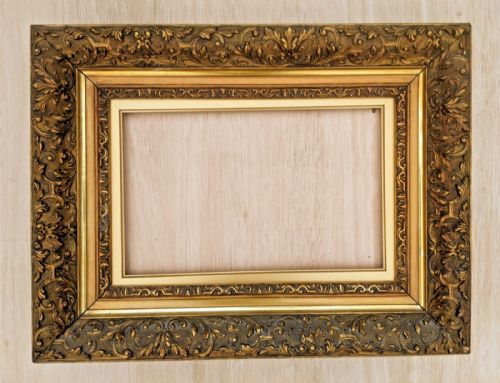
These antique moulding picture frames bring historic depth to artwork and mirrors, built from wood and gesso with centuries of craftsmanship.
Antique Moulding Picture Frame
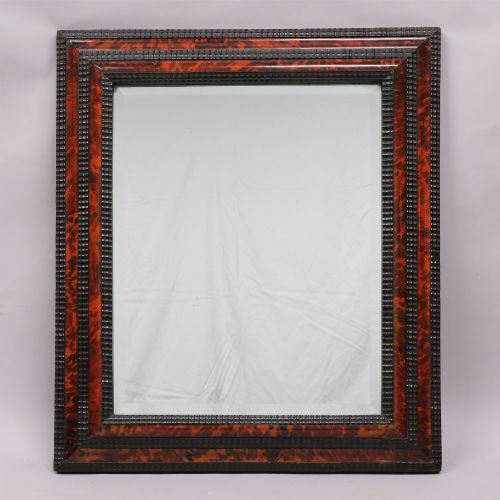
An antique moulding picture frame secures and showcases artwork or mirrors through structured wooden profiles, appearing frequently across Victorian and nineteenth-century periods. These pieces range from simple ebonised borders to deep gilt constructions designed to command attention on a wall.
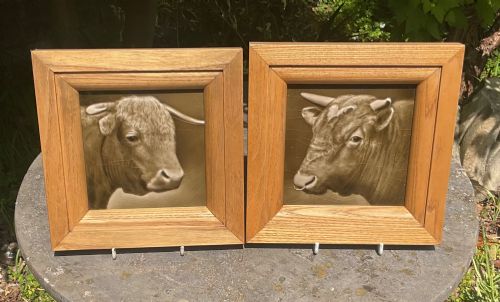
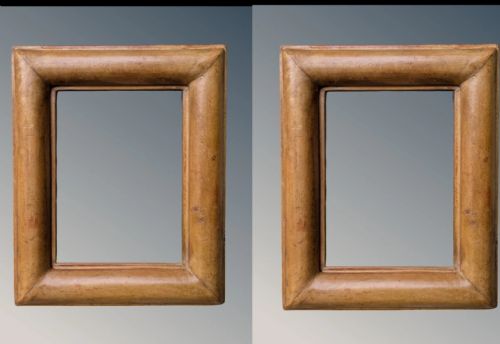
The selection here encompasses various functional forms, including wall mirrors, framed tiles, and oil paintings alongside empty frames ready for new commissions. Pieces span from the eighteenth century into the early twentieth century, showing diverse regional influences and decorative motifs.
How They Were Made
Carved timber provides the primary structural foundation for these frames, often built from solid wood or assembled mouldings. Artisans shaped the wooden base before applying decorative surface treatments.
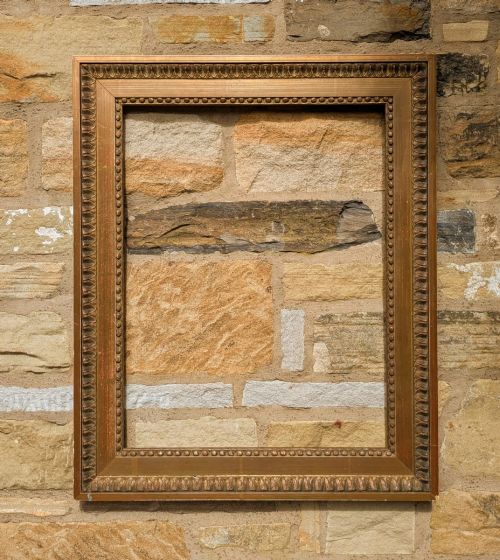
Gesso and composition layers form the raised ornamentation, sculpted or pressed into relief patterns like acanthus leaves and egg and dart motifs. Gold leaf or silver gilt finishes then coat the prepared surface to achieve a lustrous metallic sheen.
Antique Moulding Picture Frame Retail Price Guide 2026
Typical asking prices for moulding picture frame among the pieces listed under this phrase on Sellingantiques today, from the lower quarter to the upper quarter. They describe what is for sale here now, not the wider market.
Listings feature woods, gesso, tortoiseshell, and ebonised materials across Victorian, eighteenth-century, and twentieth-century periods.
What Varies in Quality
The depth and intricacy of the moulding separate standard utilitarian surrounds from exceptional decorative examples. Deep profiles with hand-modelled gesso ornamentation demonstrate superior workshop capability compared to shallow, flat equivalents.
The integrity of the surface finish and the preservation of the original gilding dictate the visual impact of the piece. Crisp detail retention in corner joints and relief work indicates higher standards of original manufacture and careful historical upkeep.
Sherwin And Cotton
The Antique Moulding Picture Frame Glossary
- Moulding
- A shaped strip of wood or other material used to create architectural or decorative relief on a frame edge.
- Gesso
- A plaster-like mixture applied to wood frames to create a smooth surface for subsequent gilding or painting.
- Giltwood
- Timber that has been coated with thin sheets of gold leaf or gold powder over a prepared base.
- Composition
- A moulded paste of whiting, resin, and oil pressed into metal or wooden dies to form decorative ornaments.
- Ebonised
- Wood treated with chemical stains or dark finishes to imitate the dense, black appearance of ebony.
Antique Moulding Picture Frame: Frequently Asked Questions
How do I choose the right frame size?
Consider both the sight size, which is the visible opening, and the overall rebate dimensions to ensure your artwork or mirror sits correctly within the moulding.
Take into account the depth of the frame profile, as deeper Victorian mouldings project further from the wall and require adequate surrounding space.
Can I hang an empty antique frame?
Empty antique frames are frequently hung as standalone wall decorations or used to frame mirrors and textiles acquired separately.
Ensure the structural joins and hanging hardware on the back are secure before mounting heavier giltwood pieces directly to the wall.
How do I clean a gilt frame?
Dust the surface gently with a soft, dry brush to remove loose particles without disturbing delicate gesso or gold leaf layers.
Avoid using water, chemical solvents, or abrasive cloths, as these substances can strip the historic finish from the wooden moulding.
What periods do these frames represent?
The selection includes examples from the seventeenth, eighteenth, and nineteenth centuries, alongside early twentieth-century interpretations.
Victorian and late nineteenth-century styles dominate the available pieces, reflecting prominent revival movements and decorative tastes of those decades.