
Victorian Garden Bench
A victorian garden bench brings nineteenth-century metalwork and timber into the open air, offering a sturdy seat shaped by historic foundry patterns.
Victorian garden bench forms
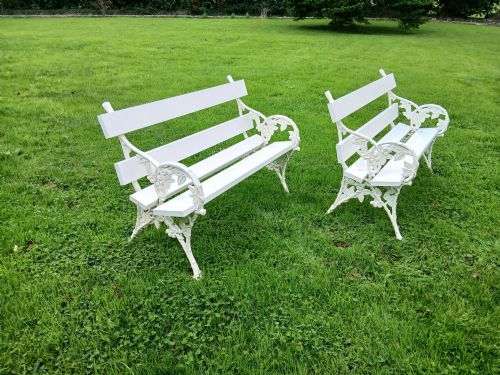
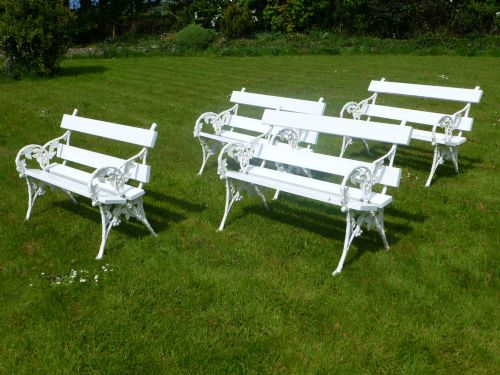
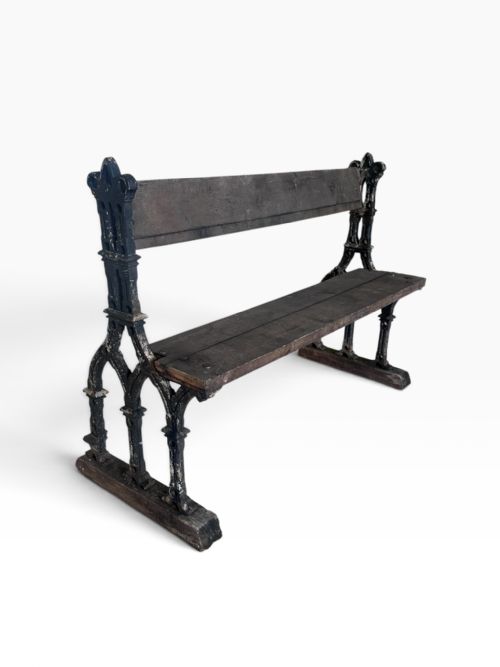
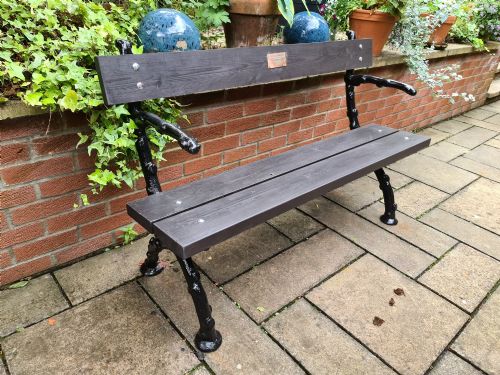
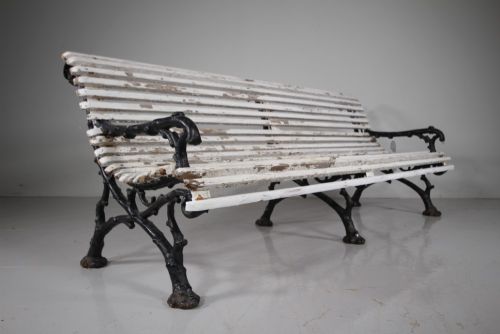
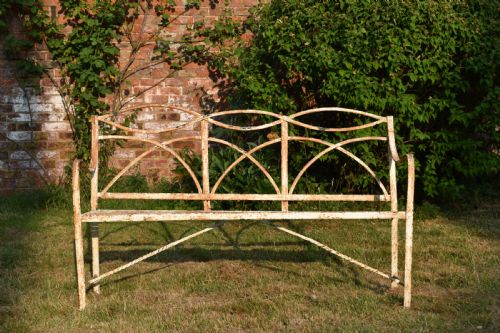
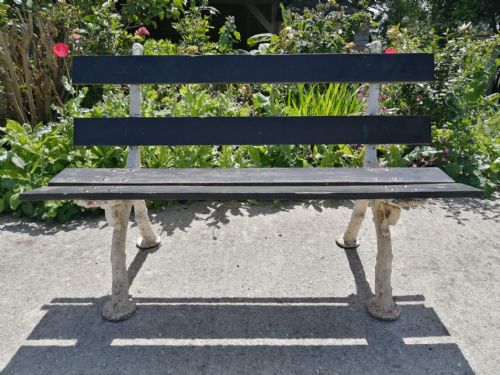
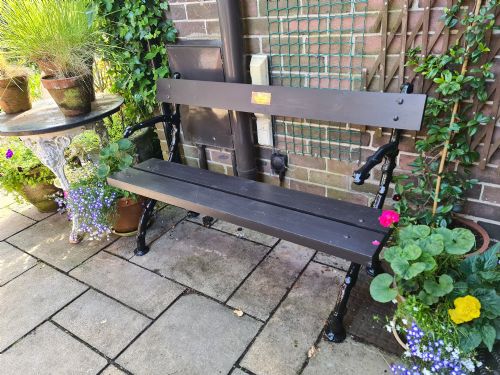
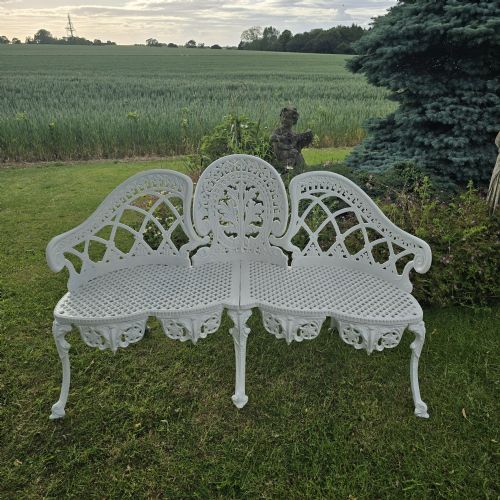
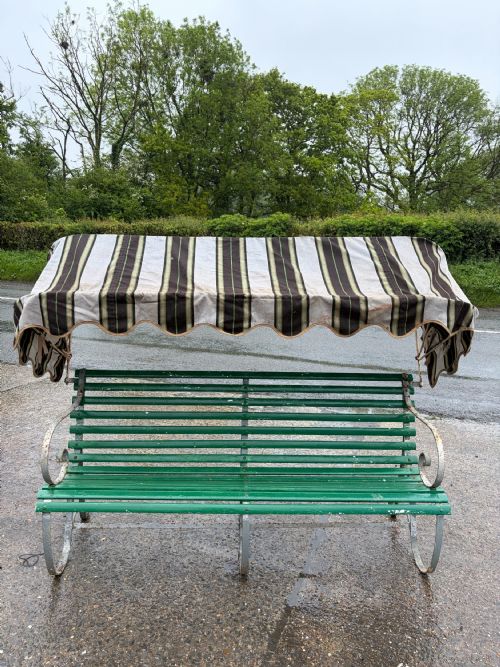
A victorian garden bench typically combines heavy metal supports with slatted wooden seats, appearing in lengths ranging from short two-seater forms up to expansive eight-foot park seats. The most frequently encountered versions feature ornate cast-iron ends paired with timber slats in oak, teak, or other durable timbers.
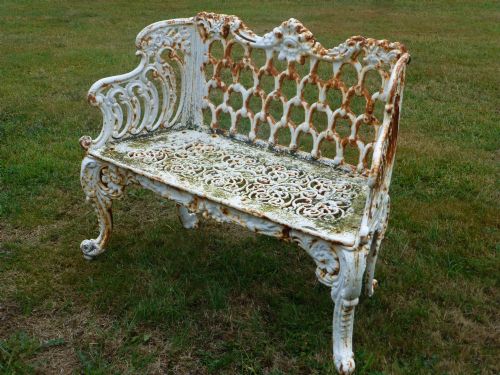
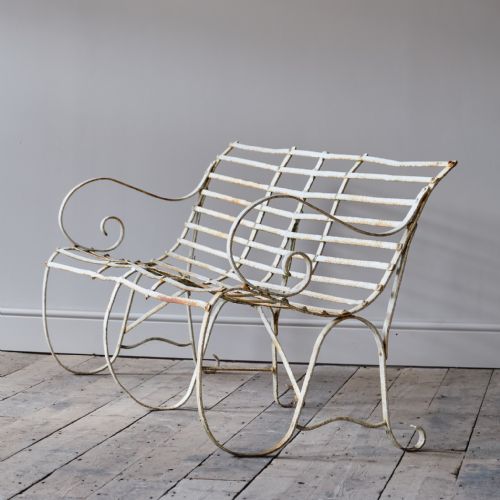
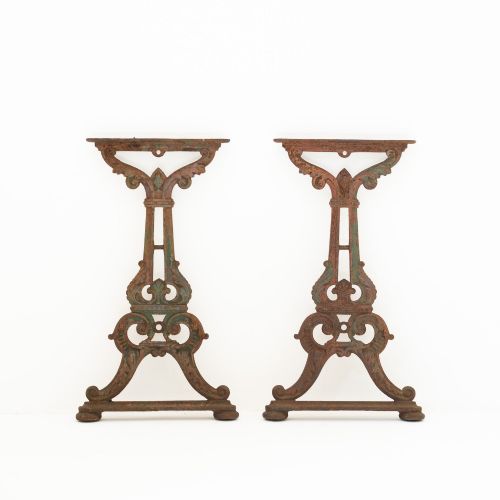
Makers utilised distinct thematic designs for the metal frames, incorporating botanical motifs such as nasturtium, horse chestnut, and lily of the valley, alongside rustic twig patterns and sinuous serpent heads. Plain strapwork and geometric strap iron constructions also appear regularly among nineteenth-century examples.
Survivors span the nineteenth and early twentieth centuries, including pieces produced around eighteen-fifty alongside later variations up to nineteen-twenty. Buyers will find both complete benches with original timbers and individual bench ends awaiting replacement slats.
Materials and construction
Foundries manufactured the structural ends and backs using cast iron or wrought iron, pouring molten metal into sand moulds to achieve intricate openwork patterns and relief decorations. Steel and paint finishes also feature across the historical record, alongside original painted surfaces.
Wooden components relied on sturdy timbers such as teak and oak, cut into slats and bolted directly through the iron supports to form the seat and backrest. Many examples retain surviving historic paint layers over the metalwork alongside weathered wood.
Retail Price Guide 2026
Typical UK retail prices for victorian garden bench, calculated from the Sellingantiques database of over a million retail prices indexed since 2003. This retail price guide relies exclusively on Sellingantiques data; no external sources or auction records are used, so the figures do not describe the wider market.
Nineteenth-century foundry workers coaxed iron into delicate lilies and menacing serpent heads just to hold up someone reading the morning paper.
Distinctions in quality
Quality rests in the crispness of the iron casting and the complexity of the pattern, distinguishing standard strapwork from elaborate botanical or figurative designs by notable foundries. Heavier, more substantial metal frames denote superior production.
The integrity of the combination between metal supports and timber dictates the grade of a survivor. Pieces retaining original timber slats or identified foundry marks achieve a higher standing than those with later replacements.
Coalbrookdale·John Finch·Falkirk Seat·Addison Wellington·Phoenix Foundry
The Victorian Garden Bench Glossary
- Cast iron
- A strong, rigid alloy poured into moulds to create intricate, ornate bench ends and structural frames. It allowed nineteenth-century foundries to mass-produce complex botanical and figurative patterns.
- Wrought iron
- A tough, malleable iron worked by hand or machine into strong structural bars and decorative strapwork. Unlike cast iron, it can be bent and forged into shape.
- Bench ends
- The structural cast-iron sides of a seat that support the backrest and hold the wooden slats in place. These often carry registry marks or foundry names.
- Slats
- Individual wooden boards bolted horizontally across the iron frame to form the seat and back. Teak and oak were chosen for their weather resistance.
- Strapwork
- A decorative pattern of flat, interlaced bands resembling leather straps, frequently used on nineteenth-century iron garden furniture.
Frequently Asked Questions
How do I care for a cast iron garden bench?
Keep the metal clean and check painted surfaces regularly to prevent rust from forming on exposed iron.
Protect wooden slats with appropriate outdoor sealants while allowing the timber to weather naturally outdoors.
Can I leave my antique bench outside all year?
These pieces were built for outdoor use and withstand seasonal weather changes when placed on solid ground.
Lifting the feet slightly off damp winter turf helps preserve both the iron and the wooden components.
How do I identify a Coalbrookdale bench?
Look for specific botanical motifs like lily of the valley, nasturtium, or serpent and twig patterns recorded in nineteenth-century catalogues.
Foundry marks or design registry numbers cast into the metal frame often confirm the origin.
What is the difference between cast and wrought iron?
Cast iron is poured into moulds, resulting in heavy, highly detailed, and rigid decorative ends.
Wrought iron is beaten and forged into linear components, yielding simpler geometric or strapwork designs.
Are replacement slats acceptable on historic benches?
Many surviving frames outlive their original timber, making replacement slats a standard part of ongoing maintenance.
Matching the original wood type, such as oak or teak, preserves the authentic character of the piece.