


Victorian Gaming Box
A victorian gaming box brings nineteenth-century parlour pastimes together in fitted wooden caskets and tables designed for cards, chess and social entertainment.
Victorian Gaming Box
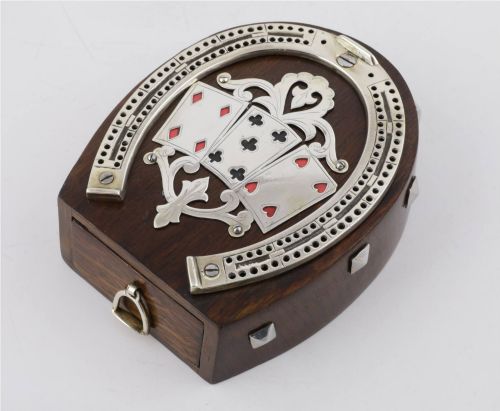
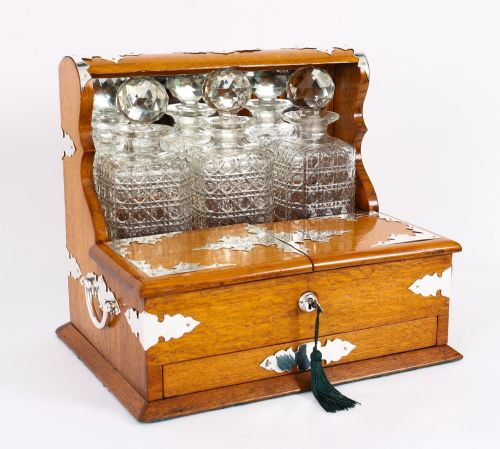
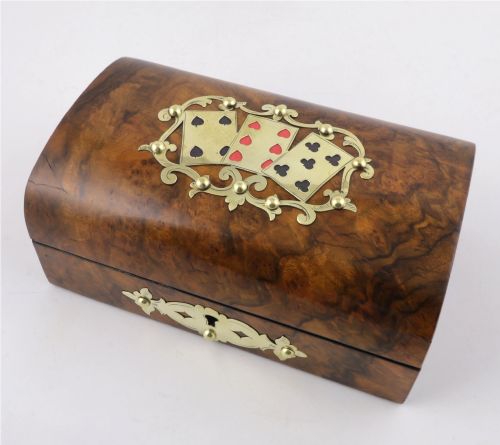
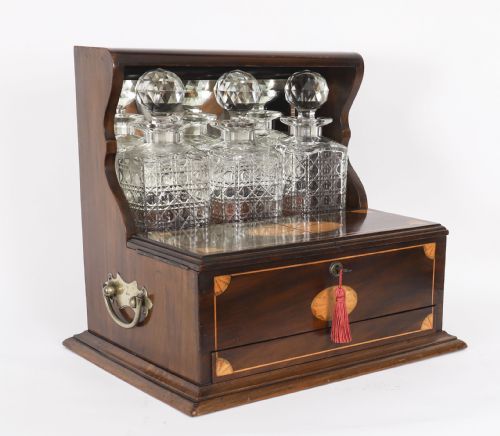
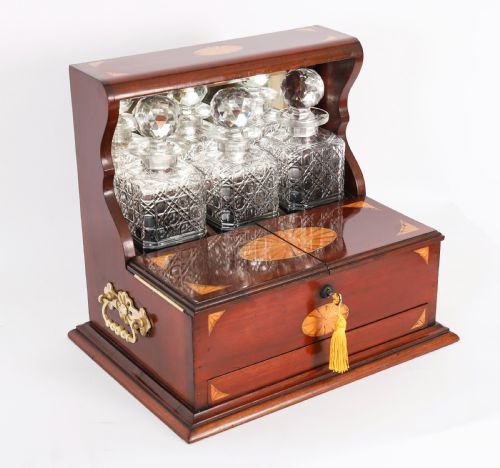
When you search for a victorian gaming box, you encounter everything from compact card caskets and cribbage boxes to elaborate games compendiums and multi-tier tables. The options range from simple rosewood playing card boxes to larger oak and mahogany tantalus combinations equipped with decanters and internal compartments.
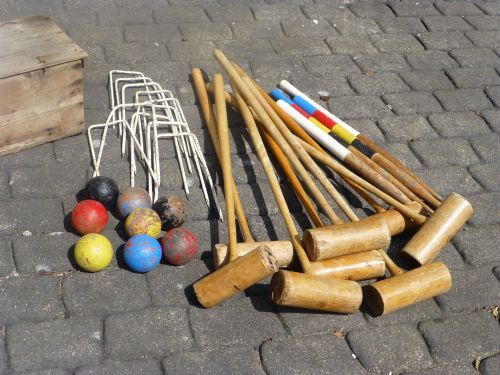
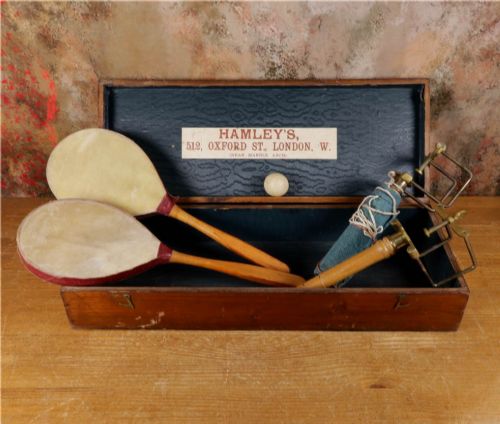
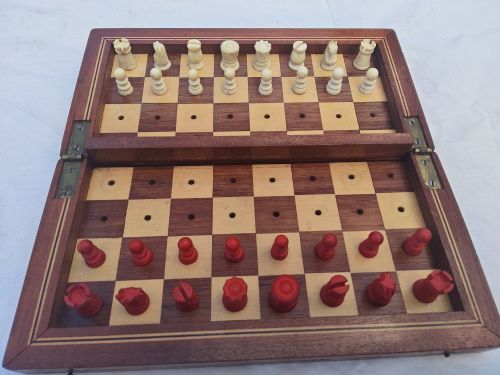
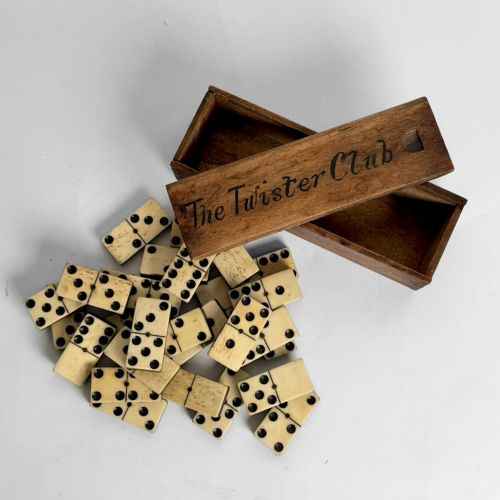
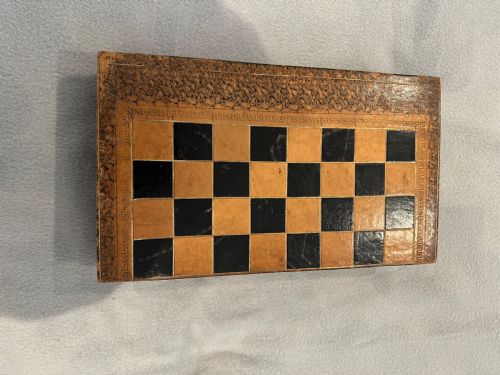
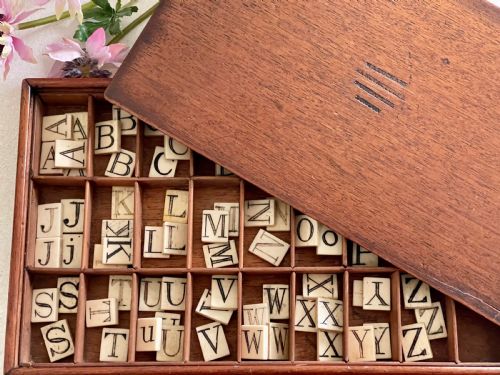
Many examples double as sewing or work tables in burr walnut, featuring marquetry inlay and fitted interiors that conceal folding boards and playing pieces. Alongside these table forms appear specialised boxes for dominoes, bone chess sets, whist counters and historical table croquet sets.
Materials and construction
Cabinet makers utilised richly grained timbers such as burr walnut, rosewood, mahogany and blonde oak, often highlighting the surfaces with marquetry inlay or satinwood details. Structural elements frequently incorporate boxwood and ebony for chess pieces, alongside brass hardware, leather bindings and cut crystal decanters.
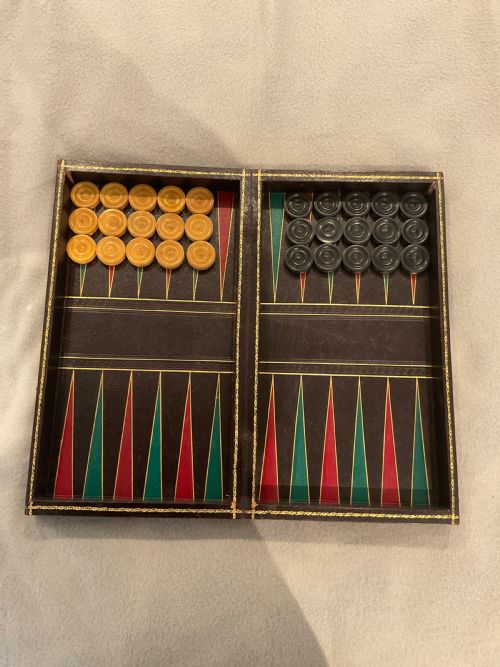
Interiors were constructed with precision partitioning to secure specific components like dice, counters, cards and folding boards within the wooden housing.
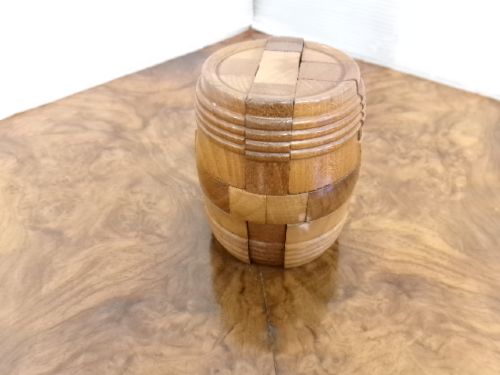
Wooden barrel-shaped puzzles wait inside Victorian collections to test the patience of guests before dinner games begin.
Judging the standard
The distinction between standard examples and the finest pieces rests on the complexity of the internal fittings and the precision of the exterior cabinetry. Superior versions display intricate marquetry work, cohesive sets of original bone or wood gaming pieces, and robust locking mechanisms integrated into solid timber frameworks.
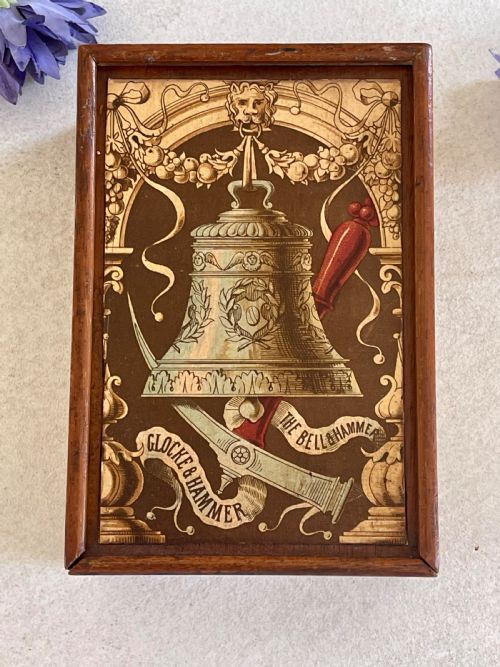
Jaques·F.H.Ayres Ltd.
The Victorian Gaming Box Glossary
- Compendium
- A single fitted box containing multiple different games and pastimes. These multi-tier sets typically house chess, backgammon, cards and dominoes in one container.
- Tantalus
- A locking wooden frame holding decanters to prevent unauthorised access to spirits. They frequently incorporate fold-out panels for cards and games.
- Marquetry
- Decorative veneer work forming intricate patterns using various coloured wood pieces. This technique defines the lids of many walnut and rosewood boxes.
- Cribbage box
- A specialised small container designed to hold playing cards and wooden peg scoreboards. They often feature sliding lids and dedicated pin compartments.
Victorian Gaming Box: Frequently Asked Questions
What games did Victorians play?
Victorian households enjoyed a wide variety of pastimes centred around parlour games, cards, chess, backgammon and dominoes. Compendiums often gathered several of these activities into one portable wooden box.
Other pastimes included table croquet, squails, puzzle barrels and whister counters, reflecting a culture deeply invested in social evening entertainment.
How are games compendiums arranged?
Compendiums use fitted wooden trays, sliding lids and layered compartments to organise multiple sets of pieces within a single cabinet. Folding boards for chess and backgammon often form the lid or rest directly beneath the primary tray.
Every component from bone dominoes to crystal decanters fits snugly into dedicated slots designed to prevent shifting during transport.
Are pieces usually complete?
Many surviving sets retain their original playing pieces, counters and dice, though some require careful checking against historical descriptions. Compendiums and chess sets occasionally show mixed elements or replacement counters gathered over generations.
Original boxes and fitted paper instructions help confirm the completeness of surviving nineteenth-century pastimes.
Where were they used?
These boxes and tables belonged in the drawing rooms, parlours and libraries of nineteenth-century homes where guests gathered for evening entertainment. Work tables served a dual purpose for needlework during the day and card games after dinner.
Travelling sets and leather-bound faux book boxes also allowed people to carry games on journeys and visits.