

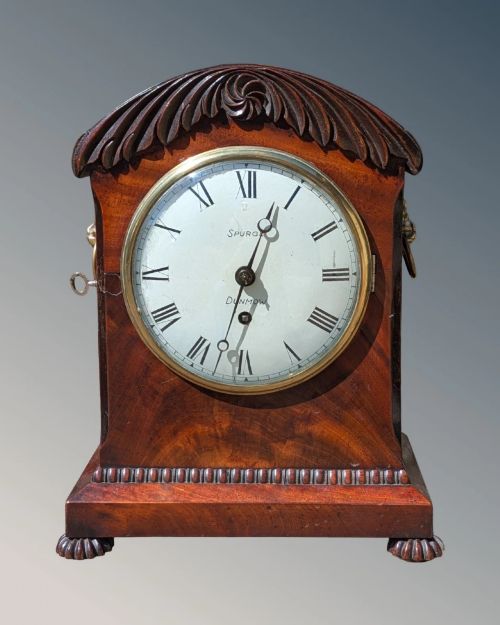


Victorian Fusee Bracket Clock
When you select a victorian fusee bracket clock, you bring home a precision timepiece housed in a substantial wood cabinet designed to stand on a table or mantel.
Victorian Fusee Bracket Clock
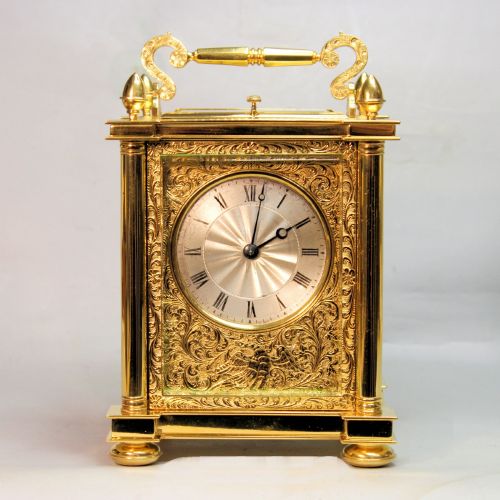
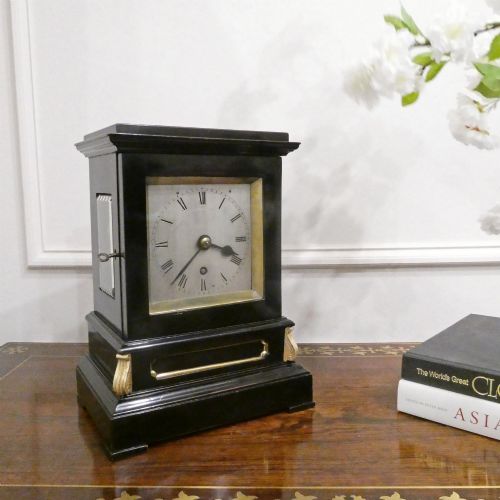
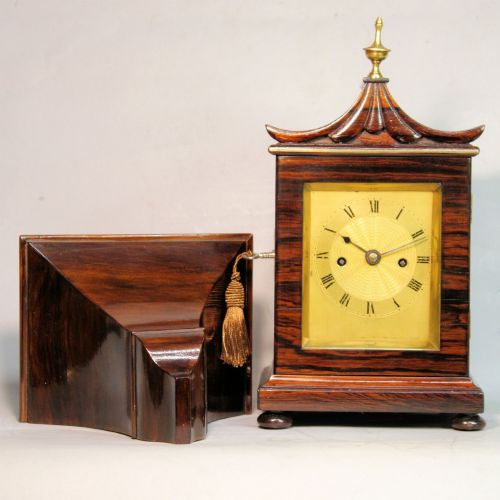
A victorian fusee bracket clock is primarily a table or mantel timepiece driven by a chain or cord fusee movement, which maintains even power as the mainspring unwinds. These objects appear in various timber cases, most commonly mahogany, alongside oak, rosewood, and ebonised finishes.
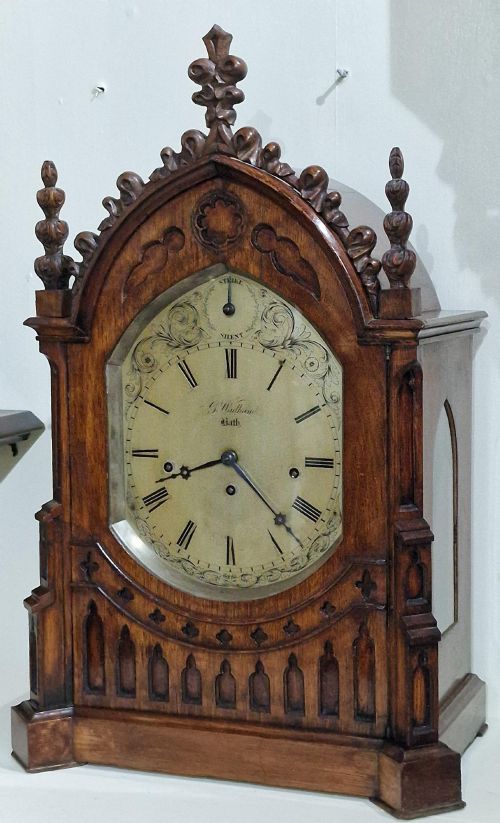
The format spans simple single fusee timepieces to complex twin and triple fusee models that strike bells or chime melodies. Architectural shapes, lancet arches, and balloon silhouettes dominate the surviving examples from the nineteenth century.
Materials and Construction
Clockmakers built these cabinets from dense hardwoods like mahogany and oak, often incorporating brass bezels, glass viewing panels, and silvered metal or enamel dials. The joinery and timber selection provided stability for heavy brass clockwork movements.
The mechanical heart relies on a fusee cone connected to the spring barrel by a chain or gut line, distributing equal force to the escapement throughout the running period. Skilled hands engraved the backplates, dials, and pendulum bobs with intricate foliage or maker details.
Listings feature mahogany, rosewood, oak, and ebonised wood cases paired with silvered metal, enamel, or brass dials across the nineteenth century.
Distinctions in Quality
Quality rests in the complexity of the movement and the crispness of the case carving, where multi-train fusee mechanisms with chiming trains demand superior engineering. Fine makers signed their silvered dials and engraved movement backplates, whereas standard utility pieces remained plain.
The proportion of the timber case and the clarity of the enamel or engraved silvered metal dial signal higher tier work. Substantial brass casting thickness and clean execution of decorative elements distinguish workshops of note from mass production.
Cousens & Whiteside London·George Wadham Bath·Webster Cornhill London·Spurge Dunmow·Mappin & Webb·Dent·William Payne·Phillips Brothers·Geo Carter Hackney·Wilkinson Leicester·J Kingerley Manchester·Payne & Co London·Joseph Jump of London·J A Wheatley Carlisle·Budgen Croydon·James Moore French·McCabe London·J W Benson·DeLa Salle And Christie London·Goldsmiths & Silversmiths London·Barraud & Lund London·Osborn of Bognor Regis·J J Elliott London
The Victorian Fusee Bracket Clock Glossary
- Fusee
- A conical pulley used with a cord or chain to equalise the torque of the mainspring as it unwinds. This mechanism ensures consistent amplitude in the pendulum and accurate timekeeping.
- Bracket clock
- A portable clock originally designed to sit on a wall bracket or a table surface. Many retain their matching wall brackets today.
- Library clock
- A compact freestanding clock with glass panels on multiple sides, often featuring a platform escapement. These pieces allow a clear view of the ticking mechanism in motion.
- Twin fusee
- A movement incorporating two separate fusee cones and spring barrels. One drives the timekeeping train while the other powers the striking train.
- Silvered metal
- A brass dial plate treated with a silver compound and engraved with numerals and maker details. This surface treatment prevents tarnish and offers high legibility.
Victorian Fusee Bracket Clock: Frequently Asked Questions
Where should I place a heavy bracket clock?
Select a stable, level surface such as a heavy sideboard, mantelpiece, or a dedicated wall bracket fixed securely into masonry studs. A firm foundation prevents the case from rocking and stops the pendulum from going out of beat.
Keep the clock away from direct sunlight, damp areas, and extreme temperature fluctuations from radiators. Stable environmental conditions protect the antique wood polish and delicate internal oils.
How do I know if a clock is Victorian?
Examine the timber choice, dial construction, and movement signatures to determine the era, as nineteenth-century pieces often feature fusee movements housed in mahogany, rosewood, or ebonised cases. Maker signatures referencing London, provincial towns, or specific street addresses frequently align with Victorian trade directories.
stylistic clues like Gothic revival tracery or classical architectural pediments also point directly to the nineteenth-century period. Comparing the engraving style on the backplate helps confirm the decade of manufacture.
What is the difference between a timepiece and a clock?
In horological terms, a timepiece indicates hours and minutes without a striking mechanism or bells. This simpler format was popular for bedroom, library, or desk use where chiming would cause a distraction.
A clock includes additional gear trains that strike the hours or play musical tunes on gongs, bells, or chimes. Twin and triple fusee movements provide this audible function alongside basic timekeeping.