
Victorian French Porcelain
Victorian French porcelain combines ornate continental ceramic forms with rich gilt metal mounts to create decorative items that bring nineteenth-century salon elegance to any interior.
Victorian French Porcelain
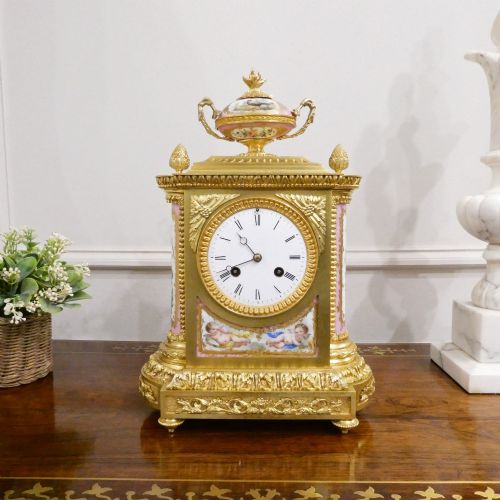
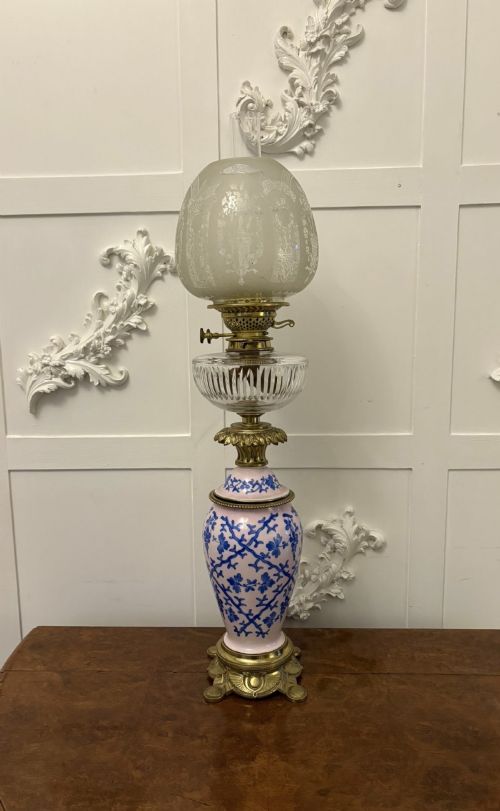
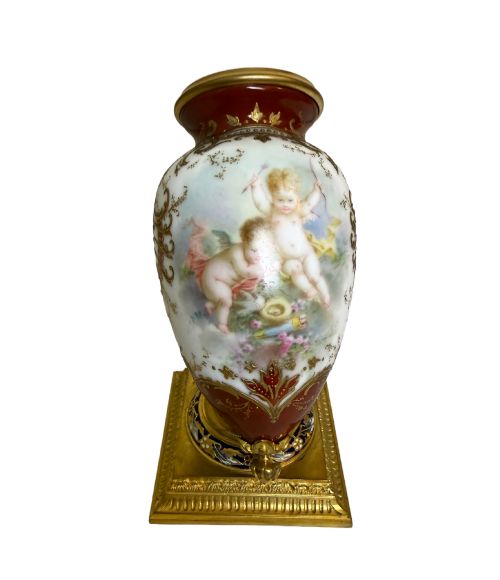
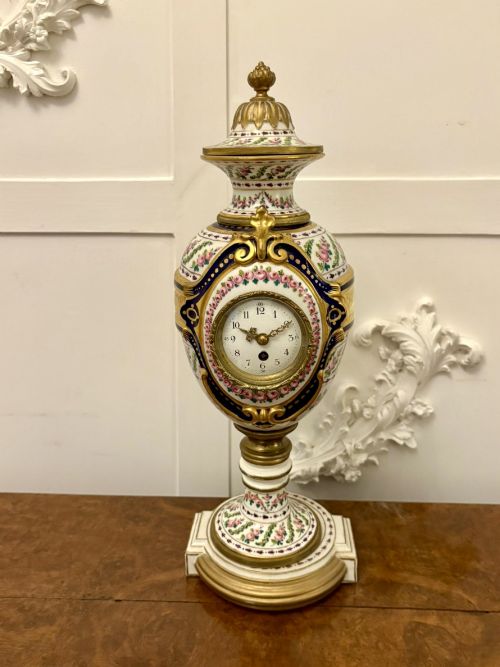
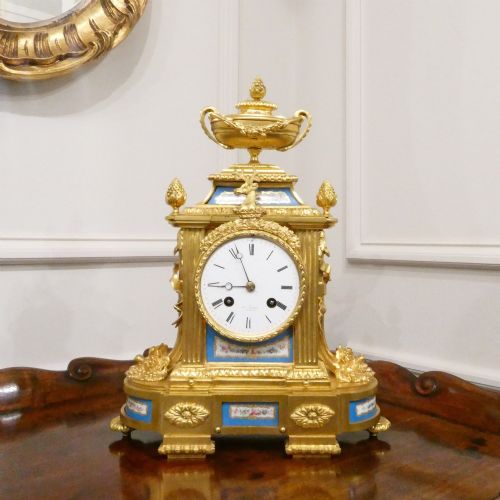
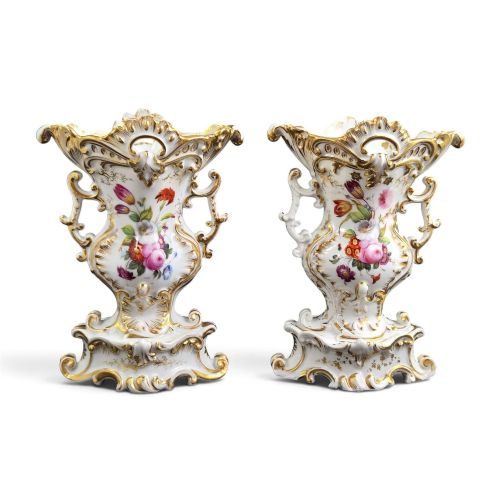
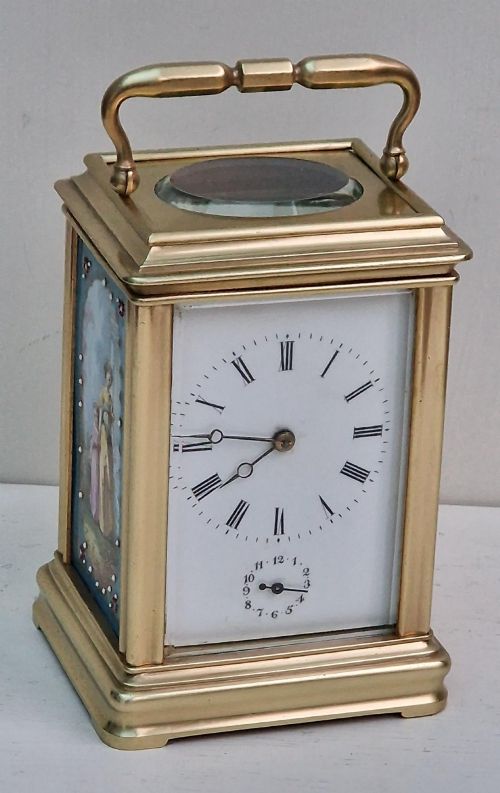
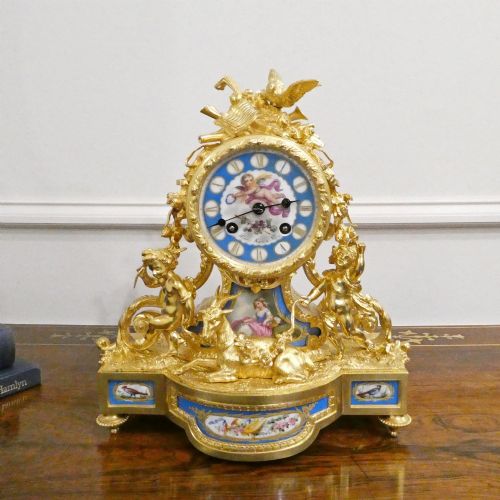
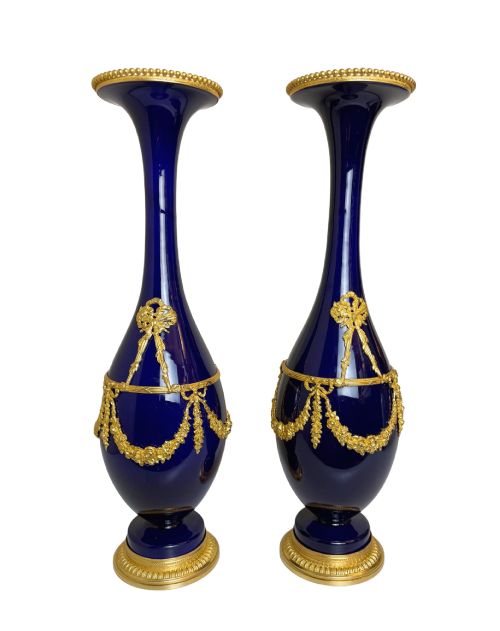
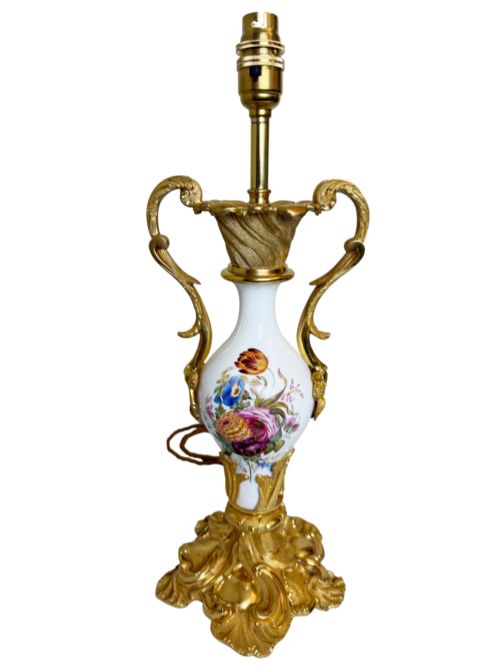
When you search for victorian french porcelain, you encounter a diverse range of decorative and functional objects produced during the nineteenth century, including mantel clocks, table lamps, urns, and vases. Many of these items integrate hand-painted ceramic bodies with cast metal mounts, reflecting the tastes of the period.
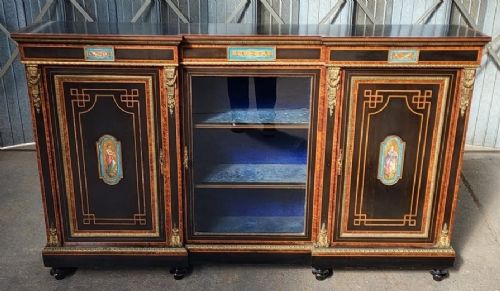
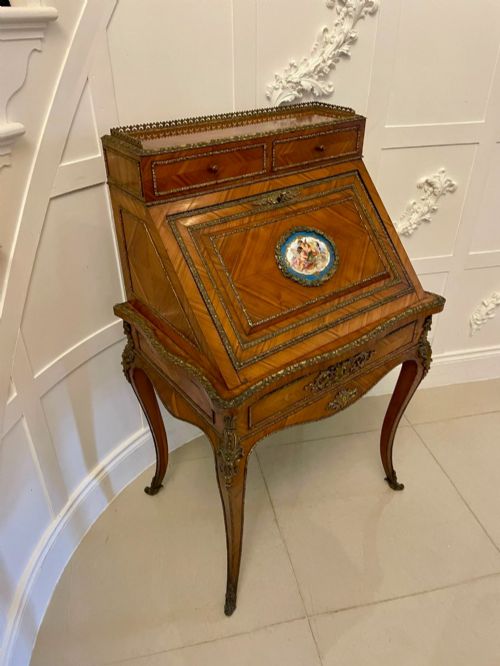
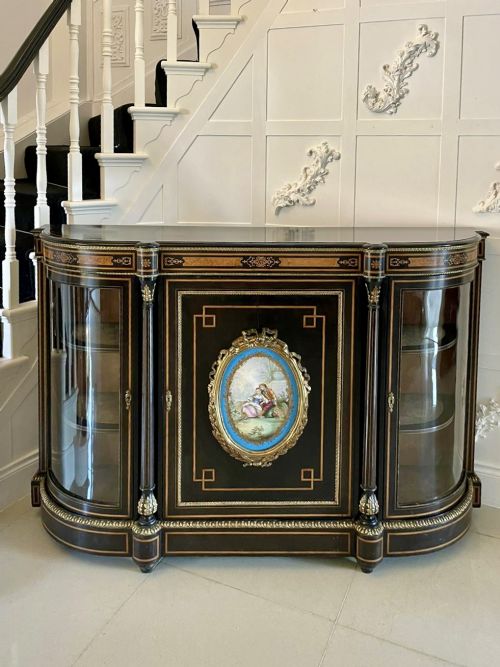
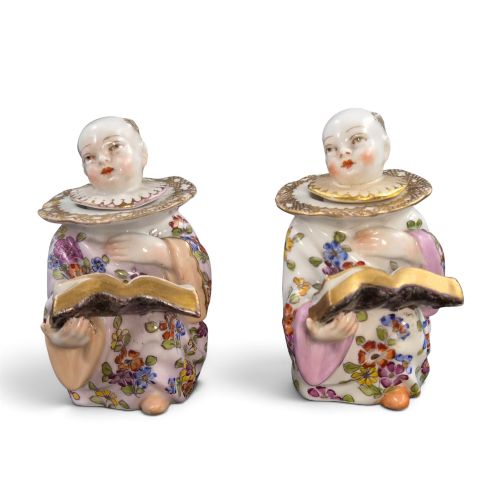
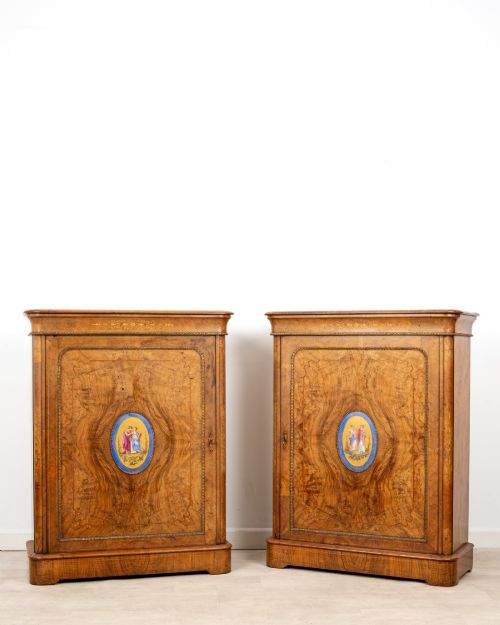
The selection frequently includes cabinet furniture mounted with porcelain plaques, such as sideboards, credenzas, and writing desks, alongside smaller accessories like inkwells, jewellery caskets, and perfume bottles. These pieces demonstrate the nineteenth-century preference for combining cabinet-making with fine ceramic arts.
Originating largely from Parisian workshops and regional centres like Fontainebleau, these objects span several stylistic revivals, notably French Rococo, Louis XVI, and Napoleon III. Collectors find that the category encompasses both utilitarian items like water jugs and purely decorative centrepieces.
How victorian french porcelain was made
The construction of these pieces relies heavily on the pairing of glazed ceramic bodies with cast or gilt bronze and ormolu mounts, which frame the porcelain panels and structural elements. Makers utilised contrasting materials like ebonised wood, kingwood, and burr walnut for cabinetry, embedding painted plaques directly into the timber surfaces.
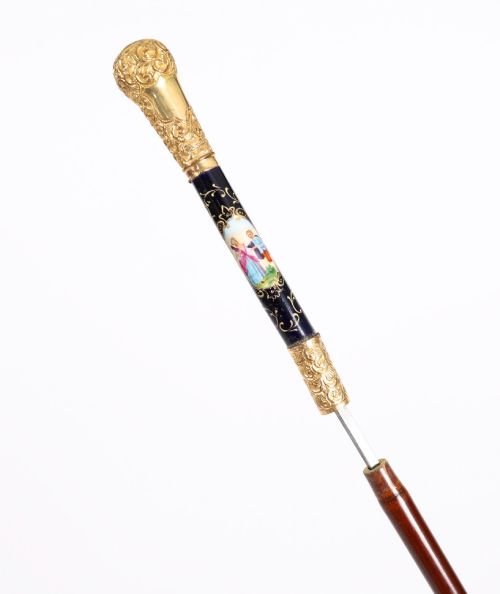
Surface decoration frequently involves hand-painted pictorial scenes, floral motifs, and rich gilding applied in gold leaf or gold plate over coloured grounds such as turquoise blue and bleu de roi. Craftspeople also employed enamel detailing and bronze casting techniques to produce intricate bezels, handles, and sculptural feet.
Listings feature items spanning the nineteenth century, incorporating materials such as porcelain, ormolu, gilt bronze, and ebonised wood across various decorative forms.
What varies in quality in victorian french porcelain
Quality in these objects is determined by the precision of the hand-painted artistry on the ceramic panels and the crispness of the surrounding ormolu or gilt bronze casting. Superior examples display finely rendered figurative scenes or detailed botanical motifs rather than uniform stencilled patterns.
The structural integration of the porcelain with its metal mounts or wooden cabinetry also dictates the tier of the piece, with higher-grade items showing seamless joins and substantial bronze work rather than lighter plated alternatives.
Henry Marc·Jacob Petit·Edmé Samson·Michel Victor Acier·Eugene Clauss·Haviland
The Victorian French Porcelain Glossary
- Ormolu
- Gilded bronze used for decorative mounts and fittings on furniture and clocks. This technique involved applying a mercury and gold amalgam to cast bronze before heating.
- Sevres
- The premier French porcelain manufactory known for fine paste bodies and rich coloured grounds. Pieces bearing this influence often feature intricate hand-painted reserve panels.
- Cassolettes
- Reversible decorative vases featuring a dual-design lid that functions either as an open vessel or a closed urn. They were popular ornamental items in nineteenth-century interiors.
- Bonheur du jour
- A small, light lady's writing desk featuring a tiered superstructure with drawers, shelves, or cabinets above the main writing surface. These desks frequently incorporated inset porcelain plaques.
- Bleu de roi
- A deep, rich royal blue ceramic glaze developed in France. It provides a dark contrasting background for applied gold leaf and hand-painted details.
Victorian French Porcelain: Frequently Asked Questions
How do I identify genuine pieces?
Examine the quality of the hand-painted details on the ceramic surface and inspect the cast metal mounts for crispness and weight.
Genuine items often exhibit factory marks or artist signatures beneath the glaze or on the bronze components, though unmarked pieces from period workshops are also common.
Where were these items placed originally?
These decorative objects were designed for formal nineteenth-century reception rooms, salons, and drawing rooms, where mantel clocks, urns, and vases served as visual focal points.
Cabinet furniture mounted with porcelain panels was utilised to display wealth and taste in domestic interiors.
How should I care for mounted porcelain?
Dust the ceramic surfaces and gilt bronze mounts gently with a dry, soft cloth to prevent the accumulation of grime in recessed areas.
Avoid using liquid cleaners or chemical polishes, as these substances can damage delicate hand-painted enamel and strip the gold leaf or ormolu finish.
What distinguishes different nineteenth-century styles?
Styles evolved from the ornate, asymmetrical curves of Rococo Revival towards the more restrained, symmetrical classical lines associated with Louis XVI and Napoleon III revivals.
Makers incorporated these changing aesthetic preferences into the shapes of vases, clocks, and the woodwork of mounted cabinets.