


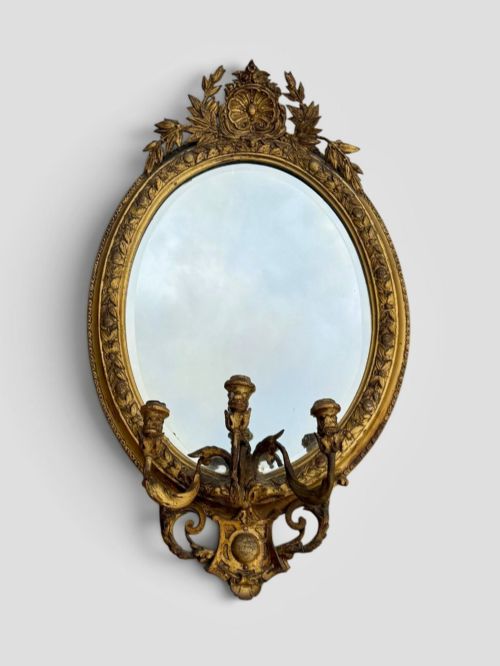
Victorian French Mirror
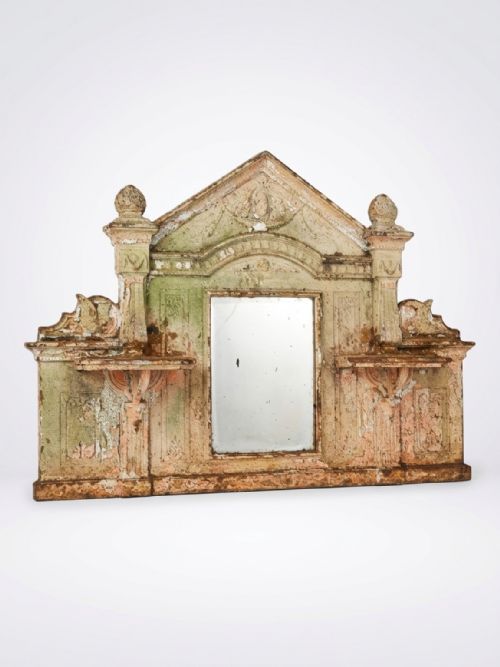
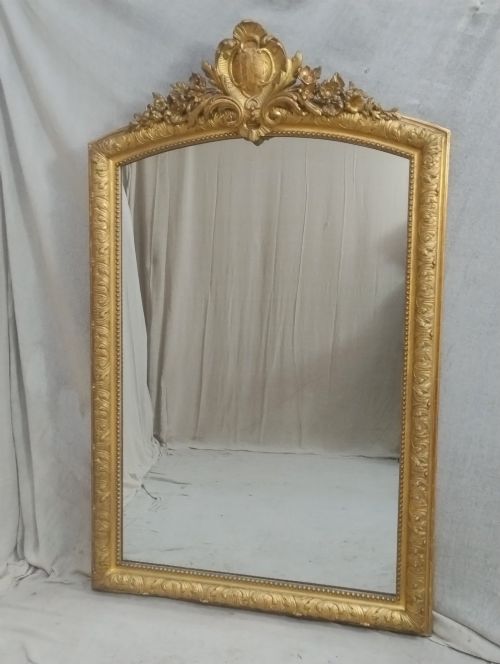
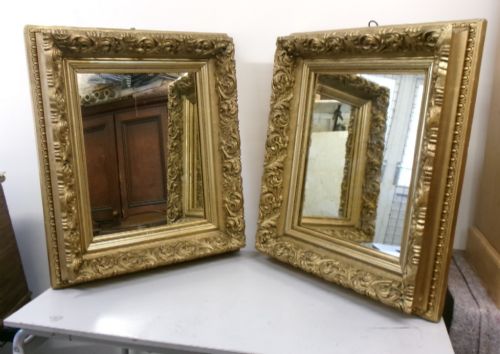
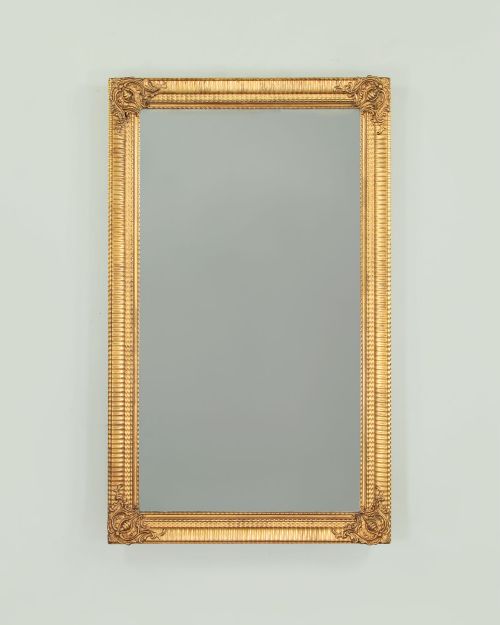
A victorian french mirror brings nineteenth-century Continental opulence into a room through elaborate giltwood frames and tall proportions.
Victorian French Mirror
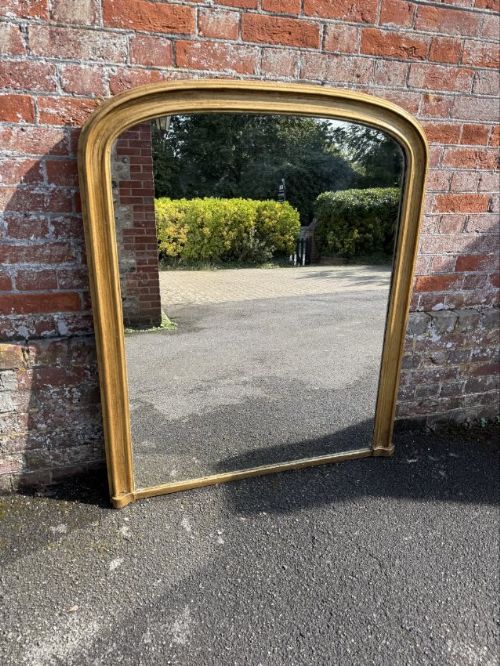
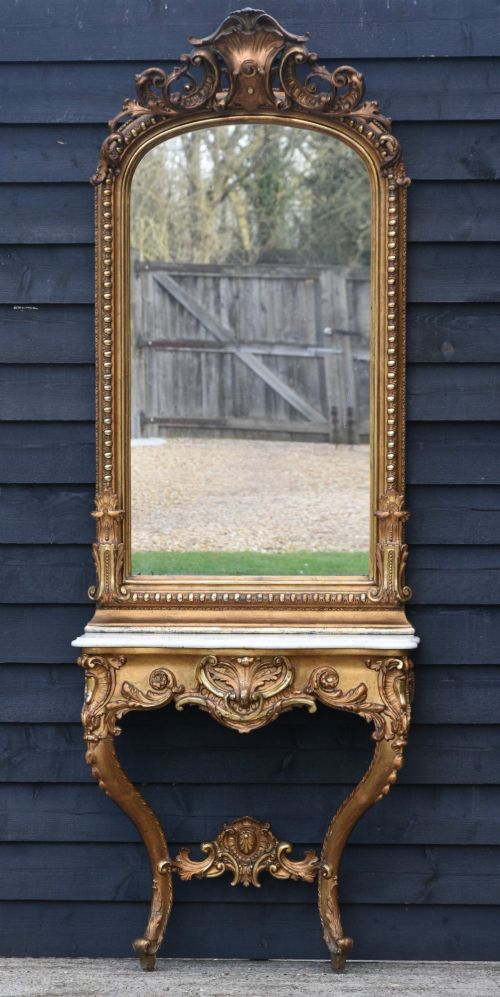
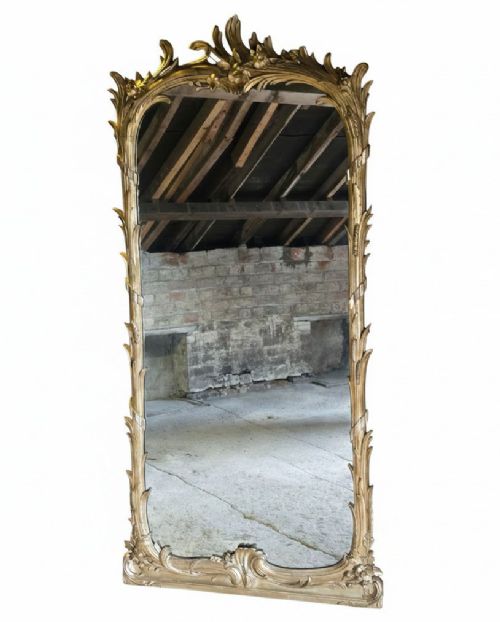
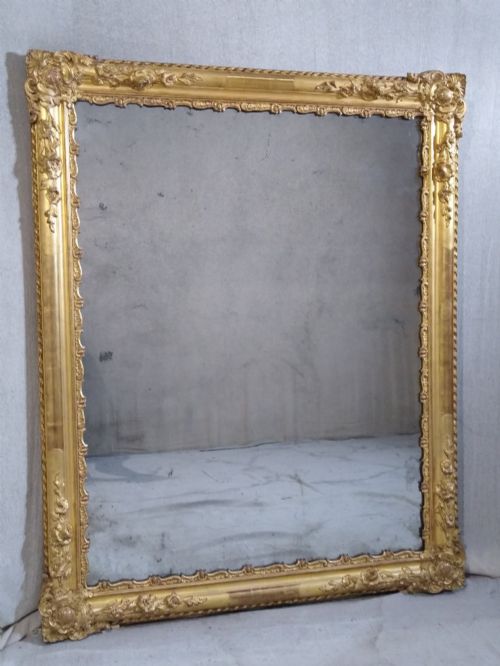
When searching for a victorian french mirror, buyers encounter grand overmantel designs, tall wall pieces, and decorative dressing table glasses originating from the nineteenth century. These objects reflect various revival movements, drawing heavily on Rococo motifs and classical French chateau aesthetics.
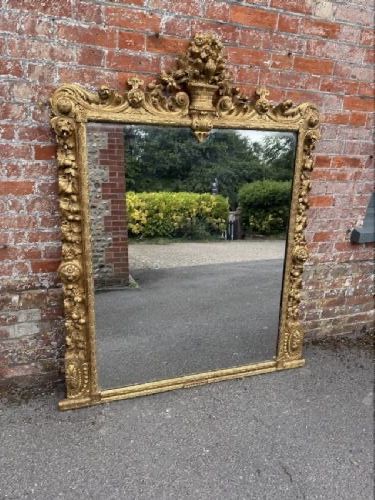
The most common formats found here are large giltwood overmantels and ornate wall mirrors featuring arched or shaped tops. Many examples incorporate intricate crestings, moulded frames, and traditional mirror plates designed to reflect light and amplify interior space.
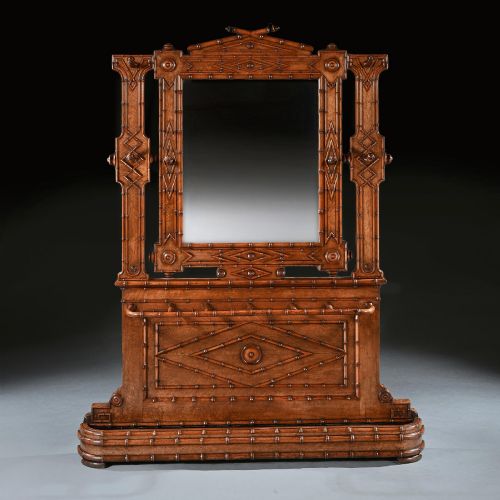
Pieces span decades from the mid-nineteenth century through to the Edwardian period, capturing stylistic shifts from ornate Victorian gesso work to simpler oak and faux bamboo frames. Continental influence remains strong across the selection, often pairing heavy architectural proportions with delicate carved detailing.
Materials and construction
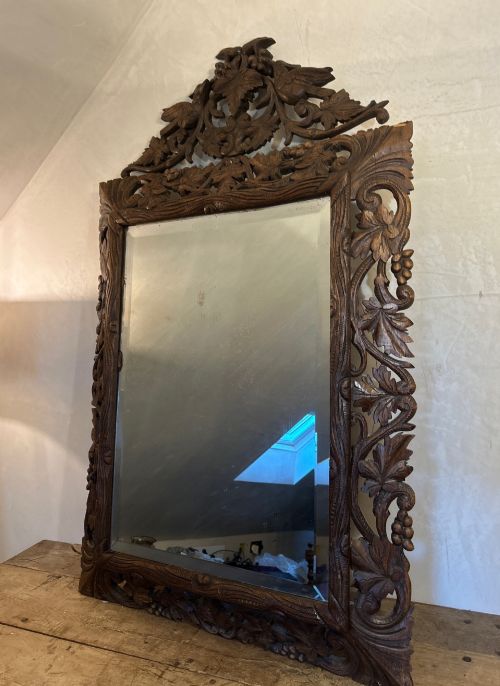
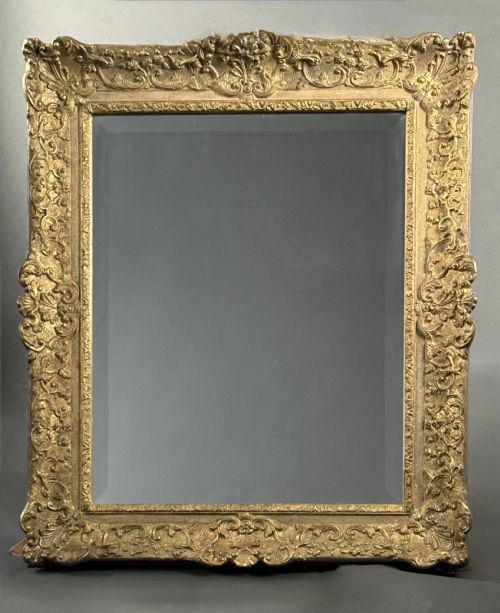
Makers utilised wood as the foundational substrate, frequently employing carved oak, walnut, or pine to build robust structural frames. Gesso and composition materials were then applied over the timber base to allow for deep, mouldable relief ornamentation.
Gilt finishes and gold leaf were painstakingly applied to the ornamented surfaces to create the characteristic metallic sheen seen on these mirrors. Original mirror plates are fitted within the frames, sometimes showing bevelled edges or the natural ageing characteristic of nineteenth-century glass production.
Object forms include wall mirrors, overmantels, girandoles, and dressing table glasses.
Quality factors
Depth and crispness of the carved wood and gesso ornamentation distinguish finer examples from standard production pieces. Superior items display sharply defined scrollwork, intricate floral motifs, and securely attached crestings that show careful hand-finishing.
The integrity of the original gilding and the quality of the glass plate heavily influence the standing of a piece. Finer mirrors retain coherent layers of gold leaf or period paint without extensive crude repainting, alongside heavy, stable framing structures.
The Victorian French Mirror Glossary
- Gesso
- A plaster-like mixture applied to wood frames as a base for moulding decorative relief details and applying gold leaf.
- Overmantel mirror
- A large wall mirror specifically proportioned to hang on the wall directly above a fireplace mantelpiece.
- Girandole
- A decorative wall mirror featuring attached candle sconces that reflect light into the surrounding room.
- Pier glass
- A tall mirror traditionally designed to hang on the wall space between two windows.
- Rococo revival
- A nineteenth-century design style drawing on asymmetrical scrollwork, C-scrolls, and naturalistic shell motifs from the eighteenth century.
Victorian French Mirror: Frequently Asked Questions
Where should I hang an overmantel mirror?
These large mirrors are traditionally mounted on the wall directly above a fireplace mantelpiece to anchor the room's proportions.
They also function effectively on principal living room walls where their height can reflect natural light from windows.
Are these mirrors very heavy?
Many nineteenth-century pieces combine solid timber frames with dense gesso mouldings and thick glass plates, resulting in substantial weight.
Professional installation using appropriate wall fixings and brackets is essential for secure hanging.
How can I tell the period?
Stylistic clues such as Rococo revival motifs, specific moulding profiles, and construction methods help indicate the decade of manufacture.
Backboards, fixings, and the characteristics of the mirror glass provide further evidence of nineteenth-century origin.