

Victorian Footrest Stool
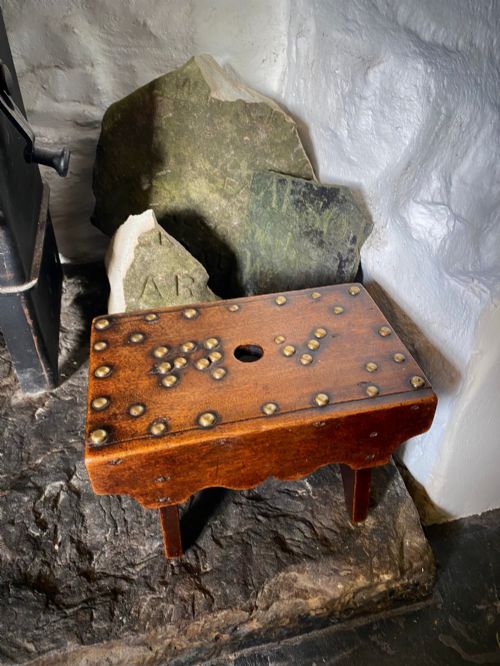
A victorian footrest stool brings practical nineteenth century comfort to a fireside, often appearing in rich timber frames with period needlework.

Victorian Footrest Stool
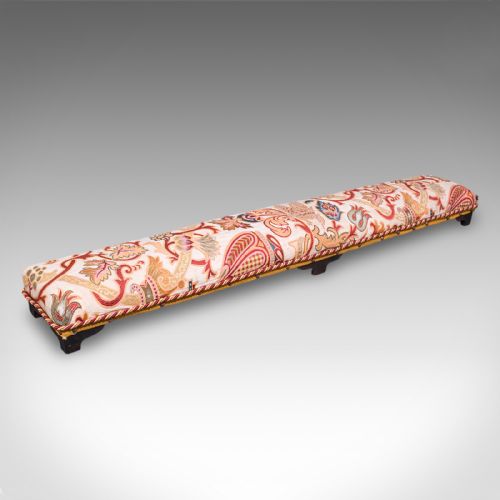
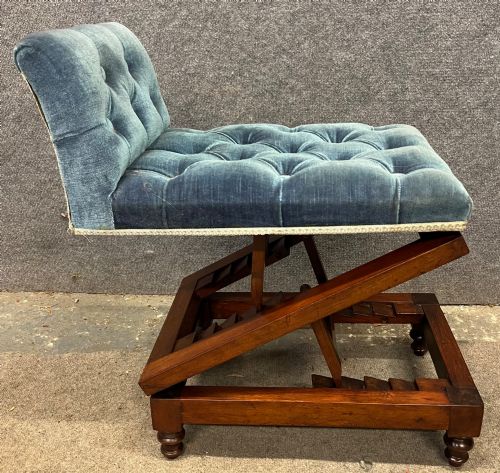
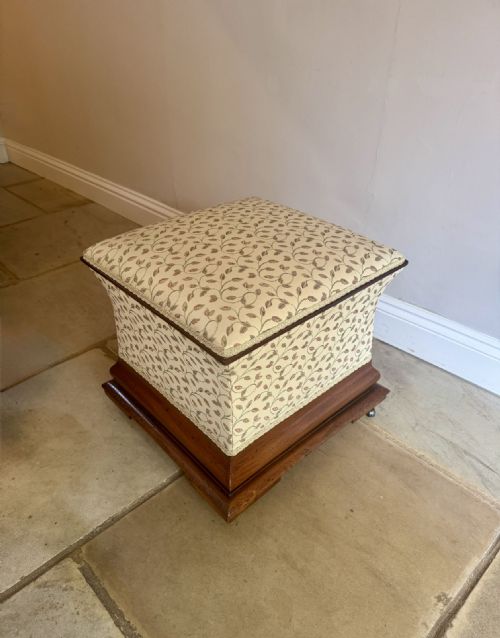
A buyer seeking a victorian footrest stool will encounter a variety of nineteenth century seating forms designed specifically to elevate the feet or serve as low occasional seats. The selection spans compact fireside models, long carriage stools, and larger ottomans, alongside specialised metamorphic gout stools that adjust for the user. These pieces originate predominantly from the Victorian period, with occasional examples extending into the Edwardian era.
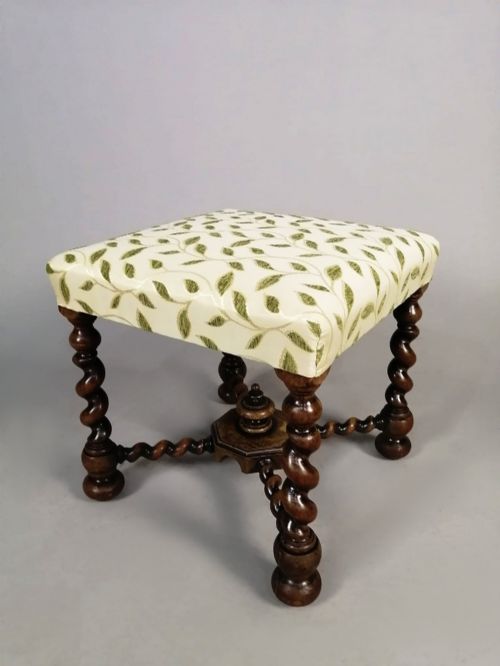
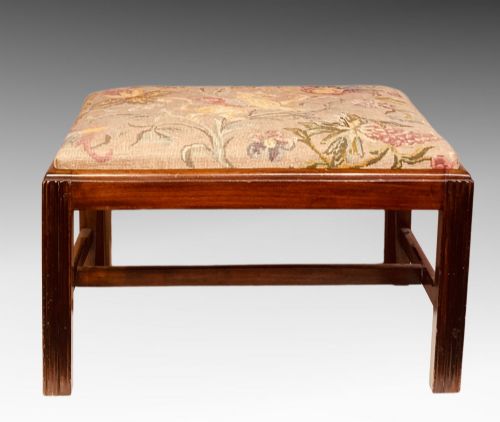
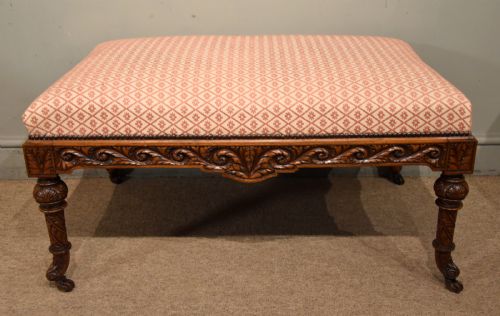
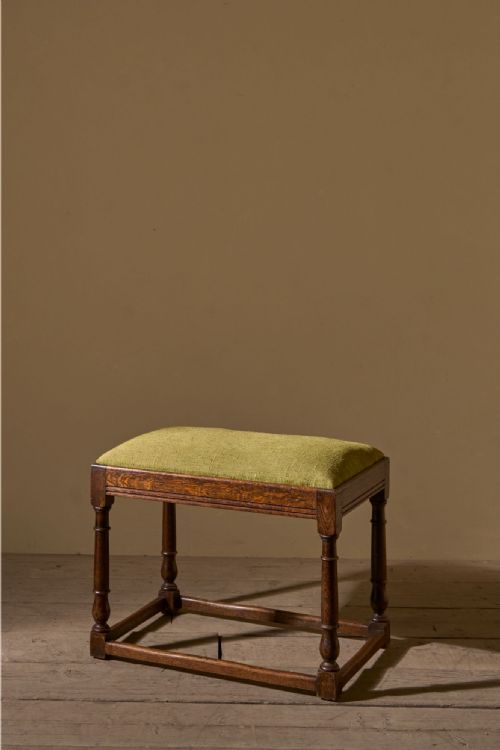
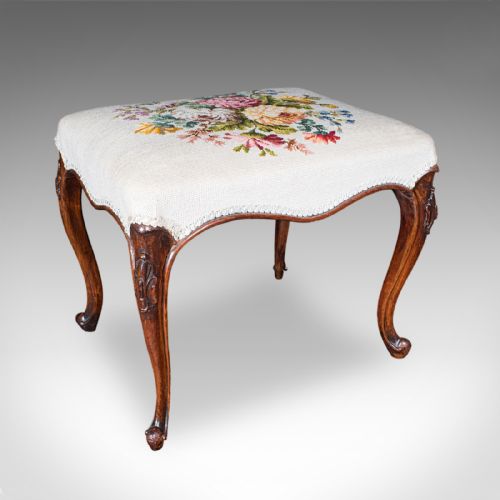
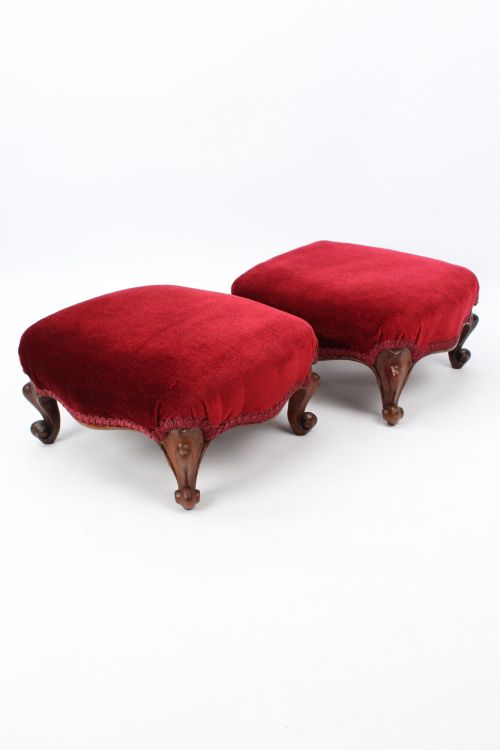
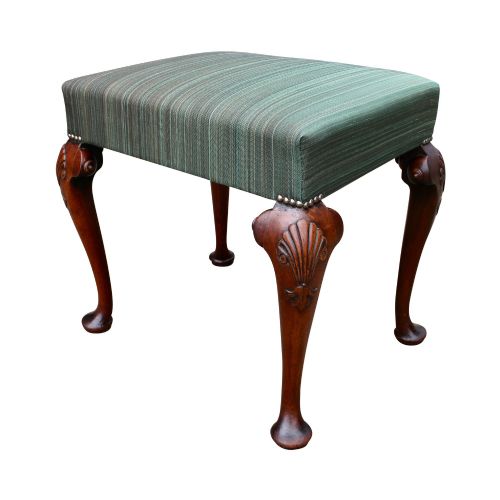
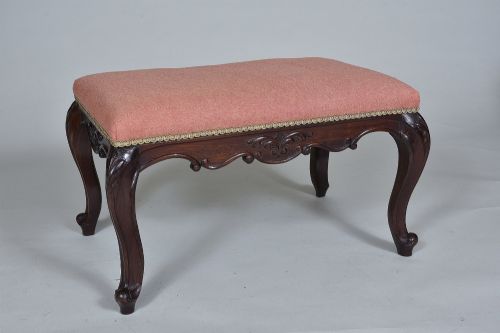
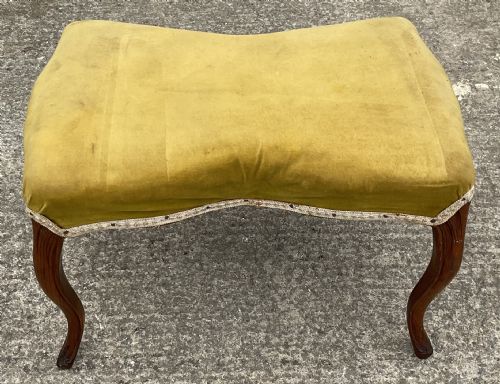
The most common versions on this page are low wooden frames upholstered in textiles such as wool, velvet, tapestry, and heavy linen, frequently supported on cabriole or turned legs. Timber choices range from walnut and rosewood to mahogany and oak, occasionally incorporating brass castors for mobility. Whether functioning as simple footrests or larger centre stools, these items reflect the domestic comfort of nineteenth century interiors.
Materials and Construction
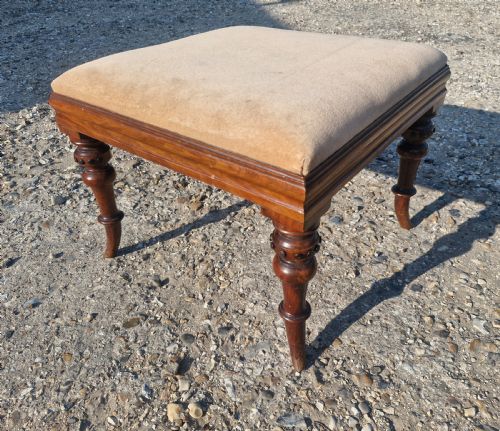
Makers of the period utilised dense hardwoods, predominantly walnut, rosewood, and mahogany, to construct the structural frames of a victorian footrest stool. These timbers were often intricately carved in revival styles, shaped with cabriole legs, or turned into bobbin forms. Oak, beech, and teak also appear among the structural woods.
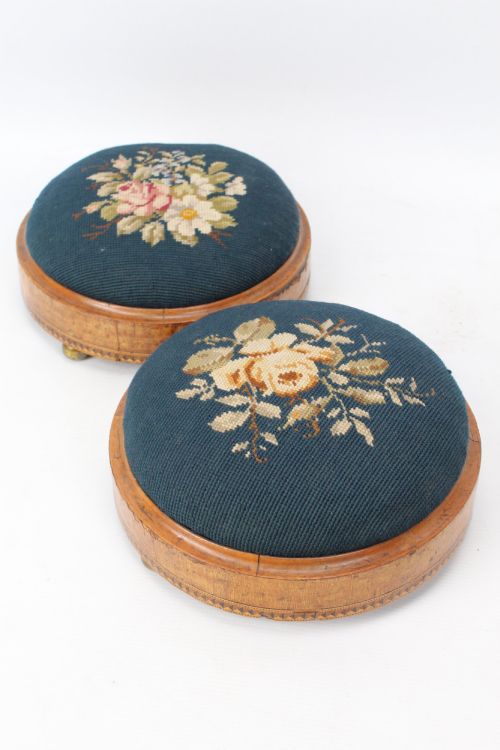
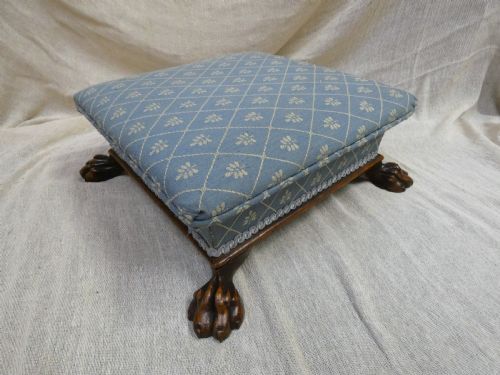
Upholstery techniques defined the upper portion, employing traditional stuffing secured beneath textiles like needlepoint, wool, velvet, and leather. Brass elements such as castors and hinges appear on mobile or metamorphic pieces, while rattan is used in specific woven seating variants.
Victorian Footrest Stool Retail Price Guide 2026
Typical asking prices for victorian footrest stool among the pieces listed under this phrase on Sellingantiques today, from the lower quarter to the upper quarter. They describe what is for sale here now, not the wider market.
Several pieces include brass castors, ensuring that even a stationary footrest could follow its owner across the rug.
Assessing Quality
Quality in these pieces is dictated by the crispness of the timber carving and the structural integrity of the frame joints. Superior examples display carefully shaped cabriole legs, well-figured rosewood or walnut, and robust joinery that sustains daily use without wobble.
The standard of the upholstery materials also distinguishes better examples, particularly where original needlepoint, tapestry, or quality leather remains intact. Finer pieces demonstrate proportion and balance in their turning or carving, whereas simpler utilitarian versions rely on plain turned beech or straightforward mahogany framing.
The Victorian Footrest Stool Glossary
- Cabriole leg
- A furniture leg that curves outward and then tapers inward, mimicking an animal limb. This form appears frequently on mid nineteenth century seating.
- Gout stool
- An adjustable footrest designed to elevate and support the foot or leg of a person suffering from joint pain. Some examples include rocking mechanisms or mechanical adjustments.
- Needlepoint
- Canvas work embroidery executed with wool or silk threads, commonly used for the top upholstery of fireside footstools. It provides a durable and decorative surface.
- Metamorphic
- Describing furniture that transforms from one form into another, such as an adjustable footstool that alters its height or angle. These pieces utilise mechanical hinges or ratchets.
Victorian Footrest Stool: Frequently Asked Questions
How were these stools used?
These pieces served primarily by the hearth to keep feet away from cold draughts near nineteenth century floorboards. They also functioned as dressing table seats or low occasional rests in reception rooms.
Larger variants accommodated multiple feet or acted as low tables and ottomans in domestic spaces. Their modest height made them versatile additions to period seating arrangements.
Are these stools comfortable?
Comfort depends on the firmness of the internal stuffing and the specific height of the timber frame. Many were built with padded needlepoint or wool tops designed to support relaxed posture.
Some surviving examples require reupholstering to restore their original squab padding and support. Buyers often select them for their supportive elevation when paired with armchairs.
How do I care for the wood?
Maintain timber frames by dusting regularly with a dry cloth and applying occasional quality wax to nourish the grain. Keep walnut, rosewood, and mahogany surfaces away from direct heat sources to prevent splitting.
Avoid excessive moisture on upholstered sections and polished timber alike. Gentle handling preserves the nineteenth century polish and structural joints.