

Victorian Flower Vases
When you search for victorian flower vases, you are looking at nineteenth-century vessels designed to hold fresh blooms.
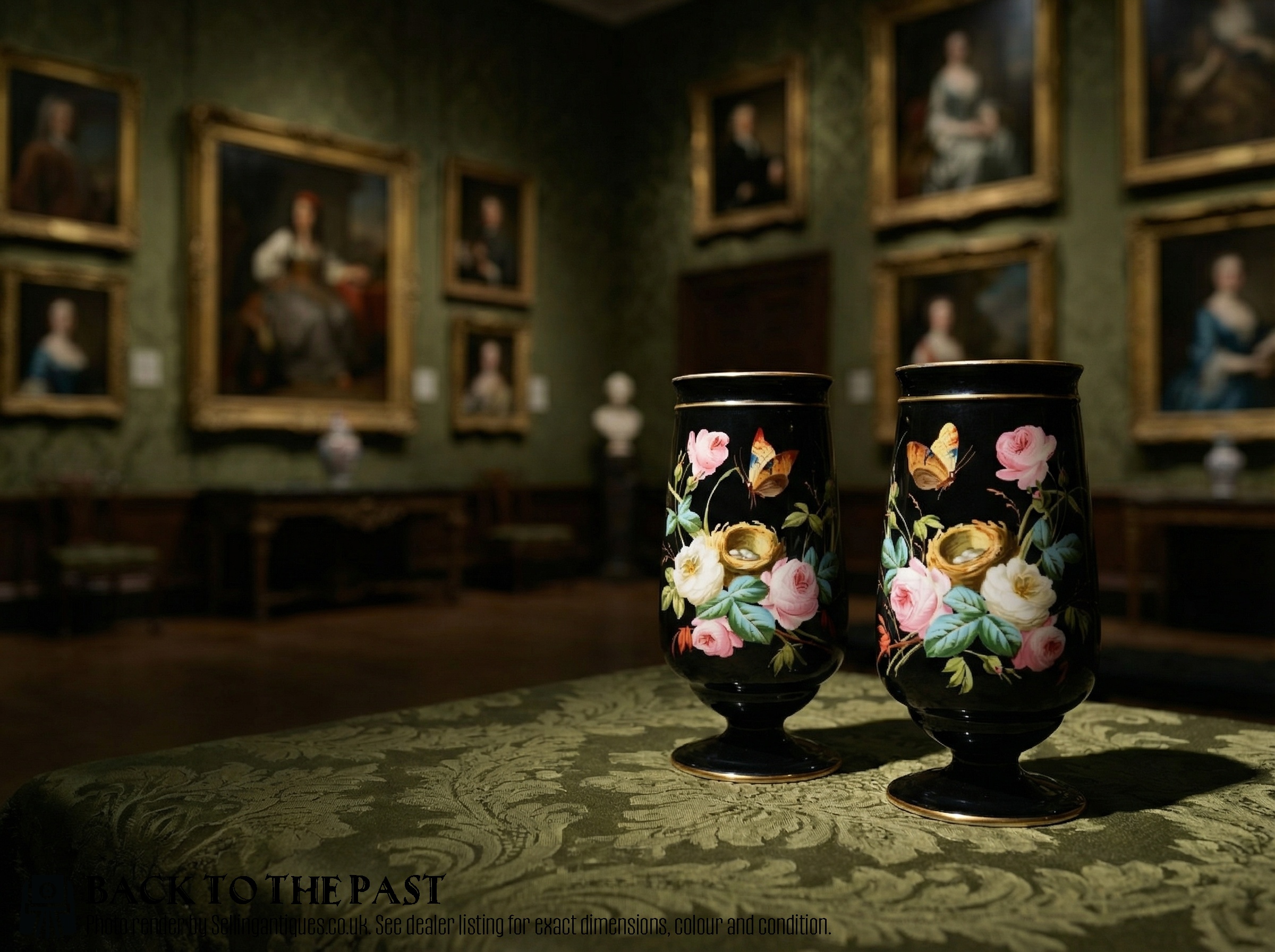
Victorian Flower Vases
When searching for victorian flower vases, buyers encounter a diverse range of vessels designed to display blooms in nineteenth-century interiors. The selections on this page span blown glass, glazed porcelain, silver plate, and bronze, reflecting the varied tastes of the era.
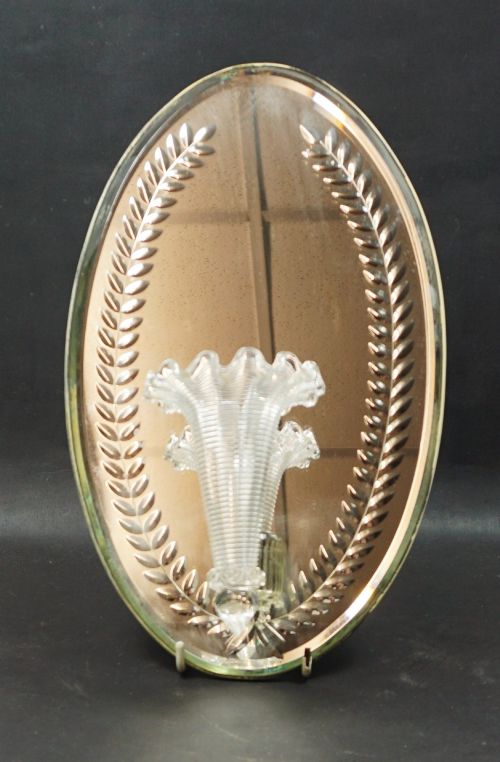
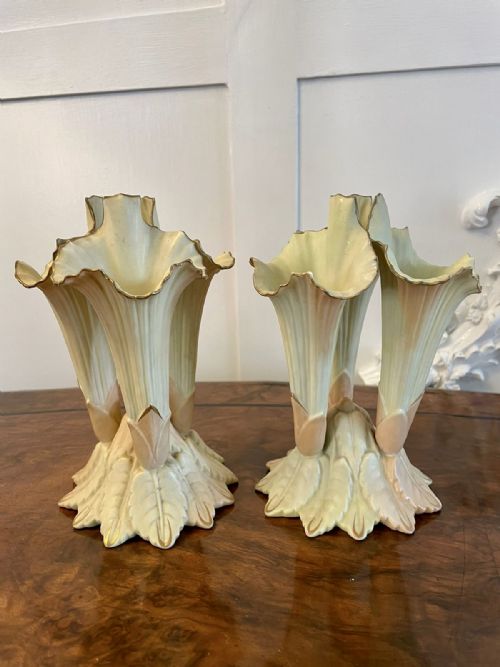
The most common forms met here include posy holders, spill vases, trumpet vases, and multi-piece epergnes. These objects originate from English potteries, continental factories, and Japanese workshops popular during the period.
Vessels range from modest cabinet pieces with hand-painted floral decoration to imposing bronze urns and silver-plated table centrepieces. Each type served a specific function in Victorian domestic flower arrangement.
Materials and Methods
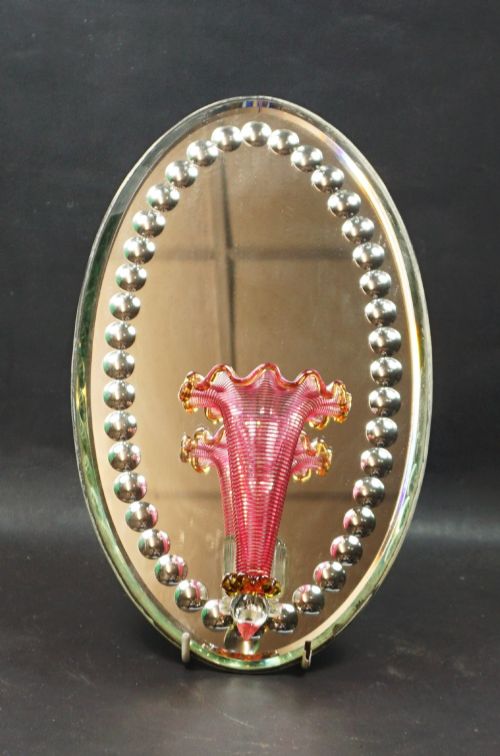
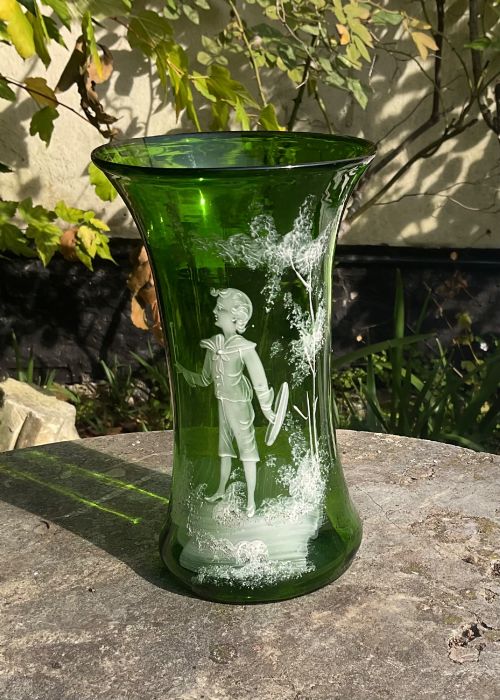
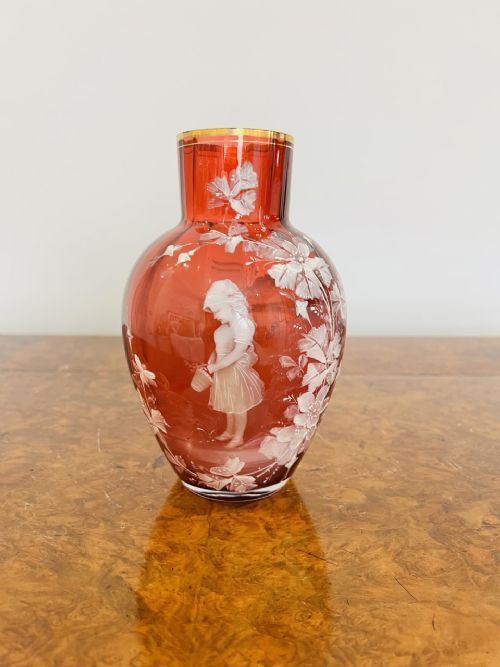
Glassmaking techniques of the period produced distinctive cranberry, vaseline, and cased glass objects, often finished with enamel details or white glass overlays. Coloured glass required precise mineral additions to the molten batch before blowing and shaping.
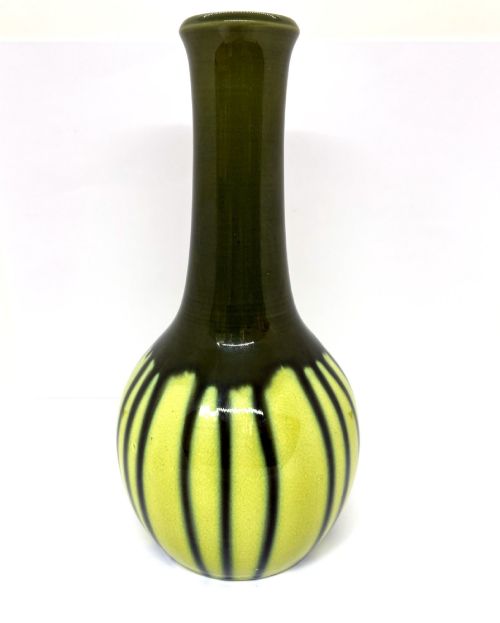
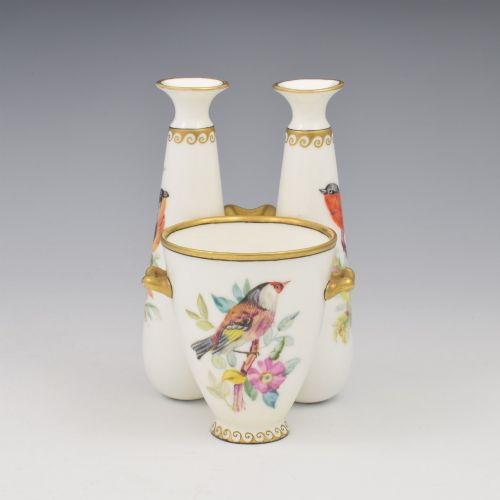
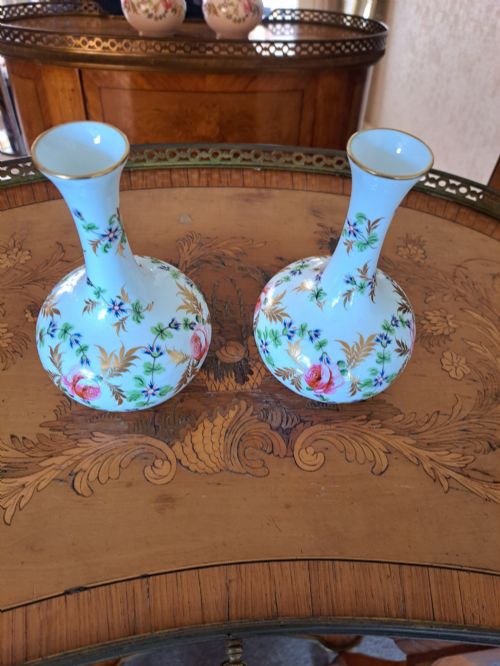
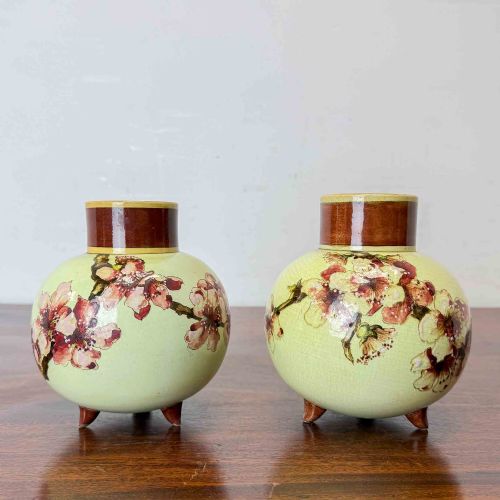
Ceramic examples utilise porcelain, ironstone, and earthenware bodies decorated with hand-painting, transfer printing, or gilding. Factories employed skilled artisans to apply enamel flowers, bird motifs, and intricate oriental-inspired patterns.
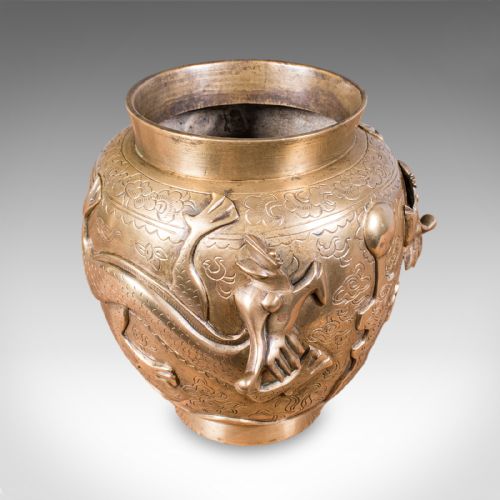
Metal vessels combine silver plating, bronze casting, and sterling silver construction, sometimes incorporating etched glass inserts or applied gilt ornamentation. Foundry workers cast bronze in sections before chasing the surface detail by hand.
Victorian Flower Vases Retail Price Guide 2026
Typical asking prices for victorian flower vases among the pieces listed under this phrase on Sellingantiques today, from the lower quarter to the upper quarter. They describe what is for sale here now, not the wider market.
A cheerful porcelain boy pushing a wheelbarrow serves as a posy holder, proving the Victorians turned even garden chores into table decor.
Assessing Quality
Quality in these vessels rests on the precision of the hand-painted decoration and the crispness of moulded or cast details. Superior porcelain and glass pieces exhibit delicate brushwork and clean lines without blurring in the enamel or gilt.
Weight and balance distinguish higher tier metal and ceramic items from simpler production pieces. Substantial bronze castings, heavy silver plating, and thick cased glass indicate a more generous use of material and careful construction by the maker.
Royal Worcester·Locke And Co·Crown Derby·William Adams And Sons·Doulton Lambeth·Sitzendorf Porcelain·Stevenson And Hancock·Krister KPM Waldenburg·Mason Ironstone·Walker And Hall·Doulton Burslem
The Victorian Flower Vases Glossary
- Cranberry glass
- A rich red-pink transparent glass coloured with gold chloride. It appears frequently in nineteenth-century table glass and epergnes.
- Posy vase
- A small vessel designed to hold a compact bunch of short-stemmed flowers. These pieces often feature narrow necks or pierced inserts to keep stems upright.
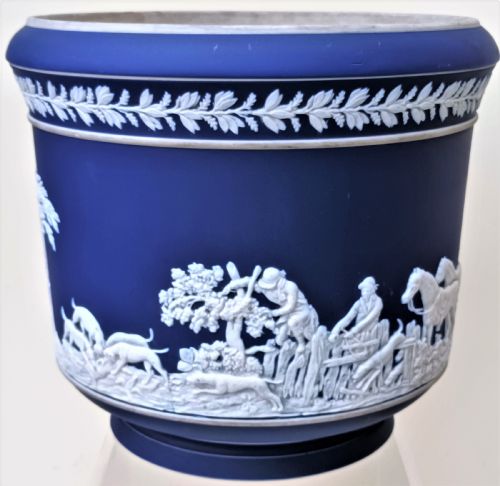
- Jasper ware
- A fine-grained unglazed stoneware developed in the eighteenth century and continued through the Victorian period, typically featuring white relief figures on a coloured ground.
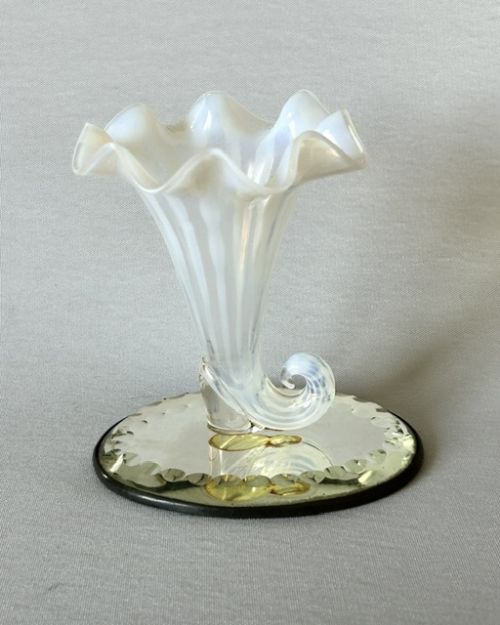
- Vaseline glass
- A pale yellow-green glass containing uranium dioxide that glows under ultraviolet light. Victorian makers shaped this material into unusual cornucopia and trumpet forms.
Victorian Flower Vases: Frequently Asked Questions
What is an epergne?
An epergne is a decorative table centrepiece featuring a central bowl with multiple detachable trumpet vases or hanging baskets branching out from the base. They served as dramatic table decorations for holding fruit or flowers during nineteenth-century meals.
Victorian examples frequently combined silver-plated frames with cranberry or vaseline glass inserts. The modular construction allowed servants to dismantle the pieces easily for cleaning after dinner.
How do I identify vaseline glass?
Vaseline glass is characterised by its distinctive transparent yellow or greenish-yellow colour, which resembles petroleum jelly. The glass achieves this translucent hue through the addition of uranium oxide during the manufacturing process.
When exposed to ultraviolet light, genuine nineteenth-century pieces emit a strong green fluorescent glow. Collectors prize this unusual optical property alongside the delicate forms of the vases.
How were spill vases used?
Spill vases were small, narrow containers kept on mantelpieces to hold thin rolls of paper called spills. Victorian households used these paper spills to transfer flames from the fireplace to candles or lamps.
As matches became safer and more common, these vessels transitioned into holding short-stemmed garden flowers. Their compact proportions made them ideal for placing along mantel shelves.