





Black Porcelain Pair
These black porcelain pair items bring striking contrast and period presence to a room, ranging from small door furniture to grand floor vases.
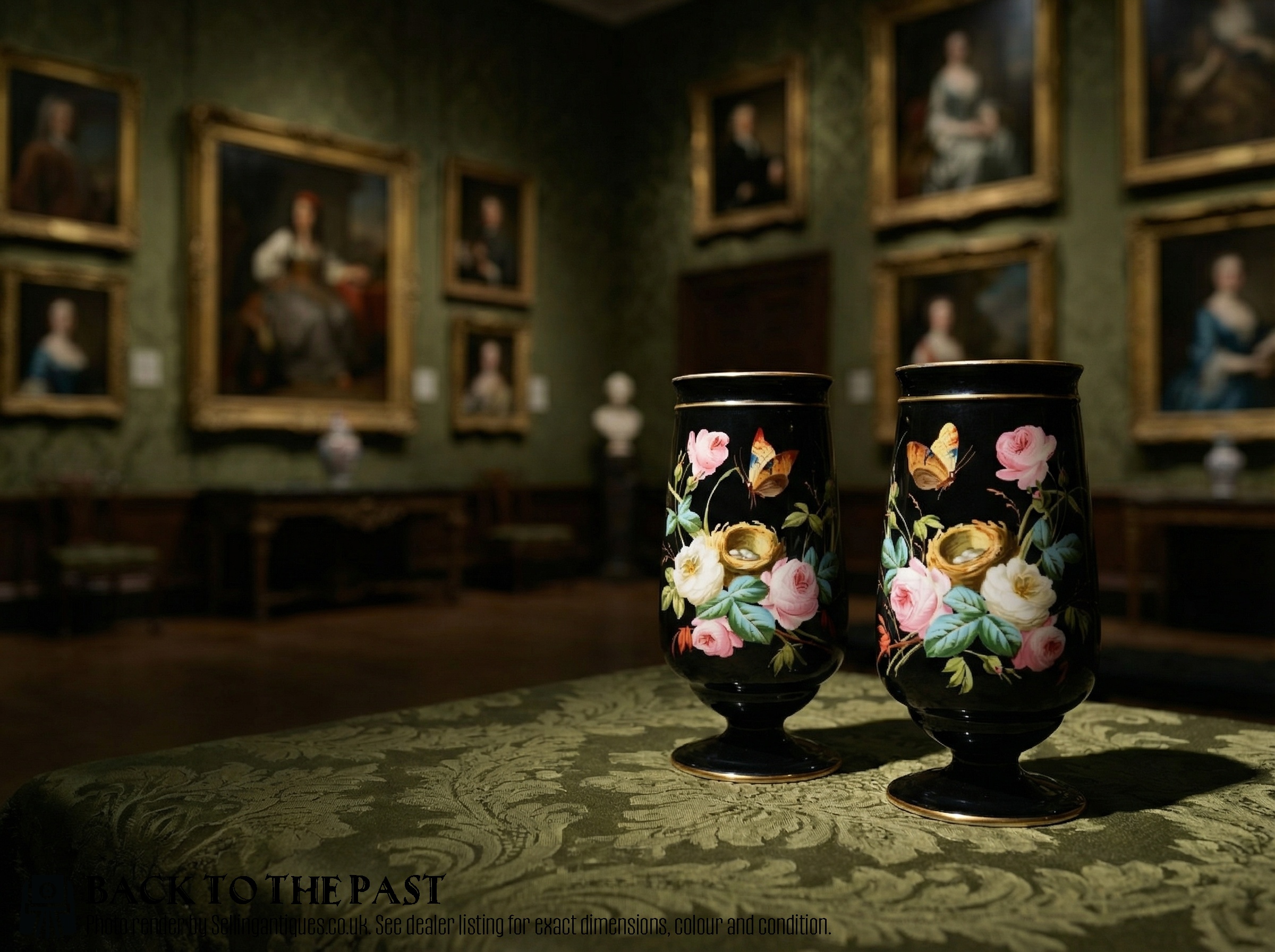
Black Porcelain Pair
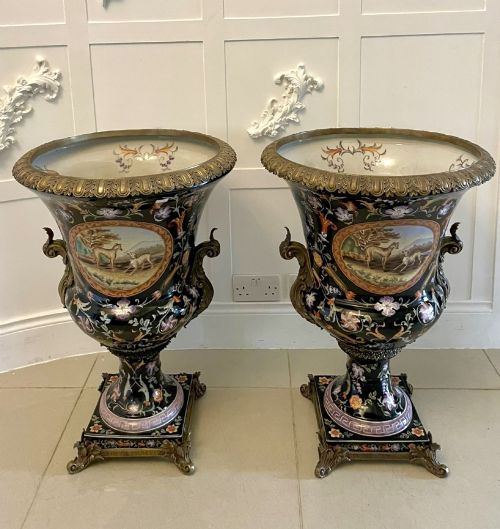
When you search for a black porcelain pair, you encounter matched sets spanning the nineteenth and twentieth centuries, originating from European and Asian workshops. The forms include utilitarian fixtures such as door pulls alongside decorative vessels, vases, and jardiniere urns.
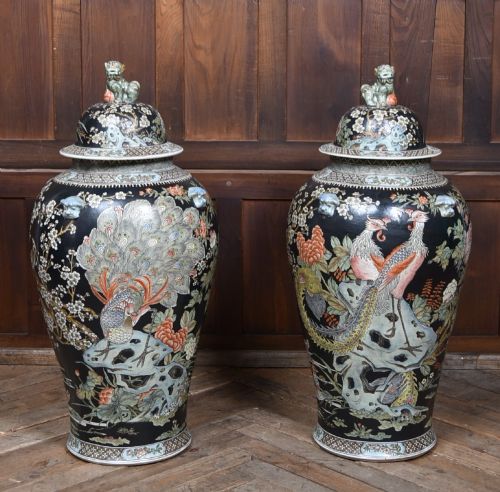
The selections on this page demonstrate the broad scope of this search term, encompassing Victorian pieces, Chinese palace jars, Japanese Satsuma works, and European ceramics. Buyers most frequently meet mantel vases, display figures, and mounted decorative pairs.
The materials span standard porcelain, ceramic, and earthenware, often paired with brass mounts, enamel, or gilt decoration. These matched objects reflect distinct historical periods from the late seventeenth century through the Art Nouveau era and into the nineteen-thirties.
How They Were Made
The manufacturing process relies on fired ceramic and porcelain bodies, which receive monochrome glazes or hand-painted enamel details in black, red, and gold. Artisans frequently integrated metal components such as brass mounts, nickel fittings, or gilt embellishments to complete the design.
Techniques range from hand-painting and moulding in shallow relief to intricate lacquer panels and applied gold leaf. European factories and Asian kilns utilised distinct glazing traditions, resulting in surfaces that vary from high-gloss black porcelain to matte earthenware.
Black Porcelain Pair Retail Price Guide 2026
Typical asking prices for black porcelain pair among the pieces listed under this phrase on Sellingantiques today, from the lower quarter to the upper quarter. They describe what is for sale here now, not the wider market.
Some pairs take the form of miniature ceramic dogs, proving that Victorian households loved their pets in porcelain miniature.
What Varies in Quality
The standard of a pair rests upon the precision of the hand-painted details, the crispness of the moulded relief, and the integrity of any metal mounts or gilt decoration. Superior examples display careful brushwork and balanced symmetry between the two pieces.
Material quality reveals itself in the purity of the porcelain body and the stability of applied elements such as enamel or lacquer panels. Cohesion within the matched set determines the overall success of the pair.
Rozenburg·Gio Ponti·Richard Ginori·Beswick Staffordshire
The Black Porcelain Pair Glossary
- Jardiniere
- A decorative ceramic or porcelain pot designed to hold plants or flowers. These vessels often feature brass mounts or hand-painted scenes.
- Satsuma
- A type of Japanese earthenware featuring a crackled ivory glaze decorated with polychrome enamels and rich gilt. These pieces frequently depict figures or natural motifs.
- Ebonised
- Wood or other material treated to resemble dark ebony wood. This finish appears on hardware and structural mounts paired with porcelain.
- Enamel
- Opaque or translucent glass fused to a surface through firing. It provides vibrant colour and durable decoration on ceramic objects.
- Relief
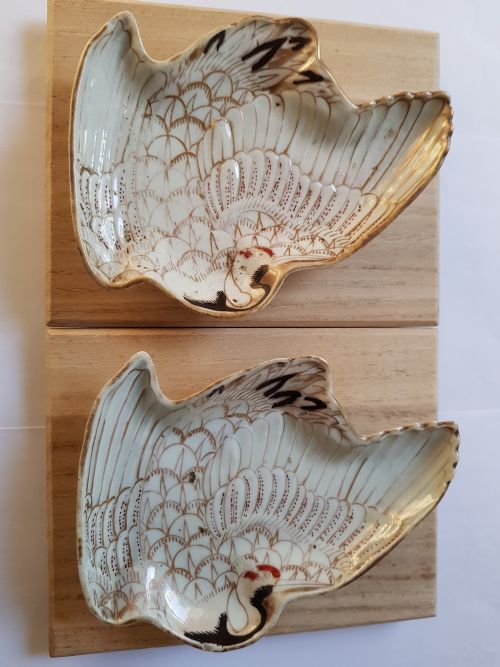
- Sculptural projection from a flat background surface. Japanese and European makers utilised moulded shallow relief to create texture on vessels and dishes.
Black Porcelain Pair: Frequently Asked Questions
How do I clean a porcelain pair?
Dust the surfaces gently with a soft, dry cloth to remove everyday particles without disturbing the glaze.
Avoid harsh chemical cleaners or abrasive materials, particularly on pieces with gilt decoration or enamel painted details.
Are these items strictly decorative?
Many pieces serve a purely ornamental function, such as mantel vases, palace jars, and framed ceramic tiles.
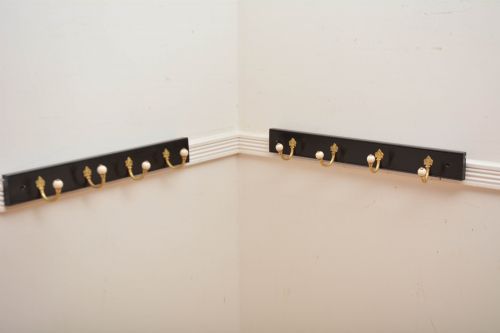
Others, including door pulls and coat racks, combine functional hardware with decorative porcelain components.
How can I tell the period?
Examine the glazing techniques, material combinations, and stylistic markers such as Art Nouveau curves or Victorian brass mounts.
Maker marks and regional painting styles also provide clear indications of nineteenth or twentieth-century manufacturing dates.