


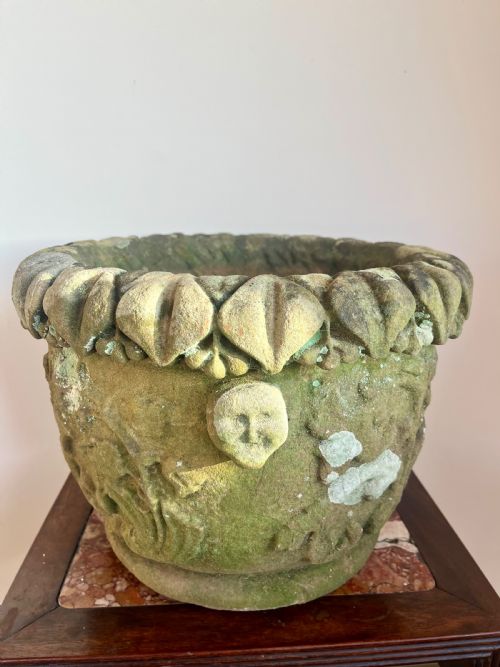


Victorian Flower Pot
These Victorian flower pot selections bring domestic interior greenery and garden display together in copper, brass, and ceramic forms.
Victorian Flower Pot
A Victorian flower pot encompasses indoor jardiniere vessels, plant stands, and occasional garden urns from the nineteenth century. Buyers searching this phrase meet copper and brass metalwork most frequently alongside ceramic and earthenware bodies.
The objects served to hold potted plants within domestic rooms, often resting on dedicated stands of wood, iron, or marble. Many surviving pieces reflect the aesthetic movements of their era, including Arts and Crafts, Art Nouveau, and classical revival designs.
Forms range from heavy metal buckets with lion mask handles to glazed ceramic vessels and small posy vases. The broader category stretches from domestic tabletop jardiniere planters to heavy outdoor garden urns.
Materials and Working Methods
Metal vessels rely on sheet copper and brass, frequently shaped by hand hammering, riveting, and chasing. Artisans of the Arts and Crafts period left visible tool marks and surface textures on these solid copper planters.
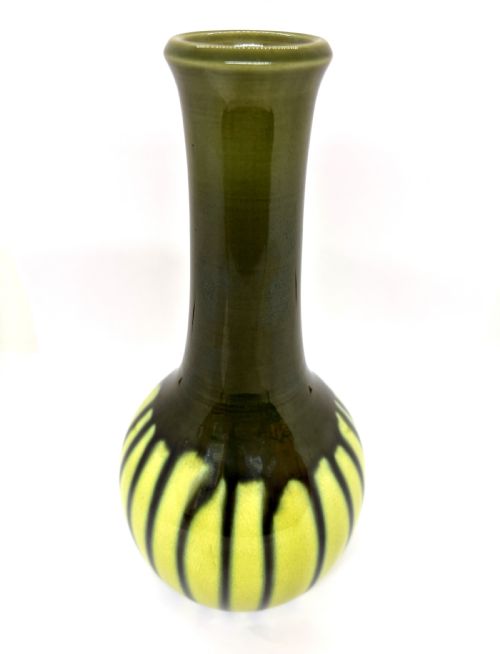
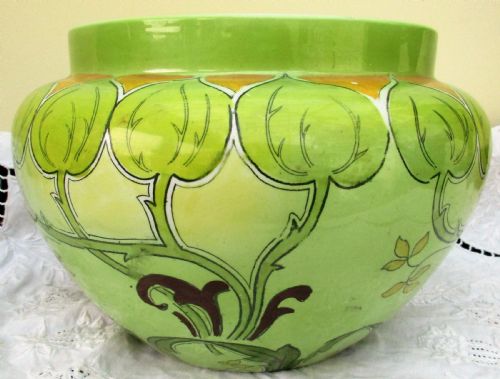
Ceramic and earthenware examples employ moulded clay bodies finished with salt glaze, majolica coloured leads, or delicate transfer-printed patterns. Workshops like Doulton and Royal Worcester applied rich coloured glazes and hand-painted details to their jardiniere bodies.
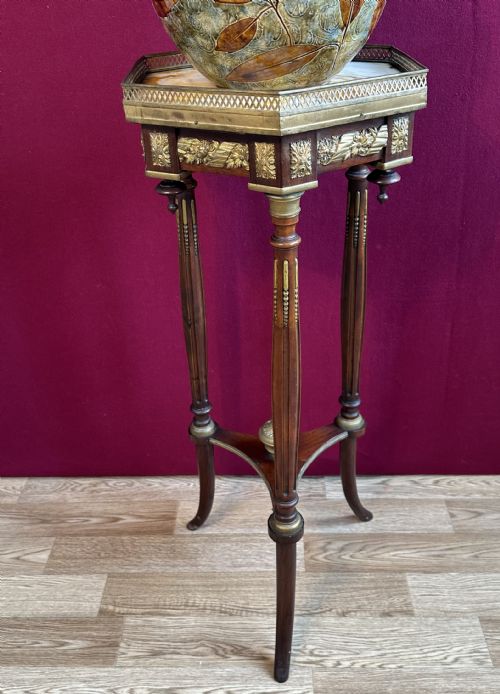
Support furniture combines turned hardwoods, ebonised timber, and cast iron into plant stands tailored to hold heavy pots. Bronze casting and cloisonne enamel techniques also appear on decorative oriental import pieces collected during the period.
Listings feature 19th century and Victorian pieces in brass, copper, earthenware, stoneware, ceramic, porcelain, and bronze.
Evaluating Quality and Make
Quality rests upon the weight of the material and the crispness of the hand-worked details. Heavy gauge copper with secure riveted seams and deep relief chasing stands apart from thin, pressed metal alternatives.
Ceramic pieces reveal their standard through the depth of the glaze, the alignment of the mould, and the refinement of any painted decoration. Well-defined markings from established potteries indicate superior workshop output.
Integrated details such as cast brass lion mask handles, claw feet, or applied metal mounts elevate the construction standard. The joinery of accompanying stands must match the vessel in stability and timber selection.
William Adams And Sons·W.A. Adderley·Royal Worcester·Doulton Lambeth·Hukin And Heath·Coalport
The Victorian Flower Pot Glossary
- Jardiniere
- An ornamental pot or stand for holding flowers or plants, typically ceramic or metal. These vessels were designed to sit inside domestic reception rooms rather than outdoors.
- Jasper ware
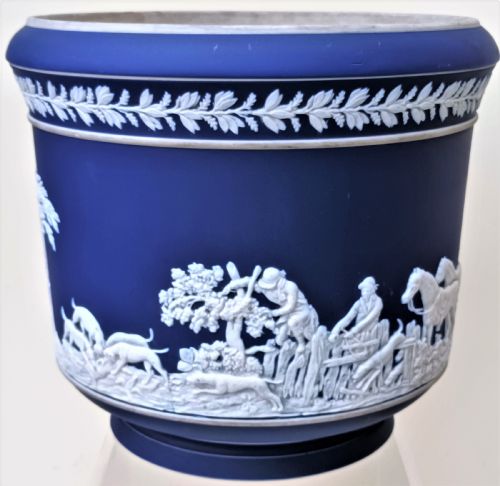
- A fine-grained, unglazed stoneware developed by Josiah Wedgwood, known for its contrasting relief decorations against a coloured ground. Blue versions are particularly common in nineteenth-century decorative pieces.
- Majolica
- Pottery glazed with an opaque tin-lead enamel and painted with brightly coloured metal oxides. This technique produced vivid green, brown, and yellow floral vessels popular in the Victorian interior.
- Cloisonne
- Enamelling technique where thin metal wires form raised barriers on a metal body to hold coloured pastes before firing. It appears on decorative vases and display pots imported during the period.
- Posy vase
- A small vessel designed to hold a tight bunch of cut flowers rather than a growing plant. These diminutive ceramic or glass pieces frequently decorate tabletops.
Victorian Flower Pot: Frequently Asked Questions
What is a jardiniere?
A jardiniere is an ornamental container designed to hold a potted plant inside the home. Unlike a standard flower pot, it serves a decorative function and usually lacks drainage holes.
These vessels protected fine furniture from water damage by catching moisture in the base. They were manufactured in ceramic, copper, brass, and stoneware during the nineteenth century.
How were copper planters used?
Copper planters housed large potted palms, ferns, and flowering plants in Victorian parlours and drawing rooms. Their reflective metal surfaces helped brighten dark corners of the home.
Many featured sturdy drop handles to help domestic staff move heavy plants around for watering and sunlight. Over time, the metal developed a natural dark patina from handling.
How do I care for antique metal pots?
Antique copper and brass vessels require gentle cleaning with mild soap and warm water to preserve their aged surfaces. Aggressive chemical polishing strips away the historic patination that collectors value.
Using an internal plastic liner prevents moisture from sitting against the old metal and causing active corrosion. Keep the exterior dry and dust it gently with a soft cloth.
Where should I place a plant stand?
Plant stands work best in well-lit interior spaces where their height can lift trailing plants off the floor. They suit corners, window bays, and entrance hallways.
Ensure the floor surface is level because older wooden and iron stands can have slight wobbles. Pair them with matching ceramic jardiniere bowls for an authentic period arrangement.