


Victorian Floral Sofa
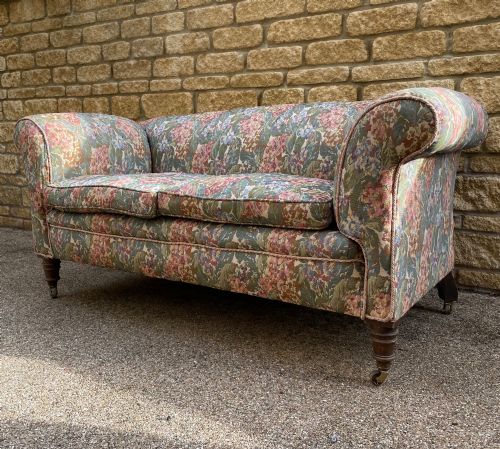
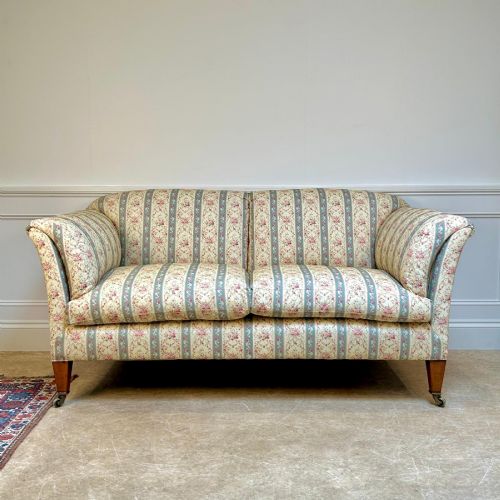
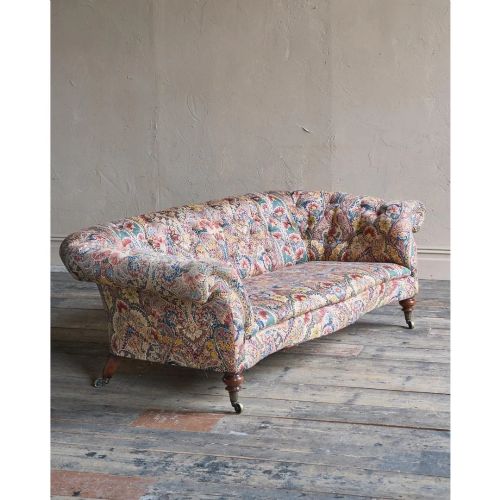
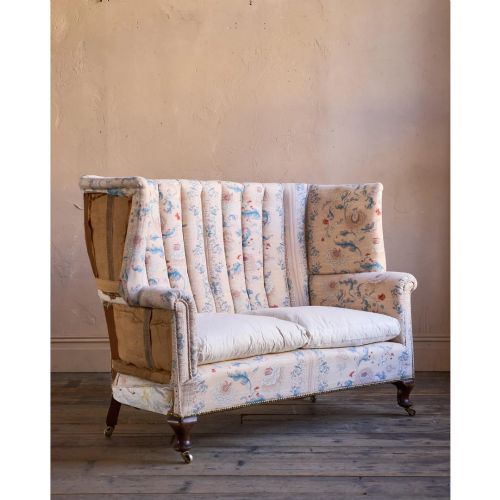
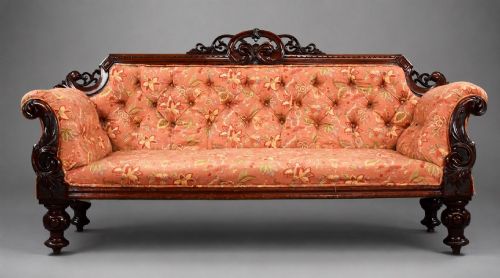
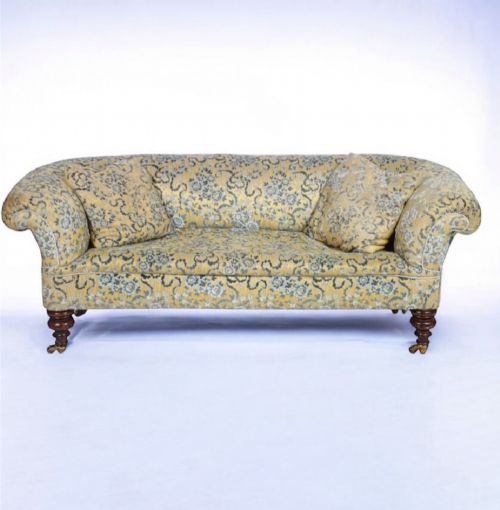
These Victorian floral sofa options bring period seating and upholstery into a room, offering historic character and deep comfort.
Victorian Floral Sofa
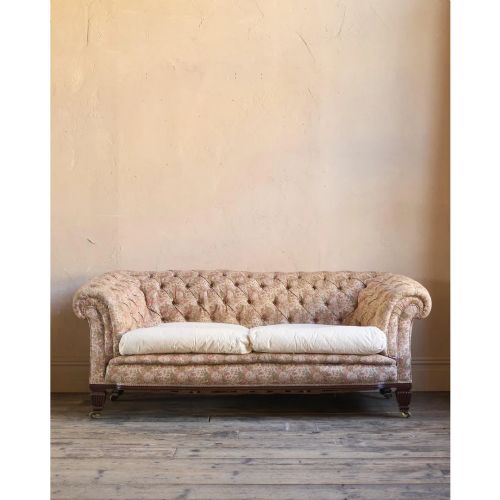
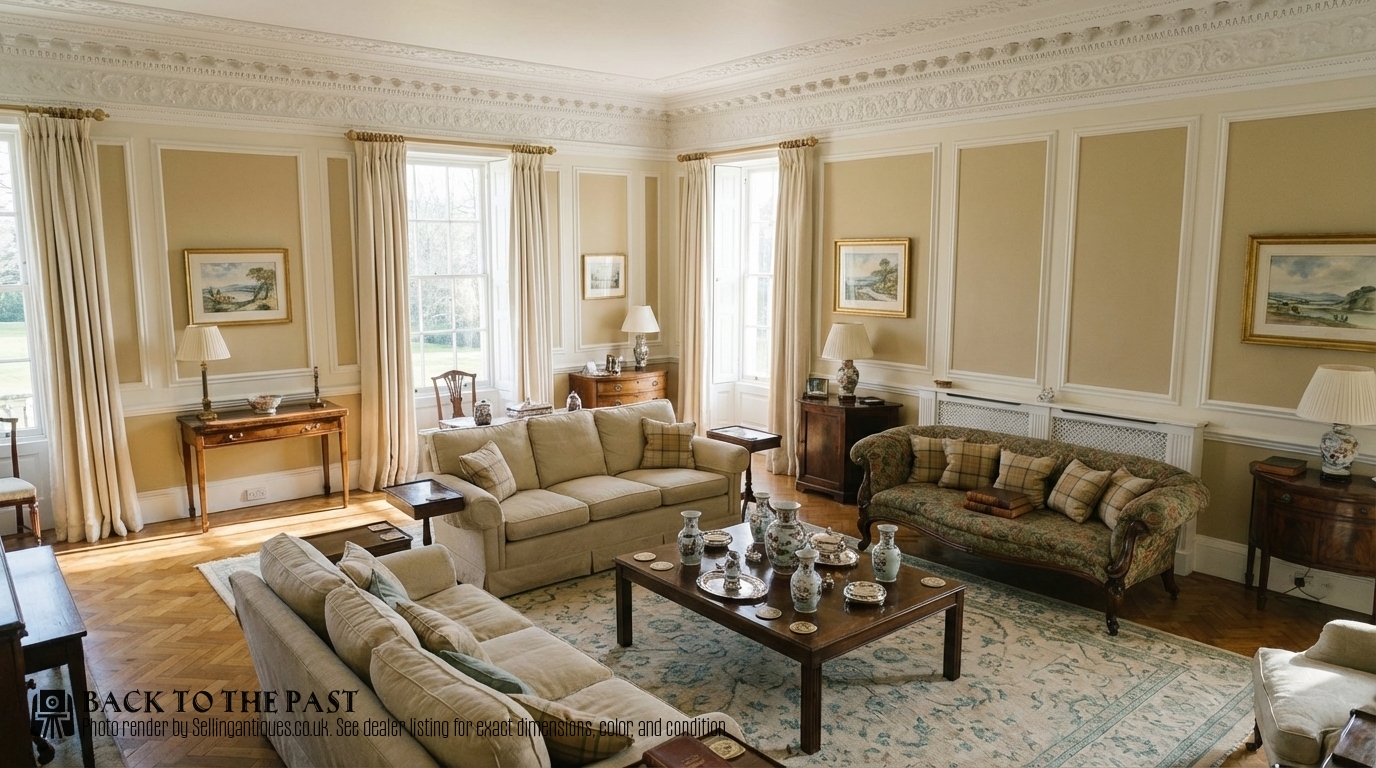
A victorian floral sofa search brings up a variety of nineteenth-century seating, from drop-arm two-seaters to button-upholstered Chesterfields and serpentine double-end settees. Most pieces date from the nineteenth century, including specific years like 1850, 1860, 1870, 1880, and 1900, alongside Edwardian examples.
The selection ranges across distinct forms such as settee, chaise longue, conversation seat, daybed, and window seat. Alongside standard sofas, the inventory includes associated furniture like centre tables, writing desks, and occasional tables that share the same period vocabulary.
Makers and styles span Early Victorian, William IV, Regency, Chippendale, Sheraton Revival, and Aesthetic Movement designs. Upholstery materials and fabric coverings work alongside structural woods to define each piece's visual weight and presence.
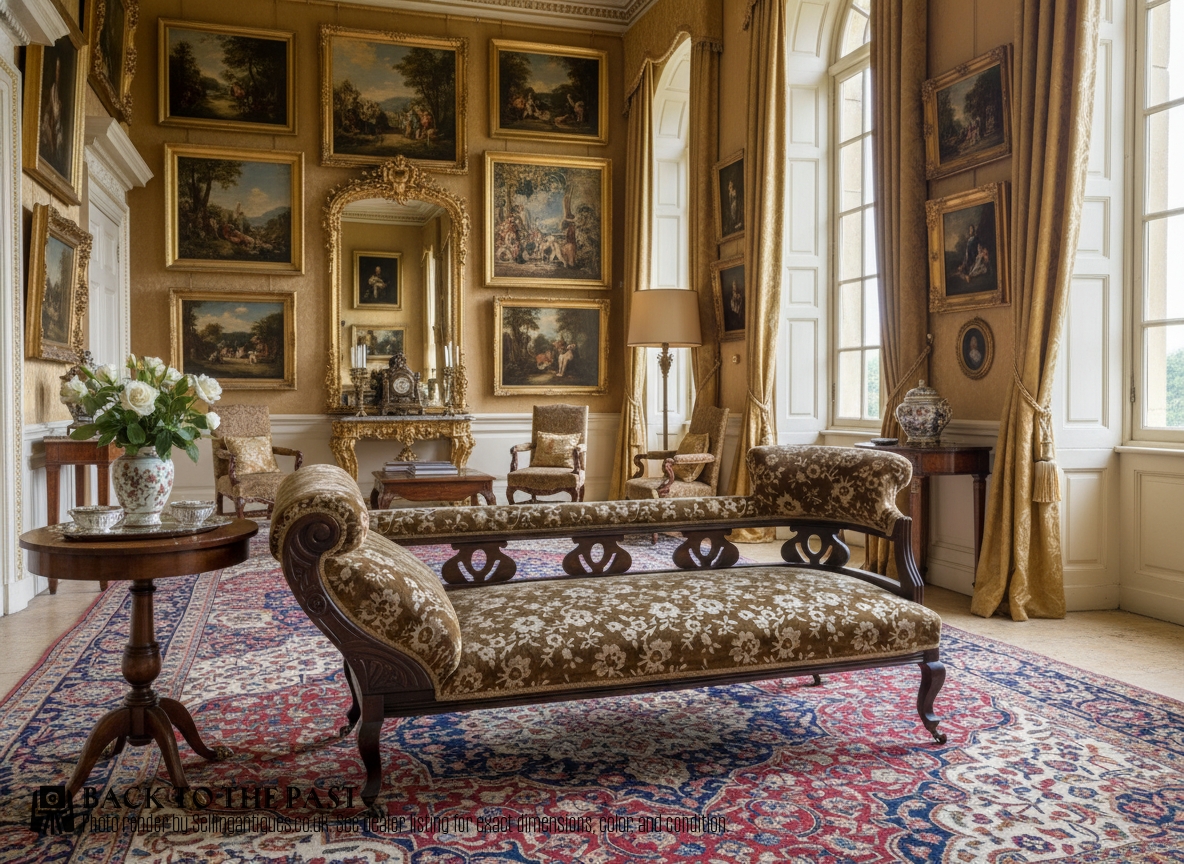
Materials and Construction
Carpenters utilised solid timbers for frames, predominantly mahogany, walnut, burr walnut, rosewood, and satinwood, occasionally incorporating oak or brass details. These dense hardwoods provided the structural integrity required for heavily carved frames, scroll ends, and intricate showwood mouldings.
Upholstery techniques involved traditional fillings, original ticking, and various fabric upholsteries, hand-dyed leathers, and floral embroidered textiles. Frames combined exposed carved woodwork with sprung or padded seating areas designed for long-term support.
Some nineteenth-century conversation seats ensured polite distance by arranging two sitters in an undulating S-curve.
Assessing Quality and Craftsmanship
Quality rests in the crispness of the hand carving on exposed showwood frames and the structural execution of complex forms like camel backs and conversation seats. Superior pieces exhibit refined joinery, dense timber selection, and well-executed marquetry or inlay work.
The integrity of the upholstery foundation, whether utilising original ticking, hand-dyed leather, or period fabric, dictates the authenticity and comfort of the piece. Subtle details in foot design, such as hawk claw and ball feet, separate standard production from masterwork output.
Howard & Sons·H. Goodall & Sons·Gillows
The Victorian Floral Sofa Glossary
- Chesterfield
- A large padded sofa traditionally featuring deep button tufting and rolled arms of equal height. This form serves as a staple of Victorian and Edwardian sitting rooms.
- Chaise Longue
- An upholstered couch-like seat designed for reclining, featuring one raised end or backrest. These pieces appear frequently in rosewood and mahogany across the nineteenth century.
- Marquetry
- Decorative veneer work arranged in intricate pictorial patterns using various woods. This technique frequently ornaments Victorian centre tables and cabinet pieces.
- Showwood
- Timber frame construction left exposed around the upholstered portions of a sofa or settee. Mahogany and walnut serve as the primary showwood mediums in these listings.
- Drop-arm
- A mechanical arm mechanism on a sofa that lowers to create a daybed or sleeping surface. This adjustable feature increases the versatility of Victorian seating.
Victorian Floral Sofa: Frequently Asked Questions
How do I identify a Victorian chaise longue?
A Victorian chaise longue displays an asymmetrical backrest that slopes down toward a single open end for reclining. These pieces frequently feature carved mahogany or rosewood frames with button upholstery.
They function as daybeds or boudoir seating, emerging in various forms from the eighteen-fifties through the end of the century.
What defines an Aesthetic Movement table?
Aesthetic Movement tables showcase simplified lines and Japanese-inspired decorative motifs popular in the late nineteenth century. They often utilise inlaid geometric patterns and dark woods.
These pieces stand apart from heavier high-Victorian designs through a focus on artistic arrangement and lighter structural proportions.
How do I care for antique wood showwood?
Antique showwood frames require dusting with a dry lint-free cloth and occasional treatment with appropriate wax to nourish the timber. Avoid direct sunlight and heavy moisture to protect the finish.
Maintaining stable room humidity prevents the mahogany and walnut frames from cracking or warping around the upholstery.