

Victorian Floral Ceramic
Victorian floral ceramic pieces bring vibrant hand-painted botanical motifs and rich glazes into domestic spaces, offering both decorative charm and enduring utility.
Victorian Floral Ceramic
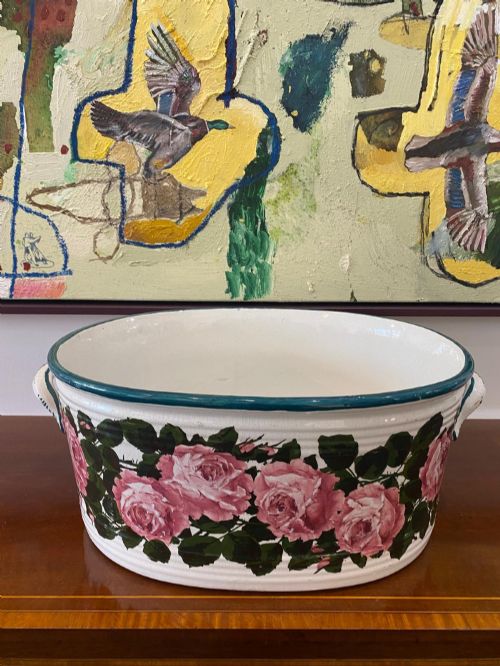
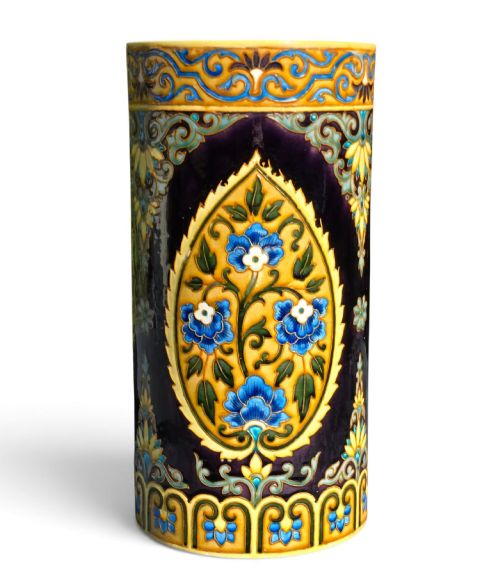
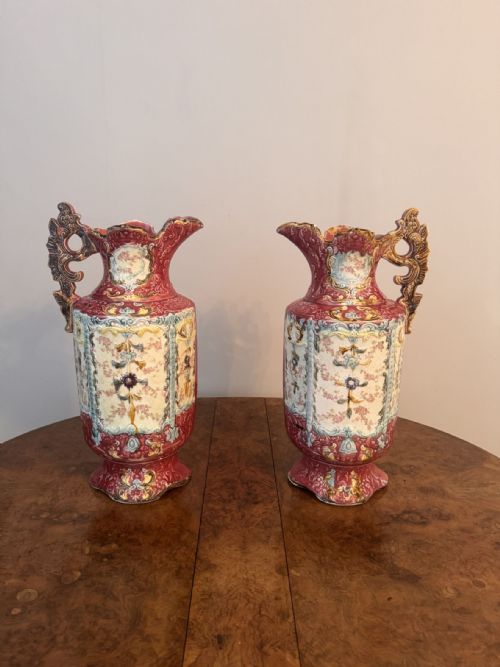
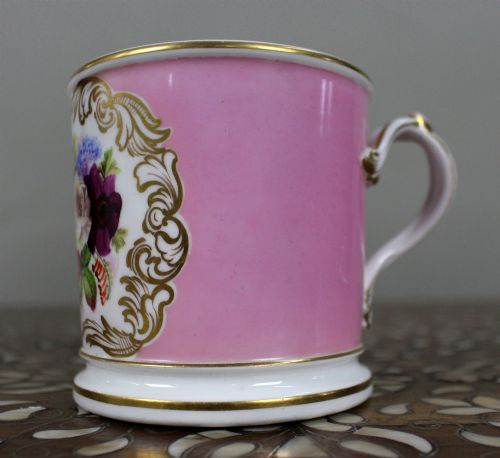
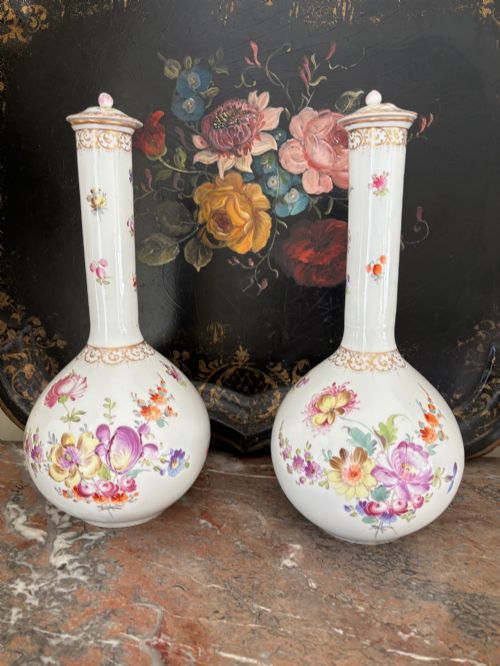
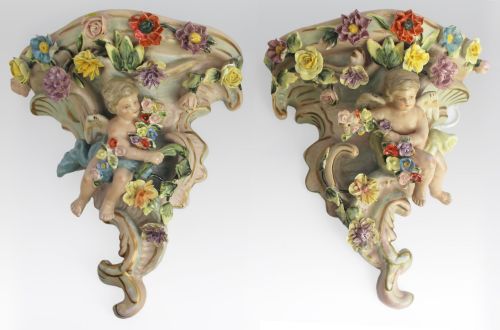
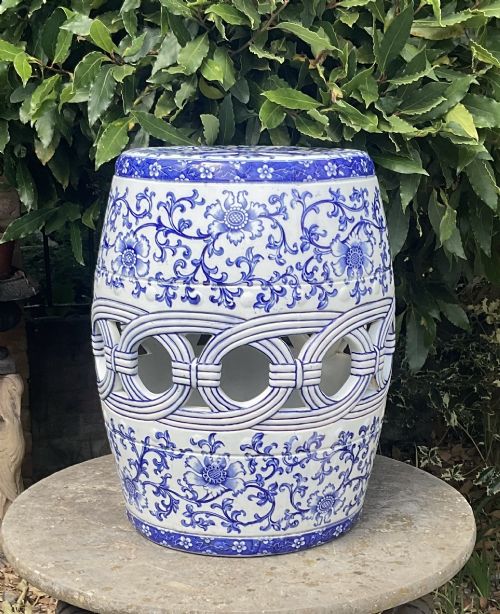
When you search for victorian floral ceramic, you are looking at nineteenth-century vessels, tableware, and decorative objects adorned with painted or transferred botanical patterns. These pieces range from functional jugs, pitchers, and cheese dishes to large garden seats, umbrella stands, and decorative vases.
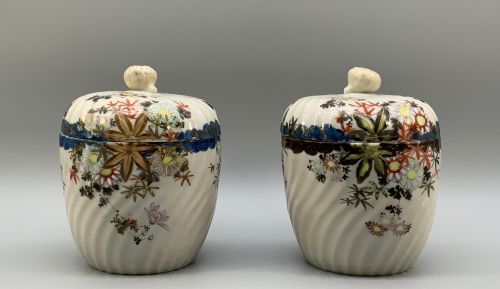
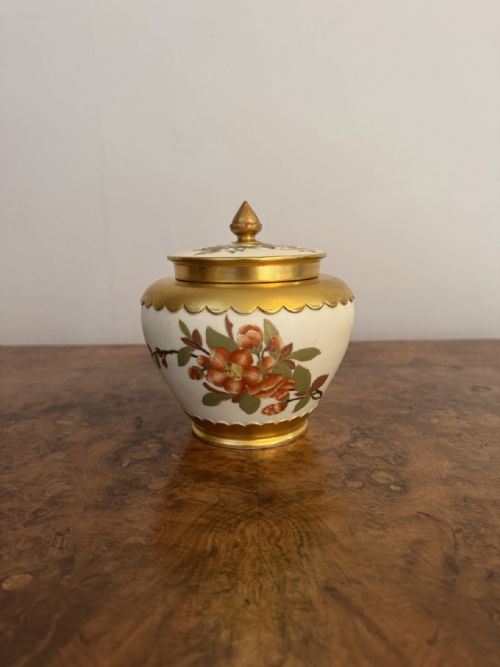
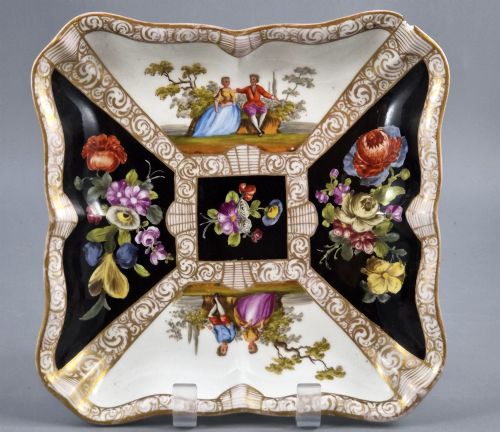
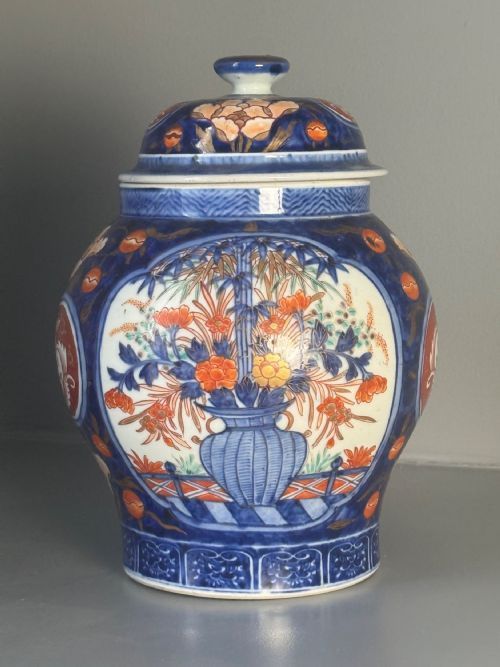
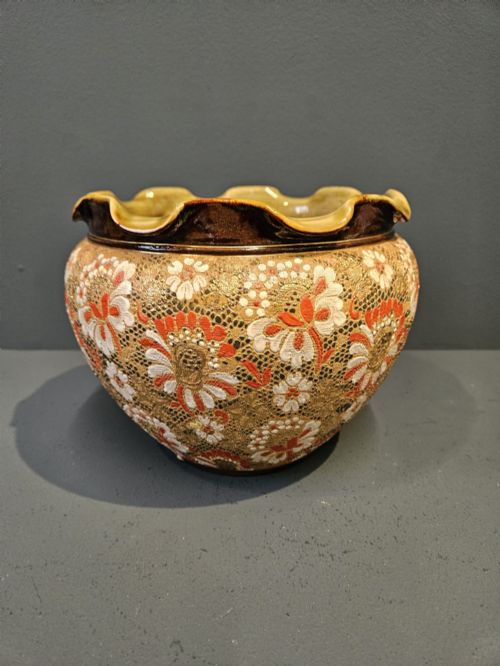
The selection on this page draws heavily from Victorian and Edwardian periods, alongside nineteenth-century continental and Japanese export wares that influenced British tastes. Forms extend from bulbous potpourri pots and lidded jars to cabinet dishes, tea wares, and large chargers.
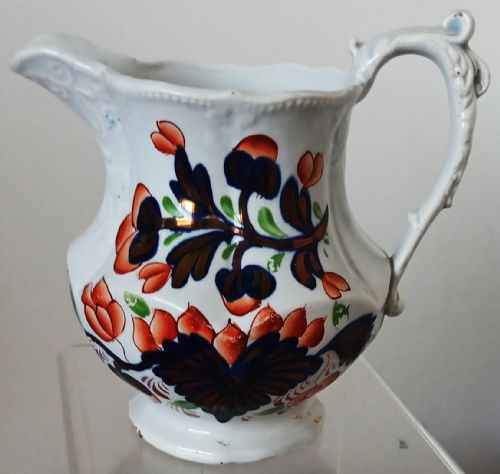
Makers and potteries span British factories such as Royal Worcester, Doulton Lambeth, and Minton, alongside continental porcelain works and Japanese Imari traditions. Buyers encounter everything from blue and white pottery to brightly coloured Gaudy Welsh patterns and elaborate hand-painted porcelain.
How they were made
Potters shaped these objects from earthenware, porcelain, and faience, often applying coloured glazes, enamel, and gold leaf highlights to enhance the surface. Hand-painted floral motifs frequently combined with transfer-printed outlines, relying on precise kiln firings to set the colours.
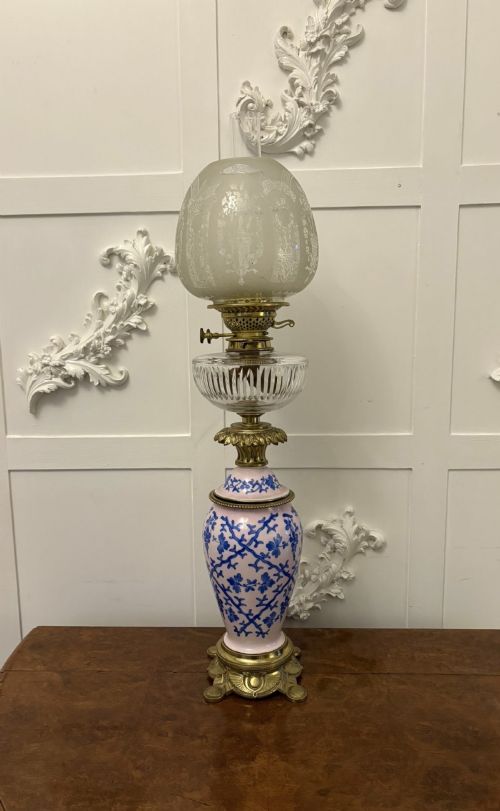
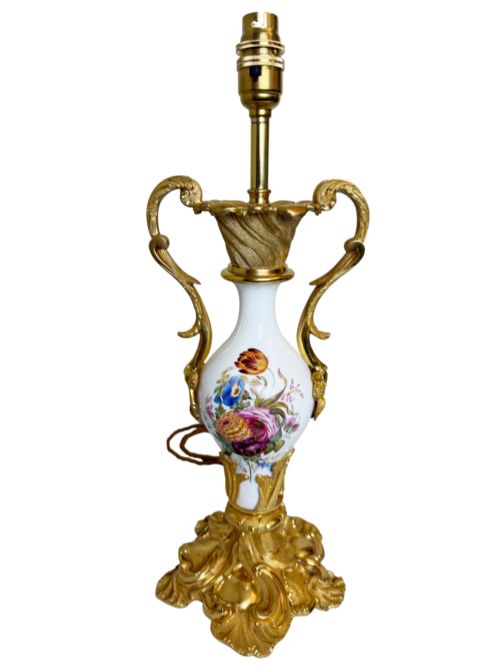
Many items incorporate gilding and bronze elements or utilise specialised techniques like intarsio and blush ivory finishes. Artisans built up complex designs through successive layers of pigment and glaze, achieving varied textures from high-gloss porcelain to matte earthenware.
The selection spans Victorian, Edwardian, and Meiji period pieces, including vases, lamps, and garden seats.
What varies in quality
Quality rests upon the crispness of the hand-painting, the finesse of the porcelain body, and the preservation of delicate gilding and enamels. Superior examples display meticulous brushwork in the floral details and clean, well-balanced potting free from major distortion.
The distinction between standard domestic wares and top-tier cabinet pieces lies in the complexity of the design and the reputation of the manufacturer or decorator. Well-preserved surfaces with intact gold leaf and vibrant, unfaded colours command greater appreciation among collectors.
Théodore Deck·Royal Worcester·Grainger Worcester·Sitzendorf·Doulton Lambeth·Minton·James Wallace and Co·Royal Doulton·Keeling and Co·John Baley·John Bevington·Royal Vienna·Samson Paris
The Victorian Floral Ceramic Glossary
- Earthenware
- A porous pottery body fired at lower temperatures, typically requiring an opaque or transparent glaze to hold liquids. It forms the foundation for many nineteenth-century jugs and tableware.
- Porcelain
- A fine, vitrified ceramic material made from kaolin and petuntse, fired at high temperatures until non-porous and ringing when struck. It allows for thin-walled vessels and delicate cabinet pieces.
- Gilding
- The application of gold leaf or gold paint to ceramic surfaces, often highlighting rims, handles, or floral borders. Careful handling prevents the wear of this metallic decoration.
- Faience
- Tin-glazed earthenware, often associated with decorative tiles, jardinières, and vases. It provides an absorbent surface suited to detailed hand-painted scenes.
- Charger
- A large decorative plate or platter intended for display rather than everyday dining. Nineteenth-century examples often feature elaborate floral or Imari patterns.
Victorian Floral Ceramic: Frequently Asked Questions
Were these floral ceramics used daily?
Many items, such as jugs, cheese dishes, and tankards, served practical functions in nineteenth-century dining and domestic routines.
Finer porcelain cabinet dishes and decorative vases were strictly intended for display in parlours and drawing rooms.
How can I tell Victorian pottery apart?
Look for factory stamps, pattern names, and registration marks impressed or printed on the base of the ceramic body.
Stylistic clues, such as the colour palette and botanical subject matter, help distinguish British earthenware from continental and Japanese export wares.
Can I use these vases for fresh flowers?
While historic vases and jugs were built to hold water, older ceramics can develop hairline cracks or porous spots over time.
It is safer to use a hidden inner container or keep them dry to protect the interior glaze and historic fabric.