


Victorian Fireside Purdonium
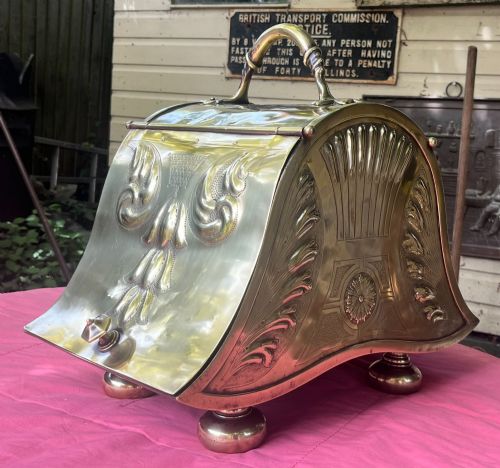
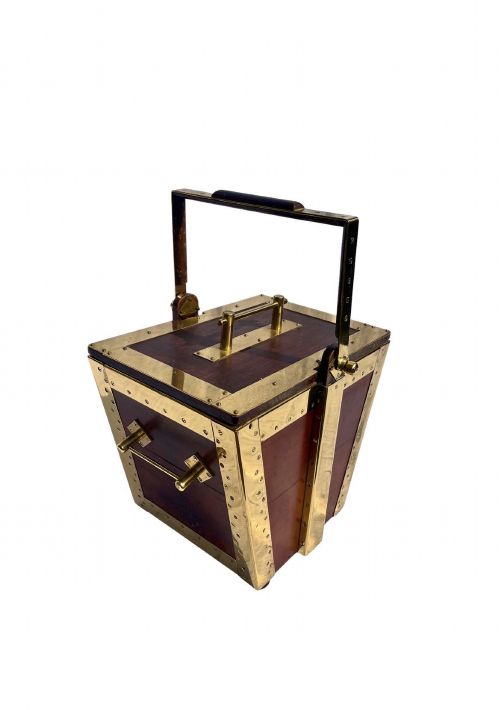
A victorian fireside purdonium brings heavy timber and gleaming metal together to keep coal tidy beside the hearth.
Victorian Fireside Purdonium
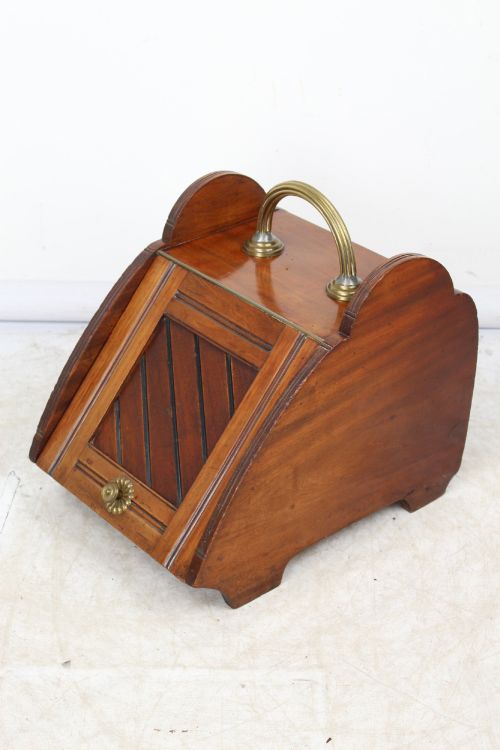
A victorian fireside purdonium is a dedicated cabinet or scuttle designed to hold household coal or logs neatly next to the fireplace. These pieces appear primarily in Victorian, Edwardian, and late nineteenth-century forms across various regional workshops.
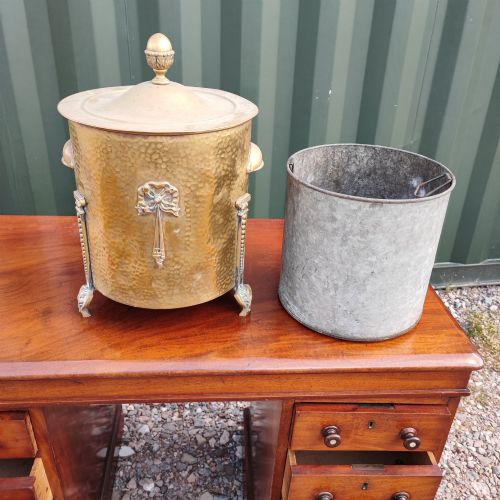
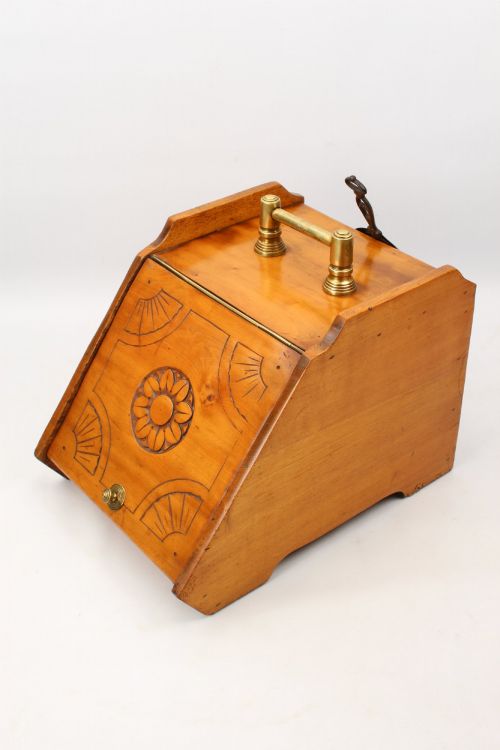
The most common versions on this page take the form of wooden boxes in mahogany, oak, or walnut, frequently fitted with drop-front doors, brass handles, and internal metal liners. Alongside these enclosed cabinets, open coal buckets and scuttles in brass and copper represent the broader category of fireside fuel storage.
Makers utilised diverse stylistic influences ranging from Arts and Crafts and Art Nouveau to Gothic and Rococo Revival. This stylistic variety ensures that a purdonium matches both formal parlour interiors and simpler domestic settings.
Materials and Construction
Cabinet-style purdoniums rely on solid and veneered timbers such as mahogany, walnut, and oak, often enhanced with carved details, inlay, or ormolu mounts. These wooden boxes feature internal metal liners designed to contain coal dust and protect the timber from moisture.
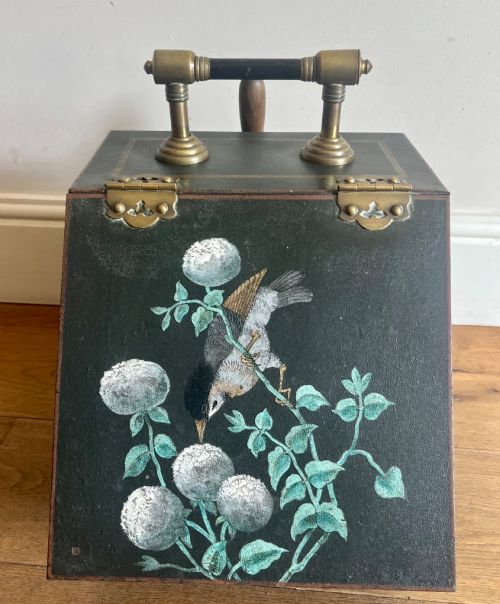
Metal vessels utilise spun or beaten brass and copper, sometimes combined with iron fittings or toleware finishes. Handles, hinges, and shovel clips are constructed from cast or stamped brass, secured with traditional screws and rivets.
Listings demonstrate that walnut and oak are the dominant timbers used for enclosed cabinet purdoniums.
Evaluating Quality and Detail
Quality in these pieces rests on the weight of the timber, the crispness of the carvings, and the robustness of the brass mountings. Heavier gauge metal and thick, well-figured walnut or mahogany indicate superior workshop standards.
The survival of original internal metal liners and matching shovels elevates a piece significantly. Superior examples also demonstrate tight joinery in the drop-front mechanisms and refined decorative inlays rather than plain stamped ornamentation.
William Soutter And Sons
The Victorian Fireside Purdonium Glossary
- Toleware
- Lacquered or japanned metalware, often painted or decorated, used here for durable coal scuttles. This technique provides a distinct decorative surface.
- Ormolu
- Gilt bronze mounts applied to furniture and decorative objects. These metallic ornaments add formal detail to wooden cabinet purdoniums.
- Liner
- The removable internal metal tray or bucket housed inside a wooden coal box. It prevents dust and moisture from damaging the surrounding timber.
- Aesthetic Movement
- A late nineteenth-century design style emphasising visual beauty over narrative content. Pieces from this movement display clean lines and subtle decorative restraint.
Victorian Fireside Purdonium: Frequently Asked Questions
What is the difference between a purdonium and a coal box?
A purdonium specifically refers to a cabinet-style container with a drop-front door designed to tilt forward for fuel access. A coal box is a broader term that includes lidded chests, buckets, and scuttles without drop-front mechanisms.
Both items served the same domestic purpose of storing fuel near the fireplace while keeping coal dust contained within the room.
Did these pieces always come with shovels?
Many examples were originally paired with a dedicated brass or copper shovel designed to hang from the side of the box. Over decades of use, these small accessories were frequently separated from the main container.
Listings note the presence of an original shovel when it survives with the piece, which adds to its completeness.
How do I maintain the metal fittings?
Brass and copper components require gentle cleaning with appropriate metal polishes to remove tarnish while preserving the underlying surface. Avoid harsh abrasives that can wear down engraved details or thin plating.
Wooden surfaces benefit from occasional waxing to nourish the grain and protect the finish from dry atmospheric conditions.
Can I still use a vintage purdonium for real coal?
While these cabinets were built for solid fuel storage, many owners now utilise them as decorative storage for logs, kindling, or household items. The internal metal liner protects the structure if used for dry fuel.
Placing heavy or damp coal inside antique timber requires care to prevent long-term wear on the original interior fittings.