


Victorian Fireside Box
A victorian fireside box is a practical hearth accessory designed to store fuel near the grate.
Victorian Fireside Box
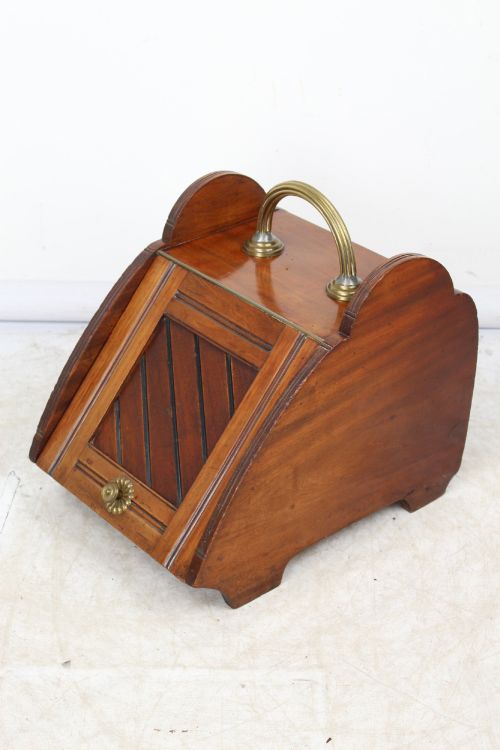
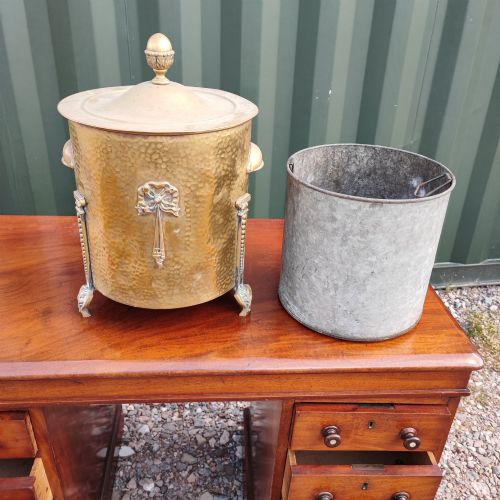
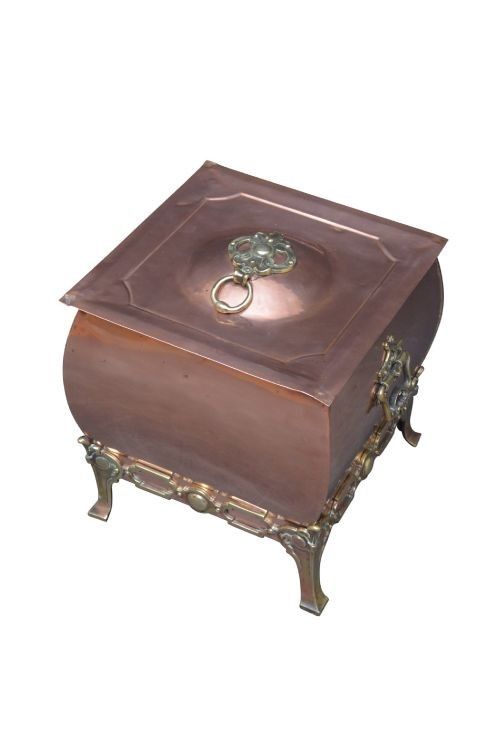
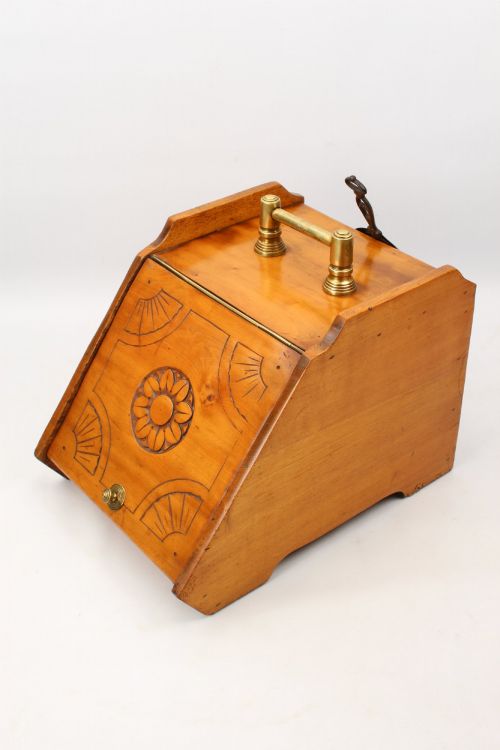
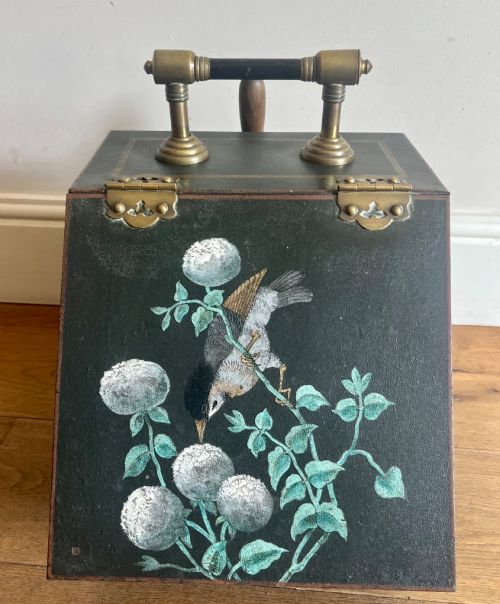
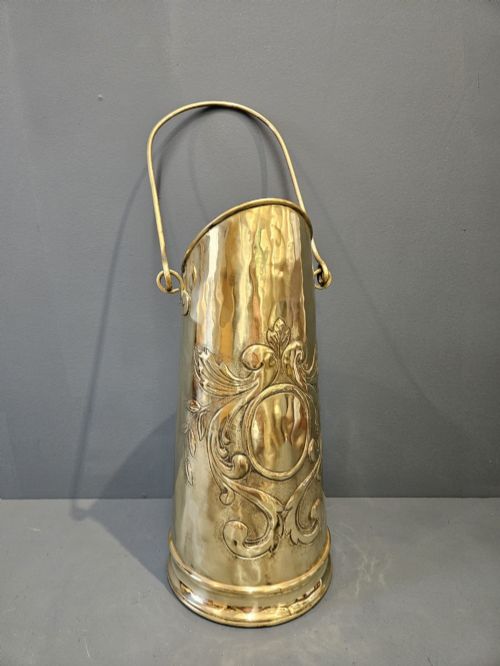
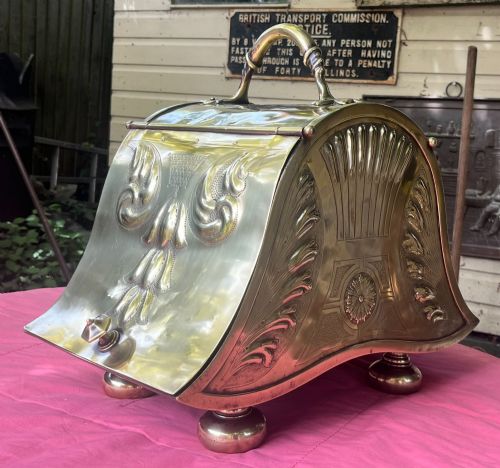
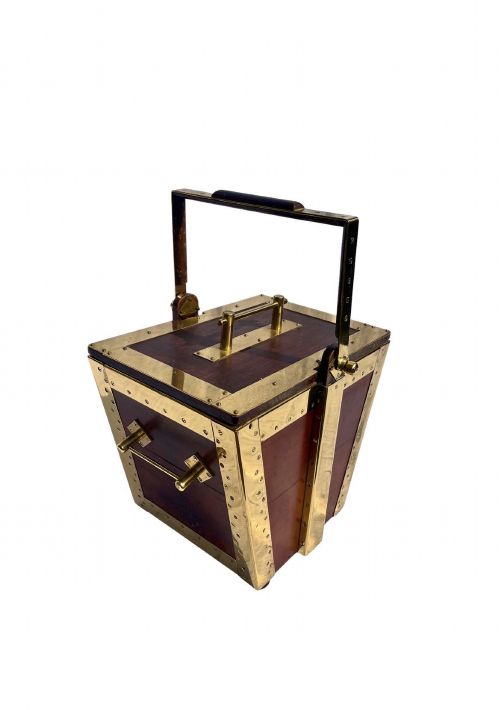
A victorian fireside box serves the hearth as a container for coal, logs or kindling wood, keeping the fuel tidy beside the fireplace. When you search for a victorian fireside box, you encounter pieces that range from traditional lidded wooden cabinets to metal scuttles and specialised purdoniums.
The selections span the nineteenth century and the early twentieth century, taking forms such as coal boxes, log bins, slipper boxes and helmet buckets. Oak, walnut and mahogany predominate in the timber examples, whilst brass and copper feature extensively in the metal vessels.
How they were made
Cabinet makers constructed wooden boxes from dense hardwoods like walnut, oak and mahogany, frequently incorporating carved details, inlaid veneers and brass mountings. Metal versions utilise sheet brass and copper, sometimes employing embossed decoration, hand-beating or blacksmith-made wrought iron elements.
Many lidded boxes and purdoniums include original metal liners to contain coal dust and protect the internal timber structure from moisture and residue.
Listings feature oak, walnut, mahogany, brass, copper and iron across the Victorian, Edwardian and Arts and Crafts periods.
What varies in quality
Quality rests in the selection of cabinet timbers, the crispness of applied carvings, and the robustness of the brass handles, hinges and mountings. Examples by recorded makers display superior metal gauge and refined construction methods compared to standard utility items.
BENHAM AND FROUD·Henry Loveridge
The Victorian Fireside Box Glossary
- Purdonium
- A specialised type of coal box, usually featuring a sloping drop-front door and a shovel kept in an internal compartment. These cabinets emerged during the Victorian period to store coal discreetly in domestic reception rooms.
- Coal Scuttle
- A deep metal container with a hinged handle, designed for carrying coal from an outdoor store to the fireplace. Shapes vary from traditional buckets to helmet forms.
- Log Bin
- A capacious container intended for storing larger pieces of firewood rather than small coal nuggets. They appear in timber, copper and iron.
- Tole Ware
- Lacquered or enamelled metalware, often rendered in black with decorative painted motifs. Pieces of this description provide a striking contrast to bright polished brass.
- Slipper Box
- A low-sided, lidded storage box shaped somewhat like a slipper, utilised near the hearth for fuel or kindling.
Victorian Fireside Box: Frequently Asked Questions
What is a purdonium?
A purdonium is a dedicated Victorian coal cabinet fitted with a sloping front door. It usually contains an internal metal liner and a matching shovel.
These boxes kept coal hidden away in the drawing room while remaining ready for immediate use beside the hearth.
How do I use a coal box today?
These boxes function well beside modern wood-burning stoves or open fireplaces to store logs, kindling or pellets. Their traditional styling also suits use as general fireside storage or blanket boxes.
The original metal liners help contain any debris from stored firewood.
Are original shovels usually included?
Many purdoniums and scuttles retain their original brass or copper shovels, often stored in dedicated slots or compartments. These matching implements complete the functional set.
Listings specify whether a shovel or liner accompanies the piece.
How do I distinguish Edwardian from Victorian boxes?
Victorian examples frequently display heavier carved walnut or mahogany facades and elaborate brass mountings. Edwardian pieces often exhibit lighter oak construction and simpler Arts and Crafts or Art Nouveau metalwork.
Design styles shifted towards restrained utility as the twentieth century approached.