
Victorian Fireplace Bucket
A victorian fireplace bucket is a practical hearth vessel used to hold coal or logs, offering heavy metal work and warm domestic utility.
Victorian Fireplace Bucket
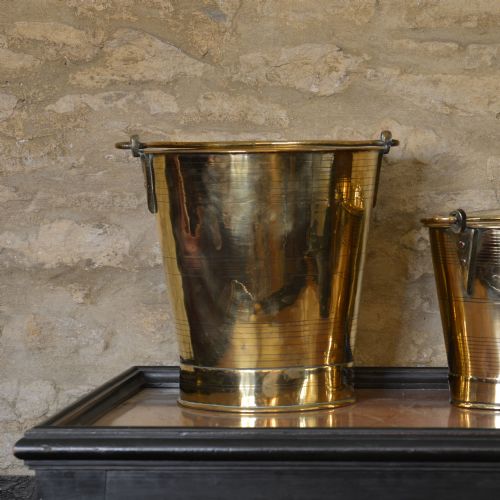
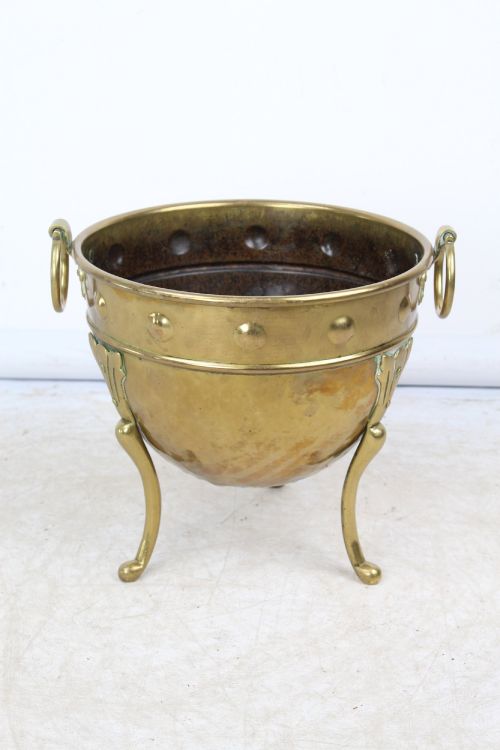
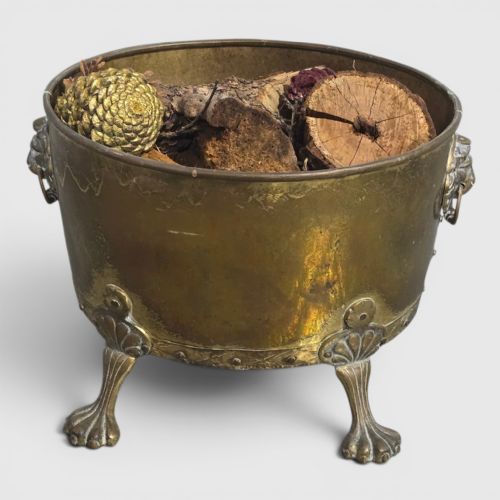
A victorian fireplace bucket serves the hearth as a functional container for fuel such as coal, logs, or kindling, appearing in various forms across the nineteenth century. Buyers searching for a victorian fireplace bucket frequently encounter brass and copper vessels, alongside wooden items like mahogany or oak bins.
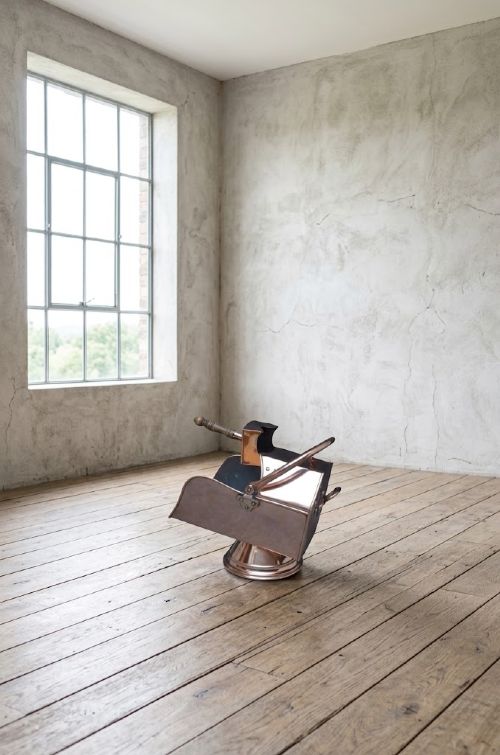
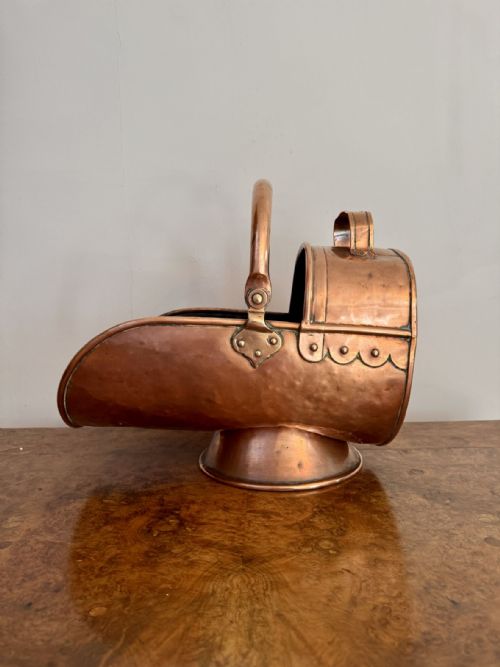
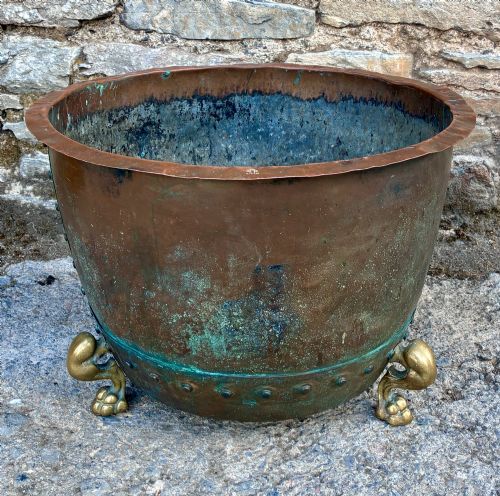
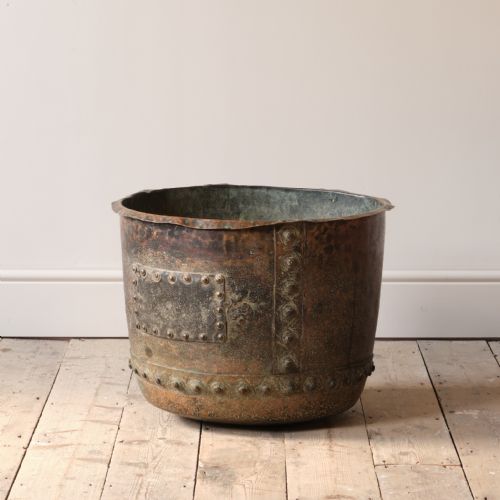
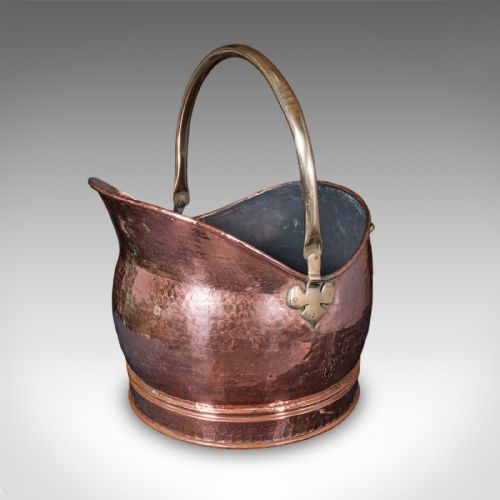
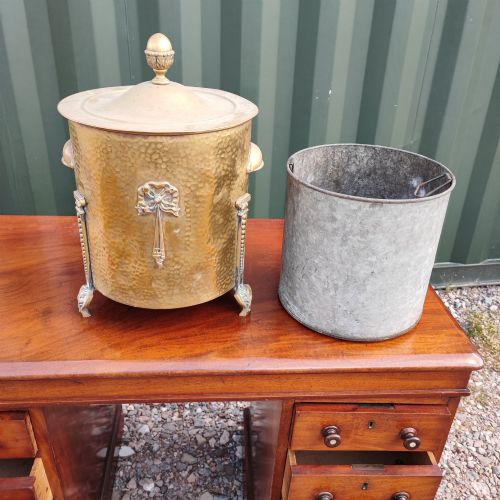
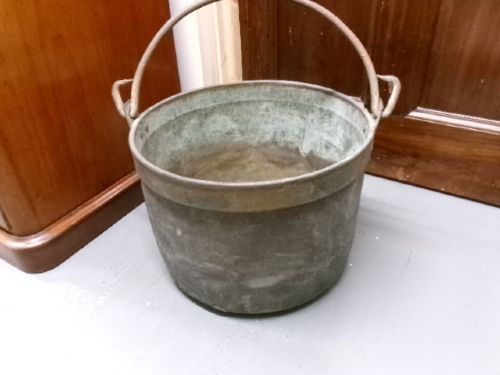
The objects span multiple stylistic movements including Arts and Crafts, Art Nouveau, and rustic farmhouse designs. Forms range from traditional coal scuttles and helmets to cylindrical log bins, swing-handled cauldrons, and riveted boilers.
Origins stretch from English country houses to Anglo-Indian workshops and Dutch traditional manufacture. These vessels double as planters or jardiniere vessels when retired from active hearth duties.
Materials and construction
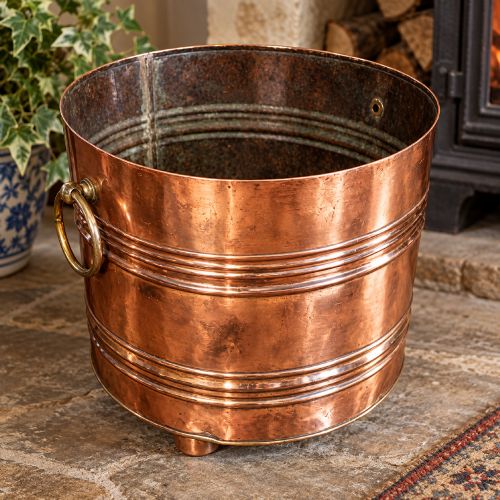
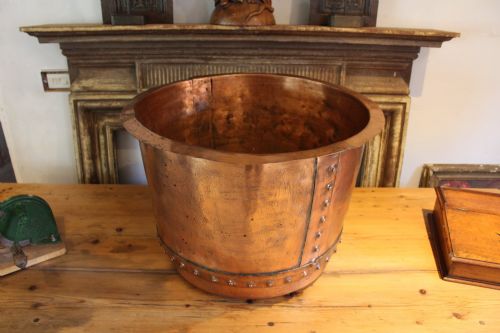
Sheet metal construction dominates the evidence, with heavy use of brass and copper shaped into helmets, buckets, and cylindrical bins. Artisans employed hand finishing, hammering, and visible rivets to secure the metal joints.
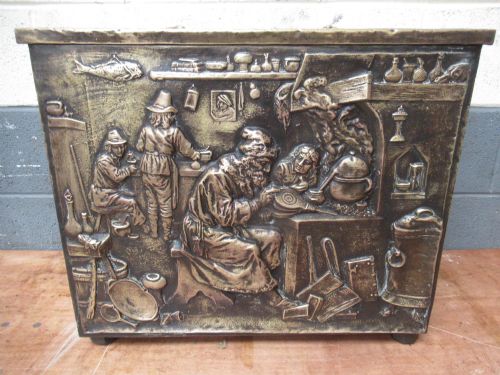
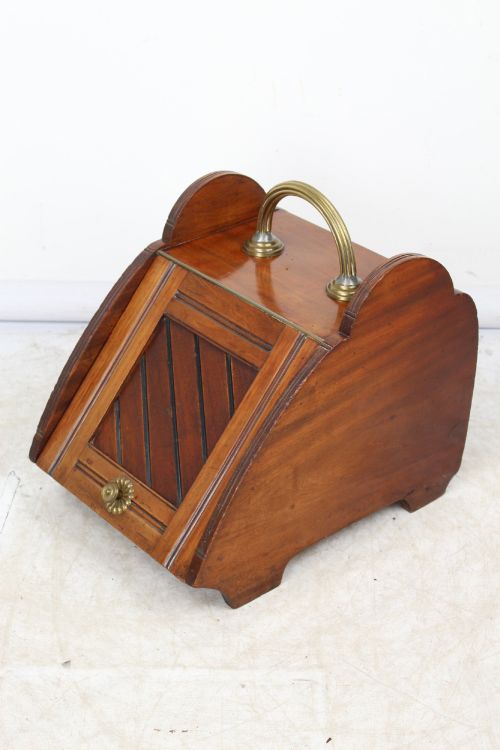
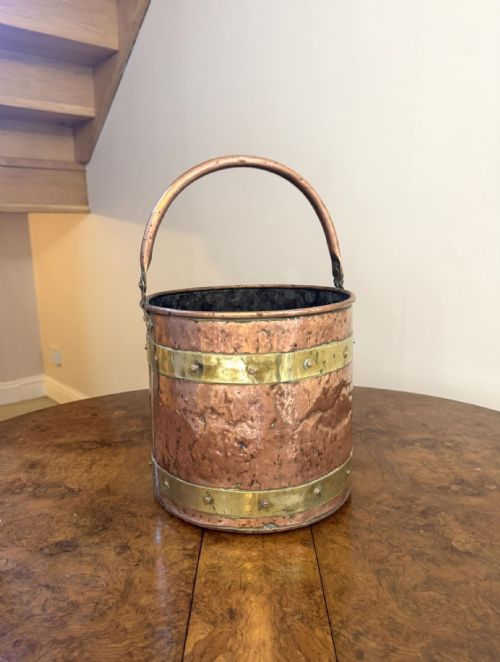
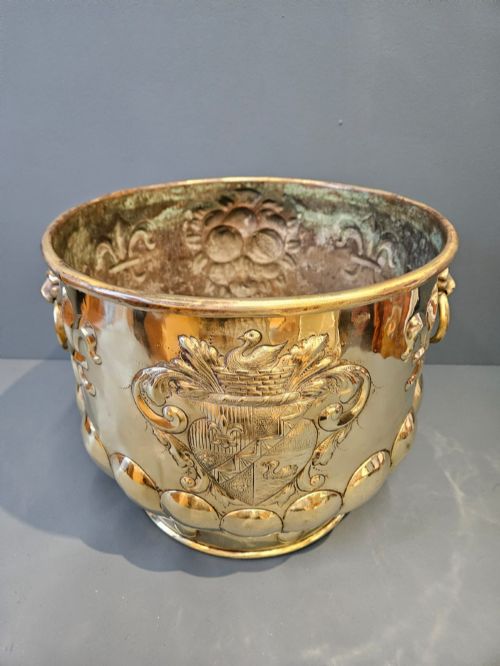
Wood construction appears through coopered oak and solid mahogany, often featuring contrasting metal bands or swing handles made of wrought iron. Makers integrated decorative elements such as embossed relief work, applied crests, and copper banding to enhance the utilitarian metal bodies.
Listings feature a strong representation of nineteenth-century copper and brass wares, alongside occasional coopered oak and mahogany timber pieces.
Assessing craftsmanship and finish
Quality rests upon the weight of the metal gauge, the crispness of hand-hammered detailing, and the integrity of riveted seams. Finer examples display robust construction paired with thoughtful decorative flourishes like crests, brass shovels, or distinctive swing handles.
Material combination also elevates a piece, notably where warm copper bodies meet bright brass banding or sturdy wrought iron mounts. Pieces bearing documented maker attributions command particular attention for their recorded workshop provenance.
Henry Loveridge·Benham And Froud·Petrus Ramus
The Victorian Fireplace Bucket Glossary
- Coal scuttle
- A vessel designed to hold fuel for a fire, often featuring a sloping mouth or a helmet shape for easy pouring. These items sit beside the hearth as both utility objects and decorative brass or copper accents.
- Log bin
- A deep cylindrical container utilised for storing firewood near the fireplace. They appear in riveted copper, heavy brass, and coopered oak.
- Jardiniere
- An ornamental pot or vessel intended to hold plants or flowers. Many metal fireplace buckets find a second life in this role.
- Coopered
- Built from wooden staves bound together with metal hoops, typical of traditional oak buckets. This technique ensures liquid and solid tightness.
- Tole ware
- Lacquered or enamelled sheet metal items produced for domestic utility and decoration. These pieces introduce painted or dark surfaces to the fireside.
Victorian Fireplace Bucket: Frequently Asked Questions
What is a victorian fireplace bucket used for?
These vessels were originally made to store and transport coal, logs, or peat for feeding parlour and drawing room fires. Their sturdy metal or wooden construction kept fuel contained neatly beside the hearth.
Today, owners repurpose them just as easily to hold oversized house plants, umbrellas, or rolled blankets while retaining their historic fireside character.
How do I tell copper from brass items?
Copper exhibits a distinct pinkish-orange metallic hue, whereas brass has a brighter, more golden-yellow appearance. Many nineteenth-century hearth pieces combine both metals, using copper bodies with contrasting brass handles, rims, or feet.
Both materials acquire natural patination over decades of polishing and exposure to fireside warmth.
Were these buckets meant for coal or wood?
Hearth containers varied according to the specific fuel they needed to house. Smaller helmet-shaped scuttles with spouts suited heavy, loose coal, while wider cylindrical bins accommodated bulk logs.
Many listings describe items interchangeably for logs or coal due to their generous proportions and durable riveted construction.
How do I clean an antique metal bucket?
Historic metal vessels benefit from gentle dusting and occasional cleaning with appropriate non-abrasive metal restorers if removal of active tarnish is desired. Many collectors prefer to leave a deep, undisturbed dark patina in place.
Avoid harsh scouring pads that strip away centuries of accumulated surface character and hand-finished detailing.