


Antique Mahogany Coal Bucket
An antique mahogany coal bucket brings refined warmth to a fireside, combining rich dark timber with gleaming metal details.
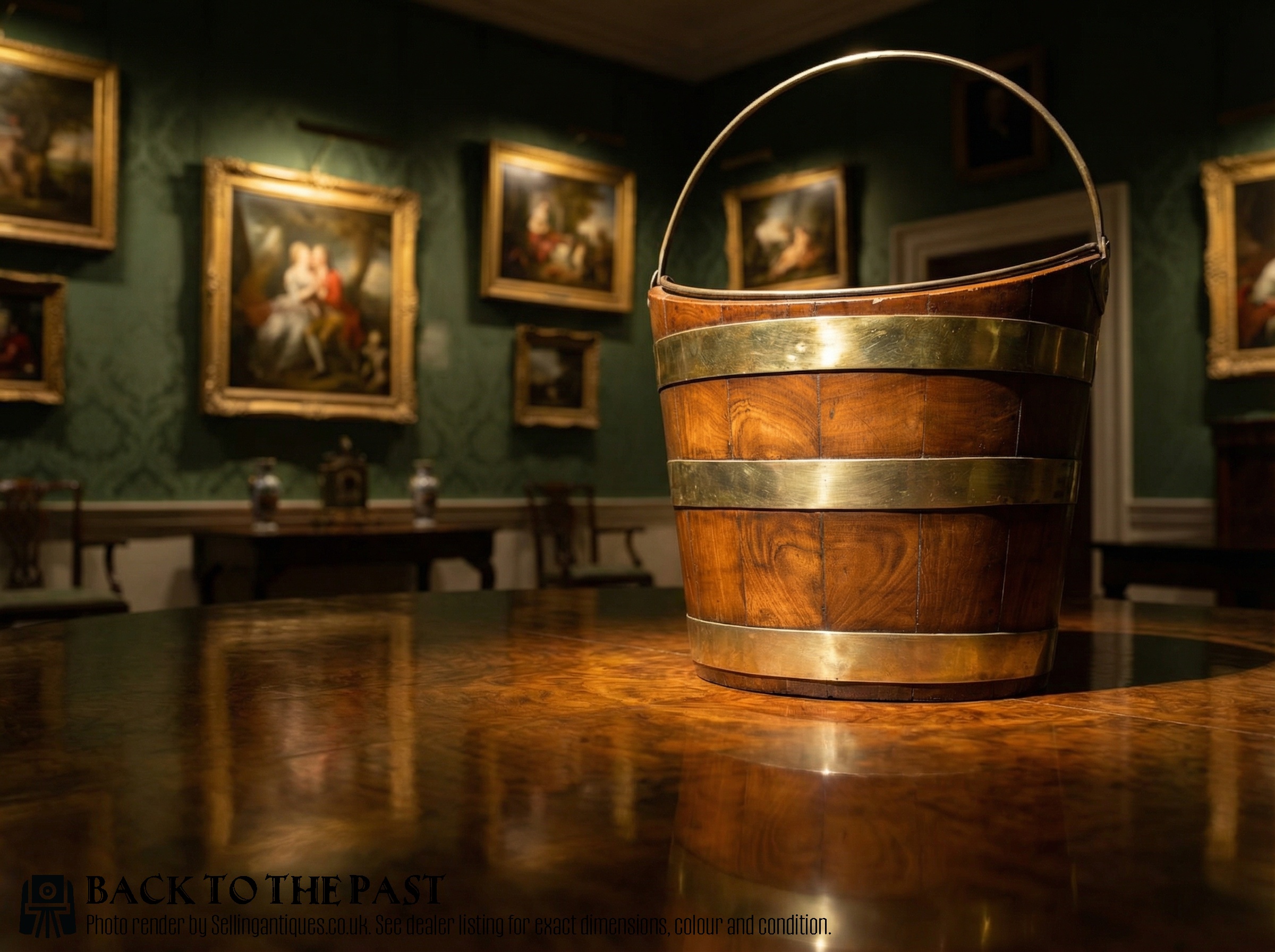
Antique Mahogany Coal Bucket
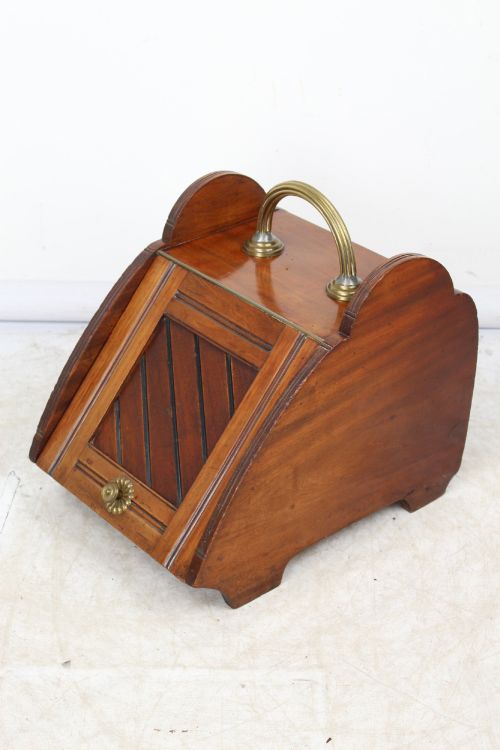
When you search for an antique mahogany coal bucket, you encounter fireside accessories designed to hold coal, peat or logs beside the hearth. These pieces range from Georgian and Victorian eras, taking forms such as round coopered vessels, boat-shaped schuitje peat buckets and drop-front coal boxes or purdoniums.
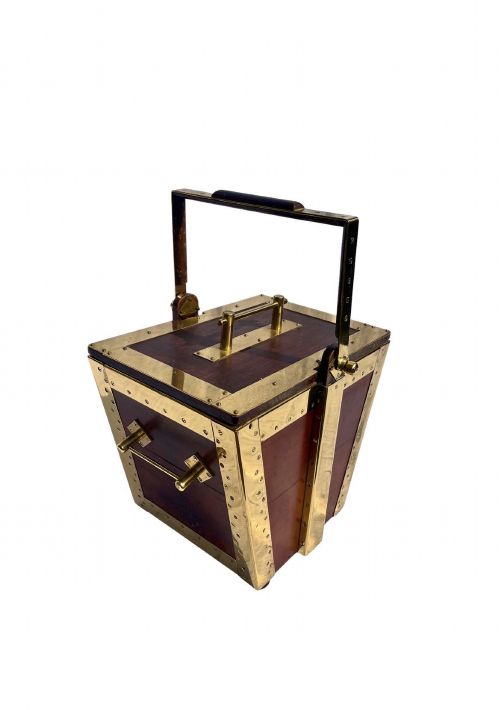
The selection on this page demonstrates the wide geographical spread of these objects, spanning English workshops and Dutch traditions. You will find items classified variously as coal scuttles, log bins and jardinières, reflecting how utility often crossed over into decorative domestic display during the eighteenth and nineteenth centuries.
Materials and construction methods
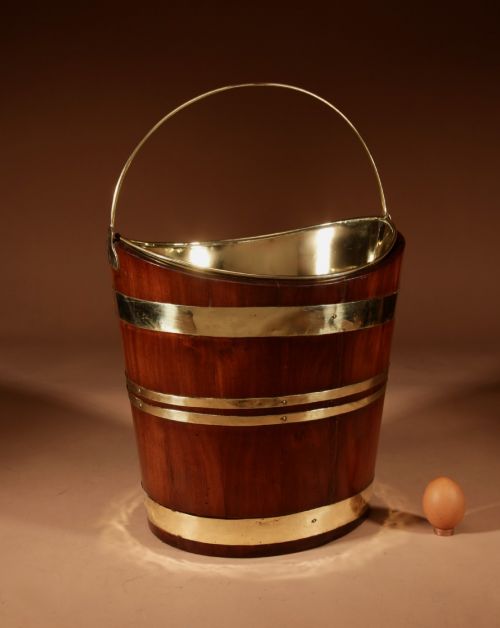
Maker craftsmanship relies heavily on the cooper's art, where individual staves of mahogany are shaped and bound together with strong bands of brass or iron. This construction ensures the timber holds firm against the dry weight of fuel and the shifting temperatures near a fire.
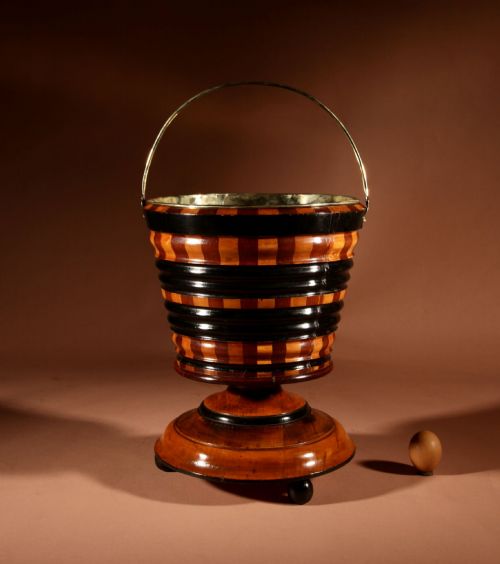
Internal protection is a constant feature, provided by metal liners in zinc or copper designed to catch soot and moisture. Decorative flourishes such as marquetry inlay, ebonised wood details, and swing handles cast in brass elevate simple utility into accomplished cabinet work.
Many of these sturdy little peat buckets outlived their hearth duties to spend their retirement holding indoor ferns as jardinières.
Judging the standard of execution
The distinction between ordinary utility items and exceptional examples lies in the handling of timber and metalwork. Superior pieces display carefully selected mahogany grain, tight coopered joints that require high skill, and substantial brass mounts rather than flimsy plated replacements.
Proportion and silhouette also dictate standing, with well-shaped elliptical bodies and crisp decorative details marking out the superior productions. Original liners, matching scoops and untouched surfaces further separate the finer specimens from heavily restored workshop survivors.
The Antique Mahogany Coal Bucket Glossary
- Coopered
- Built from vertical wooden staves joined edge-to-edge and bound with metal bands, much like a traditional barrel. This technique provides structural strength for cylindrical or curved wooden vessels.
- Purdonium
- A specific type of coal box featuring a sloping drop-front door designed for easier shovelling. They frequently incorporate a compartment for a matching metal coal scoop.
- Schuitje
- A Dutch boat-shaped peat bucket characterised by high upswept ends and a narrow oval footprint. These versatile containers were originally made to hold dry peat for small foot warmers.
- Teestoof
- A Dutch term for a tea stove or peat bucket used near domestic heating apparatus. These vessels often exhibit fine spindle work or brass binding.
- Spindle
- A slender, turned wooden or metal rod integrated into the body or handle structure. They appear frequently on decorative peat buckets from the nineteenth century.
Antique Mahogany Coal Bucket: Frequently Asked Questions
What is a coal purdonium?
A coal purdonium is a specialised box or scuttle designed with a sloping drop-front for easy access to fuel. These Victorian designs usually include a metal liner and a dedicated slot for a coal shovel.
They allowed homeowners to store fuel neatly in a parlour while keeping coal dust contained and out of sight.
How do I care for mahogany near a fire?
Keep wooden coal buckets at a sensible distance from active heat sources to prevent the timber from drying out or warping. Regular polishing with a traditional beeswax maintains the moisture and sheen of the mahogany.
Ensure that internal metal liners remain dry before inserting them back into the wooden outer shell to avoid moisture damage.
What is a schuitje bucket?
A schuitje is a boat-shaped vessel traditionally used in Dutch households for holding peat fuel. The distinct curved ends resemble the hull of a small boat.
Craftsmen often fitted these with brass swing handles and tight copper bands to manage heavy loads of fuel.
How do I date a coal bucket?
Dating relies on examining the construction techniques, timber choice, and prevailing style of the brass mounts. Georgian examples tend to show finer cabinet work and simpler coopered lines, while Victorian pieces often introduce more elaborate drop-front purdonium mechanisms.
Metal fixings, screw types and the presence of original zinc or copper liners also offer strong clues to the decade of manufacture.