

Victorian Fire Surround Guard
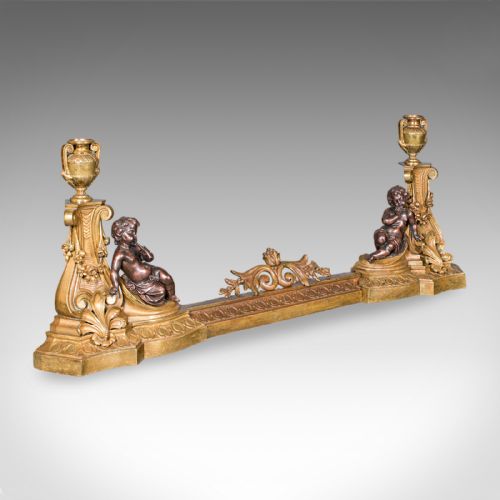
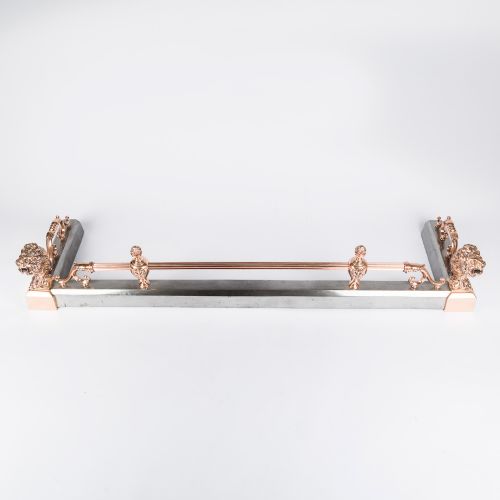
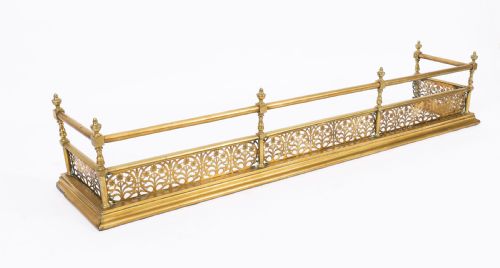
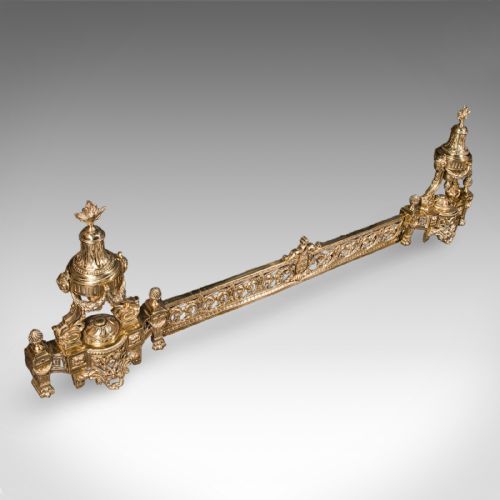
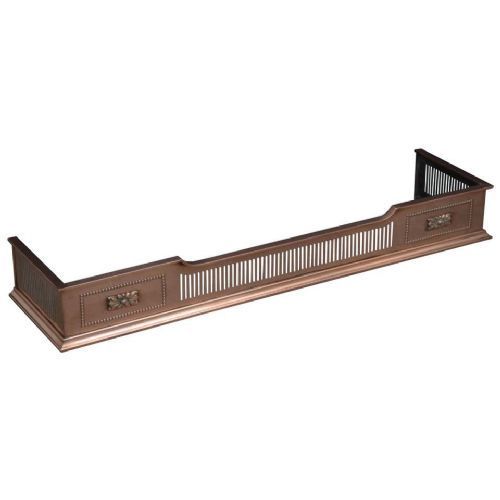
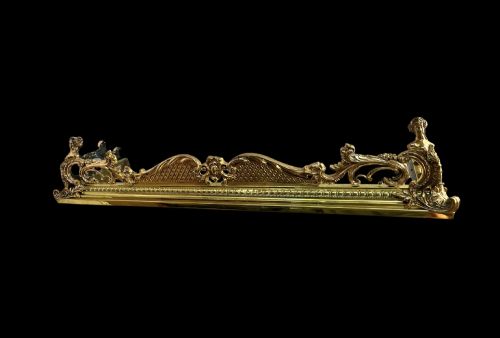
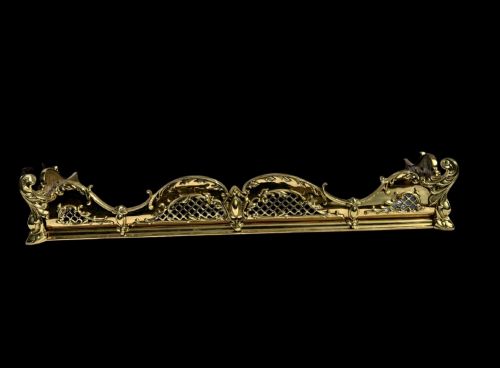
A victorian fire surround guard anchors the hearth in brass, iron and steel, bringing period weight and polished detail to a room.
Victorian Fire Surround Guard
When you search for a victorian fire surround guard, you encounter heavy hearth guards, kerbs and club fenders designed to contain embers and protect the room. These pieces originate primarily from the nineteenth century, spanning Victorian and Edwardian periods.
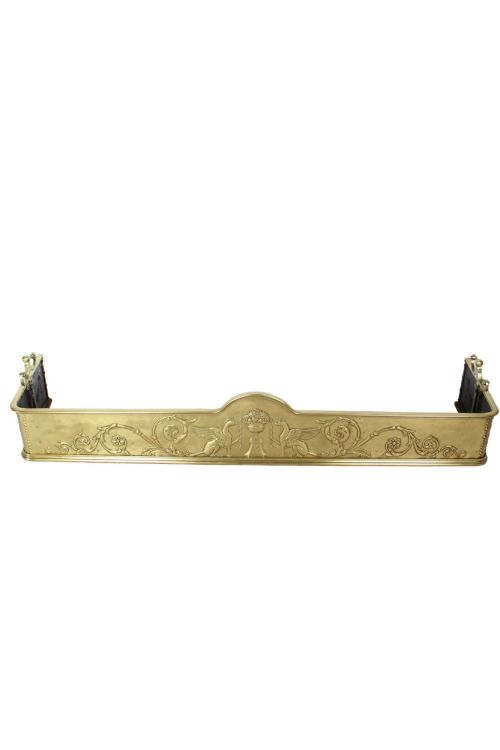
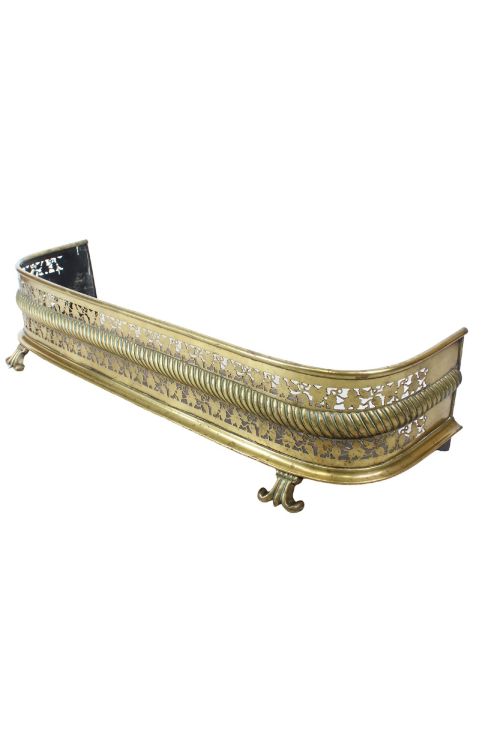
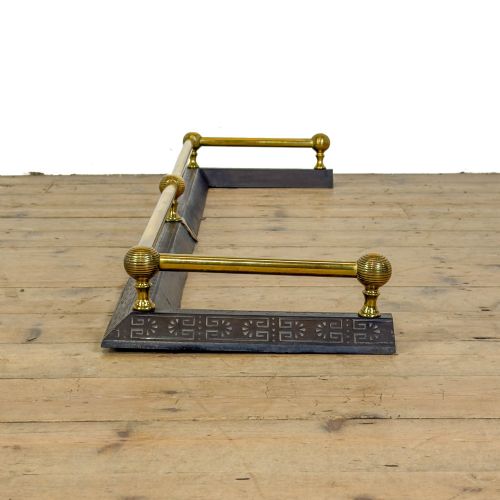
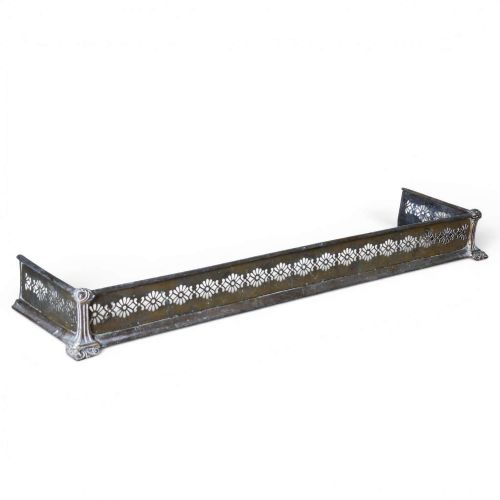
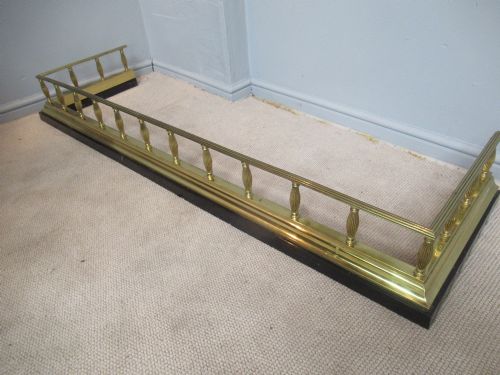
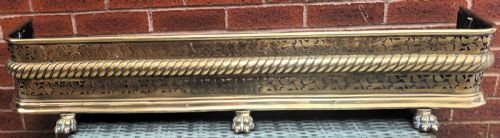
The most common versions on this page are constructed from polished or pierced brass, often paired with steel, iron or copper. Formats range from simple adjustable rails to elaborate club fenders fitted with leather seating.
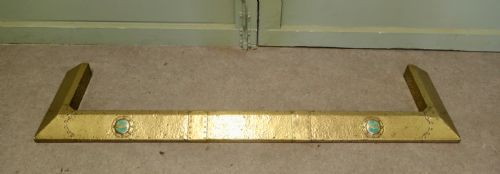
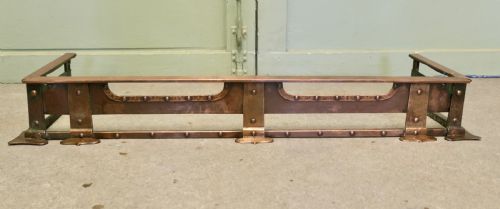
Stylistic variations draw heavily on Arts and Crafts, Art Nouveau and Neoclassical vocabularies. Details such as green enamel cabochons, flower patera and riveted copper surfaces appear frequently across the selection.
Grading Quality in Hearth Guards
Quality rests on the thickness of the metal gauge and the crispness of the pierced or cast ornamentation. Substantial weight and solid joinery distinguish robust pieces from lighter utilitarian versions.
Surface finish and the preservation of original patination dictate visual appeal. Fine examples retain crisp decorative details, such as floral patera and riveted copper joints, without excessive polishing wear.
The Victorian Fire Surround Guard Glossary
- Fender
- A low metal guard placed around a hearth to contain coal and sparks. These objects define the perimeter of the fireplace.
- Club fender
- A low fender featuring upholstered corner seats, originating in gentlemen's clubs. They provide extra seating close to the fire.
- Patera
- A circular decorative ornament resembling a flat libation dish, frequently carved or stamped with floral motifs. It punctuates friezes on brass fenders.
- Kerb
- An alternative term for a hearth fender, marking the boundary between floor and fireplace. It sits directly on the hearthstone.
Victorian Fire Surround Guard: Frequently Asked Questions
How do I measure for a fender?
Measure the width and depth of your hearth space to ensure the guard fits comfortably around the surround.
Take into account adjustable models if your dimensions fall between standard sizes.
Were these guards used for coal fires?
Yes, they were designed to keep burning coal and embers contained safely within the hearth area.
Heavier iron and steel versions handled the intense heat generated by large nineteenth-century grates.
How do I clean brass and steel?
Use a soft cloth and appropriate metal polish to maintain the sheen on brass components.
Avoid abrasive pads that can remove historical patination from the metal surfaces.
What is a club fender seat made of?
The integrated seats are typically upholstered in leather, such as green hide, over internal padding.
This provided a warm seat directly beside the fire.