


Victorian Fine Art Canvas
These pieces of victorian fine art canvas bring nineteenth-century oil painting directly to your walls with striking historical depth.
Victorian Fine Art Canvas
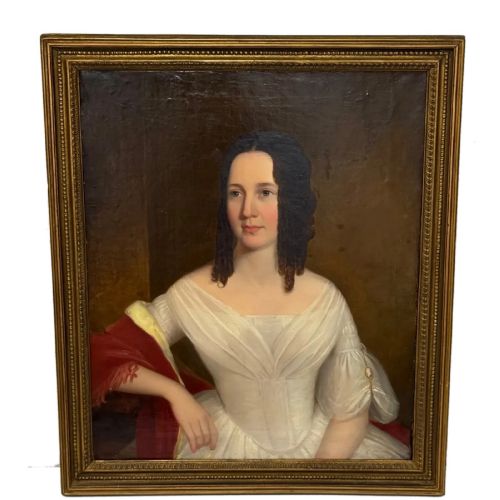
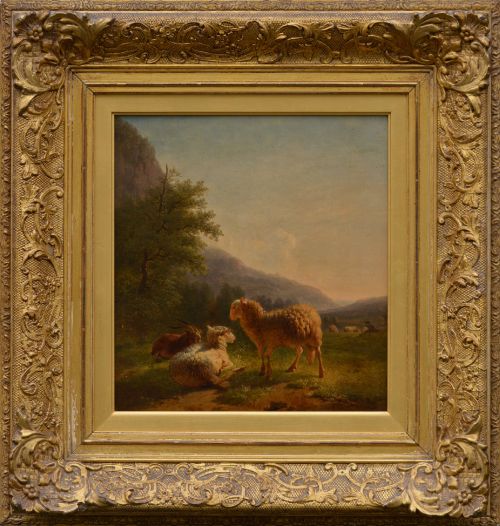
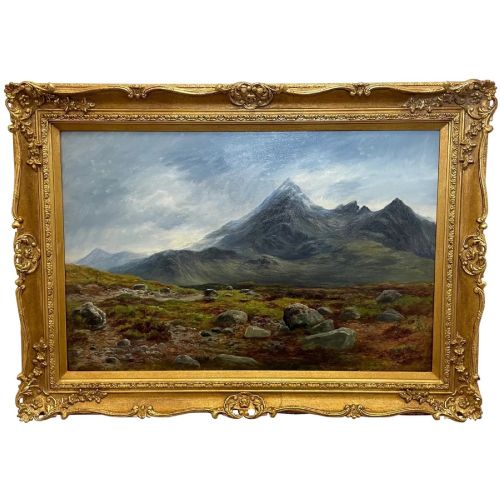
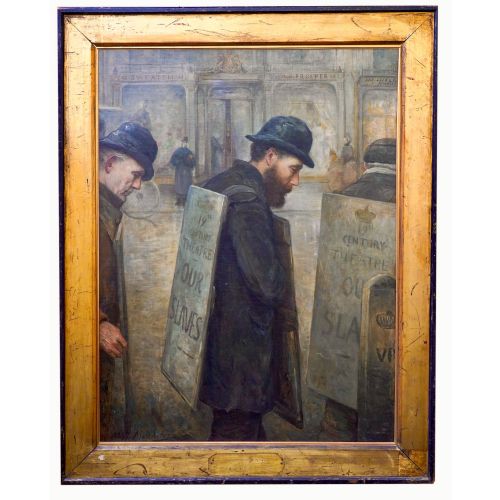
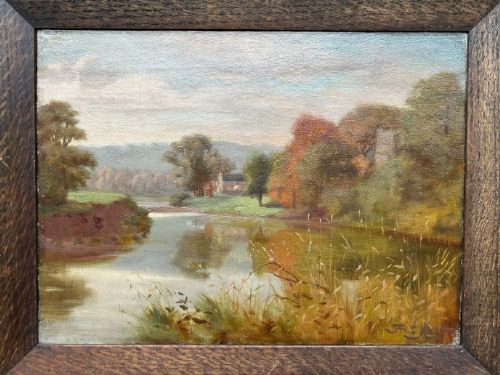
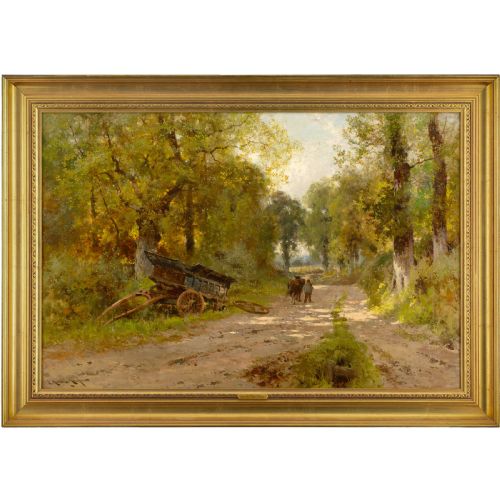
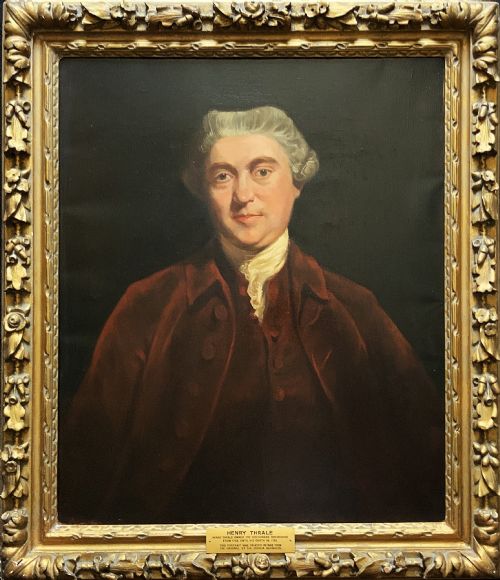
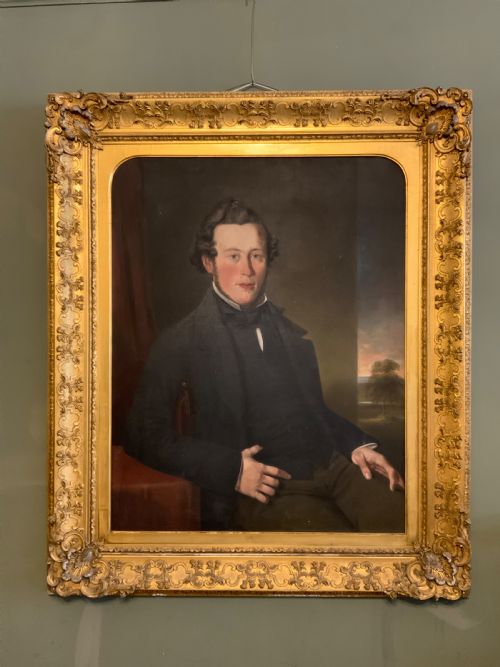
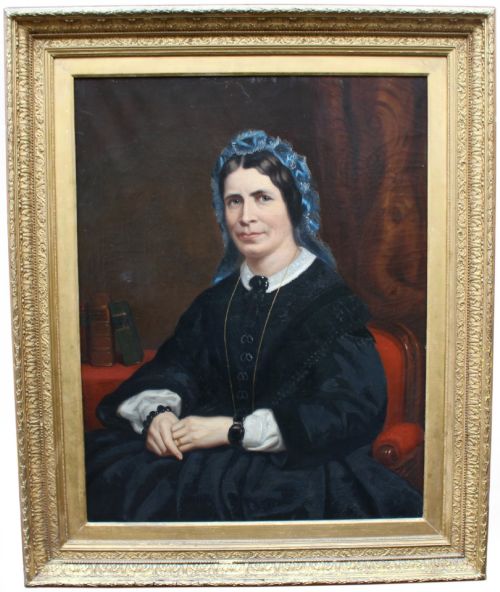
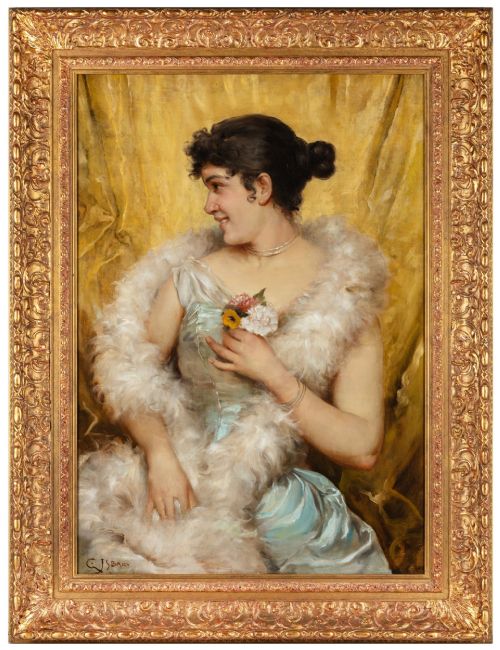
A search for victorian fine art canvas introduces you to oil paintings executed on woven fabric supports, dating primarily from the nineteenth century. These works capture everything from romantic landscapes and social history scenes to detailed portraits and still lifes.
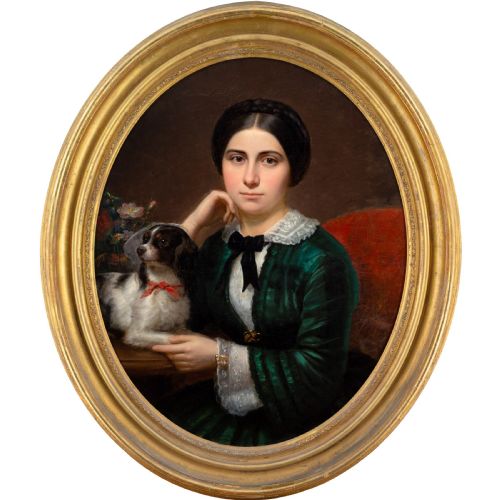
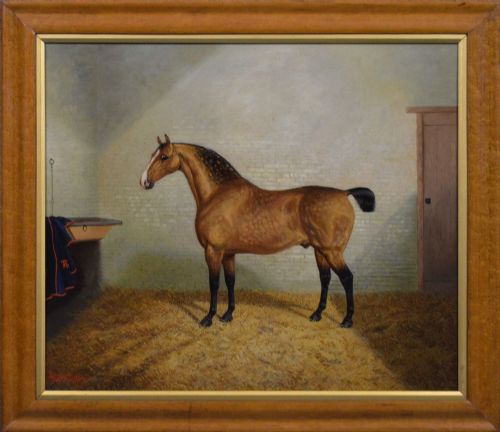
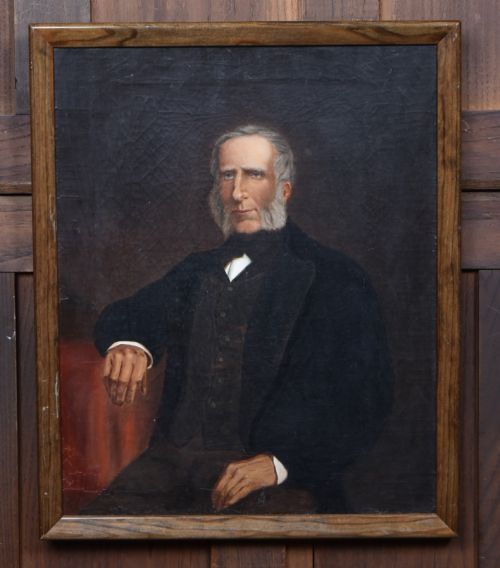
The most common examples on this page stem from the Victorian era and adjacent nineteenth-century decades, reflecting academic, realist, and romantic stylistic traditions. You encounter framed canvases depicting individuals, animals, and architectural views painted by British and continental artists.
Subjects range from quiet domestic interiors and pastoral vistas to grand portraits and narrative historical moments. Each canvas offers a window into the artistic sensibilities and daily observations of the period.
Materials and Techniques
Painters of this period applied oil paint onto stretched canvas, often preparing the fabric ground with a gesso layer to create a stable surface for brushwork. The interaction of oil pigments allowed artists to build rich layers of colour and fine detail.
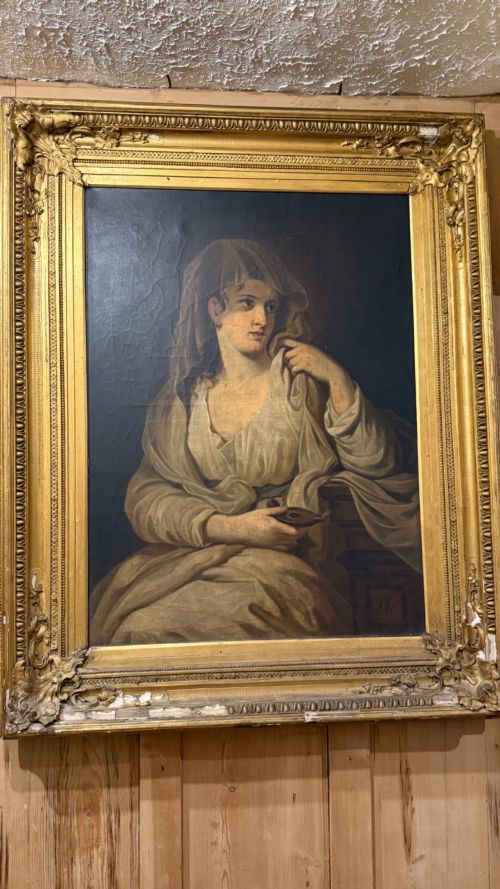
Finished canvases were housed in heavy wooden frames, frequently decorated with moulded gesso and finished with layers of gilt or gold leaf. These frames completed the presentation and protected the edges of the stretched fabric.
Victorian Fine Art Canvas Retail Price Guide 2026
Typical asking prices for victorian fine art canvas among the pieces listed under this phrase on Sellingantiques today, from the lower quarter to the upper quarter. They describe what is for sale here now, not the wider market.
Listings feature nineteenth-century oil paintings on canvas alongside giltwood frames and gesso decorative elements.
Assessing Quality in Canvas Art
Quality rests in the precision of the brushwork, the depth of the composition, and the handling of light and shadow across the canvas. Skilled artists achieved convincing textures in fabrics, flesh, and foliage that weaker hands missed.
The integrity of the original canvas, the stability of the oil paint layer, and the preservation of the framing contribute significantly to a piece's standing. Works that retain their original stretcher bars and period giltwood frames show greater historical wholeness.
Eugène Verboeckhoven·William Beattie-Brown·Felix Stone Moscheles·John Maler Collier·Frederick Marriott·John Horace Hooper·Sir Joshua Reynolds·Albert Clark·Edward Ladell·Adelaïde Salles-Wagner·Max Kaltenmoser·Sir John Gilbert·Louis Charles Verwee·James Hamilton·William Blake Richmond·Stephen Pearce·Henry Windsor Fry·Henrietta Rae·William Oliver·Thomas Spinks·Charles Hunt·Abraham Cooper·Joseph Farquharson·Charles H. Passey
The Victorian Fine Art Canvas Glossary
- Oil on Canvas
- A painting technique using pigments bound with a drying oil applied to a stretched woven fabric support. This combination provides flexibility and allows for deep, luminous colour blending.
- Gesso
- A paint mixture consisting of a binder mixed with chalk, gypsum, or pigment used to prepare wood or canvas substrates. It creates a smooth, absorbent surface for oil painting.
- Giltwood
- Wood that has been treated with gold leaf or a gold-coloured metallic finish. It forms the decorative material of many nineteenth-century picture frames.
- Realism
- An artistic movement focused on the accurate, unvarnished depiction of everyday life and contemporary subjects. It avoids theatrical embellishment in favour of observational truth.
Victorian Fine Art Canvas: Frequently Asked Questions
What is a nineteenth-century oil painting?
It is a work created using oil-based pigments on canvas during the eighteen-hundreds, capturing portraits, landscapes, or genre scenes.
These pieces reflect the dominant artistic styles and academic practices of the Victorian period.
How should I hang a framed canvas?
Hang the piece on a secure wall away from direct sunlight and excessive moisture fluctuations to protect the oil paint and canvas.
Ensure the weight is supported properly by utilising appropriate fixings suited to the heavy giltwood frames often found on these works.
How do I identify the period of a painting?
Examine the materials of the stretcher, the style of the giltwood frame, and any inscriptions or signatures on the canvas reverse.
Stylistic cues such as costume, subject matter, and brushwork conventions also point toward specific decades like the Victorian era.
What subjects are common in these works?
Portraits of individuals, pastoral landscapes, and narrative historical scenes dominate the production of this era.
Artists also depicted still lifes, animals, and architectural views of notable cities like Venice.