




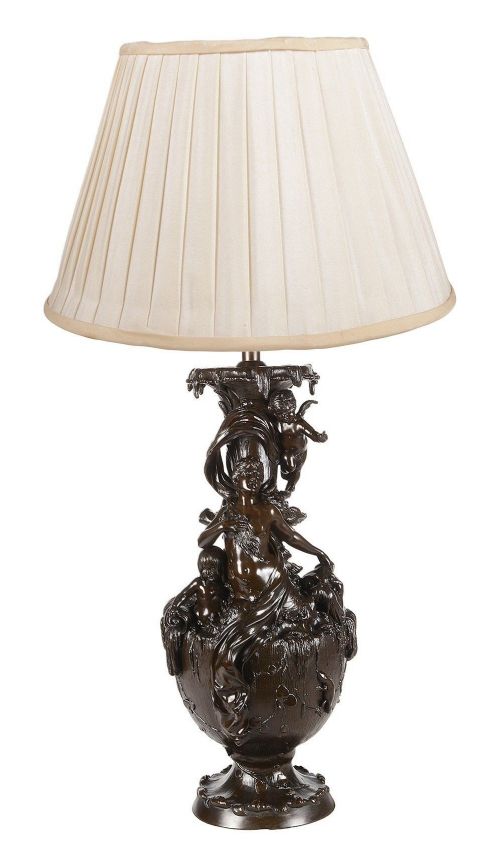

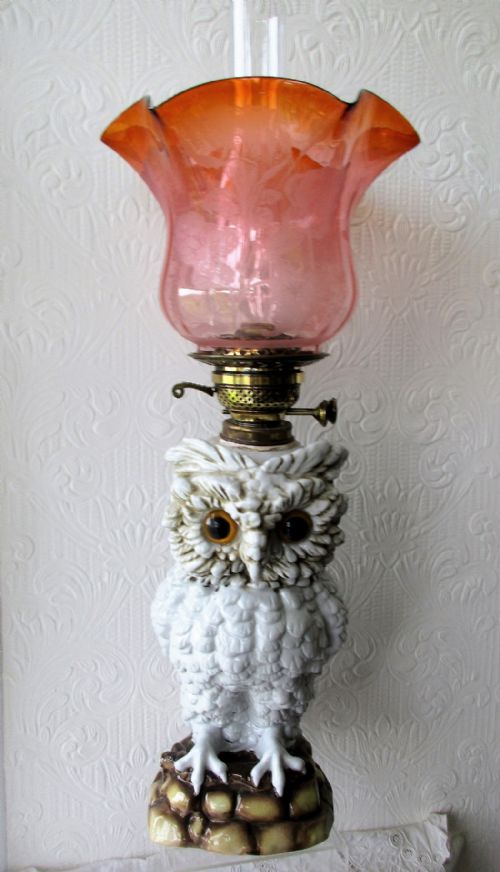

Victorian Figural Lamp
These sculptural lighting pieces bring cast figures and classic forms together, offering an atmospheric focal point for a traditional room.
Victorian Figural Lamp
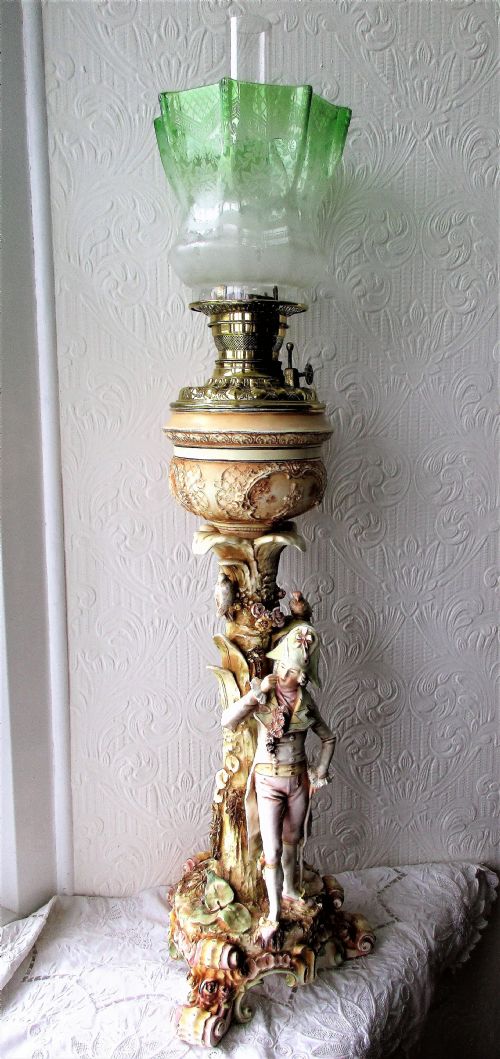
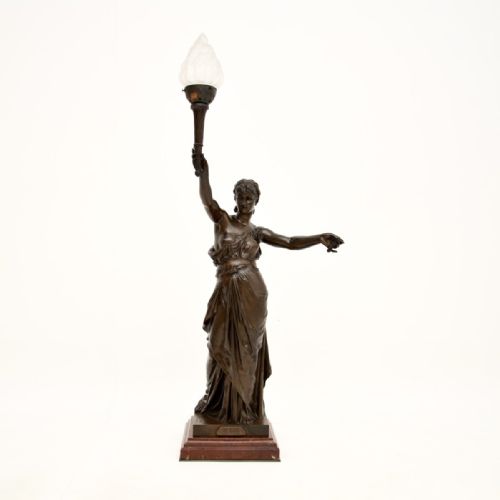
A victorian figural lamp combines a sculpted human, mythical or animal form with a functional lighting fixture, typically taking the shape of a table lamp or oil lamp. These pieces draw on nineteenth-century design vocabulary, incorporating maiden statues, putti, and classical deities into domestic interiors.
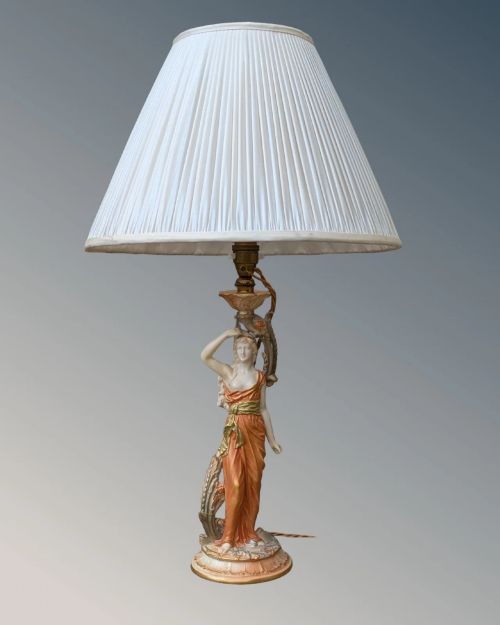
The selection here ranges from grand French gilt bronze figures to German porcelain models and practical spelter alternatives. Table lamps dominate the groupings, often retaining distinct traces of their original conversion from oil burning to electricity.
Materials and Construction
Foundry casting defines the metal examples, utilising bronze or spelter to form intricate figures mounted upon marble or ceramic bases. Cold painted finishes or gilt applications add surface detail to the metallic drapery and skin, while porcelain examples employ delicate hand-painted glazes.
Many of these lamps integrate additional elements such as fabric shades, carved wood components, and glass reservoirs. The integration of the electrical or burner fittings often required custom mounting through the cast core of the central figure.
Goddesses and putti provide most of the illumination here, proving that ancient mythology makes an exceptionally reliable reading companion.
Distinguishing Quality
The finesse of the sculptured casting dictates the success of each piece, separating crisply chiselled bronze work from softer, more generalised spelter moulding. Details in facial expressions, drapery folds, and the integration of the figure with its base reveal the hand of the original atelier.
The integrity of the material finish, whether original fire gilding or cold paint, maintains the visual balance of the object. Weight, stability, and the harmonious pairing of the figure with its mounting plinth further separate standard production items from masterworks.
Emile Picault·Jean-Jules Cambos·H. Moreau·Aug. Moreau·Adrien Gaudez·Sitzendorf
The Victorian Figural Lamp Glossary
- Spelter
- A zinc alloy commonly utilised as a less expensive substitute for bronze in nineteenth-century decorative figures. It accepts metallic paints readily to simulate bronze finishes.
- Cold painted
- A technique where oil paint is applied to a bronze or metal object after casting without subsequent firing. This surface decoration is prone to flaking if handled improperly.
- Gilt bronze
- Metalwork treated with a thin layer of gold applied through mercury amalgamation or electroplating. It provides a permanent, luminous surface that resists tarnishing.
- Putti
- Depictions of chubby male toddlers, often winged, originating from classical art and frequently seen supporting lamp columns or holding torches.
- Oil lamp
- A lighting device using a wick and oil reservoir that forms the primary functional base of many nineteenth-century figural designs before later electrical conversion.
Victorian Figural Lamp: Frequently Asked Questions
What is a figural lamp?
A figural lamp is a lighting fixture where the main stem or support takes the form of a sculpted human figure, animal, or allegorical character. These objects serve as both functional illumination and decorative sculpture.
Most examples from this period were originally designed for oil burning before being adapted for modern electrical use.
How do I identify spelter from bronze?
Bronze is heavier, colder to the touch, and allows for much sharper chisel work and detail in the final casting. Spelter is softer, lighter, and often reveals a greyish metal beneath worn painted areas.
Examining the underside or mounting points usually clarifies which material the foundry utilised.
Where should I place a large figural lamp?
These tall, sculptural pieces suit sturdy side tables, pedestals, or mantel surfaces where their height and detailed casting can be appreciated. They require a stable platform that can support both the weight of the metal figure and the reach of the shade.
Keep them away from high-traffic walkways where delicate porcelain elements or fabric shades might suffer accidental damage.
Are these lamps still suitable for daily use?
Most surviving pieces have been converted from oil to electricity over the decades, making them practical for modern interiors. Qualified electrical inspection is recommended to ensure the internal wiring meets contemporary standards.
Gentle dusting with a soft brush preserves the original patination and painted highlights on the figures.