




Dark Wood Torchere Lamp
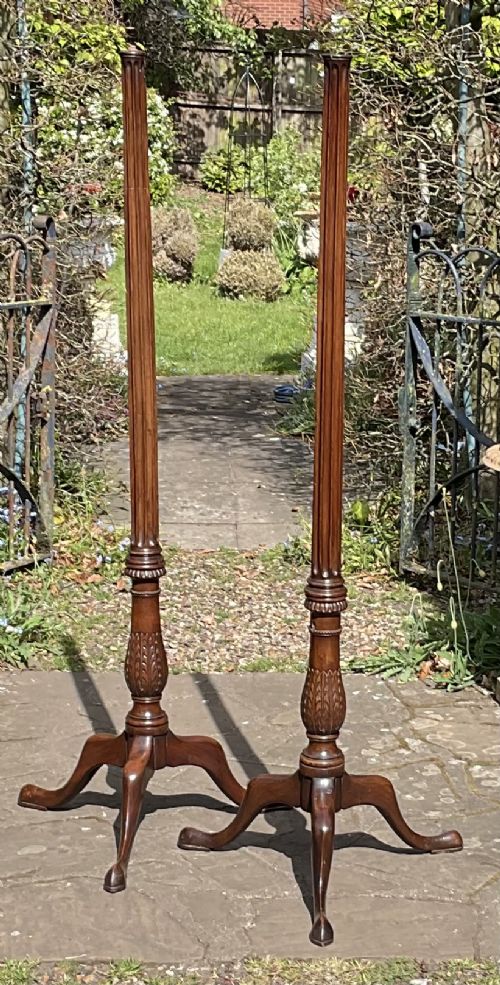
These dark wood torchere lamp examples bring upright architectural presence to a room, holding light or plants aloft on slender turned and carved shafts.
Dark Wood Torchere Lamp
A dark wood torchere lamp combines the elevated platform of a traditional standing pedestal with illumination, creating a tall vertical focus in an interior. The selection on this page draws from the nineteenth century, the Edwardian era, and the nineteen-twenties, incorporating both period originals and later revivals.
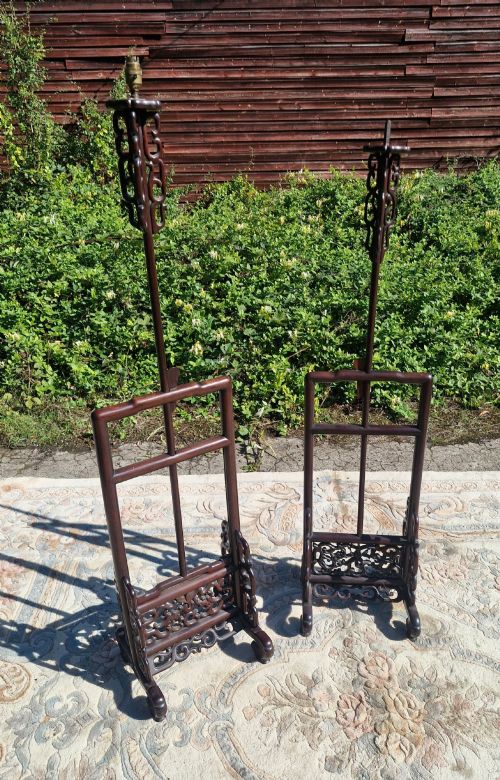
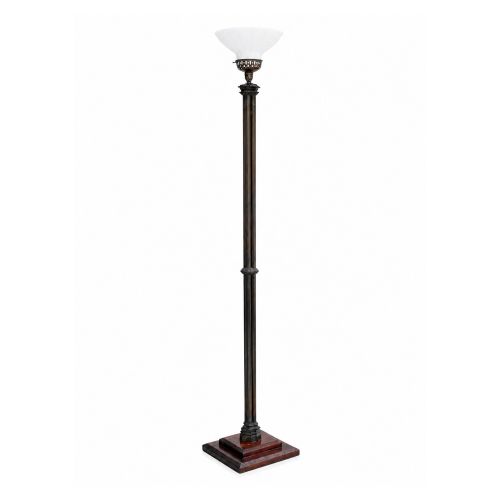
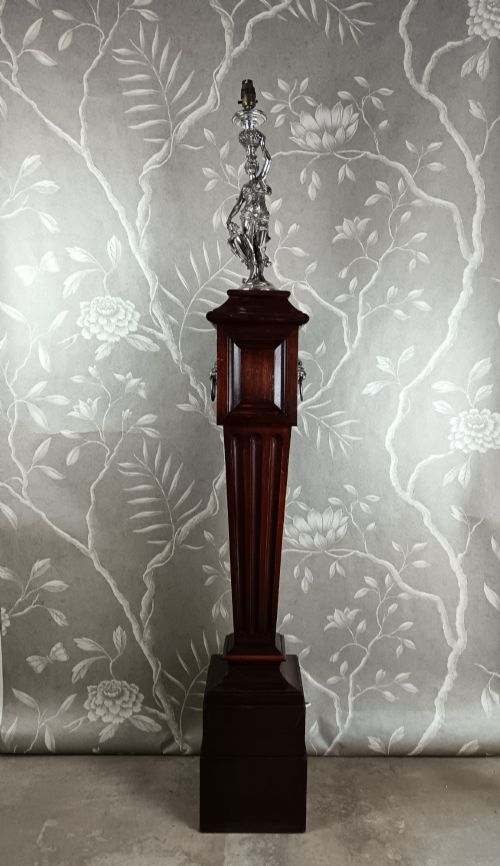
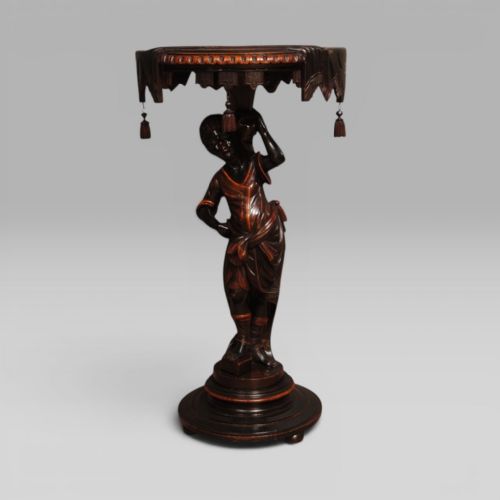
Forms range from straightforward mahogany plant stands and torchere floor lamps to more elaborate figural carvings and adjustable Chinese standards. Buyers encounter woods such as mahogany and oak alongside brass mounts and silver-plated figural elements.
The styles span Gothic Revival, Georgian, Victorian, and Venetian Baroque, showing how makers adapted classical columnar forms across different decades. These pieces serve equally as standard lamps or as elevated surfaces for display.
How they were made
Makers shaped these stands from dense timbers like mahogany and oak, often employing carved wood for slender shafts and fluted columns. Turning lathes created symmetrical pedestals and circular top surfaces designed to hold lamps or planters.
Metal components in brass and silver-plate provided structural joints, weighted bases, or decorative figural statues incorporated into the upright design. Polychrome finishes and dark stains enhanced the rich grain of the hardwood bodies.
A carved wooden Chinese dragon stands ready to hold your evening reading light.
What varies in quality
Quality rests in the crispness of the wood carving, the stability of the central shaft, and the integrity of the joints connecting the pedestal to the base. Denser hardwoods like mahogany hold intricate turned details and fluting far sharper than softer timbers.
The presence of maker marks, such as WMF silver-plate, or integrated figural elements like carved dragons or statues elevates the piece beyond standard utility. Proportion and balance dictate how securely the tall standard stands upon its footprint.
WMF
The Dark Wood Torchere Lamp Glossary
- Torchere
- A tall ornamental stand originally designed to hold a torch or candle, later adapted for lamps and plant displays.
- Standard lamp
- A freestanding floor lamp featuring a vertical pole or column rising from a heavy base.
- Figural
- Incorporating human or animal figures into the carved wooden structure or metal mounts of the piece.
- Jardiniere
- An ornamental pot or stand intended for holding plants and flowers indoors.
- Polychromed
- Painted or decorated in several colours, frequently seen on Venetian or imported decorative stands.
Dark Wood Torchere Lamp: Frequently Asked Questions
What is a dark wood torchere lamp used for?
These tall stands function primarily as floor lamps or elevated display surfaces for plants and decorative objects. Their vertical profile draws the eye upward and illuminates dark corners in traditional rooms.
They occupy minimal floor space while adding significant architectural character to an interior scheme.
How do I identify the age of a torchere?
Dating relies on timber selection, turning styles, and specific design revivals like Gothic or Regency. Nineteenth-century examples often feature dense hand-carved mahogany and heavier structural construction.
Later pieces from the Edwardian period or the nineteen-twenties introduce lighter proportions and modified wiring channels.
Where should I place a torchere lamp?
These pieces suit corners, empty wall spaces, or flanking positions beside larger items of furniture. Their height makes them effective for casting ambient light across a seating area.
Ensure the floor surface is level to maintain stability given the tall, slender nature of the standard.
Are these lamps wired for modern use?
Many examples on this page are adapted to function as lamp standards with integrated electrical wiring. Buyers should inspect the bulb holders and flex to ensure compliance with current safety standards.
Some surviving pieces retain their original status as decorative plant stands without internal electrical fittings.