


Victorian Faux Bamboo Tables
Victorian faux bamboo tables bring the playful, inventive spirit of nineteenth-century design straight into a modern room.
Victorian Faux Bamboo Tables
Victorian faux bamboo tables encompass a charming range of occasional pieces, bedside cabinets, and dressing tables created during the nineteenth century. These items capture the fascination with exotic travels and Eastern motifs that defined the era's interior taste.
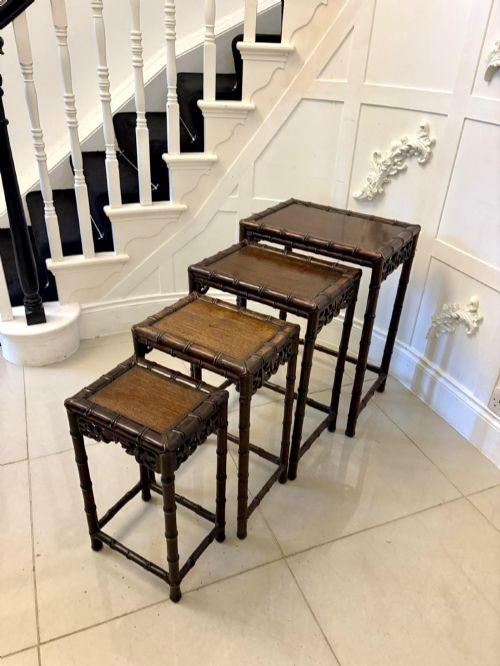
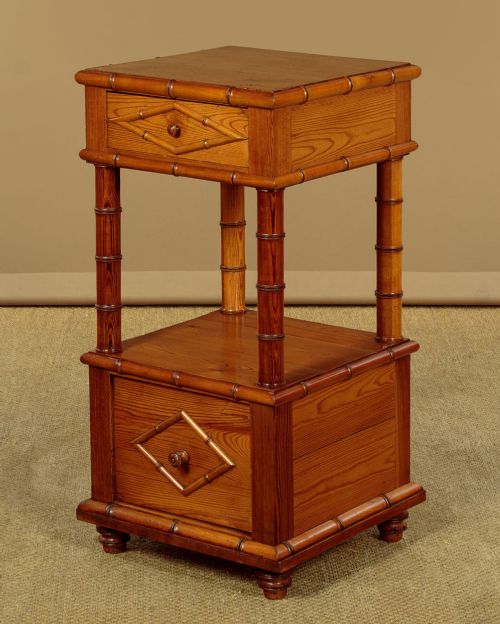
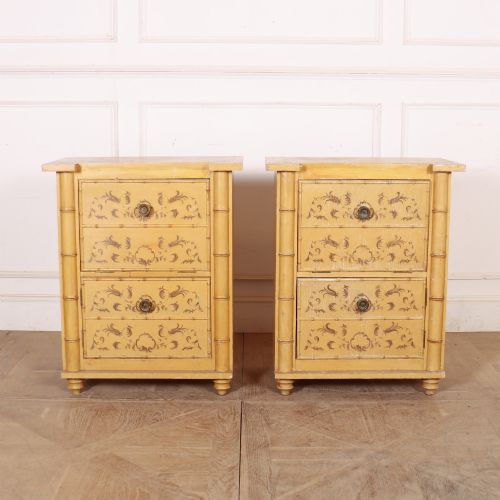
The most frequent examples found in this selection include bedside cabinets and nesting sets, often dated around the eighteen-nineties. Makers turned ordinary hardwoods and pine into convincing simulations of natural cane, applying skill and patience to every joint.
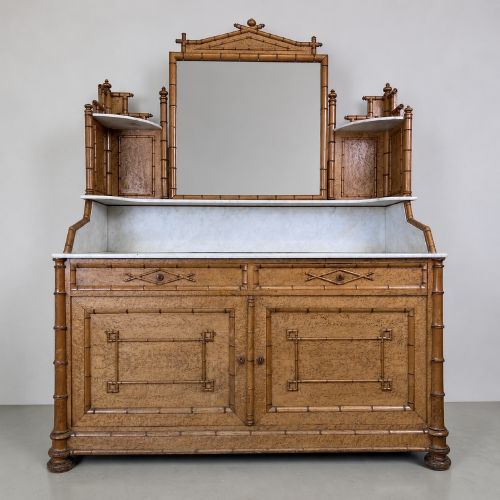
Beyond standard bedside pieces, collectors encounter drop-leaf surfaces and washstands utilising bird's-eye maple alongside simulated cane framing. Each form serves a practical domestic purpose while displaying the distinct carved profiling characteristic of the style.
How they were made
Craftsmen shaped solid woods like pine and hardwood by hand, carving rings and node details directly into the timber to mimic natural bamboo stalks. Painters then applied surface finishes, sometimes using ebonising or gilt highlights to define the simulated joints.
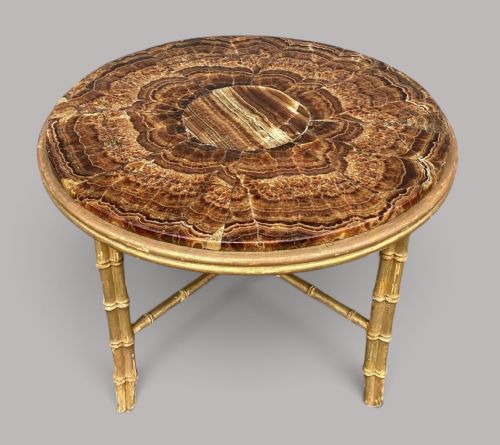
Selected pieces incorporate panels of bird's-eye maple or marble tops, combining structural rigidity with varied decorative textures. Cabinetmakers joined the turned framework using traditional mortise and tenon joints to ensure daily stability.
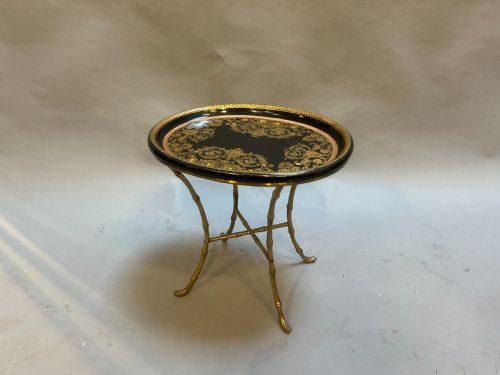
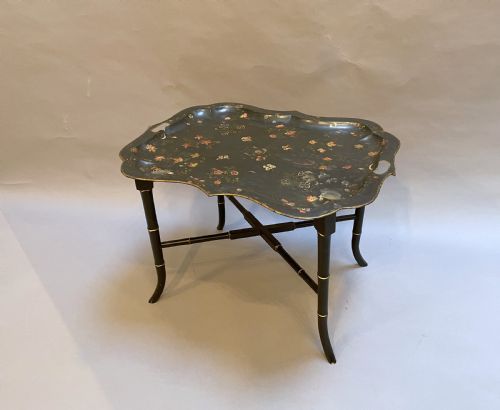
Listings feature items spanning the nineteenth century into the early twentieth century, incorporating wood, marble, brass, and papier-mâché.
What varies in quality
The precision of the carved nodes and the fidelity of the simulated grain separate standard work from exceptional examples. Superior items feature crisp, deeply cut rings that retain their painted or lacquered definition without blurring.
The choice of secondary materials, such as inset marble tops or integrated bird's-eye maple panels, indicates the original commission tier. Well-preserved surface decoration and firm, original structural joins maintain the integrity of better pieces.
John Taylor Edinburgh
The Victorian Faux Bamboo Tables Glossary
- Faux bamboo
- Timber turned and carved by hand to imitate the segmented stalks of natural bamboo. This technique gained immense popularity during the Victorian period for occasional furniture.
- Bird's-eye maple
- A figured timber showing small, characteristic dots that resemble tiny eyes across the grain. It frequently appears on panels and drawer fronts alongside simulated cane framing.
- Ebonising
- The process of treating timber to give it the appearance of solid ebony. This dark finish often frames carved cane details on nineteenth-century cabinets.
- Chinoiserie
- European artistic interpretations of Chinese decorative motifs and scenes. This style appears on lacquered panels and papier-mâché surfaces associated with these tables.
Victorian Faux Bamboo Tables: Frequently Asked Questions
How do I date a faux bamboo table?
Dating relies on examining construction methods, timber types, and the specific turnings used on the legs and frames. Pieces from the later nineteenth century often display machine-assisted precision alongside hand-finished paintwork.
Hardware, drawer linings, and backboards offer further clues to the decade of manufacture. Comparing the style of the turnings with documented nineteenth-century cabinetmaker catalogues helps narrow the production window.
Are these tables sturdy enough for daily use?
Most pieces were built for practical domestic tasks such as holding bedside lamps or serving drinks. Solid timber frames joined with traditional methods provide dependable strength for everyday placement.
Care should be taken with delicate lacquered surfaces or inset marble tops during regular cleaning. Placing protective pads beneath heavy items helps preserve the original nineteenth-century finish.
Where should I place a faux bamboo table?
These compact items suit bedrooms as bedside cabinets or dressing tables, and function well as low occasional surfaces in sitting rooms. Their slender profiles allow them to fit into tighter spaces where heavier furniture feels cumbersome.
Keeping them away from direct heat sources and strong sunlight protects the painted finishes and natural wood grains. They mix easily with both antique and modern interior schemes.
What is the difference between bamboo and faux bamboo?
Real bamboo consists of hollow, natural grass stalks joined with pins or adhesives, which limits its load-bearing capacity. Faux bamboo uses solid hardwoods like pine or mahogany carved to mimic the natural plant.
This carved substitution provides significantly greater structural strength and allows cabinetmakers to apply durable painted or lacquered finishes. It ensures the furniture survives heavy domestic service.