

Victorian Equestrian Canvas Portrait
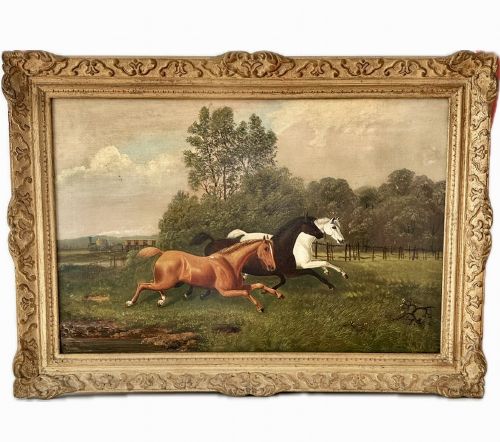
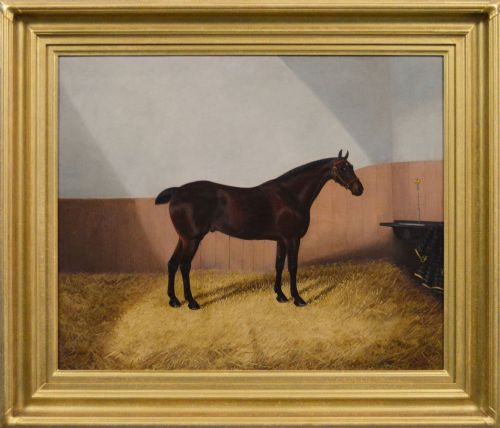
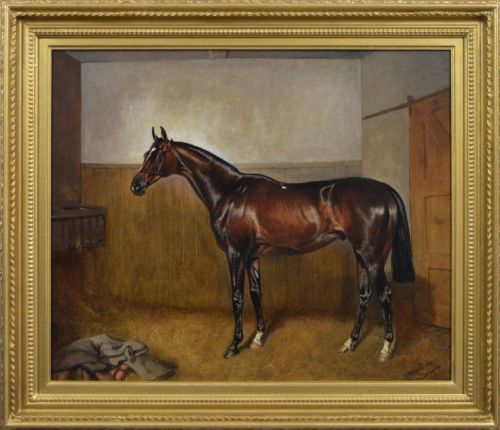
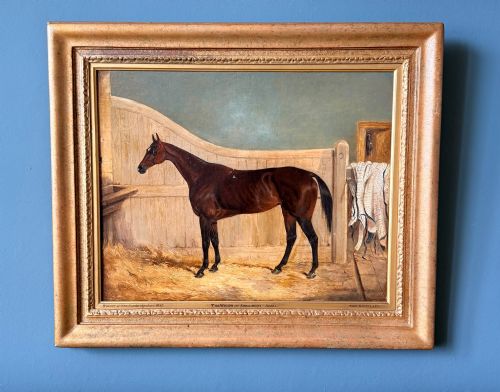
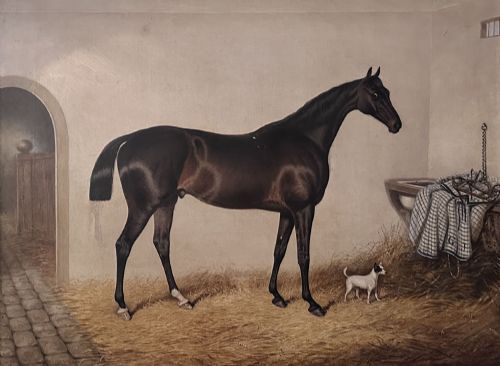
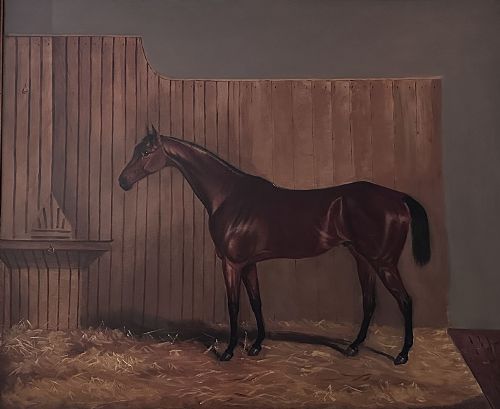
A victorian equestrian canvas portrait captures the muscular poise and individual character of prized horses and hounds through layered oil paint.
Victorian Equestrian Canvas Portrait
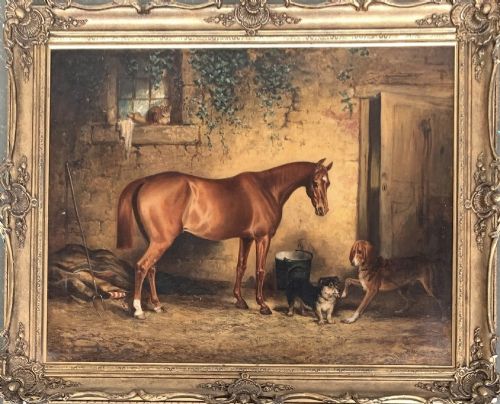
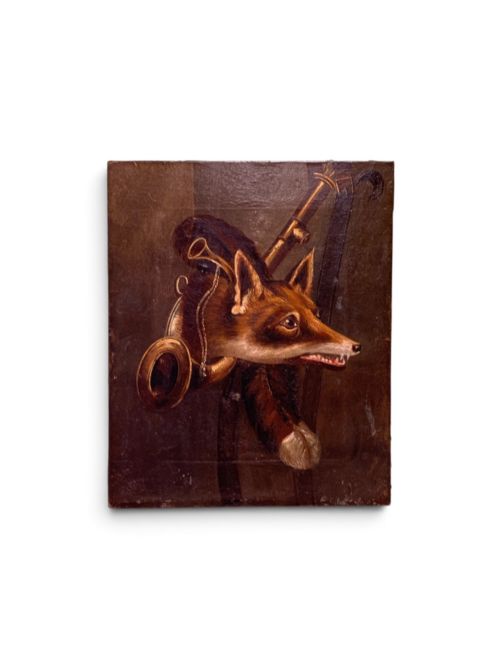
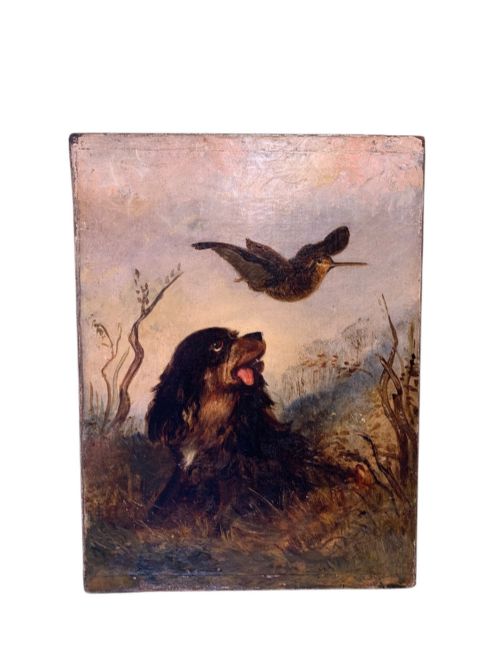
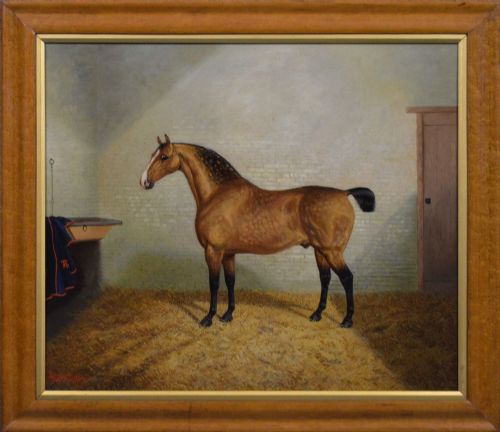
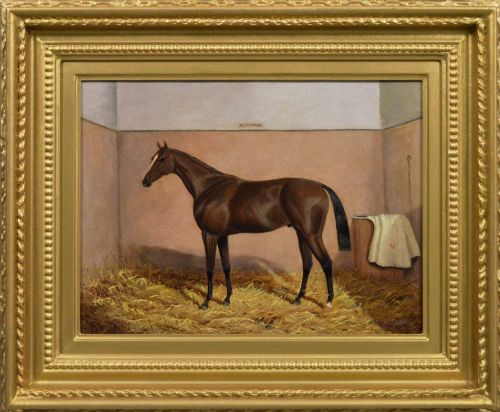
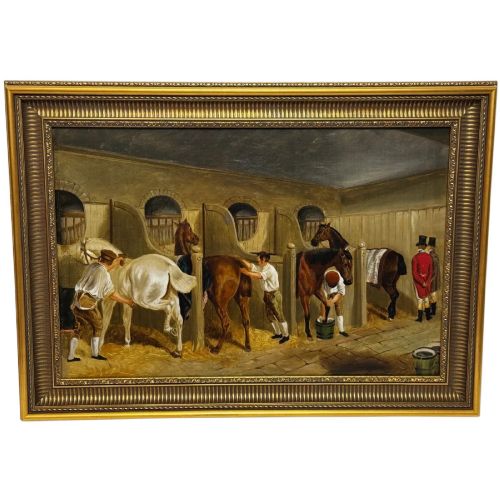
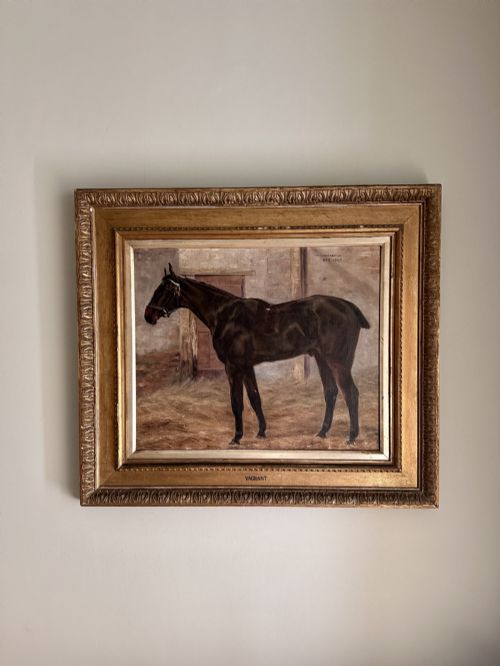
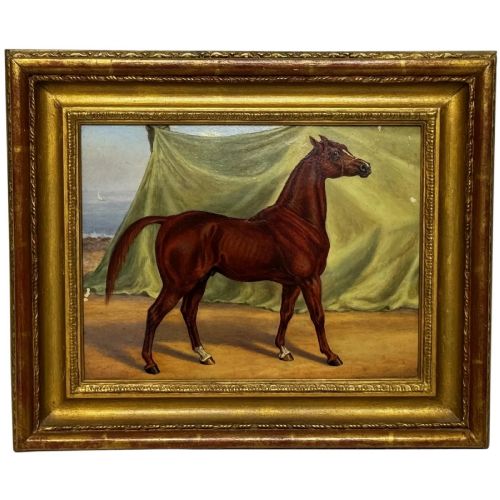
A victorian equestrian canvas portrait depicts named racehorses, hunters, and stable companions alongside hounds and riders within nineteenth-century landscapes and stable interiors.
The versions most frequently encountered on this page originate from the Victorian era and the broader nineteenth century, executed in oil paint upon stretched canvas.
These works function as records of specific animals, sporting triumphs, and rural estates, rendered by specialist animal painters of the period.
Materials and technique
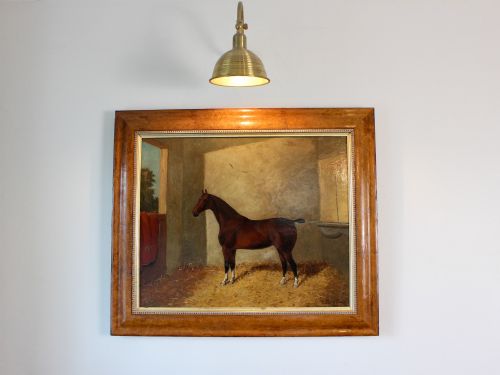
Artists built up these compositions using oil paint on canvas substrates, sometimes framed in giltwood or gold leaf moulded surrounds.
Brushwork combined fine detailing in the animal coats with looser treatment in the background landscapes and stable architecture.
The works span the nineteenth century, including pieces dated from eighteen-hundred up to nineteen-hundred.
Evaluating the work
Superior examples demonstrate anatomical precision in the depiction of bone structure, muscle tone, and the alert expression of the animal.
The handling of light across the coat and the integration of the subject within its surrounding landscape distinguish master works from routine studio output.
Henry Barraud·Albert Clark·Fred Fitzpatrick·Edward Priestley·John Alfred Wheeler·Thomas Walker Bretland·John Ferneley Senior·George E Sharpe·Samuel Spode·Fannie Moody·Charles Bilger Spalding·Alfred Moginie Bryant·Ethel Mortlock
The Victorian Equestrian Canvas Portrait Glossary
- Canvas
- A heavy woven fabric stretched across a wooden frame to serve as the support for oil paintings.
- Giltwood
- Timber carved and surfaced with a thin layer of gold leaf, commonly used for period frames.
- Oil Paint
- Pigment mixed with drying oil such as linseed, allowing for rich colour depth and blended brushwork.
- Sporting Art
- A genre of painting dedicated to equestrian subjects, hunting scenes, and domestic animals.
Victorian Equestrian Canvas Portrait: Frequently Asked Questions
What subjects appear in these paintings?
The canvases typically feature named racehorses, hunters in stables, and hunting dogs set against rural landscapes.
Human figures occasionally join the animals, including jockeys, lords, and young equestrians.
How were these portraits displayed?
Original owners hung these works in country houses, estate reception rooms, and estate offices to record prized bloodstock.
Heavy giltwood frames provided a formal boundary for the domestic display of sporting trophies.
How do I identify the period?
Dates often emerge from artist signatures, exhibition records, or archival provenance linked to specific country estates.
Clothing styles of any accompanying riders and the construction methods of the stretcher frames offer further chronological clues.
Are the horses usually named?
Many canvases record the specific identity of the animal, noting notable race winners or hunting mounts in the title.
Inscriptions on the reverse or contemporary documentation sometimes preserve the pedigree and owner of the subject.