




Victorian Ebonised Stool
These Victorian ebonised stool options bring dark finishes and period character to an interior.
Victorian Ebonised Stool
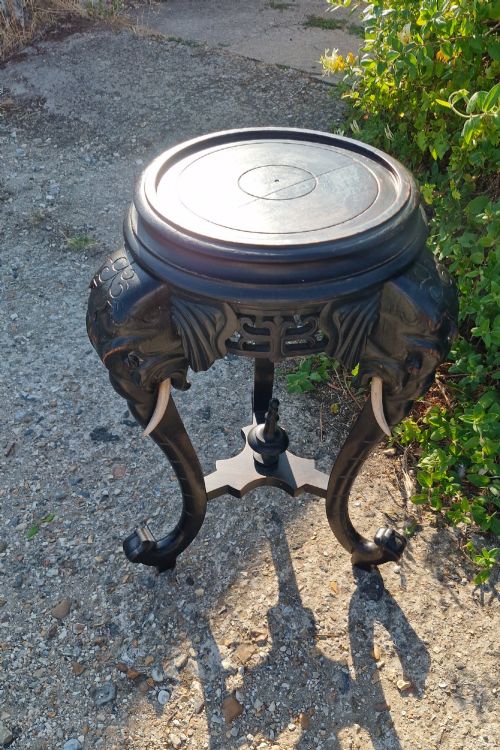
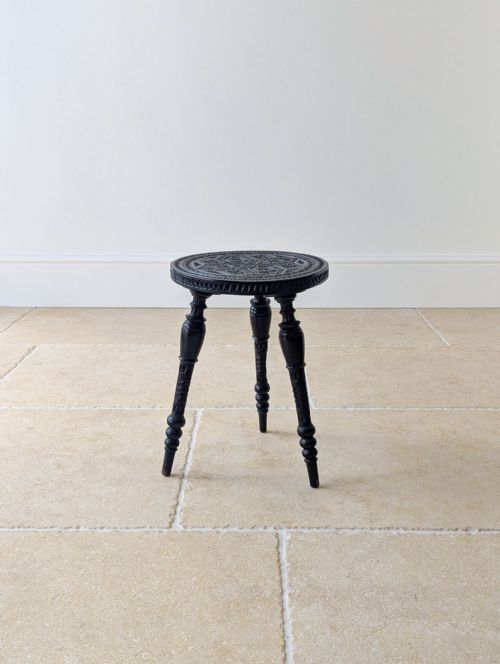
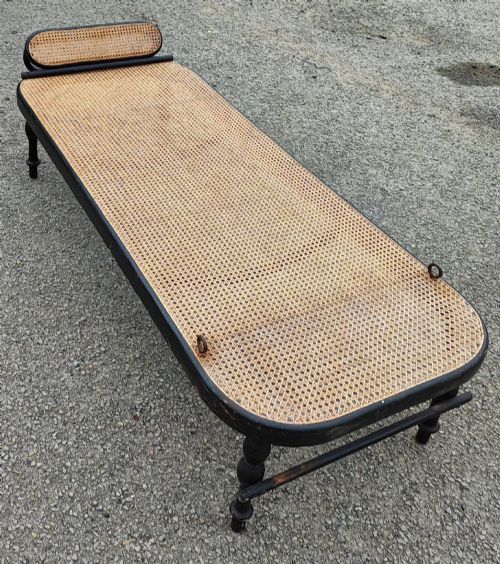
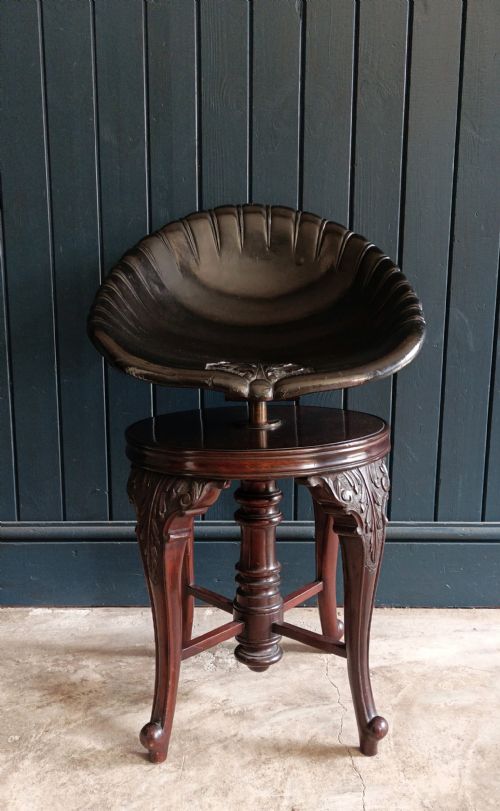
A victorian ebonised stool search uncovers seating designed during the nineteenth century, finished with dark blackened wood surfaces to imitate ebony. The examples appearing here include piano stools, footstools, long benches and occasional seating.
Most entries belong to the Victorian era or late nineteenth century, spanning decades such as eighteen eighty and eighteen ninety. Makers often utilised mahogany or hardwood as the structural base before applying the signature ebonised finish.
Stylistic influences vary considerably across the selection, touching upon the Aesthetic Movement, Anglo-Indian design, and Japanese Meiji aesthetics. Some items incorporate adjustable swivel mechanisms, revolving tops, or parcel gilt highlights.
What varies in quality
The sophistication of the timber carving and the crispness of the chip-carved or scroll-carved details define the upper tier of production. Pieces bearing recognisable maker attributions or complex mechanical revolving mechanisms stand apart from standard domestic seating.
The integrity of the ebonised finish and the retention of original parcel gilt or decorative elements influence desirability. Structural sturdiness in adjustable piano stools and the quality of secondary materials like brass hardware mark the difference between standard and superior pieces.
Materials recorded across the inventory include ebonised hardwood, mahogany, brass hardware, velvet, leather, and cane upholstery.
Holland and Son
The Victorian Ebonised Stool Glossary
- Ebonised
- Wood treated with stain, paint or chemical processes to imitate solid ebony. This dark finish was highly fashionable during the Victorian period.
- Parcel Gilt
- Partial gilding applied to specific carved details or raised portions of a wooden frame. It creates a striking contrast against the dark ebonised background.
- Aesthetic Movement
- A late nineteenth-century design style emphasising visual beauty over narrative subject matter. Pieces from this movement often display clean lines and Japanese influences.
- Revolving Piano Stool
- An adjustable seat featuring a threaded screw mechanism allowing the height to be altered by spinning the top. These often include a swivel base for musicians.
Victorian Ebonised Stool: Frequently Asked Questions
How do I date a victorian ebonised stool?
Dating relies on stylistic clues, construction methods, and recorded production periods from the nineteenth century. Details like Aesthetic Movement motifs or patent brass adjusting mechanisms often point toward the eighteen eighties or eighteen nineties.
Later Edwardian examples or pieces from nineteen ten show subtle shifts in turning and joinery. Comparing the secondary woods beneath the ebonised surface also helps establish the era.
Were all these stools used for pianos?
Piano stools form a significant portion of the selection, particularly those with swivel tops, adjustable height screws, or internal storage compartments. Other pieces served as footstools, dressing table seats, window benches, or long daybed footrests.
Music stools required sturdy revolving frames to assist the player, whereas static stools fulfilled general domestic seating roles in the parlour or drawing room.
How do I care for ebonised wood?
The dark blackened finish requires gentle cleaning with a soft, dry cloth to remove dust without abrading the surface. Avoid harsh chemical cleaners or excess moisture that could damage the dark stain or underlying polish.
Wax polish formulated for dark woods can help maintain the sheen on mahogany or hardwood frames. Keep the pieces away from direct sunlight to prevent the ebonised coating from fading over time.
What is the difference between an aesthetic stool and a standard Victorian stool?
Aesthetic Movement pieces display specific artistic influences from Japan and simplified structural forms championed by progressive designers of the late nineteenth century. They often feature restrained geometric carving or parcel gilt accents rather than heavy revivalist ornament.
Standard Victorian designs frequently lean towards heavier scroll carving, buttoned upholstery, or elaborate turned legs reflecting earlier mid-century tastes.